By Sam Johnston
Lead Guide, Montana River Guides; Instructor and Spill Responder, WRI
The Marañón River, the principal headwater of the Amazon, is not merely a body of water; it is a gargantuan, geologic force that slices through the Peruvian Andes with indifferent power. For a self-supported kayaking expedition, it represents the ultimate commitment. When you are deep within the Inner Gorge, where the canyon walls loom like prison ramparts and the next road is a hundred miles of vertical ascent away, the margin for error vanishes.
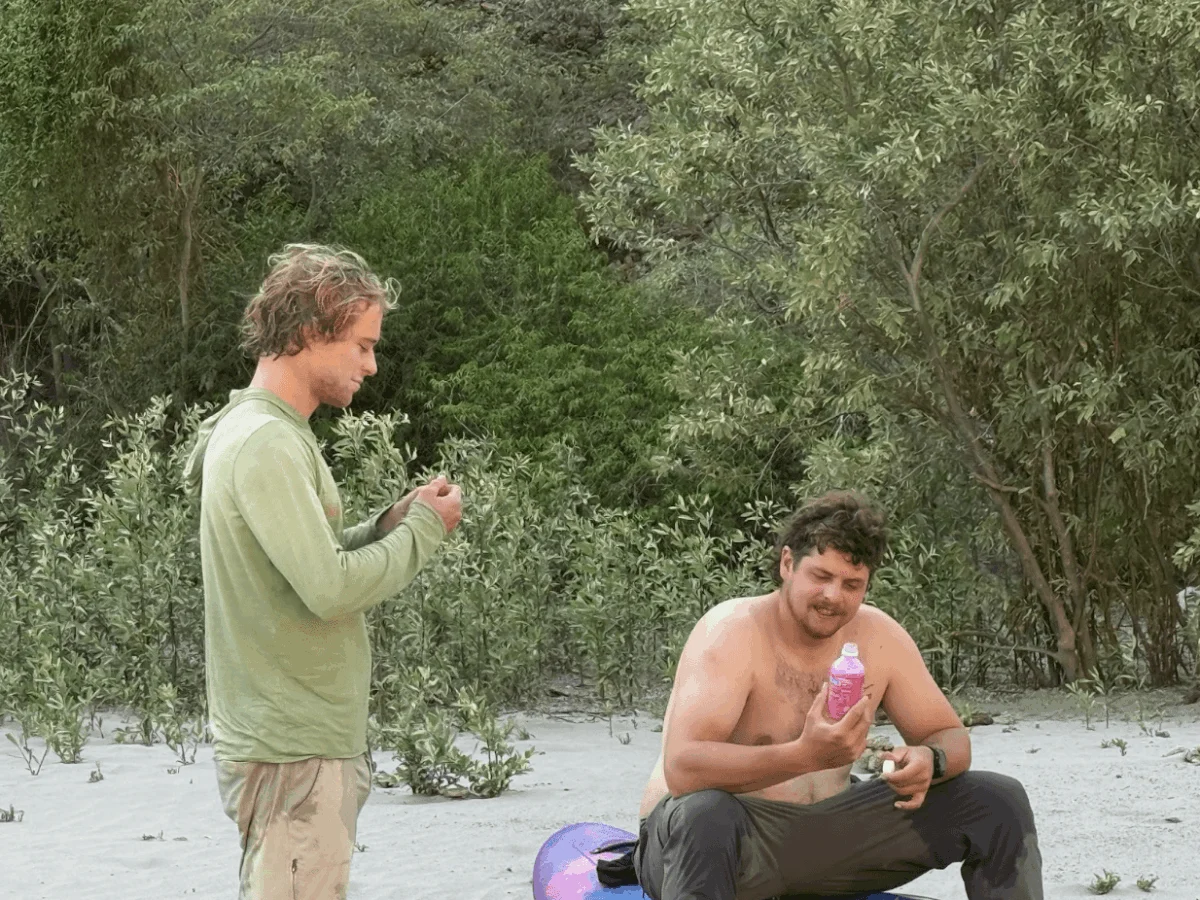
It was here, halfway through a grueling lunch break on a boulder-strewn bank, that I came dangerously close to ending my friend’s life. What began as a routine moment of respite—exchanging an orange with my expedition partner, Dayton—nearly turned into a tragedy of gravity and negligence. I reached for a boulder, roughly the size of a washing machine, to stabilize myself. It shifted. In an instant, I realized the instability of the terrain, lunging and screaming a warning as a multi-hundred-pound rock surged toward Dayton, who was standing in the shallows below. It stopped inches from his legs, wedged between two other stones. The look he gave me—a cocktail of sheer disbelief and hardened realization—is a memory that will remain with me longer than any rapid we navigated.
The Reality of Risk: A Chronology of the Expedition
The Marañón expedition was not a leisurely float; it was a calculated test of physical endurance and technical proficiency.

Phase I: The Approach. We began with a meticulous scouting of the Upper Canyon. The team was firing on all cylinders, maintaining a high level of vigilance. We approached the infamous "Wassons Slide" with the reverence it demands, identifying every hazard, mapping our portage line, and double-checking our gear.
Phase II: The Fatigue Factor. Mid-expedition, the environment turned hostile. An illness swept through our team, leaving three of our five members incapacitated. We found ourselves sheltering under a bridge in a remote Ancash town, foraging for supplies. Our diet shifted to canned tuna and whatever medicine we could source from local villagers. It was here, in a state of exhaustion and dehydration, that the mental toll began to manifest. Simple logistical questions became Herculean tasks.
Phase III: The Inner Gorge. Upon re-entering the river, the physical consequences of our fatigue became apparent. I found myself in a hole I should have easily navigated. As I scraped my back against the riverbed, the distinction between a "hope" and a "plan" became painfully clear.
Phase IV: The Psychological Pivot. The expedition culminated in the successful navigation of the Samosera Rapid. Standing on the bank, I was forced to confront my own ego. Was I running this massive feature because I was prepared, or because I feared the stigma of walking? This internal dialogue, often ignored by even the most experienced paddlers, is the final, most dangerous piece of the puzzle.

Supporting Data: Why Experience Isn’t Enough
The incident with the boulder was not a result of a lack of experience. I have spent years as a lead guide for Montana River Guides and as an instructor and spill responder for the Whitewater Rescue Institute (WRI). I know the protocols. I have taught the safety modules. Yet, in a single moment of unthinking behavior, those qualifications proved insufficient.
According to industry safety standards in technical rescue, human error—not equipment failure—accounts for the vast majority of near-misses. In high-stakes environments, our cognitive load capacity drops significantly:
- Dehydration and Malnutrition: A reduction in blood volume and glucose levels can lead to a 20-30% decrease in decision-making speed.
- Sleep Deprivation: The effects of 24 hours without quality sleep are comparable to a blood alcohol content of 0.10%.
- Environmental Stressors: Exposure to extreme heat or cold causes a physiological "tunnel vision," where peripheral risks (like a loose rock) are ignored in favor of the immediate goal.
The Five Pillars of Swiftwater Safety
Drawing from this expedition and my career in professional rescue, I have codified five principles that remain universal, whether you are on the Marañón or the Clark Fork.
1. The Myth of the "Safe" Zone
The scene size-up does not end when you reach an eddy. It includes the bank, the rock used as an anchor, and the proximity to potential hazards. Most accidents occur during the transition phases—when people drop their guard because they believe they have exited the "danger zone."

2. The Decay of Decision-Making
Decision-making is the first casualty of stress. When you are tired, scared, or physically compromised, your internal "operating system" slows down. We rely on checklists and systemic drills precisely because we cannot trust our own brains when the stakes are at their highest.
3. Containment is a Strategic Choice
"Containment" is often confused with "hope." A true containment plan requires defined roles: Who is watching? Where is the extraction point? What is the downstream contingency? If you cannot answer these questions within five seconds, you are operating on a prayer, not a plan.
4. The Ego Current
Ego is the most dangerous piece of equipment on the water. It prevents honest risk assessment and pushes paddlers to perform beyond their current capacity. Naming your motivation—admitting you are running a rapid to avoid embarrassment—is the only way to neutralize the ego’s influence on your decision-making.
5. The River as a Partner, Not an Adversary
The narrative of "conquering" the river is a fallacy. The river is an ancient, neutral force. The most professional rescuers move with a sense of respect and fluidity. They don’t fight the water; they read its intent and work within its constraints.

Implications for Training and Professional Development
The lessons learned in the Andes resonate deeply with the work we do at the Whitewater Rescue Institute (WRI). The technical skills required for river rescue—rope work, knot tying, mechanical advantage, and swimming technique—are only half the equation. The other half is the mental framework.
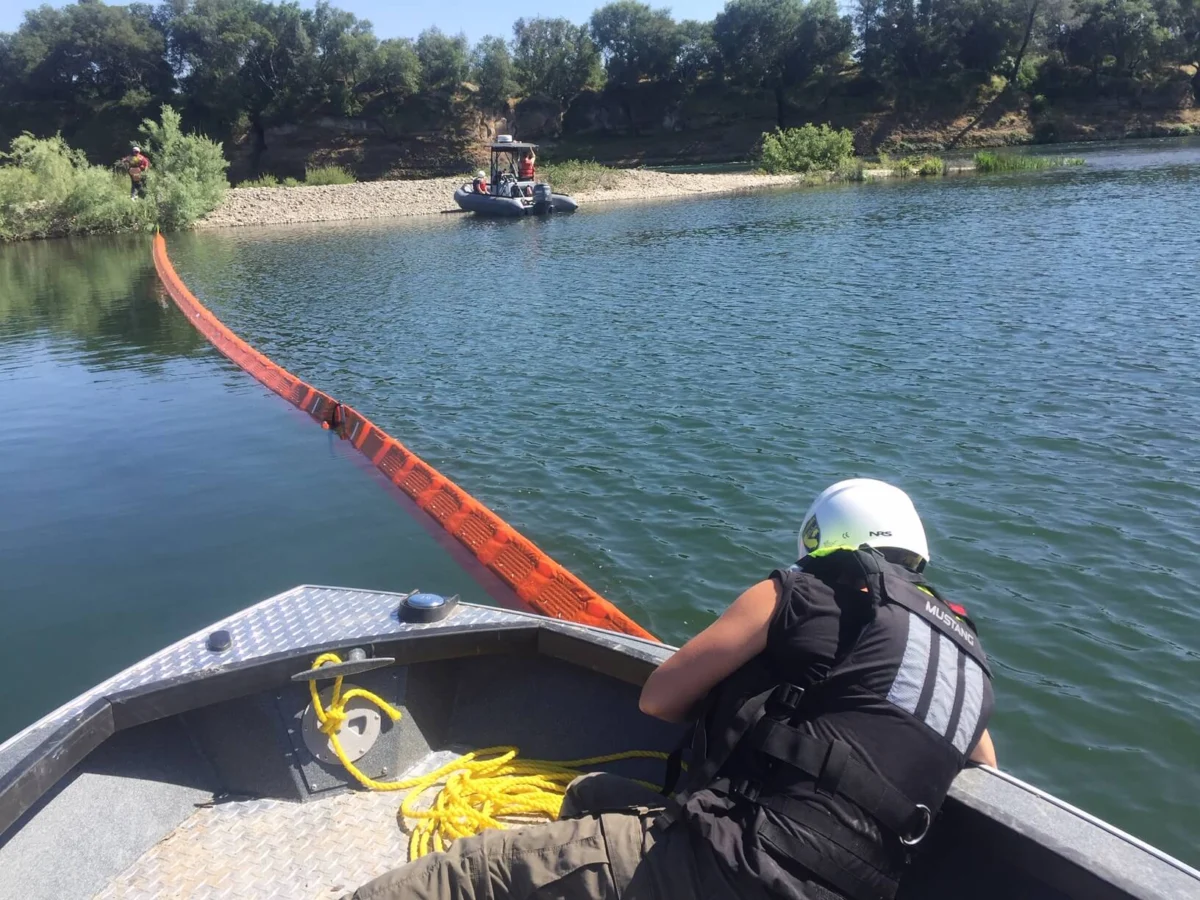
The WRI curriculum, which aligns with NFPA 1006 and 2500 standards, is designed to stress-test these frameworks. We operate on the Clark Fork River, providing training that spans from basic swiftwater rescue to complex fastwater spill response for agencies and professionals.
The primary implication for any professional or enthusiast is clear: Skills decay. A rescue course taken a decade ago is a historical document, not a current qualification. The most dangerous person on the water is the one who believes they have "graduated" from safety training.
Moving Forward: The Necessity of Continuous Refinement
Returning from the Marañón, I am struck by the continuity between remote expeditions and professional emergency response. Whether it is a spill response on a regional river or a self-supported kayak trip in Peru, the fundamental requirements are identical: humility, constant situational awareness, and the ability to maintain cognitive clarity under duress.

For those reading this—whether you are a seasoned guide or a recreational paddler—I challenge you to view your next training day not as a box to check, but as a critical simulation of your own survival. Our industry thrives when we acknowledge that we are all, at some level, one "unthinking moment" away from a crisis.
WRI’s current course offerings, including boat operations and specialized HAZWOPER-compliant spill training, are open for enrollment. As a USCG-classified Oil Spill Removal Organization, we ensure that our students are prepared for the reality of the water, not just the theory.
The river is waiting. Whether it is the Marañón or the Clark Fork, the stakes are always real. I’ll see you out there—and I hope, like me, you keep showing up to refresh your skills, stay humble, and remember that the best way to handle a river is to never underestimate it.
Sam Johnston is a lead guide and instructor at Montana River Guides and works alongside WRI as an instructor and spill responder. For more on the Marañón expedition, visit the Downriver Journal.