As global solar capacity expands at an unprecedented rate, the industrial scale of modern solar farms has moved beyond the capacity of traditional manual oversight. Maintaining thousands of acres of photovoltaic (PV) panels requires more than just boots on the ground; it requires a birds-eye view. Today, the solar industry is undergoing a technological metamorphosis, with drones emerging as the primary agents of efficiency, safety, and data-driven optimization.
From the initial surveying of virgin land to the complex demands of post-commissioning operations and maintenance (O&M), drones are no longer a luxury—they are a core component of the solar value chain.
The Evolution of Solar Oversight: A Chronological Overview
The integration of unmanned aerial vehicles (UAVs) into the energy sector has moved through three distinct phases over the last decade.
Phase 1: The Pilot Era (Early 2010s)
In the early days, drone use was largely experimental. Operators used basic photography to document construction milestones. Inspections were sporadic, manual, and heavily dependent on the skill of individual pilots who had to be physically present at the site.
Phase 2: The Data-Driven Transition (Mid-2010s to 2020)
As thermal imaging sensors and high-resolution cameras became more affordable, the industry shifted toward data-centric operations. Drones began identifying "hot spots"—defective cells or localized shading that could compromise an entire string of panels. This period established the drone as a critical tool for preventative maintenance, reducing the need for costly, time-consuming manual thermography.
Phase 3: The Autonomous and AI-Integrated Future (2020–Present)
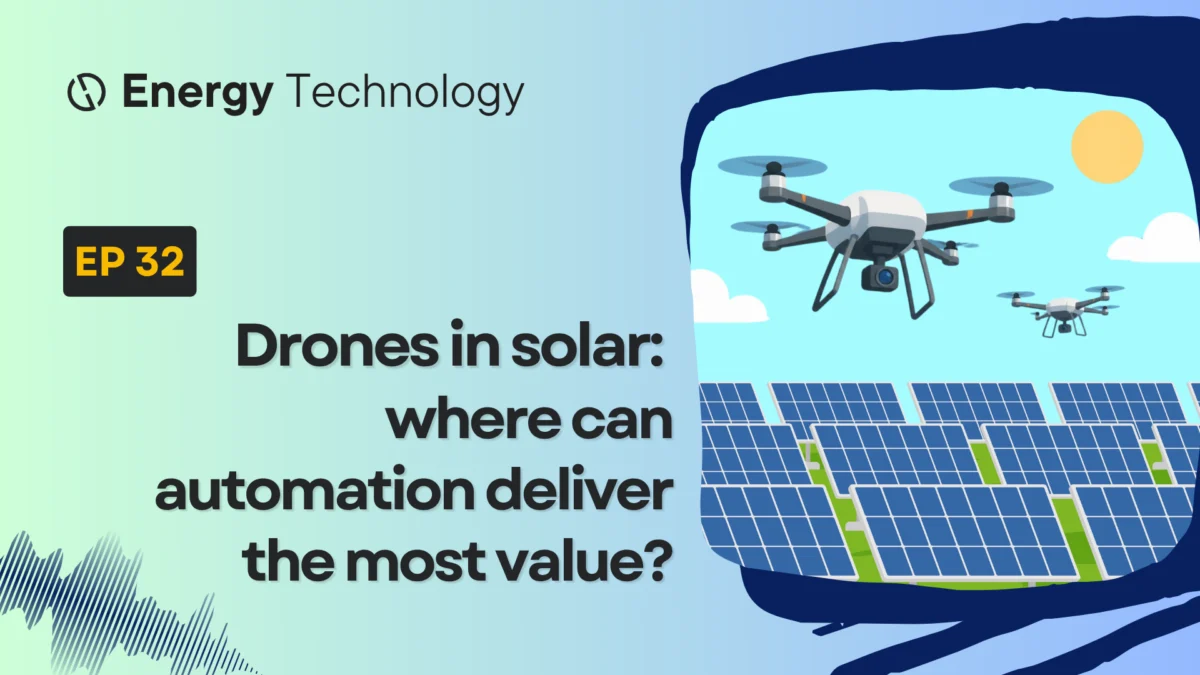
We are currently in the era of the "Drone-in-a-Box" (DiaB) and artificial intelligence. Autonomous systems now reside on-site, housed in weather-proof charging stations. These units launch, perform pre-programmed flight paths, and return to base to upload data to the cloud, all without human intervention. This shift marks the transition from drones as "tools" to drones as "automated workforce extensions."
Expert Perspectives: The Brains Behind the Tech
To understand the current state of play, we turn to three industry experts: Suneil Sastri, Vice President of Product Management at Zeitview; Joshua Baum, Commercial Lead at Percepto; and Rehaan Shiledar, Senior Power Industry Analyst at GlobalData.
"Drones enable companies to remotely monitor multiple sites simultaneously without scaling workforce costs," explains Rehaan Shiledar. "Fast access to actionable data optimizes resource allocation and significantly enhances decision-making across the entire asset lifecycle."
While the industry often focuses on the O&M phase, Joshua Baum argues that the true value is shifting toward construction. "Construction progress changes so quickly," Baum notes. "We see clients requesting flights on a daily or weekly basis. The frequency is much higher, and the value proposition is exponentially higher than sporadic annual checks."
The Solar Value Chain: Where Drones Add Value
The deployment of drone technology is segmented into three primary pillars:
1. Pre-Construction and Surveying
Before a single post is driven into the ground, drones create high-fidelity digital twins of the terrain. This allows engineers to optimize site layouts, account for topography, and predict shading patterns, ensuring that the final build is as efficient as possible.
2. Construction Monitoring
During the build, drones provide "proof of progress." By comparing aerial imagery against Building Information Modeling (BIM) files, project managers can track the installation rate, verify the quality of structural mounting, and ensure that the site is being built according to design specifications, thereby mitigating risks of late-stage rework.
3. Operations and Maintenance (O&M)
This is the most mature application of the technology. Automated drones identify damaged panels, dust accumulation, or vegetation encroachment. By automating these inspections, firms can reduce their dependence on manual labor for the most dangerous or repetitive tasks.
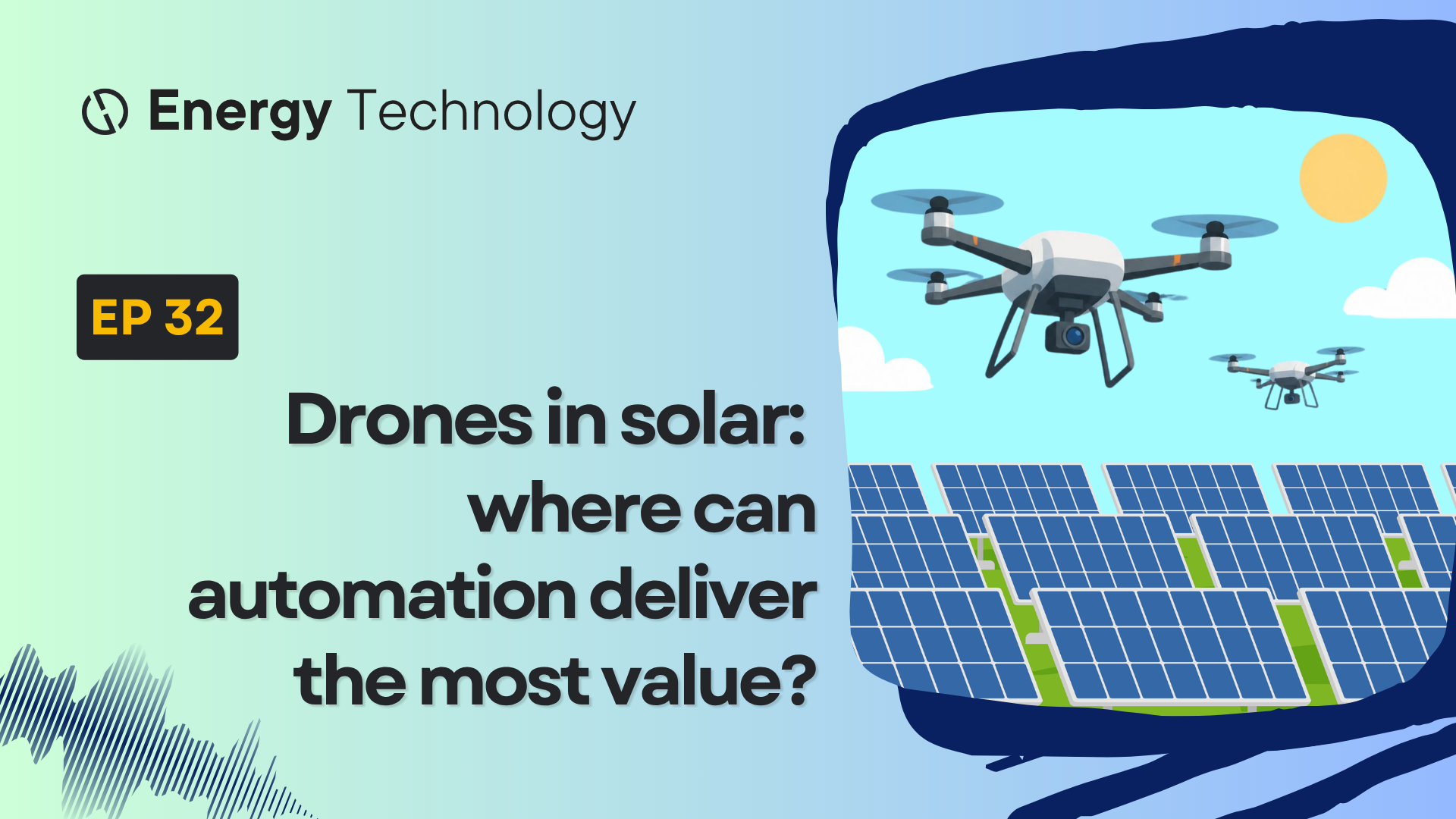
The Regulatory Horizon: The BVLOS Challenge
Despite the clear benefits of autonomy, the "Beyond Visual Line of Sight" (BVLOS) regulation remains the industry’s greatest hurdle. For a drone to be truly autonomous, it must be able to fly outside the direct view of a human operator.
"Legislative and regulatory challenges are currently slowing down the rollout of mass autonomous deployment," says Suneil Sastri.
Rehaan Shiledar agrees, framing it as the most demanding challenge in the commercial drone sector. "Regulators must balance the drive for innovation against the imperatives of safety and security. However, once we clear these regulatory hurdles, the benefits of BVLOS will act as the primary engine for the commercial drone market."
Software-First Evolution: The Role of AI
As drone hardware reaches a point of commoditization, the competitive advantage has shifted to the software layer. The ability to collect raw imagery is useful, but the ability to translate that imagery into a maintenance work order is where the real value lies.
"AI is super critical," says Joshua Baum. "We are using it for object-counting and anomaly classification by type and severity."
Looking forward, the integration of Generative AI is expected to revolutionize the feedback loop. Suneil Sastri predicts that AI will soon be able to not only detect a problem but also provide a diagnostic report and a suggested repair plan, automatically adjusting the site’s risk profile and scheduling maintenance automatically.
Limitations and the "Force Multiplier" Concept
Despite the hype, the experts remain grounded. There are clear limitations to current aerial technology. As Joshua Baum points out, drones can only see what is visible from the air. "Anything that lives underneath those panels—wiring issues, junction box corrosion, or ground-level structural rot—is currently beyond the scope of drone optics."
Sastri adds that drones cannot physically test equipment or repair a circuit. Instead, he frames drones as a "force multiplier." They don’t replace the technician; they make the technician significantly more effective by telling them exactly where to go and exactly what tool to bring before they even arrive at the site.
The Future: A Connected Ecosystem
The next frontier for the solar industry is not just "more drones," but "smarter integration." The industry is moving toward a "closed-loop system." In this vision:
- SCADA Integration: Anomalies flagged by Supervisory Control and Data Acquisition (SCADA) systems trigger an automatic drone inspection flight.
- Ground-Aerial Synergy: Drones provide the aerial overview, while ground-based rovers navigate under the panels to perform physical inspections of wiring and connectors.
- Unified Operational Picture: All data feeds—from the grid, the panels, the drones, and the weather stations—are combined into a single, real-time dashboard.
However, this increased connectivity brings new risks. Rehaan Shiledar cautions that as fleets grow, so does the threat surface for cyberattacks. "Technological innovation must be paired with robust, updated cybersecurity measures to ensure that our energy infrastructure remains resilient."
Conclusion: The Path Ahead
The transformation of the solar industry through drone technology is not merely a trend; it is a necessity for the scale of the energy transition. As we move toward a future where renewable energy is the backbone of the global grid, the efficiency provided by automated, AI-driven aerial systems will be the difference between profitable, sustainable energy and operational chaos.
While human expertise remains vital, the days of relying solely on manual site walks are numbered. The future of solar is in the clouds—not just in the weather patterns that power the panels, but in the autonomous fleets that monitor them from above. As the industry continues to refine its software, navigate regulatory frameworks, and embrace a unified, data-first approach, the "Drone-in-a-Box" model will likely become the standard for solar farms worldwide.