If you want to take your music with you, the humble Bluetooth speaker remains your most reliable companion. While audio purists may argue that they lack the acoustic stage of dedicated bookshelf speakers, the gap has closed significantly. Modern portable speakers now offer high-fidelity performance that can fill everything from a small office to a sprawling backyard with rich, balanced sound.
Since the technology first hit the mainstream in 2010, the audio landscape has evolved from simple "noisemakers" to sophisticated, rugged, and feature-rich sound systems. Having spent over two decades testing audio equipment—from the industry-defining Jawbone Jambox to the latest in 24-bit lossless wireless tech—it is clear that we have entered a golden age of portable audio.
The Evolution of Portable Sound: A Chronology
The story of the Bluetooth speaker is one of rapid refinement. In 2010, the launch of the Jawbone Jambox served as the "iPhone moment" for the category, proving that consumers were hungry for a portable, wireless listening experience. It wasn’t just about convenience; it was about reclaiming the music-listening experience in a mobile world.
Following that, the mid-2010s saw the race for battery life and ruggedization. Manufacturers realized that users wanted to take their speakers to the beach, the pool, and the trail. This led to the widespread adoption of IP (Ingress Protection) ratings, which guaranteed dust and water resistance. By 2020, the focus shifted toward "smart" integration—multi-room capabilities, app-based EQ, and voice assistant support.
Today, in 2026, we are seeing the maturation of the market. Features like Auracast (which allows for synchronized multi-speaker playback) and USB-C lossless audio input have become standard for high-end units. We have reached a point where even entry-level speakers offer battery capacities that can sustain a full weekend of camping without needing a charge.
Top Picks: The Best Bluetooth Speakers of 2026
The Gold Standard: JBL Flip 7 ($150)
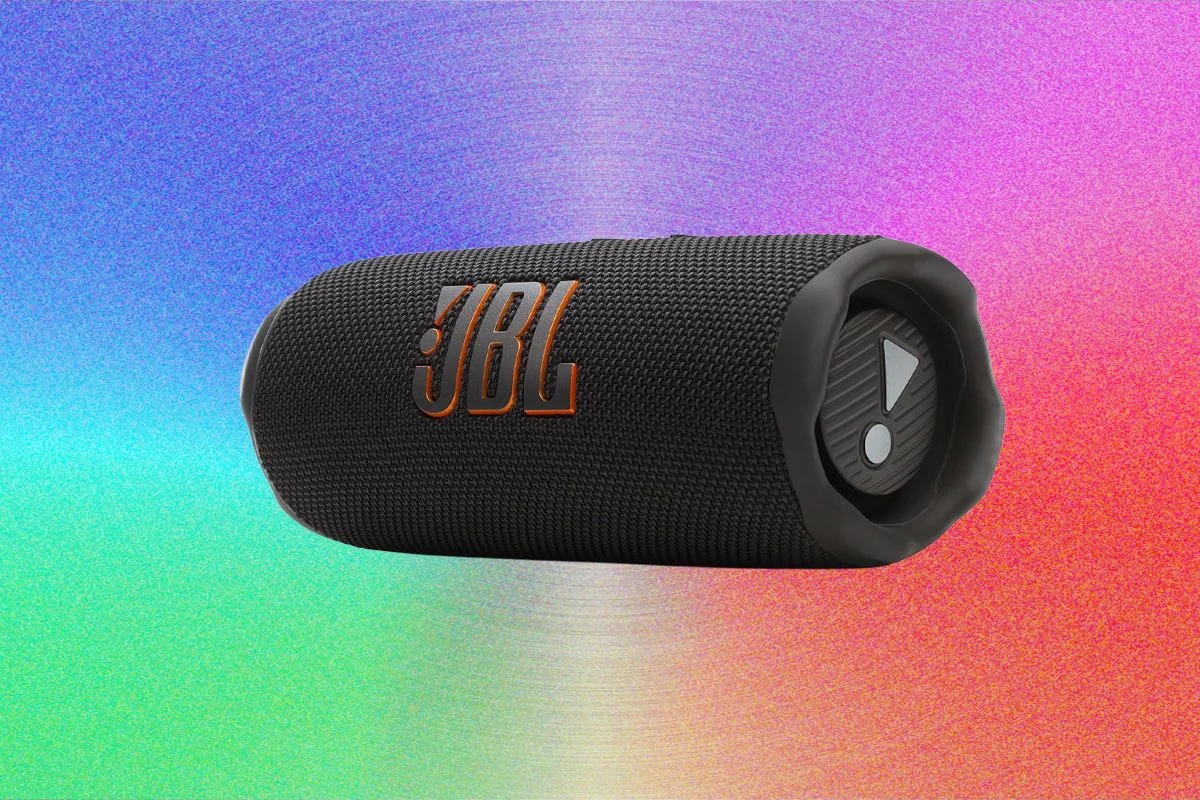
The JBL Flip 7 remains our top recommendation for the vast majority of users. It strikes the perfect balance between portability and acoustic performance. It is small enough to throw in a backpack, yet large enough to provide a soundstage with genuine depth, clear vocals, and refined bass. With an IP68 dust and water resistance rating, it is built to survive the elements. Furthermore, its ability to handle 24-bit/96kHz lossless audio via USB-C makes it a rare find for those who refuse to compromise on fidelity at this price point.

The Smart Choice: Sonos Play ($450)
For those already invested in the Sonos ecosystem, the Sonos Play is the definitive choice. It functions as a seamless part of a home audio system when stationary, utilizing Wi-Fi for multi-room playback, voice control, and automatic Trueplay tuning. However, the moment you unplug it, it transforms into a high-powered Bluetooth speaker with 24 hours of battery life and IP67 protection. It effectively bridges the gap between home hi-fi and portable convenience.
The Budget Champion: JBL Go 5 ($40)
The JBL Go 5 proves that you don’t need to spend hundreds of dollars to get a great experience. It is exceptionally small—fitting easily in the palm of a hand—yet manages a 4.8-watt output that feels surprisingly robust. With Bluetooth 6.0, Auracast capabilities, and a 7-band EQ app, it punches well above its weight class. It is the ideal "grab-and-go" speaker for students, commuters, or anyone who needs decent audio without the bulk.
The Powerhouse: Marshall Kilburn III ($350)
For those who value aesthetics as much as output, the Marshall Kilburn III is the answer. Moving beyond the "gimmick" stage, this unit offers 50 watts of power and an incredible 50-hour battery life. Its 360-degree sound projection ensures that it doesn’t just sound loud—it sounds immersive. The tactile experience of its knurled metal knobs and leather-wrapped aesthetic makes it a centerpiece, not just a gadget.
For the Audiophile: KEF Muo ($250)
If your primary concern is sound quality, the KEF Muo is a compact hi-fi component in a portable body. Its seamless aluminum housing and advanced racetrack-shaped drivers provide a level of clarity and detail that few competitors can match. It is the perfect choice for someone who wants to sit down and listen to a high-resolution playlist rather than just having background noise at a party.
The Party Starter: LG Xboom Stage 501 ($500)
When the occasion demands more than just music—when you need a full-blown event atmosphere—the LG Xboom Stage 501 is the industry leader. Developed in collaboration with will.i.am, this 25.8-pound beast offers 160 watts of power on battery (and up to 220 watts plugged in). It features integrated karaoke, synchronized LED lighting, and a surprisingly nuanced sound profile that maintains clarity even at lower volumes.
Rigorous Testing Standards
To ensure these recommendations hold up in the real world, our testing process is exhaustive. We subject every speaker to:

- High-Resolution Listening: Testing across diverse genres using lossless files (Qobuz/Tidal) versus standard streams (Spotify) to gauge clarity and distortion limits.
- Durability Trials: We don’t just read the specs; we test the IP ratings in real-world scenarios, from poolside splashes to dust-heavy environments.
- Battery Verification: Manufacturers often exaggerate battery life. We time the discharge of every unit from 100% to 0% to provide accurate, real-world data.
- Connectivity Analysis: We evaluate Bluetooth stability, app responsiveness, and the ease of pairing across multiple devices.
Factors to Consider Before Buying
When selecting a speaker, the "one size fits all" approach rarely works. Consider these three pillars before finalizing your purchase:
- Usage Case: Are you looking for a speaker for your desk, or one to take to the beach? Smaller speakers are perfect for travel, but larger boomboxes provide the scale required for outdoor gatherings.
- Battery Longevity: If you are a traveler, prioritize units with 24+ hour battery life. Furthermore, look for speakers that offer "reverse charging," allowing you to use the speaker’s internal battery to charge your phone in an emergency.
- Ecosystem Compatibility: If you already own smart home devices (Sonos, Google Home, Apple Home), look for speakers that integrate into your existing app infrastructure to ensure seamless transitions between rooms.
Implications for the Industry
The shift toward 24-bit audio and advanced wireless protocols like Auracast signifies that Bluetooth is no longer a "lossy" format. Manufacturers are now designing speakers that compete directly with wired bookshelf systems. This creates an interesting tension: as speakers become more durable and capable, the distinction between "indoor" and "outdoor" audio is vanishing.
However, consumers should be wary of the "feature creep" that leads to bloated apps. While EQ and lighting are fun, the fundamental requirement remains high-quality, reliable sound. As we look toward the future, the integration of AI-driven room correction—similar to Sonos’s Trueplay—will likely become a standard expectation rather than a luxury feature.
Conclusion
Whether you are a budget-conscious student, an audiophile on the move, or someone looking to host the neighborhood’s biggest party, the market in 2026 has a tailor-made solution. The JBL Flip 7 remains the most well-rounded device for the average user, while specialized options like the LG Xboom Stage 501 or the KEF Muo satisfy the extreme ends of the spectrum.
When you make your choice, prioritize the specific environment in which you will spend the most time listening. Technology has come a long way since the original Jambox, and your ears—and your music—deserve the upgrade.
Disclaimer: This guide contains affiliate links. When you purchase through our links, we may earn a commission, which helps support our in-depth, independent testing process.