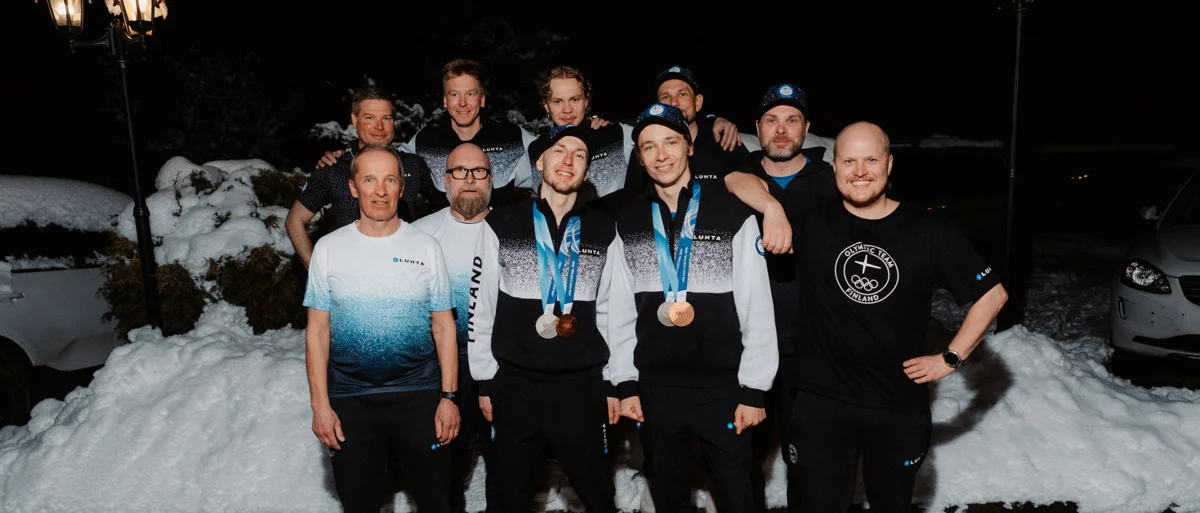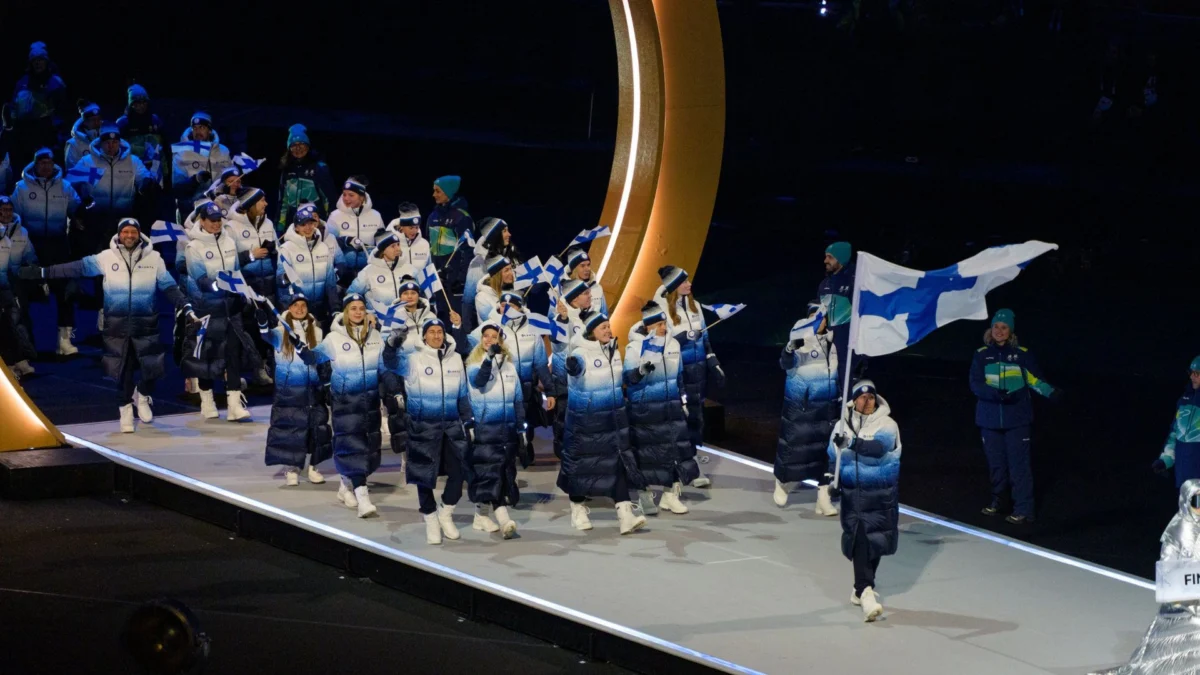
In the landscape of Finnish sports, few entities command the universal respect and widespread emotional investment of the Finnish Olympic Team. As the world turns its gaze toward the Milano-Cortina 2026 Winter Olympic Games, a fresh study has reaffirmed what many have long suspected: the Olympic team is not merely a collection of athletes, but a unifying cultural pillar that resonates with millions across the country.
According to the latest Sponsor Navigator 2026 report, published by Sponsor Insight Finland, the Finnish Olympic Team has once again secured the top spot as the most interesting and engaging sports collective in the nation. With over 2.15 million adult Finns identifying themselves as interested in the team’s journey, the Olympic brand has solidified its status as a cornerstone of Finnish national identity.
Main Facts: A Consistent Champion of Public Interest
The Sponsor Navigator study, which has been tracking Finnish sentiment toward sports and cultural entities for 21 years, offers a comprehensive look at what makes the Finnish public tick. The 2026 findings are clear: the Olympic Team is the undisputed leader in public interest.
Klaus Virkkunen, Research Director at Sponsor Insight Finland, emphasizes that this is not a one-off achievement. The Olympic team frequently tops the list, particularly during the years surrounding Olympic cycles. "The Olympic Games are such a massive phenomenon that they touch almost every Finn in one way or another," Virkkunen says. "It is entirely understandable that the Olympic team holds such a high value of interest. Both summer and winter Olympic years naturally boost the team’s standing, but there is also a deeper, structural reason for this dominance."
The study reveals that the team’s appeal is bolstered by the high profile of the individual sports and national teams that comprise it. When a Finnish athlete succeeds in a World Cup or World Championship, that interest ripples outward, lifting the entire Olympic brand.
Chronology of Influence: From Local Heroes to Global Icons
The journey of the Finnish Olympic Team is marked by a steady evolution in how it interacts with the public. While the Olympic movement has always been respected in Finland, the digital age and the rise of social media have transformed the team from a biennial event-based interest into a year-round presence.
The Foundation of Trust
Historically, the Finnish Olympic team has benefited from a "trust dividend." Unlike commercial sports franchises, the Olympic team is viewed as a representative body—an embodiment of Finnish values, perseverance (the uniquely Finnish concept of sisu), and fair play.
The Lead-Up to 2026
In the years leading up to the Milano-Cortina 2026 Games, the strategic focus has been on "accessibility." The Finnish Olympic Committee has worked to bridge the gap between elite performance and everyday exercise. By showcasing the human side of athletes—their struggles, their training regimens, and their personal growth—the committee has successfully humanized the Olympic machine. This strategy has clearly paid off, with interest levels peaking just as the team prepares for the Italian stage.
Supporting Data: Understanding the 2.15 Million Fans
The Sponsor Navigator 2026 is not merely an opinion poll; it is a sophisticated demographic analysis. The study surveyed over 3,100 Finns aged 18 and older, ensuring a representative sample that mirrors the national population in terms of age, gender, and socio-economic status.
Demographic Breadth
One of the most striking findings is the democratic nature of the interest. The 2.15 million fans are not concentrated in any single pocket of the country or any specific demographic.
- Geographic reach: Interest is evenly spread from the southern urban centers to the northern regions.
- Gender balance: The data shows near-equal interest among men and women, debunking the myth that interest in the Olympics is skewed toward a specific gender.
- Socio-economic inclusion: The appeal crosses all educational and income backgrounds, positioning the team as a true "people’s team."
The study compared a total of 62 different sports and cultural entities, further highlighting that in a competitive landscape filled with professional hockey, football, and individual cultural icons, the Olympic team’s "big tent" approach remains the most effective.
Official Responses: Defining the "People’s Team"
Timo Ronkainen, CEO of Suomen Olympiakomitea Markkinointi Oy, views these numbers not as a corporate victory, but as a testament to the relationship between the athletes and the public.
"The Olympic team is the team of the entire nation," Ronkainen stated in response to the report. "Multi-sport events, combined with the presence of spectacular athletes, bring joy and unforgettable moments to millions of Finns. It is heartening to see that this interest is not tied to a single sport or a single star, but to the collective effort of the entire Olympic movement."
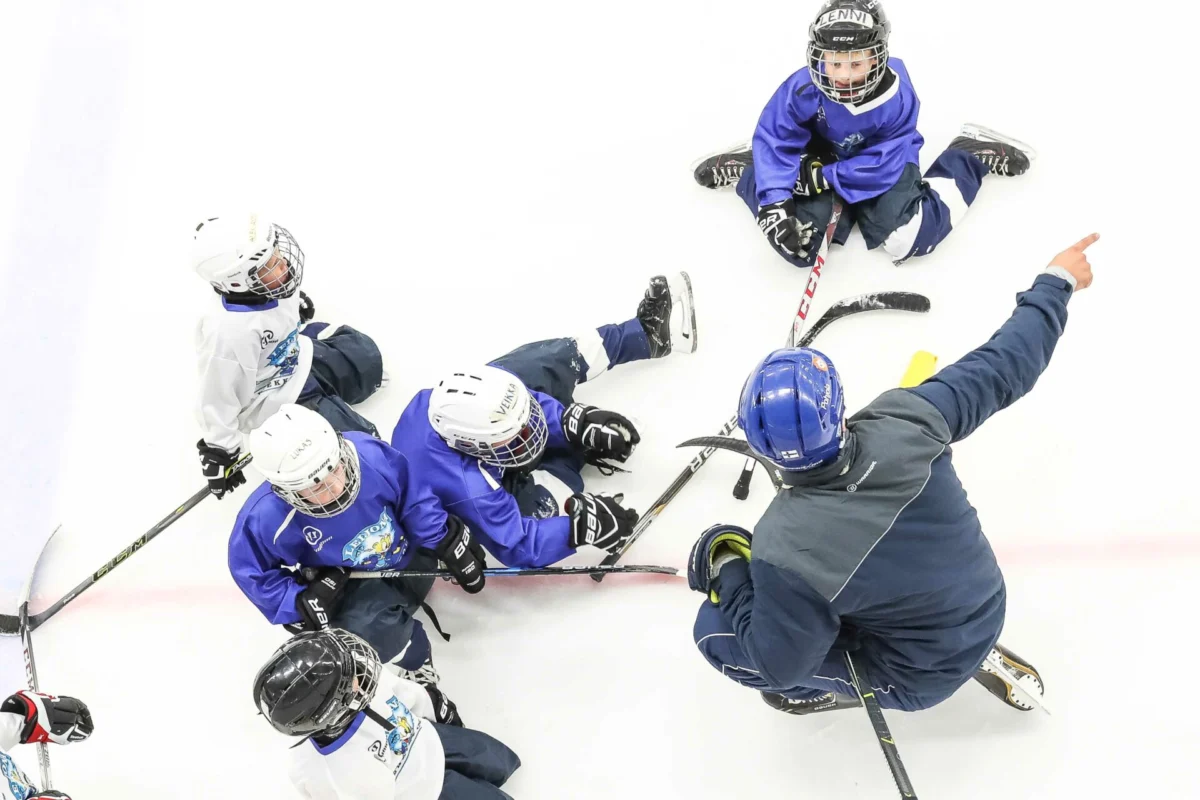
Ronkainen also pointed to the recent Olympiapäivä (Olympic Day) event, which saw the Helsinki Olympic Stadium filled with children and young people. "Seeing the joy of movement in our youth is a stark reminder of why we do what we do. These children don’t just watch the games; they are inspired by the role models they see on the track, the ice, and the field. The impact of these athletes goes far beyond the medal count; it touches the very fabric of our society and encourages a healthier, more active generation."
Implications: The Future of the Olympic Brand in Finland
The high interest levels identified in the 2026 study have significant implications for the future of sports marketing and societal health in Finland.
1. The Role of the Athlete as a Role Model
The study suggests that the Finnish public is increasingly looking for "wholesome" icons. As the media landscape becomes more fragmented, the Olympic team provides a rare, unified narrative. Athletes who participate in the Olympic games are viewed as ambassadors for their sports, and their behavior under the global spotlight has a direct impact on youth participation rates in grassroots sports.
2. Economic and Cultural Sustainability
For stakeholders and sponsors, the data provides a clear signal: the Olympic team is the most effective platform for reaching the Finnish public. However, the report also suggests that this influence must be managed responsibly. The "interest" is predicated on the idea that the team represents the best of Finland. Any deviation from these perceived values could have a disproportionate impact on the brand’s standing.
3. Bridging the Gap to Youth
While the Sponsor Navigator study focuses on the adult population, the implications for youth are clear. The Olympic Committee’s strategy of integrating the Olympic brand with local sports participation events is creating a cycle of interest. By keeping the team relevant to the 18+ demographic, the committee ensures that the "Olympic Dream" remains a aspirational goal for the next generation of Finnish children.
4. Beyond the Medals
Perhaps the most profound implication of the 2026 report is the realization that the Finnish public is interested in the process of being an athlete, not just the outcome of a race. The focus on the "journey"—the training, the qualifying events, and the emotional toll of professional sports—has created a deeper connection with fans. In 2026, the success of the Finnish Olympic team will not be measured solely by the number of medals brought home from Italy, but by the continued engagement of the 2.15 million Finns who view the team as a reflection of their own national spirit.
Conclusion: A Unifying Force
As the world prepares for the 2026 Milano-Cortina Winter Games, the Finnish Olympic Team stands on solid ground. With the backing of a nation and a brand that has proven its resilience and relevance over two decades, the team is poised to once again capture the hearts of the public.
The Sponsor Navigator 2026 serves as a powerful reminder that in an increasingly complex world, the simplest values—hard work, national unity, and the joy of movement—are the ones that matter most. The Finnish Olympic Team is not just a group of athletes competing on ice and snow; it is a living, breathing connection between the elite world of international sport and the daily lives of millions of Finns. As we look toward 2026, one thing is certain: the eyes of the nation will be fixed on the Olympic rings, and for a few weeks in the winter, the country will move as one.