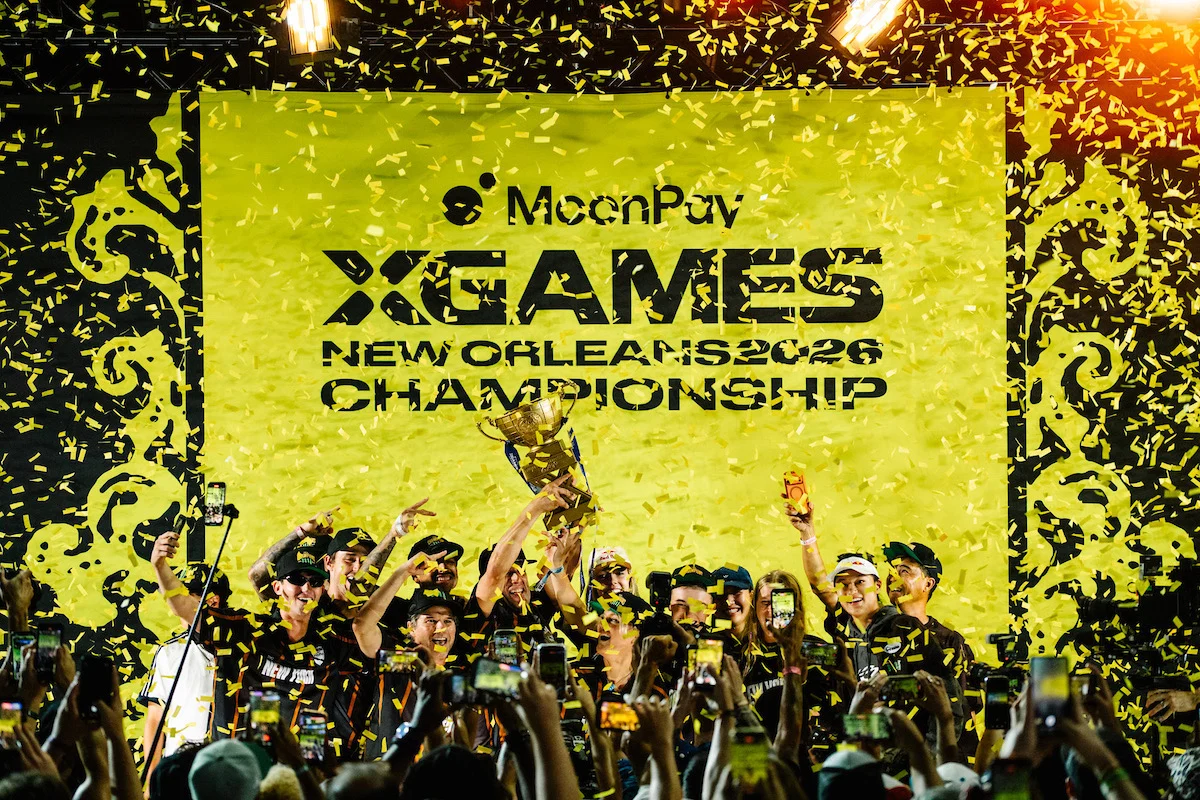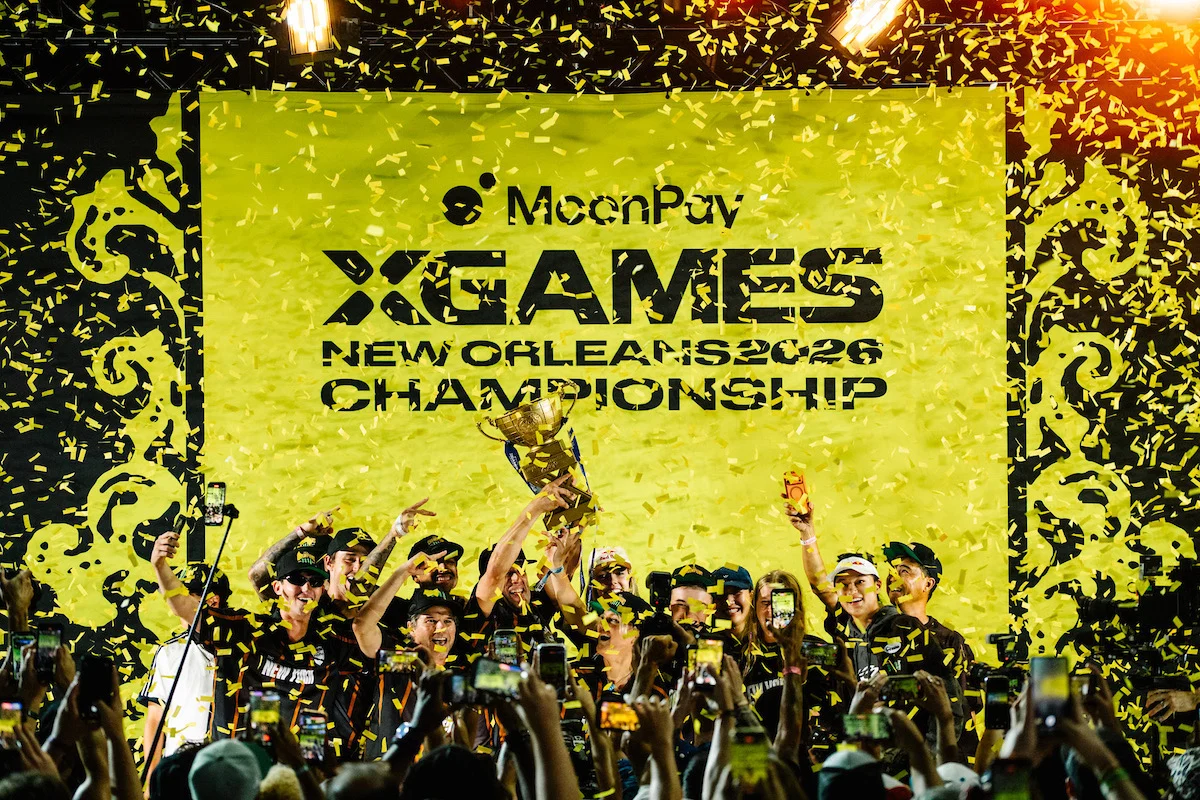
The inaugural MoonPay X Games Sacramento 2026 reached its crescendo this past Sunday at Cal Expo, signaling a seismic shift in the world of professional action sports. Over three days, the event—which served as the launchpad for the revolutionary MoonPay X Games League—transformed Sacramento into a global epicenter for BMX and skateboarding. With the introduction of city-based clubs—Los Angeles, New York, São Paulo, and Tokyo—the event successfully blended individual prestige with team-based stakes, drawing massive, electric crowds and showcasing a level of athletic progression rarely seen in a single weekend.
Nearly 100 of the world’s most elite athletes from 17 different countries converged on the grounds, delivering a flurry of record-breaking performances and never-before-seen tricks that pushed the boundaries of physics. As the dust settled on Sunday evening, eight final gold medals had been awarded, cementing the reputations of veterans and introducing the world to a new generation of teenage prodigies who are rapidly redefining the sport.
The Dawn of the X Games League: A Structural Transformation
The shift to a league format marks the most significant evolution in X Games history. By moving toward a model featuring permanent, city-affiliated clubs, organizers have introduced a layer of tactical competition and collective accountability that was previously absent from the individual-focused nature of X Games.
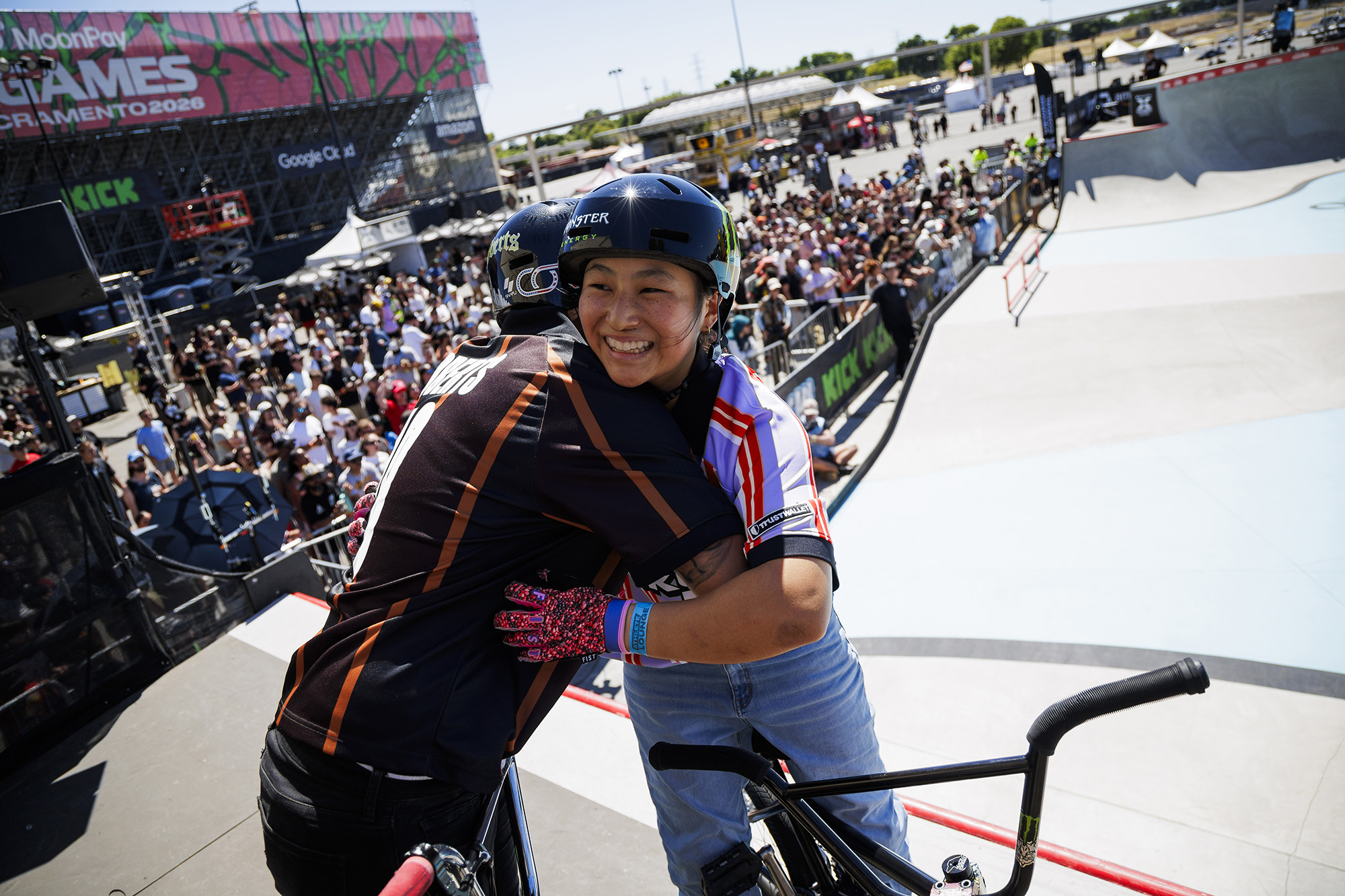
"The energy at Cal Expo this weekend was palpable," noted a league official. "By moving toward this team-based structure, we aren’t just celebrating individual greatness; we are creating a narrative arc that continues from one city to the next. The rivalry between clubs like Tokyo and Los Angeles is already becoming the backbone of our season."
This structural change has already begun to influence athlete performance. With team points on the line, the "Free Agent" versus "Club Athlete" dynamic has added a layer of strategic tension, as independent riders look to prove their value to team scouts, while club-affiliated riders compete to secure their team’s standing in the overall season leaderboard.
Chronology of a Historic Sunday
Sunday served as the ultimate test of endurance and skill. The day began with a series of high-stakes finals that saw the spotlight shift between the technical precision of street skating and the raw power of vert and dirt disciplines.
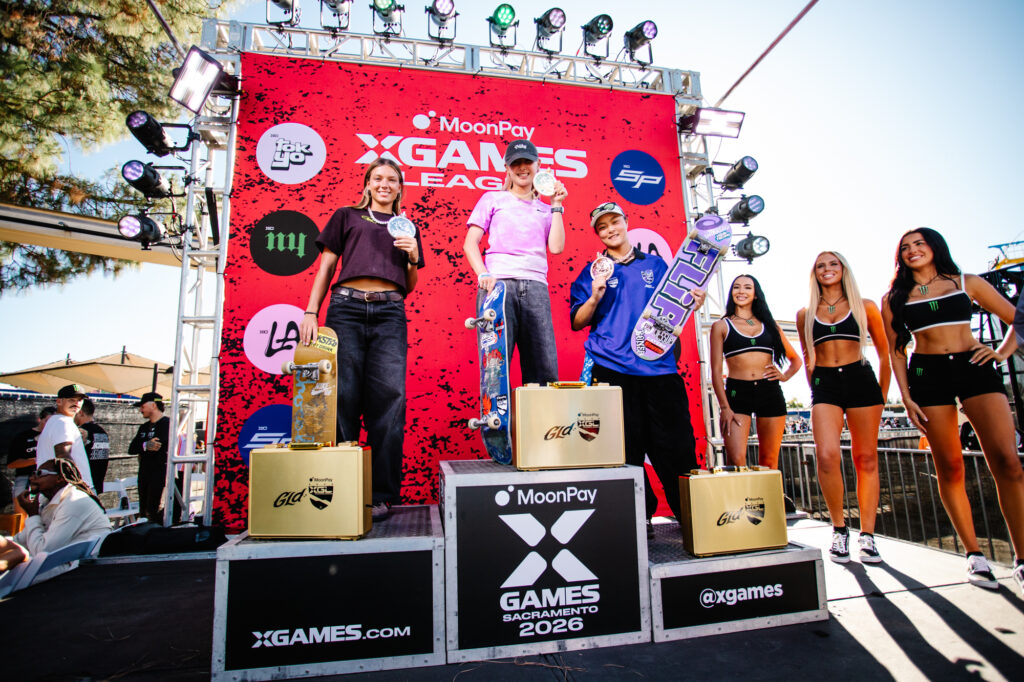
The Teenage Takeover: Women’s Skateboard Street
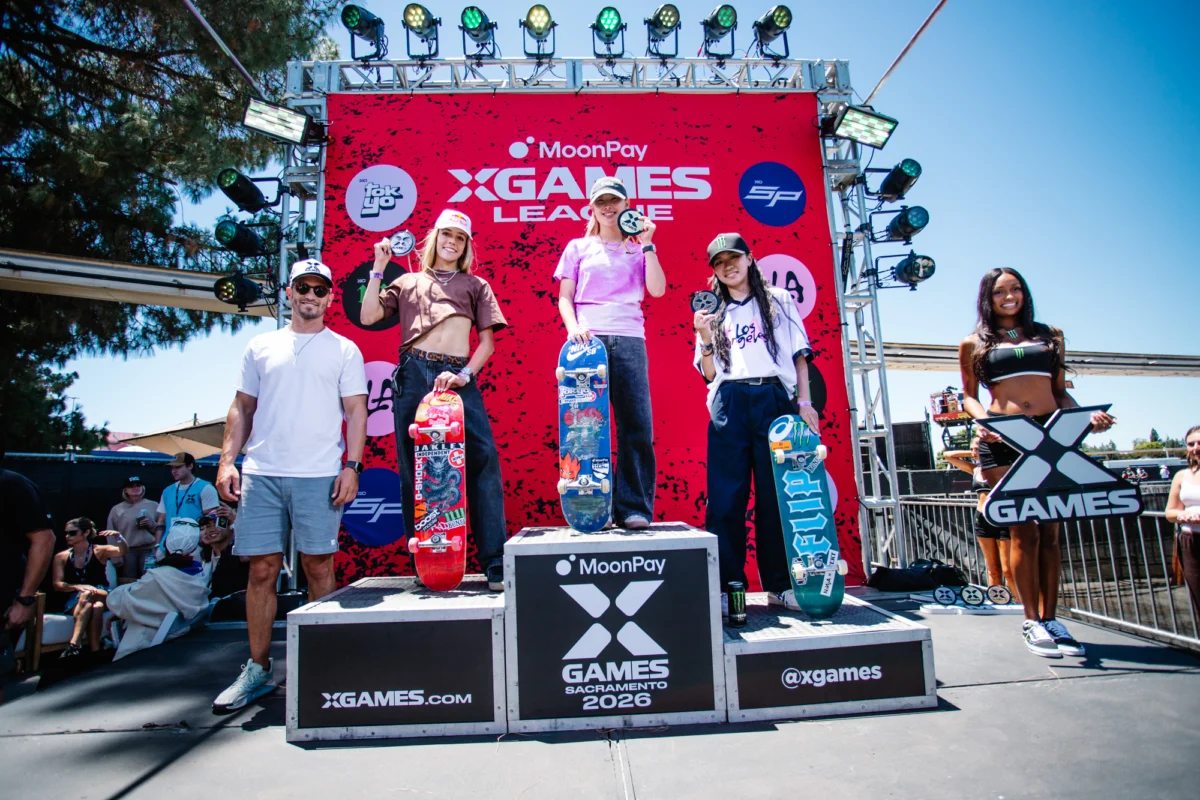
The day opened with the Women’s Skateboard Street Final, a display of technical dominance from the youth movement. Nineteen-year-old Miyu Ito (XC Tokyo) emerged as the star of the morning. Ito, a league free agent, delivered a masterclass in consistency, landing a high-difficulty run that included a frontside boardslide on the handrail and a frontside bluntslide on the A-frame rail. Her gold medal win was a testament to her technical approach, as she emphasized the importance of individual trick perfection.
She was joined on the podium by Chloe Covell (XC New York), the top draft pick of the league, who secured silver, and the resilient Liz Akama (XC Los Angeles), who made a stunning return to form after a two-year hiatus due to injury to capture bronze.
The Vert King: Gui Khury’s Unstoppable Momentum
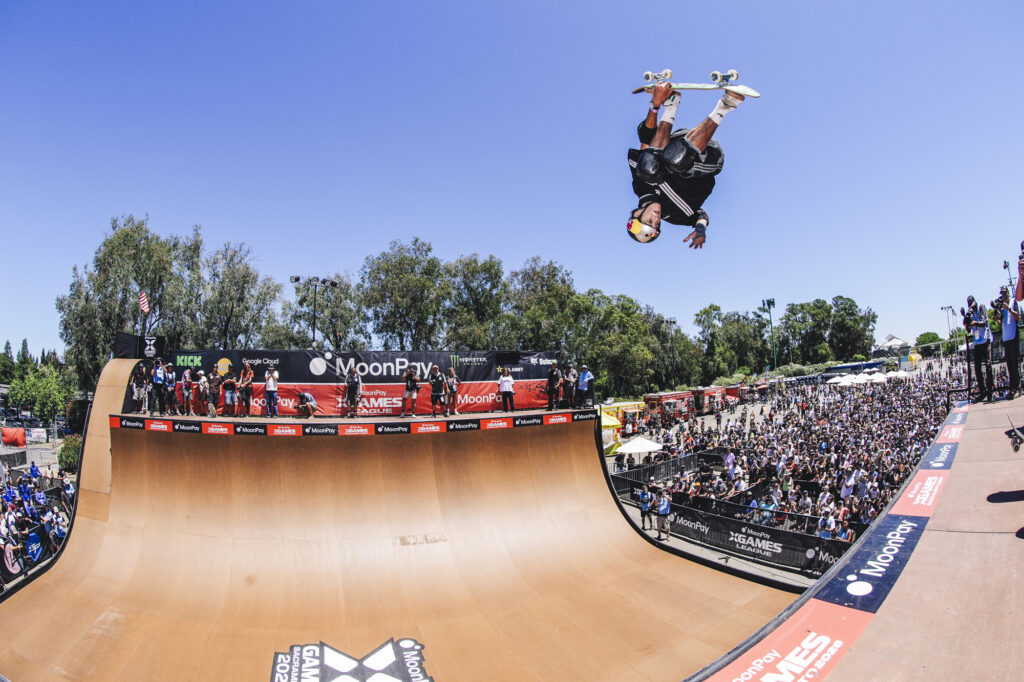
In the Men’s Skateboard Vert competition, 17-year-old Gui Khury (XC São Paulo) continued his absolute dominance. Landing a staggering array of tricks—including an alley-oop backside 540 kickflip Indy 900—Khury secured his fifth consecutive gold in the discipline. His ability to perform under pressure, particularly while being pushed by fellow prodigy JD Sanchez, solidified his status as the most decorated teenager in the history of the event.
The Legacy of Garrett Reynolds
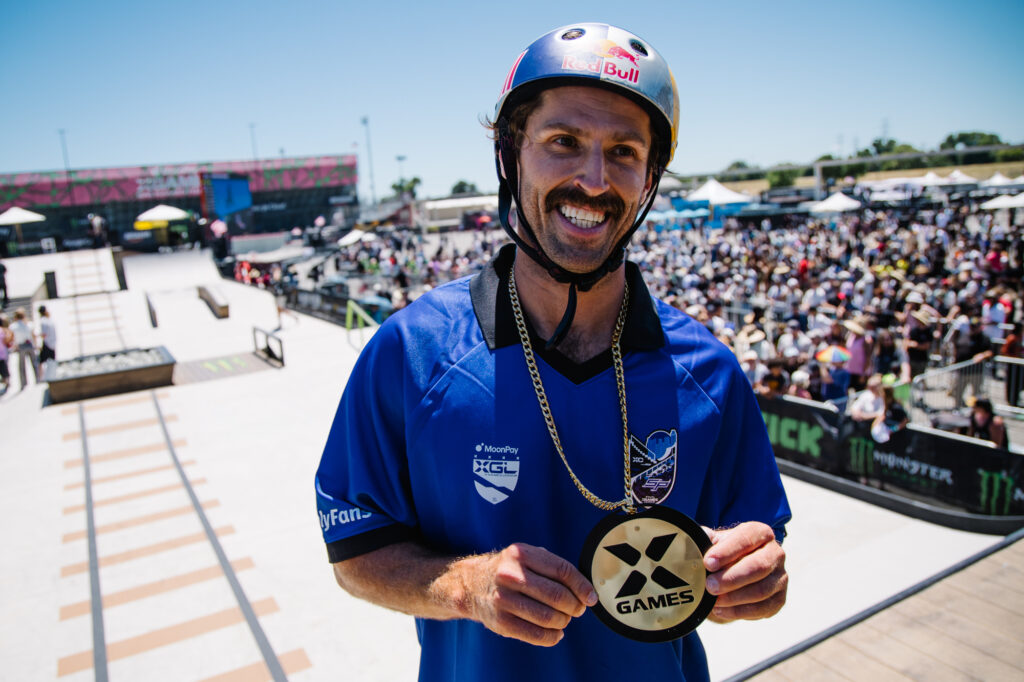
The Men’s BMX Street final provided one of the weekend’s most emotional highlights. At 35, Garrett Reynolds (XC São Paulo) proved that experience is often the greatest weapon in street riding. In his third and final run, Reynolds surged past Kevin Peraza (XC Tokyo) to claim his 17th career X Games gold medal. His run, featuring a blend of switch-tech maneuvers and massive stair-set hits, extended his legacy as the most decorated athlete in X Games history.
The Rise of Miharu Ozawa
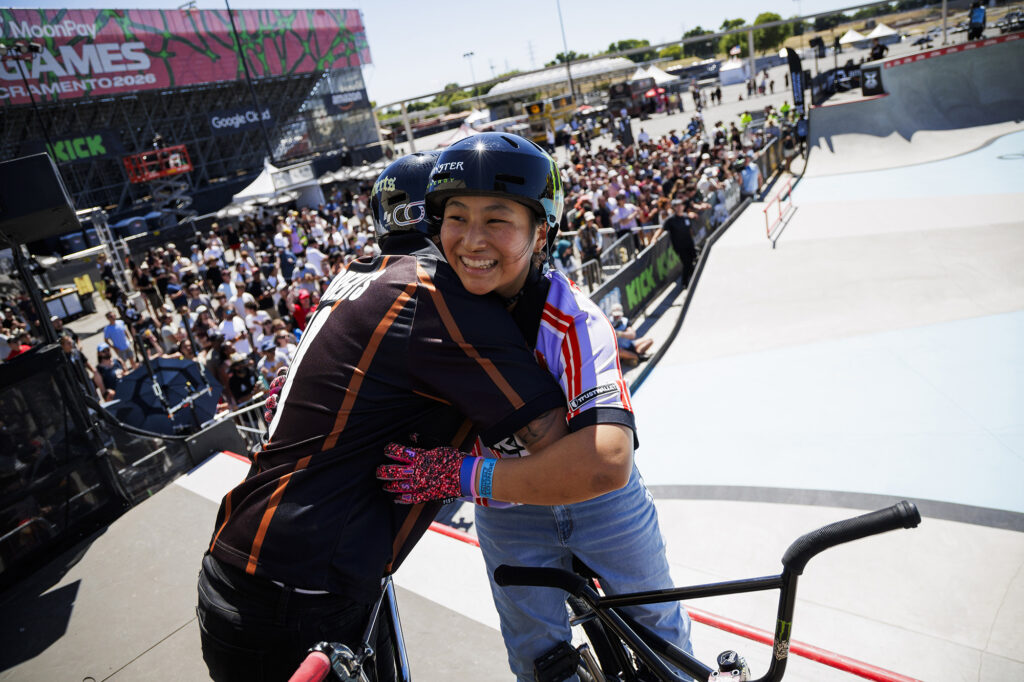
Women’s BMX Park saw a changing of the guard as 16-year-old debutant Miharu Ozawa (XC Tokyo) took the gold, narrowly edging out two-time champion Hannah Roberts (XC New York). Ozawa’s performance in her third run, scoring a 95.33, was arguably the most impressive debut in recent X Games history, signaling that the dominance of established stars is being seriously challenged by the new wave of international talent.
The Impossible Made Real: Ryan Williams
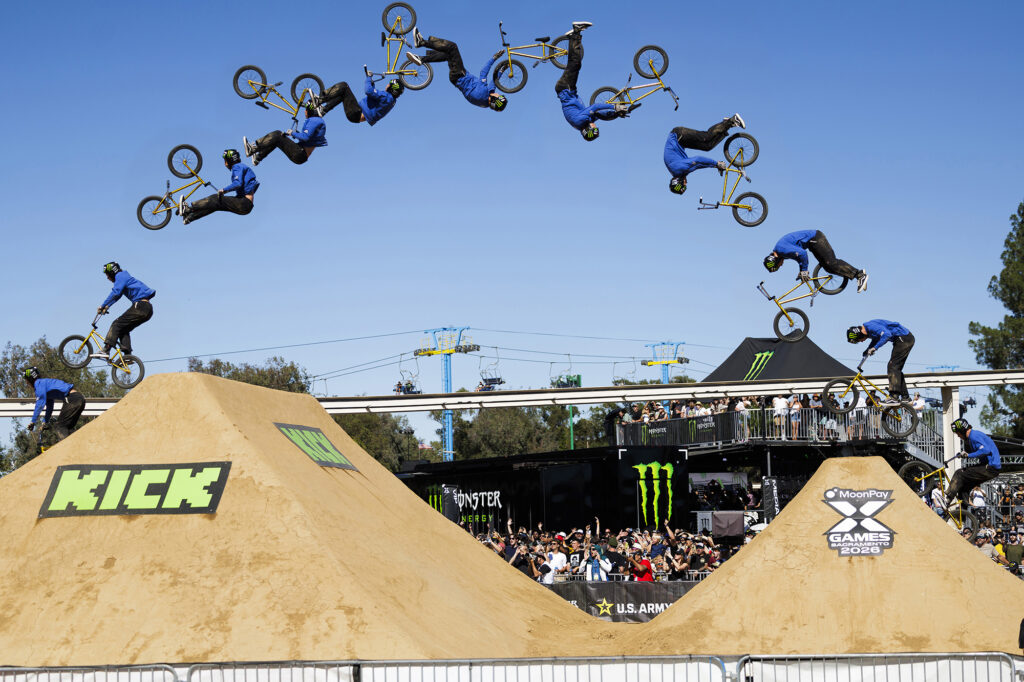
Perhaps the most breathtaking moment of the entire festival occurred during the Stake Men’s BMX Dirt Best Trick final. Australian veteran Ryan Williams (XC São Paulo) achieved what many thought impossible, landing the first-ever "frontflip cannonball nothing front bikeflip." Coming just 24 hours after he landed the first-ever 540 frontflip flair on a vert wall, Williams’ weekend will likely go down as the greatest individual performance in the history of the sport.
Supporting Data and Technical Progression
The technical progression displayed in Sacramento was unprecedented. Statistics from the judging panels indicated that the average difficulty score for podium-winning runs was 15% higher than in the 2025 season.
- Club Performance: XC São Paulo finished the Sacramento leg as the most successful team, largely driven by the dual-threat performances of Gui Khury and Ryan Williams.
- The Age Factor: The average age of gold medalists in the street and park categories was just 17.4 years, highlighting the rapid maturation of young athletes in the modern era of the sport.
- Safety and Tech: The implementation of new, high-precision motion-tracking sensors at the Cal Expo course provided fans with real-time speed and height data, adding a new analytical dimension to the broadcast.
Official Responses and Athlete Perspective
The consensus among the competitors was that the new league format brings a renewed sense of purpose to the tour.
"I was nervous with JD (Sanchez) on my heels," said Gui Khury during the post-event press conference. "But I love representing São Paulo. Having the team behind me changes the energy. It’s not just about winning for yourself anymore; it’s about the club, the fans, and the league’s future."
Garrett Reynolds echoed this sentiment, noting the specific connection between the athletes and the Sacramento crowd: "The people of Northern California are amazing. They are die-hard fans. To be able to pull off a run under that kind of pressure, in front of a crowd that understands the technicality of what we are doing—that’s what keeps me coming back."
Future Implications: The Road to New Orleans
The conclusion of the Sacramento event is merely the first act in a much larger narrative. The MoonPay X Games League now sets its sights on Japan. The second stop in Chiba, scheduled for July 4–5, will be critical. Teams will need to manage athlete fatigue and strategic lineups to ensure they remain in contention for the grand finale.
The ultimate destination is the Caesars Superdome in New Orleans on July 24–26. With a $500,000 team prize purse on the line, the stakes for the Championship are astronomically higher than any previous X Games event. The pressure will be on clubs to maintain their momentum while dealing with the travel demands of an international circuit.
As the X Games League moves forward, it faces the challenge of maintaining the grass-roots, rebellious spirit of action sports while operating within a professionalized, team-centric framework. Based on the turnout in Sacramento and the sheer level of athletic progression on display, the foundation for this new era is incredibly strong. Whether the new clubs can foster long-term fan loyalty will be the next major test, but if the talent in Sacramento is any indication, the sport is healthier and more exciting than ever before.
The stage is set for Chiba, and the race for the inaugural MoonPay X Games League championship has officially begun.