
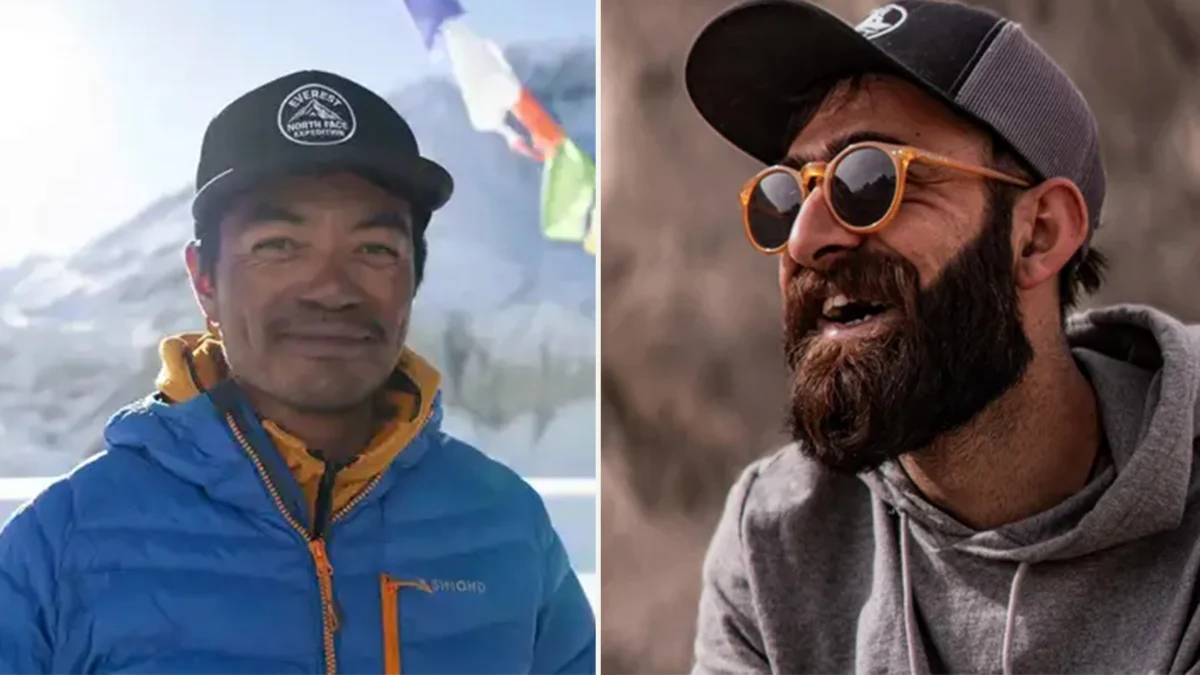
On July 30, 2026, the high-altitude mountaineering community was plunged into mourning following a catastrophic avalanche on Pakistan’s Broad Peak. The slide, which occurred as multiple commercial expeditions were navigating the 8,051-meter giant, claimed the lives of 10 climbers. Among the victims were five Sherpas and one Pakistani guide—the very backbone of the high-altitude industry—whose deaths have once again laid bare the stark inequities and inherent risks faced by those who facilitate the world’s most elite climbing achievements.
As the mountain remains volatile and recovery efforts for several victims remain stalled, a significant humanitarian mission has begun. The Juniper Fund, a nonprofit dedicated to supporting the families of deceased Himalayan mountain workers, has launched an urgent appeal to provide long-term stability for the grieving relatives left in the wake of this disaster.
The Human Cost: A Chronology of the Disaster
The tragedy on Broad Peak did not occur in a vacuum; it was the result of a sudden, violent atmospheric shift that caught seasoned professionals off guard.
July 30: The Avalanche
In the early hours of July 30, a massive snowpack failure swept through a section of the mountain currently being utilized by several expedition teams. The scale of the event was described by witnesses as unprecedented for that specific sector of the climb. Among those on the mountain were high-profile figures, including legendary mountaineer Nirmal "Nims" Purja of Elite Exped, alongside international climbers such as Wang Zhong of China, Mallory Geis of the U.S., and Nadhira Ahmed Abdullah Al Harthy of Oman.
While the international media quickly focused on the presence of world-renowned athletes, the grim reality of the death toll quickly shifted to the mountain workers who were performing the heavy lifting of the expeditions. Five Sherpas—Kilu (Kili Pemba) Sherpa, Yukta (Pur Bahadur) Gurung, Nima Sherpa, Gyalu Sherpa, and Nawang Thendu Sherpa—perished alongside Sohail Sakhi, a respected Pakistani guide and member of the Epic Expeditions team.
The Immediate Aftermath
Following the avalanche, search and rescue operations were hampered by the extreme instability of the terrain. The mountain, which continues to pose a threat to any rescue crews, has forced a temporary suspension of recovery efforts for some of the fallen. This uncertainty has left the families in a state of suspended grief, unable to perform traditional rites or find closure while their loved ones remain on the slopes of the 12th-highest mountain in the world.
The Silent Pillars of Mountaineering
To understand the weight of this loss, one must understand the professional landscape of the Karakoram and the Himalayas. For a century, the Sherpa people have been the indispensable engine of high-altitude mountaineering. Their physiological adaptation to thin air, combined with an unparalleled mastery of technical rope work and route setting, has made the commercial success of modern expeditions possible.
A Disproportionate Risk
The statistical reality of this profession is harrowing. Research indicates that of the 290 fatalities on Mount Everest since 1905, nearly one-third (94) were Sherpa climbers. These individuals are not merely "guides" in the recreational sense; they are specialized laborers who assume the most dangerous tasks—carrying heavy oxygen tanks, fixing ropes through icefalls, and scouting for avalanche risk—often at the behest of foreign clients paying six-figure sums for the experience.
The death of these five Sherpas and their Pakistani colleague, Sohail Sakhi, represents a total collapse of support for the households they sustained. In many cases, these men were the sole breadwinners in economies where high-altitude labor is one of the few avenues for significant income. Their passing leaves behind widows, children, and elderly parents who lack a social safety net to replace the lost income.
The Juniper Fund: A Commitment to Long-Term Stability
In the wake of the disaster, The Juniper Fund has emerged as the primary vehicle for aid. Unlike one-time crowdfunding campaigns that offer immediate, fleeting cash, The Juniper Fund focuses on a five-year model designed to provide lasting financial, vocational, and emotional support.

The $120,000 Mission
The organization has set an ambitious goal of raising $120,000. The objective is to provide each of the six families with $4,000 annually for five years. This capital is intended to bridge the gap during the transition period, allowing families to pursue vocational training, fund the education of the victims’ children, or start small, sustainable businesses.
"For more than a decade, the Juniper Fund has stood beside Himalayan mountain worker families during their most difficult moments," the organization stated in their campaign launch. "Now, the organization is extending that commitment to the families affected by Broad Peak, helping them rebuild their lives with dignity and stability."
Despite the urgency, the campaign is currently only halfway to its target. The organization emphasizes that their work is not just about writing a check; it is about building a community of support that prevents widows and children from falling into extreme poverty—a common occurrence for the families of fallen mountain workers in Nepal and Pakistan.
Broader Implications: Is the Industry Sustainable?
The Broad Peak disaster has ignited a fierce debate regarding the ethics of the modern "summit industry." As demand for commercial expeditions to the world’s 8,000-meter peaks grows, so too does the pressure on local mountain workers to operate in increasingly dangerous windows to satisfy client itineraries.
The Economic Divide
The economic disparity between the clients and the workers remains a point of contention. While expeditions generate millions of dollars in revenue, the safety standards and insurance coverage for local staff often remain minimal. Critics of the current industry structure argue that the risk-to-reward ratio is fundamentally broken. When a high-altitude worker loses their life, the expedition company often moves on to the next season, while the family is left to navigate a permanent loss of livelihood without institutional compensation.
Future Industry Standards
The tragedy has prompted calls for:
- Mandatory Insurance Reform: Requiring high-altitude operators to provide life insurance policies that cover the full cost of a family’s lost income over a significant period.
- Improved Safety Protocols: A re-evaluation of how, and when, teams are allowed to push for summits during periods of high avalanche risk, with increased autonomy for Sherpa and local guides to call off expeditions.
- Institutionalized Support: Shifting the burden of care from charities like The Juniper Fund to the operators themselves, ensuring that the cost of death is calculated into the cost of the expedition.
Conclusion: A Call to Action
The five Sherpas and the one Pakistani guide who died on Broad Peak were more than names on a casualty list. They were fathers, sons, and brothers who fueled the dreams of others at the cost of their own lives. As the mountaineering community grapples with the worst alpine disaster in a decade, the focus must remain on the families left behind.
The Juniper Fund’s ongoing efforts highlight a vital truth: the prestige of a summit is fleeting, but the impact of a loss is permanent. Supporting these families is not merely an act of charity; it is an acknowledgement of the debt the global mountaineering community owes to those who make the "impossible" possible.
For those interested in contributing to the relief efforts, donations can be made directly via The Juniper Fund’s official crowdfunding portal. As the industry looks toward the future, the memory of the Broad Peak six will serve as a somber reminder of the human cost hidden beneath the snow.