By Editorial Staff | August 12, 2026
In an era defined by political polarization and fiscal debate, Missourians recently achieved a rare moment of near-unanimous consensus. Last week, voters across the state went to the polls to decide the fate of a critical piece of legislation: the "Parks, Soils and Water Sales Tax." The result was a resounding confirmation of the state’s commitment to its natural heritage, with 82% of the electorate voting to maintain the 0.1% sales tax that serves as the lifeblood of Missouri’s outdoor recreation system.
This mandate does more than simply keep the lights on in visitor centers; it provides the essential capital required to finalize the development of long-dormant state parks, revitalize aging infrastructure, and solidify the state’s position as a national leader in accessible public lands.
The Foundation: A Decade-Long Commitment
First established in 1984, the Parks, Soils and Water Sales Tax is a masterclass in civic sustainability. Designed as a modest 0.1% levy, it is structured to ensure that public lands are not subject to the whims of annual legislative budget battles. Instead, the funding is constitutional, requiring a voter check-in every ten years to ensure transparency and public accountability.
The tax generates roughly $168 million every cycle, covering approximately 75% of the Missouri State Parks system’s $68 million annual operating budget. This financial model has allowed Missouri to remain one of only eight states in the nation that provides free day-use access to its state parks and historic sites. By removing the financial barrier to entry, the state has effectively democratized the outdoors, ensuring that the health and recreational benefits of nature remain accessible to all residents, regardless of socioeconomic status.
Chronology of a Decade-Long Standoff
The path to this recent victory has been marked by patience and, at times, frustration. Two of the most anticipated additions to the state’s inventory—Eleven Point State Park and Shepherd of the Hills State Park—have been in a state of suspended animation for exactly one decade.
- 2016: The Missouri Department of Natural Resources (MDNR) first announced the acquisition of these lands, citing their exceptional ecological and cultural value.
- 2016–2025: Despite the initial purchase, the parks remained closed to the general public. Development was stalled due to shifting fiscal priorities and the need for long-term operational funding assurances. During this period, the land was managed for conservation, but the public remained locked out, unable to access the trails, waterways, or historic sites within the boundaries.
- August 2026: With the renewal of the sales tax, the funding bottleneck has been cleared. The MDNR has officially signaled that the ten-year wait is over, moving these projects from the "planning" phase to the "development" phase.
The New Frontier: Expanding the Map
The release of funds paves the way for the opening of two distinct landscapes that showcase the diversity of Missouri’s geography.

Eleven Point State Park
Located in the rugged, forested terrain of the Ozark Mountains in southern Missouri, this 4,167-acre site is a crown jewel of the state’s acquisition program. The park’s centerpiece is a six-mile stretch of the Eleven Point River—a federally designated Wild and Scenic River. For anglers, paddlers, and hikers, this location represents an unparalleled opportunity to experience one of the most pristine river corridors in the Midwest.
Shepherd of the Hills State Park
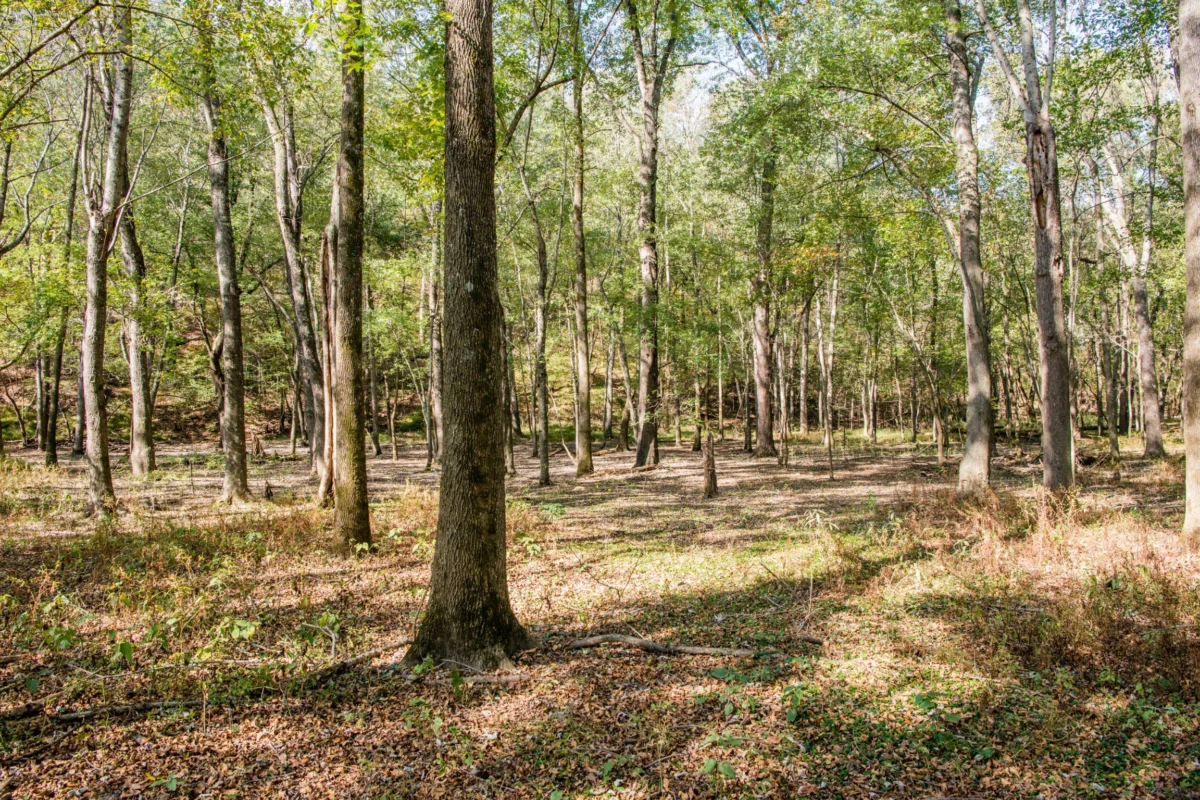
Located less than ten miles from the bustling tourism hub of Branson, this 1,011-acre park offers a different experience. Characterized by rolling hills, wildflower-rich meadows, and dense hardwood forests, it serves as an essential green buffer near one of the state’s most visited regions. The park is designed to offer a tranquil escape from the commercial intensity of the Ozarks’ tourism corridor, providing a necessary contrast to the nearby urbanized sprawl.
Economic Vitality and Public Health
The support for this tax is not merely sentimental; it is rooted in cold, hard data. According to a 2026 economic impact study conducted by the MDNR, the state park system is a primary engine of regional economic growth. In 2025 alone, the system contributed $768 million to Missouri’s GDP.
The economic ripple effect is significant. The park system supports over 10,000 jobs across the state, generating $455 million in labor income. These parks act as magnets for regional tourism, bringing visitors into small towns, fueling the demand for outdoor gear, and supporting hospitality businesses in rural counties that often lack other major industries.
Furthermore, the social value is immeasurable. Last year, the system recorded 19.1 million visitors. With 91% of those visitors being Missouri residents, the parks serve as the state’s "backyard," fostering a culture of health and active living. In an era where sedentary lifestyles and digital exhaustion are common, the state’s investment in free, accessible nature is a public health strategy as much as it is an environmental one.
Official Responses and Future Outlook
The overwhelming 82% approval rating sent a clear message to state officials: the people of Missouri view their state parks as a non-negotiable public good.
MDNR Director Kurt Schaefer expressed gratitude in the wake of the vote, acknowledging that the public’s confidence is a mandate to act. "We are very honored that Missouri voters demonstrated their confidence in the Missouri Department of Natural Resources to protect their state parks, historic sites, water quality, and soil resources," Schaefer stated.

Schaefer emphasized that the department is already looking beyond the immediate opening of the two long-awaited parks. "Now that we have the assurance to move forward to completion, we are setting our sights on the next 10 years. Our vision is a future where Missouri’s natural and cultural resources only continue to improve."
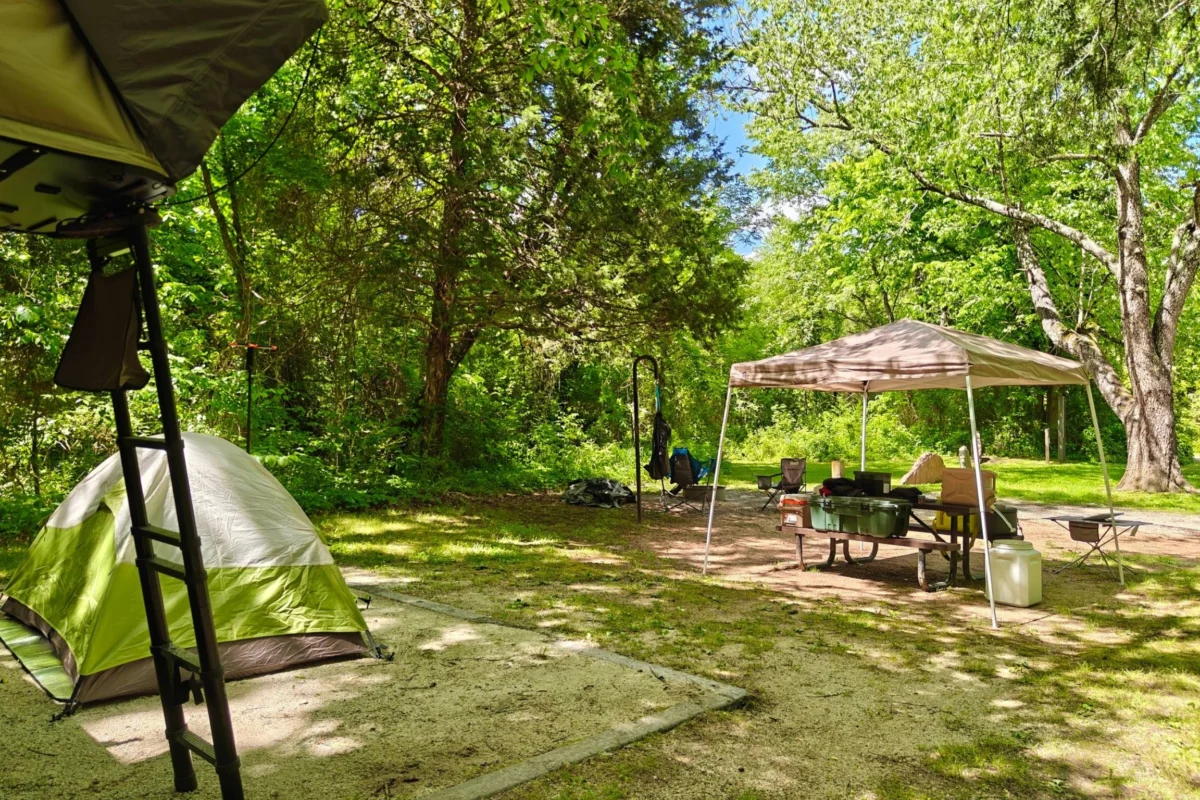
The department has already earmarked $15 million specifically for the modernization of infrastructure within the existing 57 state parks and 36 historic sites. This includes upgrading aging campground electrical grids, renovating visitor centers, and expanding trail systems to meet the needs of modern hikers and cyclists.
Implications for the Midwest
Missouri’s success serves as a case study for the rest of the nation. While many states struggle with deferred maintenance and underfunded land management agencies, Missouri’s reliance on a consistent, voter-approved sales tax has created a resilient system capable of weathering economic cycles.
The fact that this measure passed in every single county—an extreme rarity in contemporary American politics—demonstrates that the outdoors remains a unifying force. It suggests that when the benefits of public land are clear, transparent, and directly tied to the community’s quality of life, the public is willing to invest.
As the state moves forward with the development of Eleven Point and Shepherd of the Hills, the success of this ballot measure will likely be cited by conservation groups nationwide. It proves that a commitment to nature is not just a moral choice; it is a sound economic strategy that secures the future for generations to come. For the citizens of Missouri, the next ten years promise not just more acres of public land, but a stronger, healthier, and more connected state.