By Emily Wolf | July 2, 2026
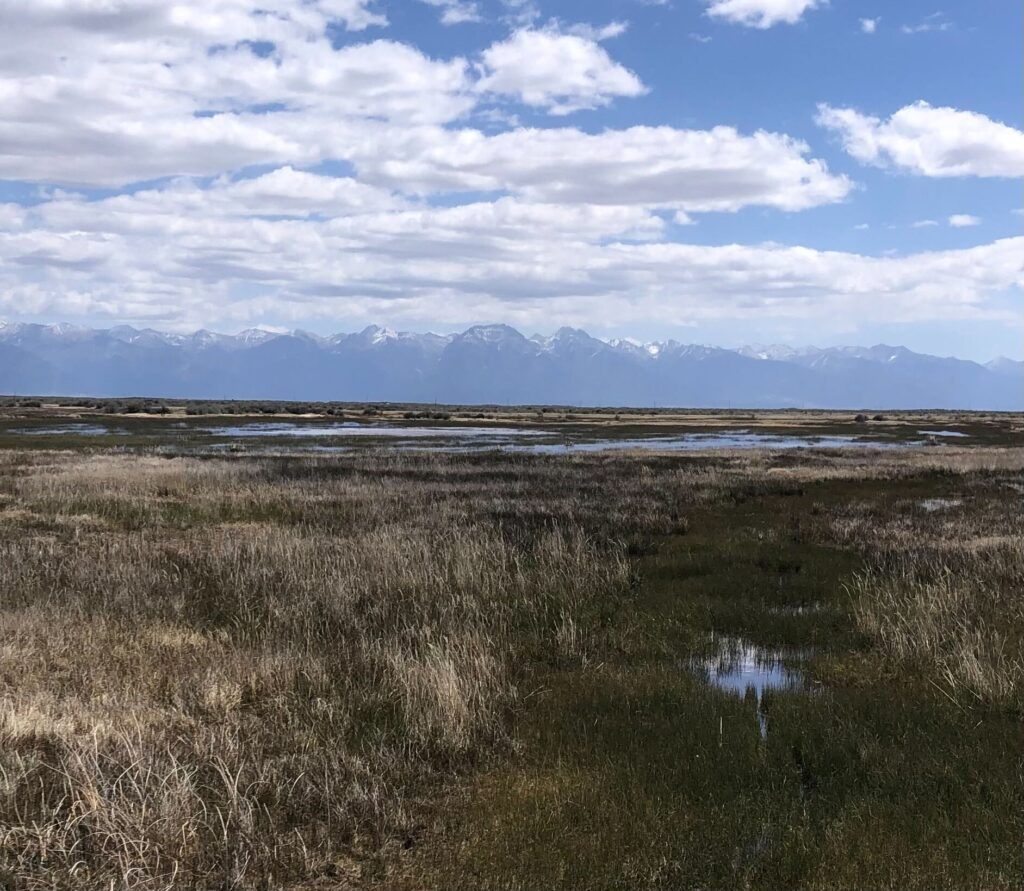
In the high-altitude expanse of Southern Colorado, the San Luis Valley stands as a testament to the fragile beauty of the American Southwest. Home to the headwaters of the Rio Grande, this vast, enclosed basin is currently grappling with a climate-driven crisis that threatens the very foundation of its existence. As the region faces a near-record-setting snow drought, the community is moving beyond traditional conservation, engaging in a radical, collaborative transformation to secure its future.
The Crisis: A Landscape at the Precipice
The current environmental reality in the San Luis Valley is stark. Snow water equivalent (SWE)—the primary metric used by hydrologists to determine the amount of liquid water stored in mountain snowpack—has plummeted to levels rarely seen in historical records. This "snow drought" means that the life-sustaining runoff upon which local agriculture, regional ecosystems, and municipal water supplies depend is failing to materialize in sufficient volumes.
The Rio Grande, a river already strained by decades of over-allocation and the compounding pressures of a warming climate, is facing an unprecedented test. Scientific consensus is clear: the rivers of the Southwest are nearing a critical threshold. The San Luis Valley is not merely a passive observer to this decline; it has become a living laboratory for adaptation, where the urgency of the drought has sparked a wave of innovation.
Chronology of Collaborative Action
The transition toward these innovative water management strategies did not happen overnight. It is the result of years of incremental progress and the hard-won realization that old solutions no longer suffice.
- Early 2020s: The Valley began consolidating water management data, realizing that the disconnect between agricultural, industrial, and ecological interests was leading to systemic inefficiencies.
- 2023: The launch of the "Rye Resurgence Project" marked a significant shift in agricultural policy, moving toward water-efficient, high-value rotational crops.
- 2024–2025: Focused research on "Frozen Assets" began, shifting the paradigm of winter water usage from simple irrigation to a managed, strategic aquifer recharge process.
- 2026: The current state of crisis has accelerated the implementation of these projects, with community leaders and environmental agencies scaling these initiatives to meet the immediate threat of record-low snowpack.
Frozen Assets: Harnessing the Power of Winter
Among the most sophisticated responses to the scarcity crisis is the "Frozen Assets" initiative. Led by American Rivers in partnership with Wetland Dynamics, Ducks Unlimited, the Rio Grande Headwaters Land Trust, and Colorado Parks and Wildlife, this project is a masterclass in biomimicry.
The Science of Sheet Ice
Historically, Valley farmers used water during the winter to prevent the soil from drying out. "Frozen Assets" takes this traditional practice and formalizes it into a sophisticated water-management tool. By shallowly spreading water across the landscape as temperatures drop, the project creates vast, controlled layers of "sheet ice."
This process serves three critical functions:
- Aquifer Recharge: As the ice slowly melts, the water infiltrates the soil at a controlled rate, reducing the rapid runoff that typically occurs during spring thaws and helping to replenish local groundwater tables.
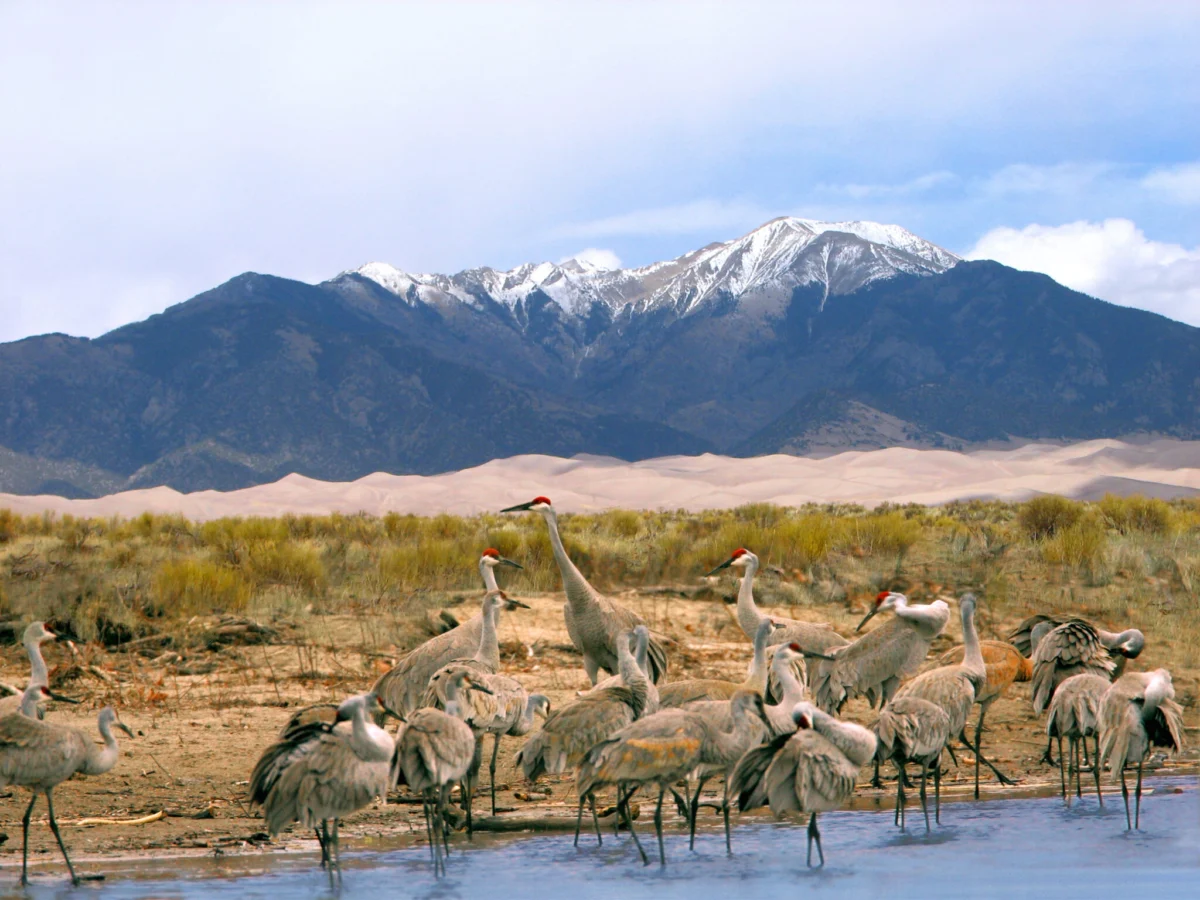
- Wildlife Support: The shallow, freezing water provides essential foraging habitats for over-wintering birds, including sandhill cranes and various migratory waterfowl, which are vital to the region’s biodiversity.
- Soil Health: The moisture retention provided by the melting ice promotes the growth of native plant species, which stabilizes soil and reduces erosion during the dry spring months.
The Economic Pivot: The Rye Resurgence
While the "Frozen Assets" project addresses the land and water, the "Rye Resurgence Project" addresses the economic engine of the Valley. For generations, water-intensive crops have dominated the local economy. As groundwater levels drop, producers are increasingly vulnerable to regulatory and environmental constraints.
The Rye Resurgence Project has successfully shifted the focus toward San Luis Valley Rye, a winter cover crop that requires significantly less water than traditional rotational crops. The genius of this initiative lies in its holistic approach: the project does not just ask farmers to change their crops; it creates a market for the output. By forming alliances with regional bakers, millers, brewers, and distillers, the project ensures that farmers have a profitable incentive to transition.
In its inaugural year, the project facilitated the planting of 4,500 acres of winter rye, resulting in a verified saving of approximately 4,670 acre-feet of water. This is a profound example of how market forces can be aligned with environmental stewardship.
River and Habitat Restoration: Protecting the Lifeblood
The Rio Grande is not merely a supply line for humans; it is a vital ecosystem. The Alamosa National Wildlife Refuge (NWR) has long been a focal point for conservation, but it has suffered from the highly variable, often insufficient flow regimes that characterize the modern Rio Grande.
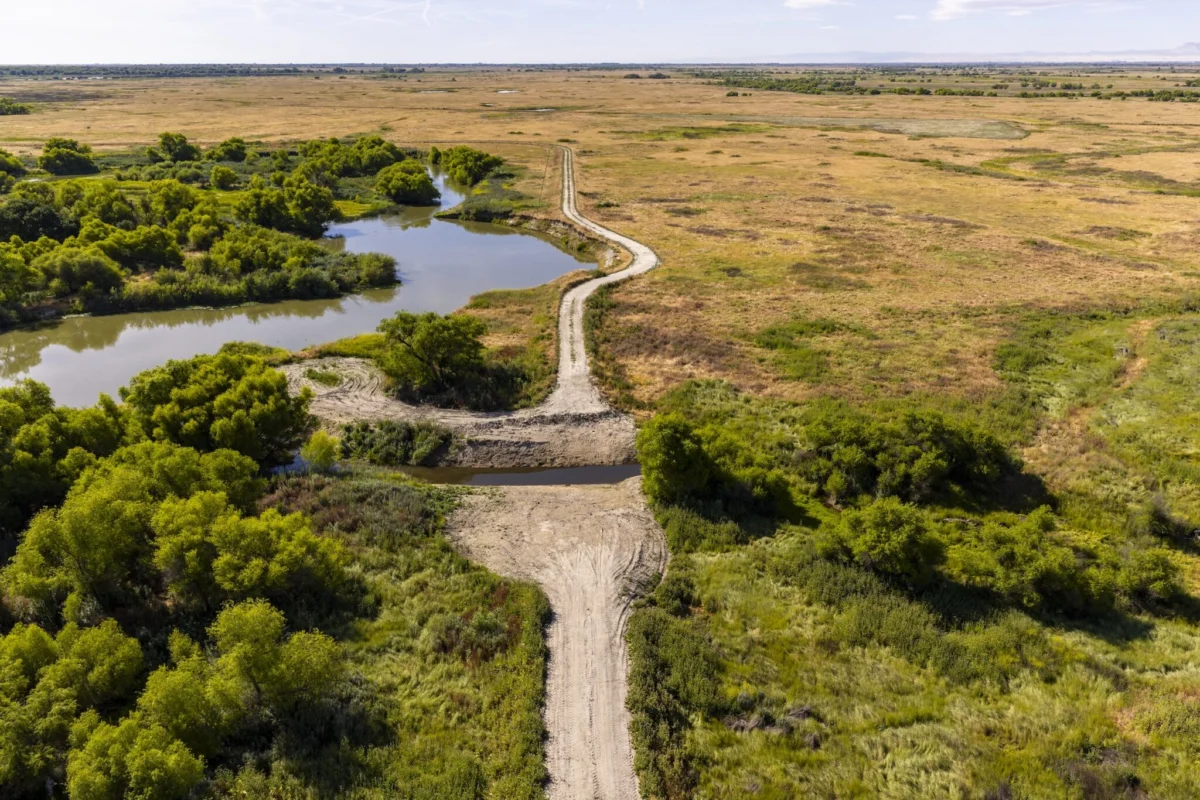
The Rio Grande Corridor Restoration Project represents a major investment in structural ecology. By reshaping eroding streambanks and utilizing native vegetation to stabilize the river’s path, partners have successfully improved the river’s ability to handle high-flow events while protecting essential low-flow habitats. A highlight of this effort is the specific engineering of off-channel habitats designed to sustain the Rio Grande chub, a species whose presence is a key indicator of river health.
Official Perspectives and Expert Analysis
"The situation in the San Luis Valley is a microcosm of the challenges facing the entire Colorado River Basin," notes a spokesperson for the local water conservation district. "We are moving away from the era of ‘fighting for water’ and into an era of ‘designing for resilience.’ The goal is no longer just to maintain the status quo, but to build systems that can withstand the volatility of our new climate reality."
Conservationists emphasize that these projects are not "silver bullets." Instead, they are components of a larger, decentralized strategy. "We are learning that the most effective solutions are those that provide multiple benefits," says an American Rivers field researcher. "When we recharge an aquifer, we aren’t just saving water; we are supporting habitat, soil health, and agricultural longevity. Every project must serve at least three masters—the land, the water, and the community."
Implications for the Future
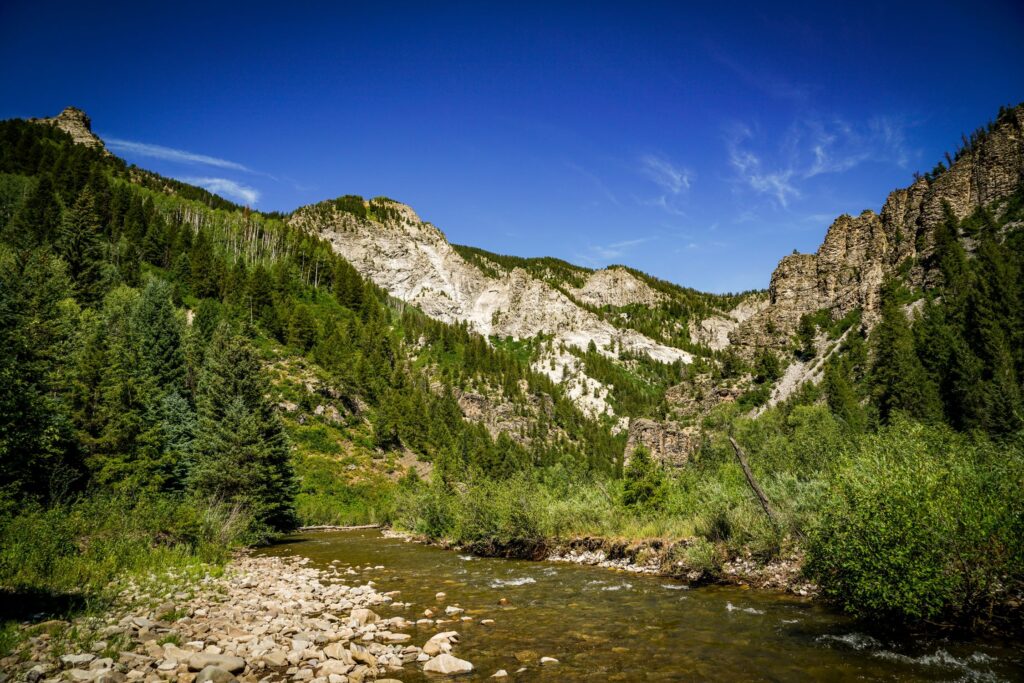
The implications of the work being done in the San Luis Valley extend far beyond Colorado. As states throughout the American West grapple with the shrinking Colorado River and the depletion of the Ogallala Aquifer, the lessons learned in the Valley are being scrutinized by water managers across the country.
The shift toward "water-smart" agriculture and the integration of natural processes into infrastructure projects are proving to be more than just sustainable—they are becoming essential for economic survival. The communities of the San Luis Valley have demonstrated that when private landowners, state agencies, and non-profit organizations align their objectives, the result is a landscape that is not only more resilient to drought but more robust in its ecological and economic diversity.
Conclusion: A Model for the West
As we look toward the remainder of the 2026 water year, the situation in the San Luis Valley remains critical, but it is no longer one of despair. It is a period of intense, disciplined, and highly collaborative labor. The "Frozen Assets" project, the "Rye Resurgence," and the restoration of the Rio Grande corridor are not just isolated successes; they represent a fundamental change in the relationship between human society and the natural environment.
By choosing to embrace innovation over exhaustion, the people of the San Luis Valley are securing a legacy. They are proving that while the climate may be changing, the capacity for human ingenuity to adapt is, perhaps, the most important resource we have. As the valley faces the heat of summer, it does so with a plan, a partnership, and a path forward that offers a blueprint for every community in the arid West.