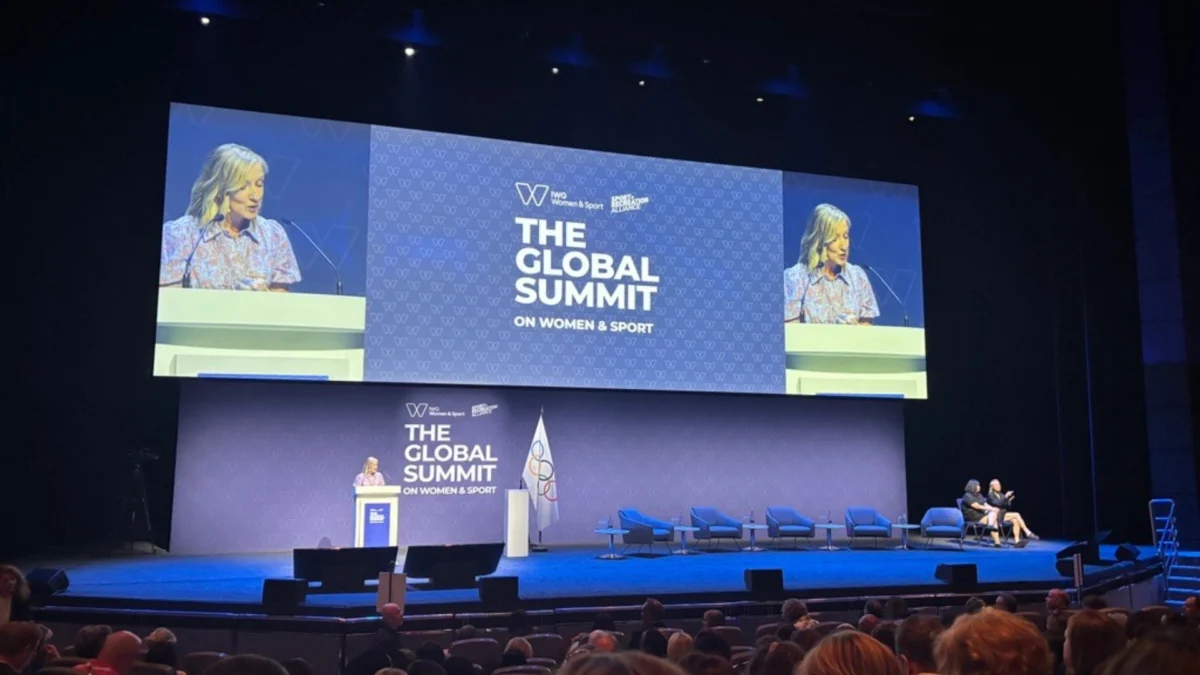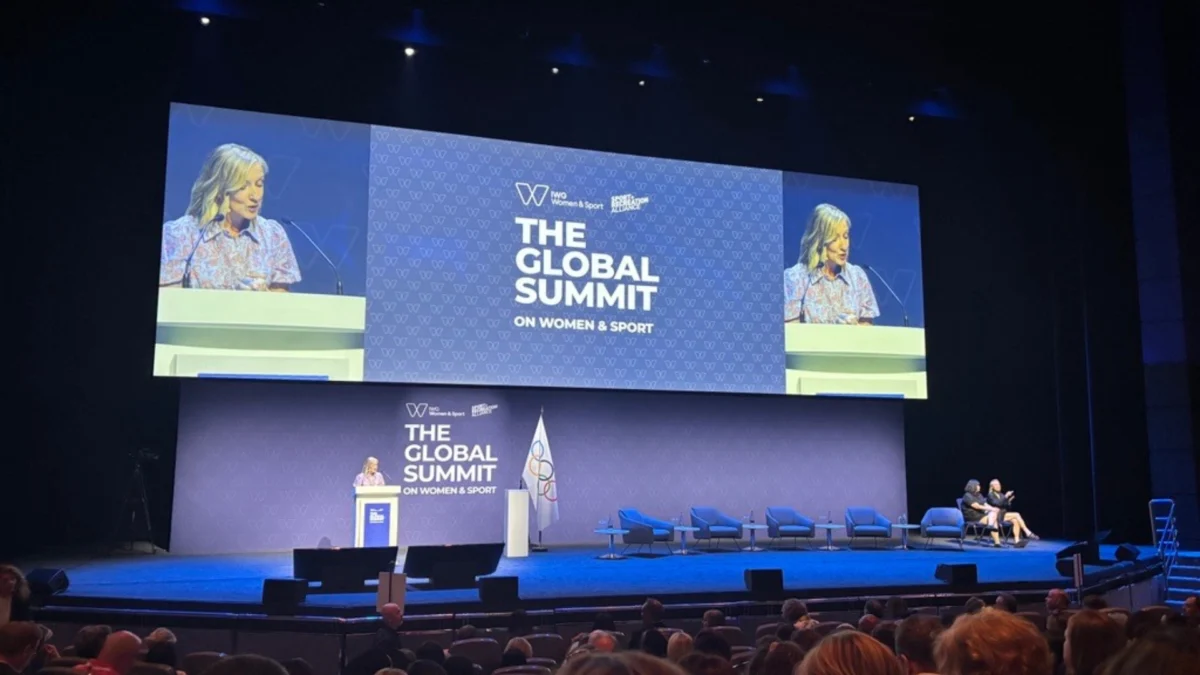
The landscape of international sports policy has reached a critical juncture. For decades, the narrative surrounding gender equality in athletics focused on "breaking glass ceilings"—the symbolic act of allowing women into spaces previously denied to them. However, as the 2026 International Working Group (IWG) on Women and Sport World Conference in Birmingham made clear, that era has concluded. The challenge today is no longer merely identifying inequities; it is the structural, systemic overhaul required to build a sports ecosystem that is fundamentally equitable by design, not by exception.
Main Facts: A New Mandate for Global Athletics
In July 2026, Birmingham served as the epicenter for the world’s largest gathering focused on gender equality in sports. The IWG World Conference convened 900 delegates from 80 nations, representing a diverse cross-section of sports federations, government bodies, academic institutions, and private equity investors.
The core consensus emerging from the event is that the "breakthrough" phase of women’s sports—characterized by increased visibility and sporadic success stories—has passed. The new mandate, framed by the conference theme Beyond the Breakthrough, is to pivot from awareness to structural transformation. This shift demands that organizations stop treating women’s sports as a secondary project or a mere extension of men’s athletics. Instead, the focus must shift toward viewing women’s sports as a distinct, high-growth, and culturally significant global market that requires its own unique governance, financing, and operational frameworks.
Chronology: The Evolution of the Movement
The journey toward the 2026 Birmingham conference is rooted in a long history of advocacy, most notably the Brighton Plus Helsinki Declaration, which has served as the bedrock for global gender equality standards.
- The Foundation: For years, the global movement focused on policy advocacy and securing the right to participate.
- The Growth Phase (2020–2025): The industry saw an explosion in commercial interest, with media rights deals and stadium attendance numbers hitting record highs. This period proved the marketability of women’s sports.
- The Birmingham Summit (July 2026): The conference acted as a "reality check" for the sector. While celebrating growth, delegates analyzed the friction points where outdated systems continue to impede progress.
- The Post-Conference Era (Late 2026 and Beyond): The current phase, as identified by the IWG, is the implementation of "design fiction"—the intentional, proactive building of future systems rather than the reactive patching of old ones.
Supporting Data: Why Current Metrics Fail
One of the most compelling insights presented in Birmingham came from Trinh Tu of the market research firm Ipsos. Data presented during the sessions confirmed that fans are flocking to women’s sports in unprecedented numbers and commercial partners are finally seeing the return on investment. Yet, the persistent issue remains the "comparative trap."
The "Same-as-Men" Fallacy
Investor Michele Kang, a prominent voice at the conference, argued that attempting to scale women’s sports by simply mimicking the men’s model is a strategic error. Women’s sports have a different demographic, different community engagement drivers, and a unique emotional value proposition. Attempting to force these into the "men’s sports template" ignores the potential for innovation.
The Research Gap
A significant portion of the conference was dedicated to the "data void" in female physiology. Much of the current sports science is based on male-centric physiological data. This is not just a moral failing; it is a performance and health issue. The lack of rigorous study on the female athlete’s life cycle—specifically regarding hormonal cycles, pregnancy, and post-partum return to sport—means that training regimens are often suboptimal or even unsafe. The conference underscored that if we do not invest in gender-specific research, we are essentially building high-performance systems on shaky foundations.
Official Responses and Strategic Perspectives
Leadership figures from the highest echelons of global sport were present to provide their vision for the next decade.
The Role of "Gentle Challengers"
Laura McAllister, Vice President of UEFA, introduced the concept of "gentle challengers." These are individuals and organizations that effectively dismantle regressive cultural habits without resorting to aggressive confrontation. According to McAllister, the change is often invisible until it reaches a tipping point. She warned against setting "unrealistic timelines," arguing that while urgency is necessary, the structural change must be deeply rooted to be permanent.
The Necessity of Binding Quotas
In a more direct approach, World Athletics President Sebastian Coe shared the organization’s success in moving from aspirational goals to concrete, binding mandates. Coe noted that gender equality at the board level did not improve through "good intentions" alone. It required hard quotas, systemic policy changes, and the integration of gender targets into every layer of the organization—from executive suites to coaching pathways. For Coe, the goal was never just to put women in a room; it was to ensure that diverse experiences lead to better, more inclusive decision-making.
Designing the Future: "Design Fiction"
Professor Fiona Chambers introduced the concept of "design fiction" as a tool for change. Instead of asking how to fix the current system, stakeholders are encouraged to imagine an ideal future state and work backward. This shifts the fundamental questions from "How do we get more women into this system?" to "How do we redesign this system so that it is inherently built for everyone?"
Implications: The National Path Forward
For Finland, as for many other nations, the implications of the IWG conference are clear. The 34 organizations that have signed the Brighton Plus Helsinki Declaration now face the "post-breakthrough" test.
Moving Beyond the "Equality Officer"
A critical takeaway is that gender equality can no longer be the sole responsibility of a designated "equality officer" or a single committee. It is a fundamental operational requirement. Every department—finance, facilities, coaching, medical, and communications—must be held accountable for its role in shaping the environment.
The Infrastructure of Equity
The conference highlighted that true equality requires a look at:
- Resource Allocation: Who receives the funding, and why?
- Safety and Culture: Is the environment free from systemic barriers that exclude specific groups, particularly those from marginalized backgrounds?
- Data Literacy: Are our organizations collecting data on how girls and women interact with our sports, or are we relying on outdated assumptions?
The "Window of Opportunity"
The current climate, while challenging due to rising global conservatism, also provides a unique "window of opportunity." The market is ready, the public is engaged, and the commercial infrastructure is finally shifting. However, this momentum is not a guarantee of success. It is an invitation.
The next phase of development requires a transition from the symbolism of having women in sport to the systematics of leading it. This involves recognizing that the challenges women face in sport—such as the struggle to balance athletic careers with motherhood or the lack of female-specific coaching research—are not "women’s issues." They are issues of human performance, organizational health, and competitive intelligence.
Conclusion: A Call to Action
The IWG World Conference in Birmingham did not just provide a set of recommendations; it provided a mandate for a new, more robust era of global sport. As the delegates returned to their respective countries, the consensus was clear: the breakthrough has been achieved, and the world is watching. The task ahead is to ensure that the progress made is not just a trend, but the start of a permanent, structural shift toward an inclusive and sustainable future for every athlete, regardless of gender.
In Finland, this work continues through collaborative efforts such as the "Yhteinen matka" (Common Journey) project and ongoing thematic discussions. As stakeholders gather for monthly "tasa-arvotyön etäkahvit" (equality work remote coffees), the focus will remain on moving from theory to practice, ensuring that the lessons of Birmingham are woven into the very fabric of the Finnish sporting culture.
The question is no longer whether we can achieve equality, but how quickly we can adapt our structures to reflect the reality that the future of sport is, and must be, fundamentally inclusive.