Yosemite National Park has long stood as the crown jewel of the American wilderness. With the sheer, gravity-defying granite of El Capitan and the iconic silhouette of Half Dome, it is a landscape that demands reverence. Yet, in the summer of 2026, that reverence is often drowned out by the hum of idling engines and the shuffle of thousands of visitors.
As of mid-2026, Yosemite is on a record-shattering trajectory, welcoming more guests than at any point in its history. For the modern traveler, the park has become a paradox: it is one of the most beautiful places on Earth, yet it is increasingly defined by the logistical friction of over-tourism. However, beneath the viral images of gridlocked traffic and crowded trailheads lies a hidden, more tranquil experience—one that remains accessible to those willing to adjust their rhythms.

The Reality of the Crush: Data and Demographics
The surge in visitation is not merely anecdotal. With major metropolitan hubs like San Francisco, Los Angeles, and Fresno located within a five-hour drive, the park serves as the primary outdoor outlet for millions of Californians.
Data from the National Park Service (NPS) indicates that peak summer months now see daily visitation numbers that push the park’s infrastructure to its breaking point. This influx is driven by a post-pandemic shift toward domestic travel and an increased public desire for “bucket list” experiences. When thousands of people converge on the limited seven-mile stretch of the Yosemite Valley floor, the result is a systemic bottleneck. Parking lots fill by 9:00 a.m., shuttle buses become overwhelmed, and iconic vistas often require navigating a sea of smartphones before one can actually see the scenery.

Chronology of a "Crowd-Proof" Visit
To understand how to navigate the park, one must first accept that the traditional "9-to-5" tourist schedule is the primary catalyst for the crowds. My own recent trip to the park serves as a case study in how timing can dictate the quality of one’s experience.
The 3:30 a.m. Advantage:
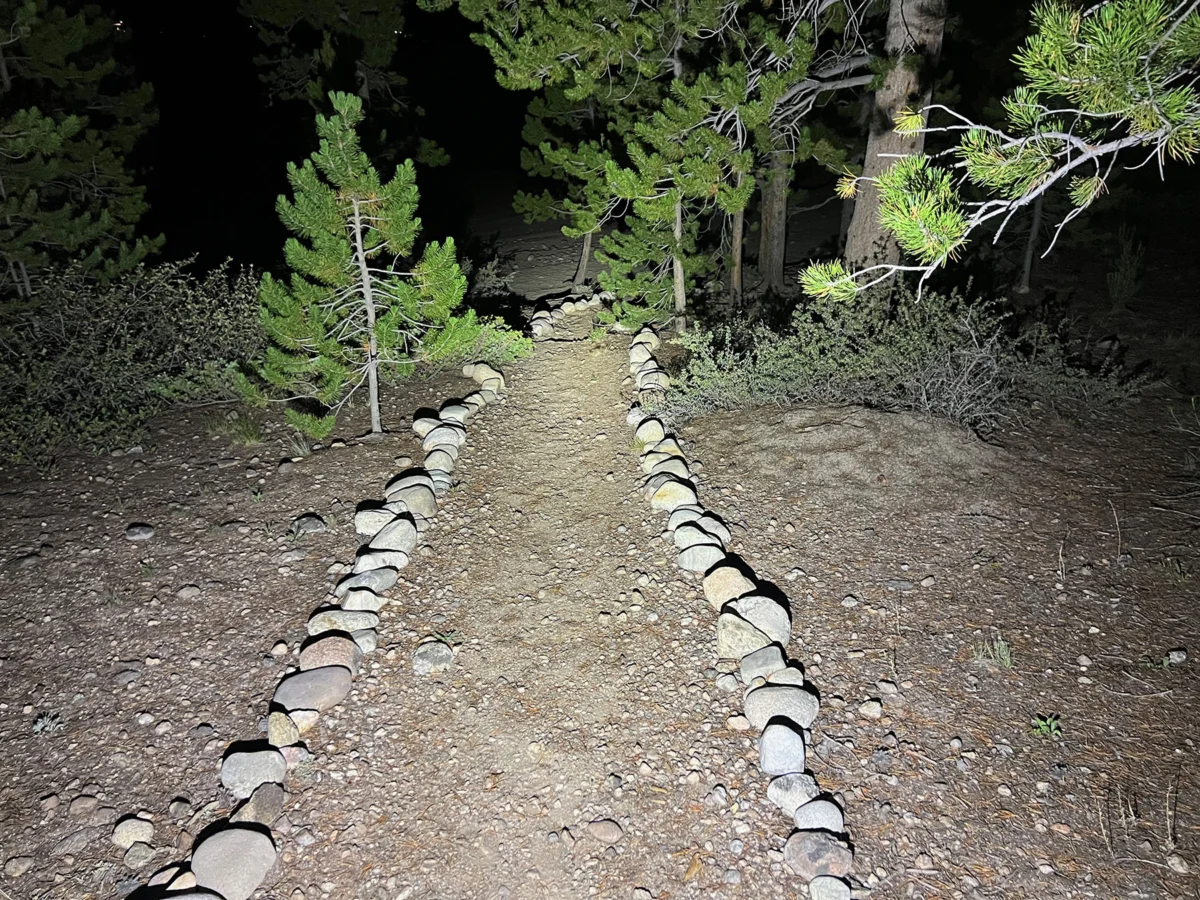
My goal was to experience the Mist Trail—a legendary, seven-mile trek leading to the thunderous Vernal and Nevada Falls. Recognizing that this is the most trafficked artery in the valley, I chose to subvert the standard schedule. By waking at 3:30 a.m. and hitting the trailhead by starlight, I reached the first waterfall as the sun began to crest the granite peaks at 5:30 a.m.

The silence was profound. Aside from a handful of dedicated alpinists heading toward the cables of Half Dome, I had the spray of the falls entirely to myself. By the time the casual day-trippers began arriving at 10:00 a.m., I was already descending, effectively trading a mid-day surge for a peaceful dawn.
The Mid-Day Retreat:
After finishing the hike, I retreated to my cabin at Curry Village for a long lunch and a midday rest. This "siesta" approach is critical. While thousands of visitors were trapped in the midday heat and peak congestion, I was recharging. By 3:00 p.m., I emerged for a second, shorter hike, once again timing my activity to avoid the heat and the peak density of the afternoon crowds.

Going Beyond the Valley Floor
The Yosemite Valley may be the park’s most famous feature, but it occupies only a small fraction of the park’s total 1,169 square miles. A significant portion of the park’s "crowd problem" is actually a "Valley problem."
Hetch Hetchy: The Quiet Alternative
Located in the northwestern corner of the park, the Hetch Hetchy reservoir offers a haunting, beautiful alternative to the Valley. Though controversial due to the construction of the O’Shaughnessy Dam in 1919—which famously pitted conservationists like John Muir against urban water developers—the area is a sanctuary of solitude today. During a weekend visit, I encountered fewer than 20 people on the five-mile trail to Wapama Falls. Here, the parking lot was sparse, and the swimming holes were devoid of the chaotic energy found in the Valley.

The High Sierra: Tuolumne Meadows
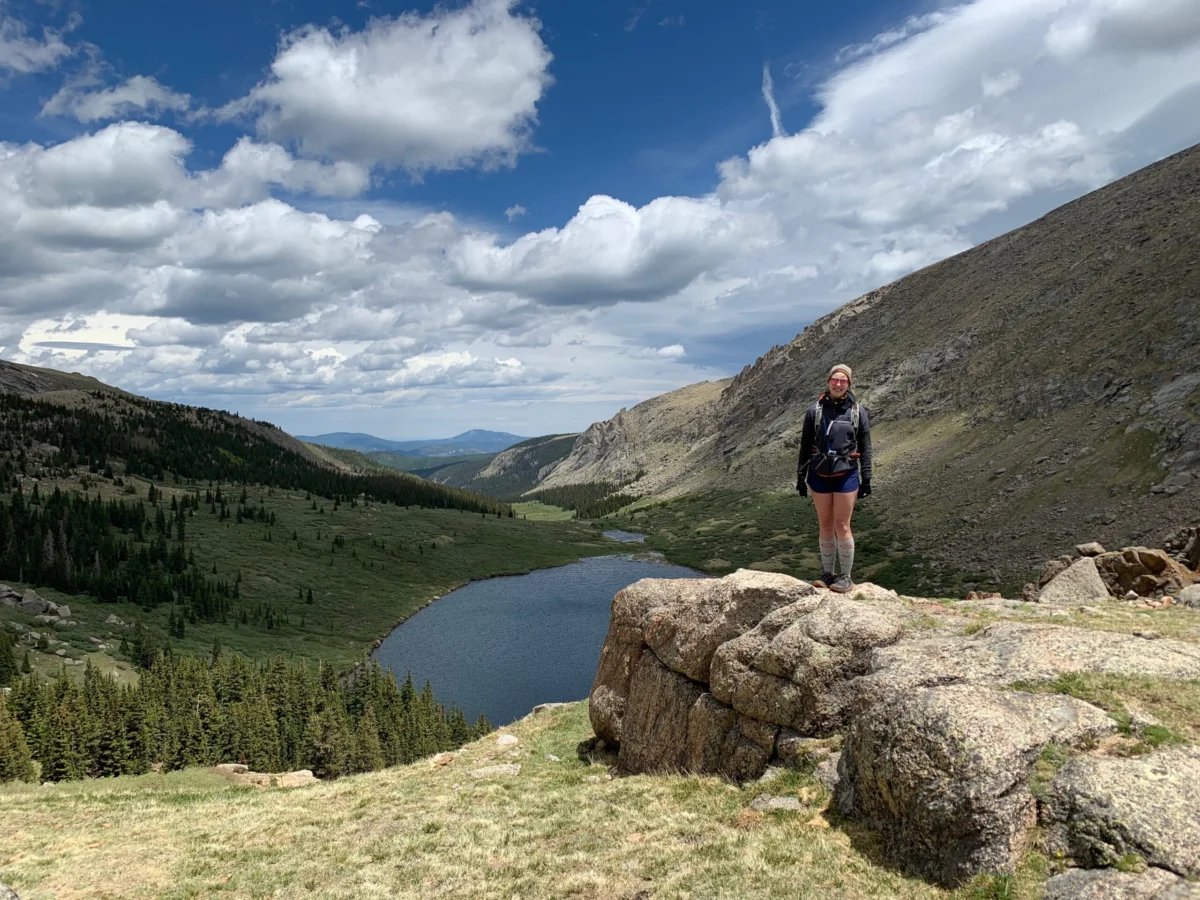
Many seasoned visitors argue that the true soul of Yosemite exists at 8,600 feet in the High Sierras. Tuolumne Meadows, at double the elevation of the Valley, offers a cooler, more expansive alpine environment. It is a region of vast granite domes and glacial lakes that serves to naturally disperse crowds. A 12-mile round-trip hike to Glen Aulin reveals a landscape of cascades and lush meadows that feel miles away from civilization. Even on a Friday, the density of people in the High Sierra was a fraction of that found in the valley, proving that elevation is the best barrier against over-crowding.
Official Responses and Park Management
The National Park Service has acknowledged the strain on resources. In recent years, they have implemented various pilot programs, including vehicle reservation systems and peak-hour entry permits, to manage the volume of traffic.

Official statements from park authorities emphasize the need for "dispersed recreation." The goal is to encourage visitors to explore secondary attractions—like the southern groves or the eastern high country—rather than funneling everyone into the central valley loop. However, the NPS also faces the challenge of maintaining access for all, which means that management strategies must balance protection of the environment with the democratic nature of public lands.
Implications for Future Travelers
The shift in how we visit our national parks has profound implications for the future of conservation. As visitation numbers climb, the "take only pictures, leave only footprints" mantra is being tested by the sheer volume of human impact.

- The Infrastructure Tax: The reliance on inefficient shuttles and the competition for parking spots suggest that the park’s current physical layout is outdated for 21st-century tourism levels.
- The "Active Travel" Necessity: The lesson for the future is clear: the car is a liability. Whether it is walking the two-mile trail to Mariposa Grove instead of waiting for the shuttle, or utilizing a bike to traverse the valley, the most efficient way to navigate Yosemite is by moving under one’s own power.
- The Privilege of the Permit: As demand for wilderness experiences increases, the lottery system for backcountry permits and high-demand trails is likely to become even more restrictive. Securing a spot in a High Sierra camp or a backcountry zone is no longer just a luxury—it is the only way to guarantee a truly immersive, solitary experience.
Final Reflections: The Discipline of Solitude
Ultimately, finding solitude in Yosemite is not about discovering a secret entrance; it is about the discipline to choose the harder path. It is the decision to wake up at 3:30 a.m. when others are sleeping, to hike an extra five miles when others are turning back, and to choose the high-elevation meadows over the postcard-perfect valley floor.
The park remains as magnificent as it was in the days of Ansel Adams and John Muir. The rocks have not changed; only our numbers have. By shifting our expectations and our schedules, we can still find the quiet, transformative moments that define the Yosemite experience. The wilderness is still there—it simply requires us to look beyond the crowded parking lots and walk a little further into the light.