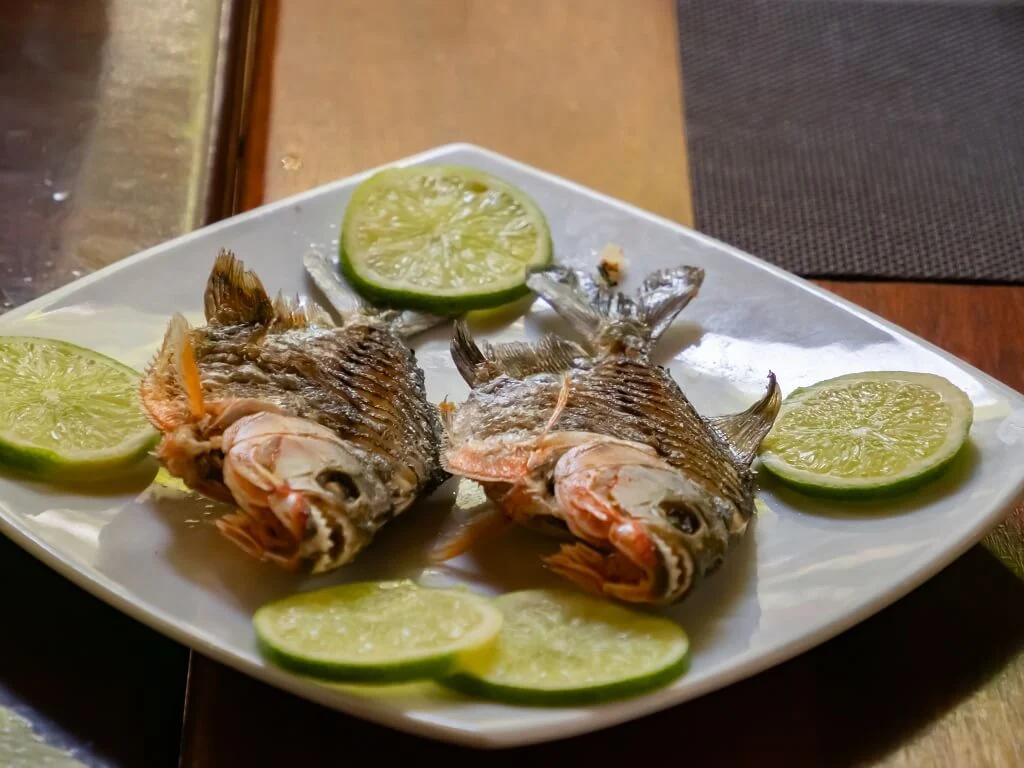
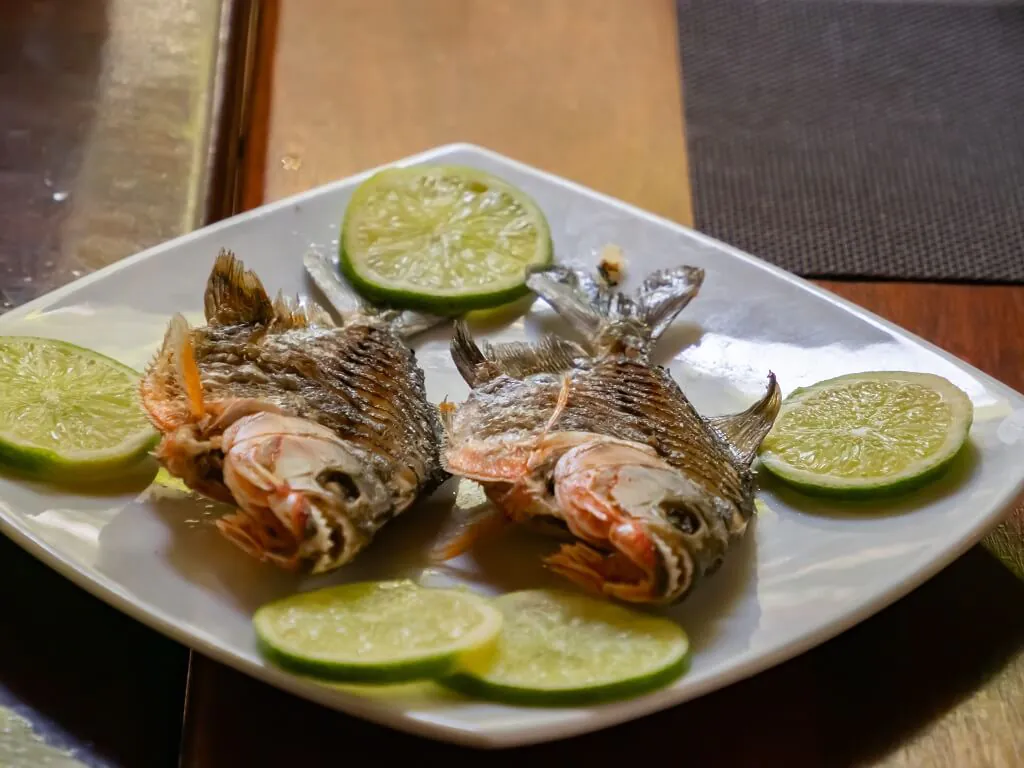
For decades, the piranha has been cemented in the global consciousness as a monstrous, razor-toothed apex predator capable of stripping a cow to the bone in seconds. Hollywood blockbusters have thrived on this narrative, turning the South American freshwater fish into a cinematic symbol of terror. However, for the communities living along the rivers of the Amazon basin, the piranha is not a villain—it is a staple, a reliable protein source, and a surprisingly delicate culinary offering.
If you are an adventurous traveler or a curious gourmand, the question of whether you can eat piranha is met with a definitive "yes." But moving from the idea to the plate requires navigating complex realities regarding geography, safety, and cultural culinary traditions.
Main Facts: What is Piranha on the Plate?
At its core, the piranha is a freshwater fish that possesses firm, white, and notably flaky meat. To the uninitiated, the experience of eating piranha is often compared to other freshwater species like sunfish or tilapia, though it carries a distinct profile defined by its environment.
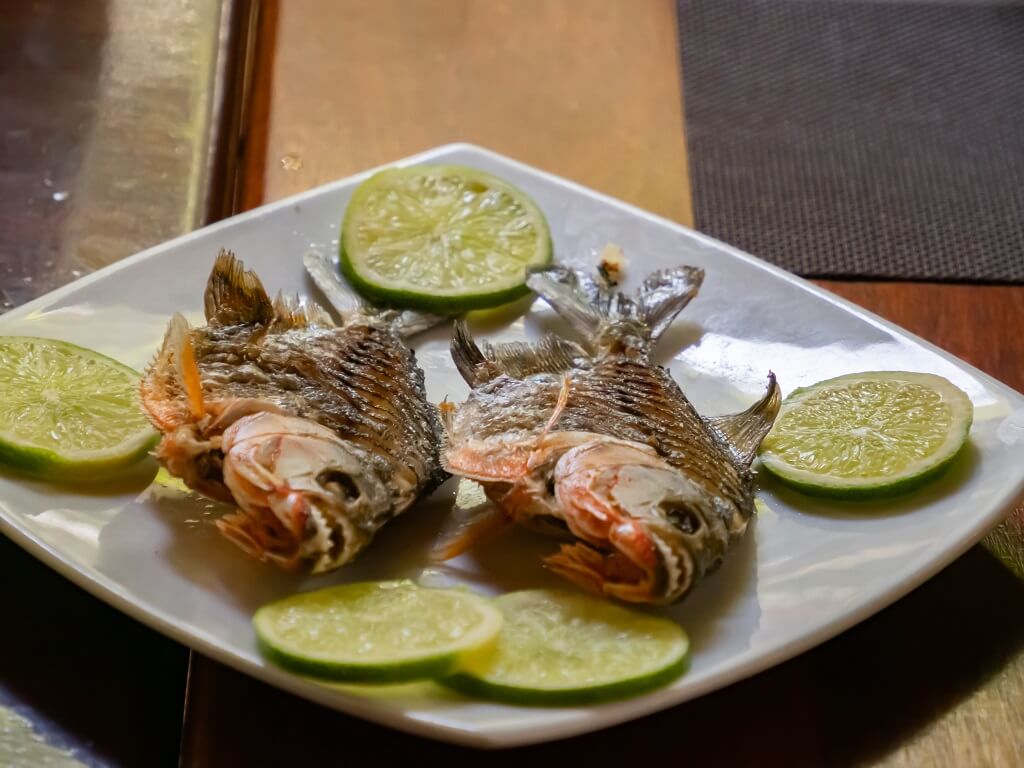
The flavor is typically described as mild to moderately fishy, heavily dictated by the water quality of the habitat. In clean, flowing river systems, the meat is clean and neutral. In stagnant or muddy environments, the fish may absorb a "muddy" or earthy undertone. The primary obstacle for most diners is not the flavor, but the architecture of the fish itself. Piranhas are notoriously bony, a trait that makes them challenging for those accustomed to deboned fillets. Consequently, traditional culinary methods in South America often involve cooking the fish whole, utilizing soups, or deep-frying to make the bones more manageable.
Chronology: A Cultural Culinary Evolution
The consumption of piranha is not a recent trend born of social media "dare" culture; it is an ancient practice rooted in the survival and dietary habits of indigenous Amazonian populations.
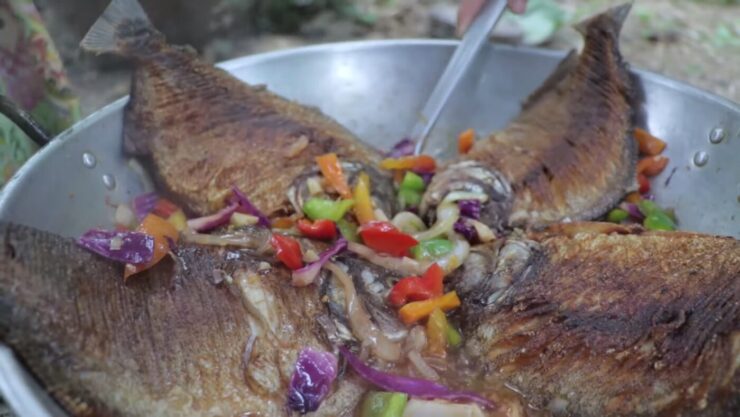
- Pre-Colonial Era: Indigenous tribes across the Amazon basin utilized the piranha as a primary source of protein. By using natural materials for nets and spears, they successfully harvested these fish from the river systems that provided their lifeblood.
- Colonial Integration: As European explorers arrived, they were initially repelled by the aggressive nature of the fish. However, they soon adopted the local practice of stewing the fish, recognizing that the long-simmering process helped soften the bones and infuse the broth with the fish’s natural oils.
- The 20th Century "Monster" Narrative: The mid-1900s marked a shift in global perception. As films and sensationalist journalism portrayed the fish as a human-eating menace, the culinary reputation of the piranha suffered. It became a taboo subject in the West, categorized alongside exotic or "unsafe" bushmeat.
- The Modern Gastronomic Movement: In recent years, high-end chefs in Lima, Manaus, and beyond have begun re-evaluating the piranha. By applying modern culinary techniques—such as smoking the fish or creating refined bouillabaisse-style soups—the piranha has moved from the riverside kitchen to the tables of upscale restaurants.
Supporting Data: Nutritional and Safety Profiles
When considering the viability of piranha as a food source, one must look at both nutritional value and food safety standards.
Nutritional Value
Piranha is a lean, high-protein fish. Like many other freshwater species, it provides essential omega-3 fatty acids and a variety of minerals. Because the fish is often consumed whole, diners also benefit from the calcium density found in the bones, provided the preparation method allows for safe consumption of the fish in its entirety.
Safety and Consumption Standards
The "danger" associated with eating piranha is largely physiological and environmental rather than related to the meat itself. Piranha is not toxic; it is a standard bony fish. However, the risk factors mirror those of any wild-caught freshwater species:
- Water Quality: Piranhas collected from polluted waterways or areas with high mercury concentrations (common in some gold-mining regions of the Amazon) pose a risk.
- Parasites: As with all freshwater fish, the presence of flukes or other parasites necessitates thorough cooking.
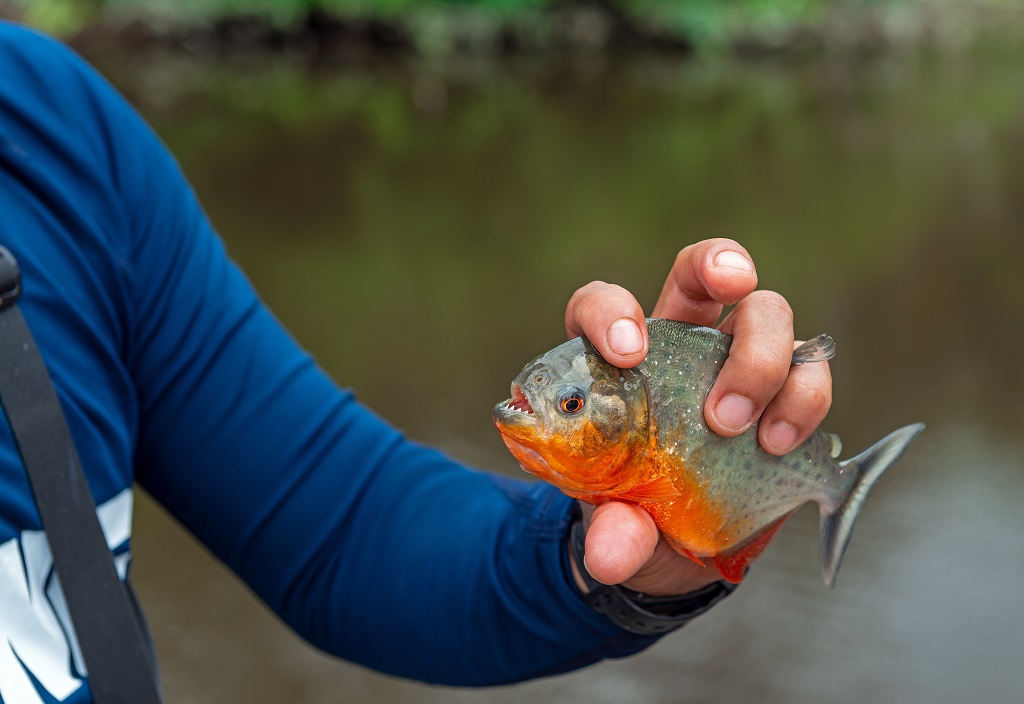
- Handling: The primary danger of the piranha is not eating it, but catching it. Their jaw strength and sharp teeth can cause deep lacerations. Safety protocols dictate that anglers use long-nosed pliers or specialized hook removers.
Standardized Cooking Guidelines: According to the FDA and various international food safety boards, internal temperatures for fish should reach 145°F (63°C). At this temperature, the flesh becomes opaque and flakes easily with a fork, ensuring that potential pathogens are eliminated.
Official Responses and Regulatory Frameworks
The global trade and consumption of piranha are governed by a patchwork of environmental and food safety regulations.
In the United States and parts of Europe, the importation of live piranhas is strictly regulated or outright banned. This is not due to their threat to humans, but due to their status as an invasive species. Should a live piranha be introduced into a non-native ecosystem, it could potentially outcompete native fish, causing ecological devastation.
The EPA and local environmental agencies in South America frequently issue fish advisories for specific river stretches. These advisories are the gold standard for safety. If you are traveling, the most responsible action is to consult local fishing lodges and government environmental boards. They provide the necessary context regarding mercury levels and water safety that a tourist would otherwise lack.
The Practicalities: How to Approach Piranha
For the average person, the "piranha experience" is best reserved for travel. If you find yourself in a region where piranha is a standard dish, the following preparation methods are the most effective:
- Frying: This is perhaps the most popular method for travelers. By coating the fish in flour or cornmeal and deep-frying it, the skin becomes crispy and the smaller, thinner bones become brittle and less obstructive.
- Soup/Stew: This is the most traditional method. Simmering the fish for an extended period with aromatics (onions, garlic, tomatoes, and cilantro) creates a rich, complex broth. The meat often separates from the bone during the process, making it easier to consume.
- Grilling: For larger specimens, grilling over an open flame imparts a smoky flavor that masks any potential "muddy" notes from the river water.
Implications: Changing the Narrative
The shift in perspective regarding the piranha has significant implications for both ecology and tourism. By valuing the piranha as a food source, local communities have an increased incentive to preserve the health of their river systems. When a species is considered a resource rather than a nuisance, the drive to protect water quality and prevent industrial pollution becomes a community-wide priority.
Furthermore, moving past the "monster" stigma allows for a more authentic connection between travelers and the ecosystems they visit. It encourages visitors to engage with local food cultures rather than viewing them through a lens of fear.
Final Verdict: Is it Worth the Try?
If you are offered the chance to try piranha in a safe, reputable, and legal environment, it is an experience that provides a unique window into the culinary heritage of South America. The piranha is not a fearsome beast that will bite back—it is a sustainable, protein-rich fish that, with the right touch, is a testament to the versatility of Amazonian cuisine.
Remember: respect the fish’s teeth before it is cooked, respect the environment where it was caught, and respect the traditions of those who have been preparing it for generations. By doing so, you turn a terrifying legend into a memorable meal.