The path of an athlete is a lifelong odyssey that begins with the simple joy of movement and culminates in the pursuit of excellence on the world’s greatest stages. For an athlete, this journey is supported by a complex ecosystem of coaches, sports clubs, schools, and specialized academies. In Finland, the Olympic Committee acts as the central architect, weaving these disparate elements into a cohesive, sustainable, and high-performing structure.
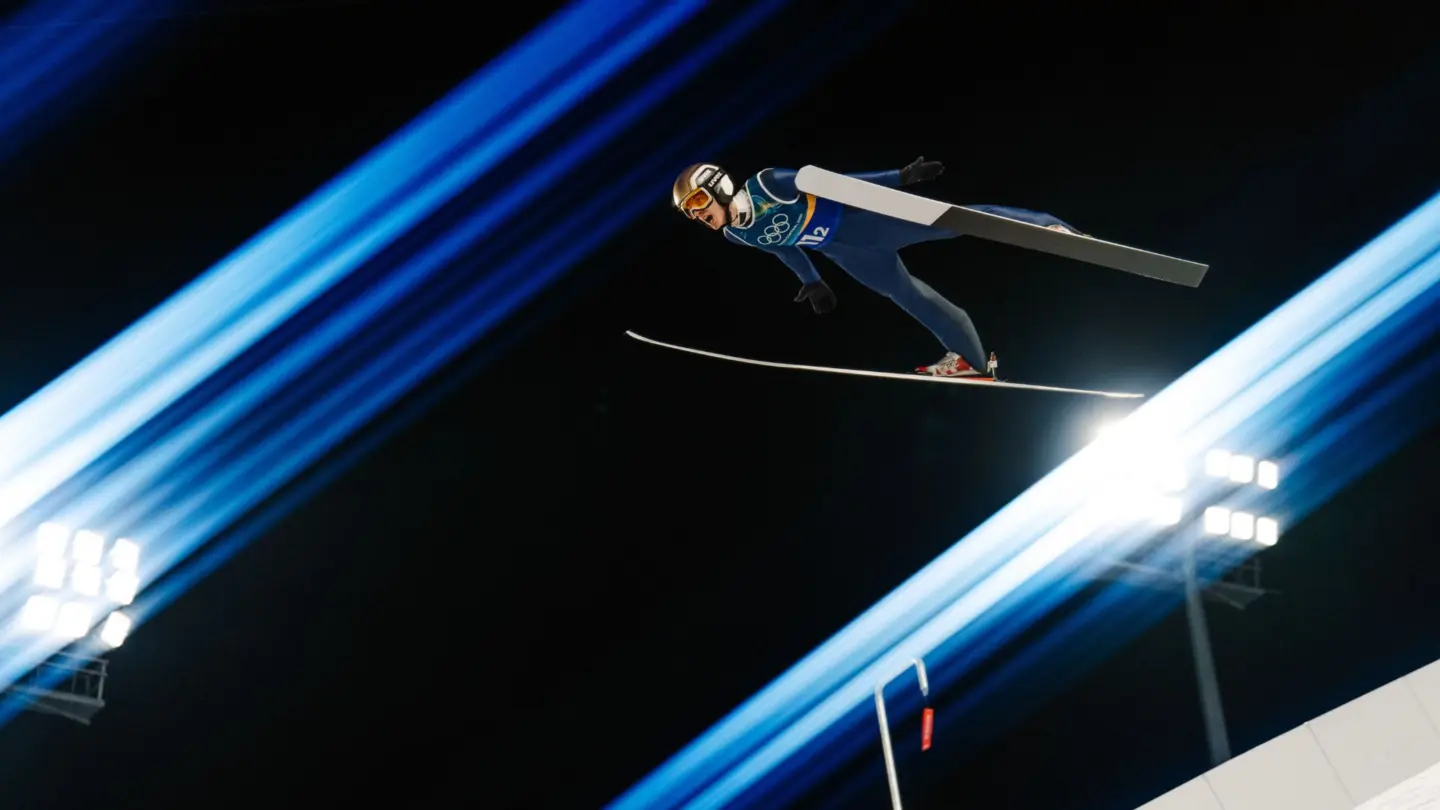
As the sports world evolves, so too must the systems that underpin it. From the grassroots challenges of modern childhood to the intense requirements of Olympic-level competition at events like the 2026 Milano-Cortina Games, the Finnish sports community is undergoing a significant strategic transformation.
The Foundation: Rekindling the Joy of Movement in Early Childhood
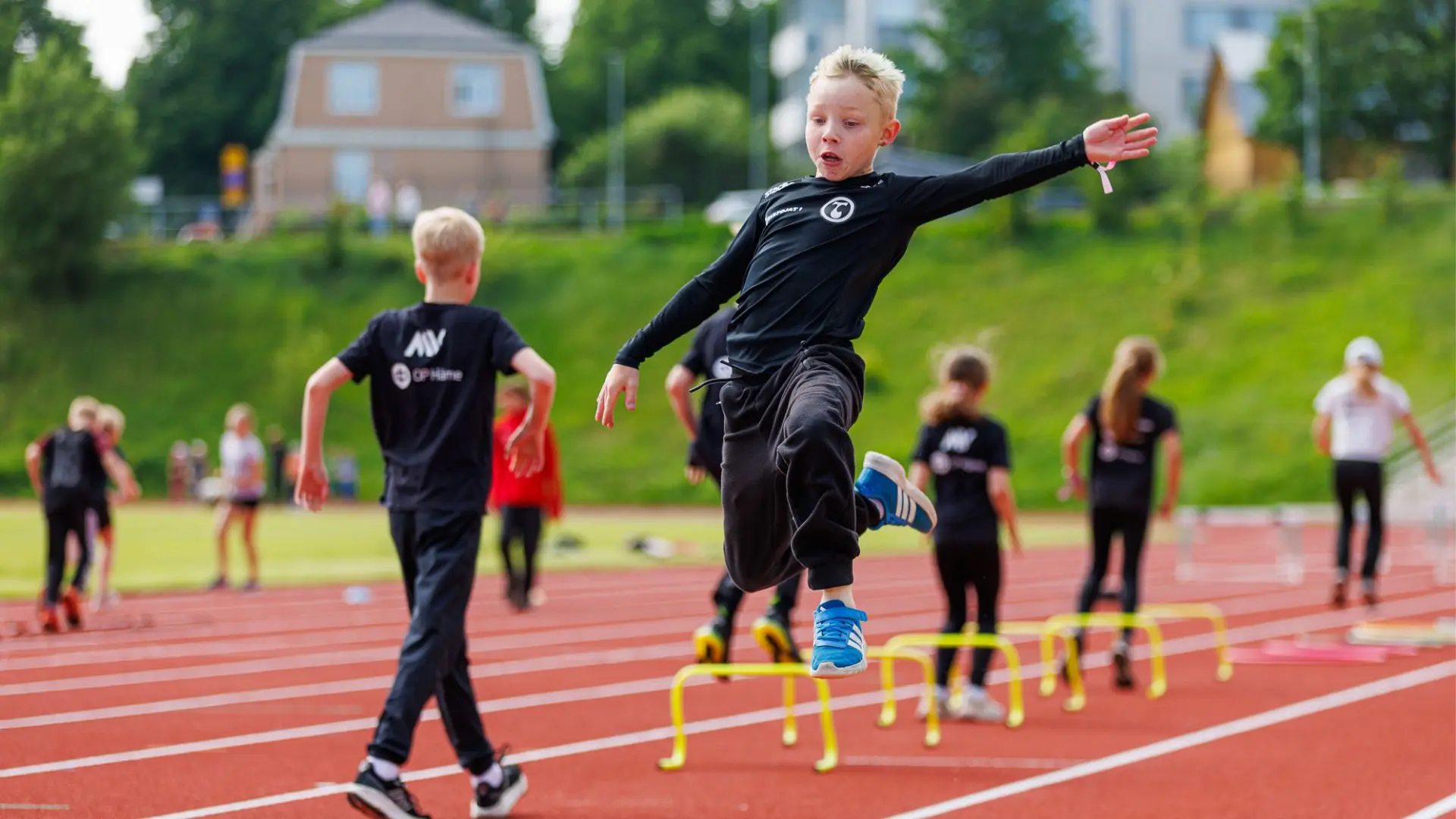
The journey begins in the local sports club, where a child’s first experiences often determine their lifelong relationship with physical activity. It is here that the fundamental decision is made: will sports become a cherished part of their daily identity, or will they drift away after the initial novelty fades?
Current Challenges at the Grassroots Level
According to Liisa Ahlqvist-Lehkosuo, Director of Sports at the Finnish Olympic Committee, the current landscape for youth sports is fraught with structural hurdles. "The situation is currently challenging," she notes. "Children’s overall physical activity is declining, they are beginning structured sports at increasingly younger ages, and—most concerningly—they are dropping out of club activities earlier than in the past."
This premature specialization, often driven by intense pressure to focus on a single sport, is a growing concern for developmental experts. It risks burning out young talent and limiting the physical literacy that comes from multisport engagement.
The "Children’s Sports Agreement"
To address these systemic issues, the Olympic Committee has partnered with various national sports federations to draft the "Children’s Sports Agreement." Set for release in November, this landmark initiative aims to harmonize practices across the country. The agreement will address critical areas such as cost management, standardized competition systems, and coaching development, with the ultimate goal of increasing the volume and quality of physical activity for children under the age of 13.
"The agreement covers well over 90 percent of licensed athletes under 13," says Ahlqvist-Lehkosuo. "Its implementation over the coming years is our single biggest strategic theme."
Supporting the Ecosystem: The Evolution of the "Tähtiseura" Program
While high-level policy is necessary, the real change happens on the field and in the gymnasium. The Olympic Committee’s Tähtiseura (Star Club) program serves as a quality-assurance framework that provides clubs with expert guidance and tools to improve their daily operations.
From Auditing to Development
Historically, the Tähtiseura program was viewed largely as an evaluation and auditing tool. However, the committee is shifting its philosophy. The program is being reimagined to become more of a developmental partner, helping clubs identify their strengths and weaknesses in a constructive, rather than punitive, manner.
By integrating the principles of the Children’s Sports Agreement into the Tähtiseura criteria, the Olympic Committee ensures that national goals are not just theoretical, but are embedded into the daily practices of local clubs, ensuring a consistent standard of care and development across the country.
The Professionalization of Coaching and Leadership
The impact of a child’s first coach cannot be overstated. A mentor at the early stages acts as a catalyst for a lifelong passion for sport. However, the Finnish sports system has long suffered from a fragmented approach to knowledge sharing.
Creating a Unified Knowledge System
"We have a wealth of high-quality coaching and athletic expertise in Finland," Ahlqvist-Lehkosuo explains. "The problem is that this knowledge is scattered. It doesn’t circulate systematically through the entire sports community."
The solution, according to the Committee, is the development of a national coaching and sports leadership system. This framework aims to define:
- Role-Specific Competencies: What specific skills are needed at each stage of an athlete’s career?
- Knowledge Transfer: How can research-based insights and international best practices be shared effectively?
- Continuous Education: How can coaches maintain their skills in a rapidly changing athletic landscape?
The shift in culture is the goal. "Culture doesn’t change with a single decree," says Ahlqvist-Lehkosuo. "It is built in the day-to-day interactions. We need a system that facilitates cooperation rather than working in silos."
The Dual Career: Balancing Academics and Athletics
As athletes enter their teenage years, the pressure intensifies. The transition to high school often coincides with increased training loads, creating a potential conflict between academic requirements and athletic ambitions.
The Role of Sports Academies
Finland’s network of sports academies serves as the vital link for this transition. These institutions facilitate a "dual career" path, allowing young athletes to pursue top-tier training while maintaining their education. The Olympic Committee coordinates this national network, ensuring that municipalities, schools, and federations work toward a common goal.
The Committee’s role extends beyond coordination into advocacy. "Our role in the dual-career path is primarily one of representation and lobbying," says Ahlqvist-Lehkosuo. "We engage directly with the Ministry of Education and Culture to ensure that the unique needs of student-athletes remain a priority in national policy-making."
Reaching the Summit: Resourcing Elite Performance
When an athlete reaches the elite level, the requirements of their environment expand exponentially. For the Finnish Olympic Committee, the mission at the top is singular: to clear the path for success.
Post-Paris Strategic Shifts
Following the Paris Olympic Games, Finland initiated a comprehensive review of its elite sports strategy. This led to a significant recalibration of how performance grants and state support are allocated.
Janne Hänninen, the High-Performance Director at the Finnish Olympic Committee, describes the process as a necessary "shake-up." Working closely with the Ministry of Education and Culture, the committee tightened the criteria for grants to ensure that public funding is directed toward environments that demonstrably foster high performance.
Peer-to-Peer Learning and Sparring
Resourcing is not just about financial investment; it is about human capital. The Committee has launched "sparring groups" for coaches across different sports. By encouraging cross-pollination of ideas between, for example, a winter sports coach and a summer team-sport coach, the Committee hopes to break the isolation that often hampers elite training environments.
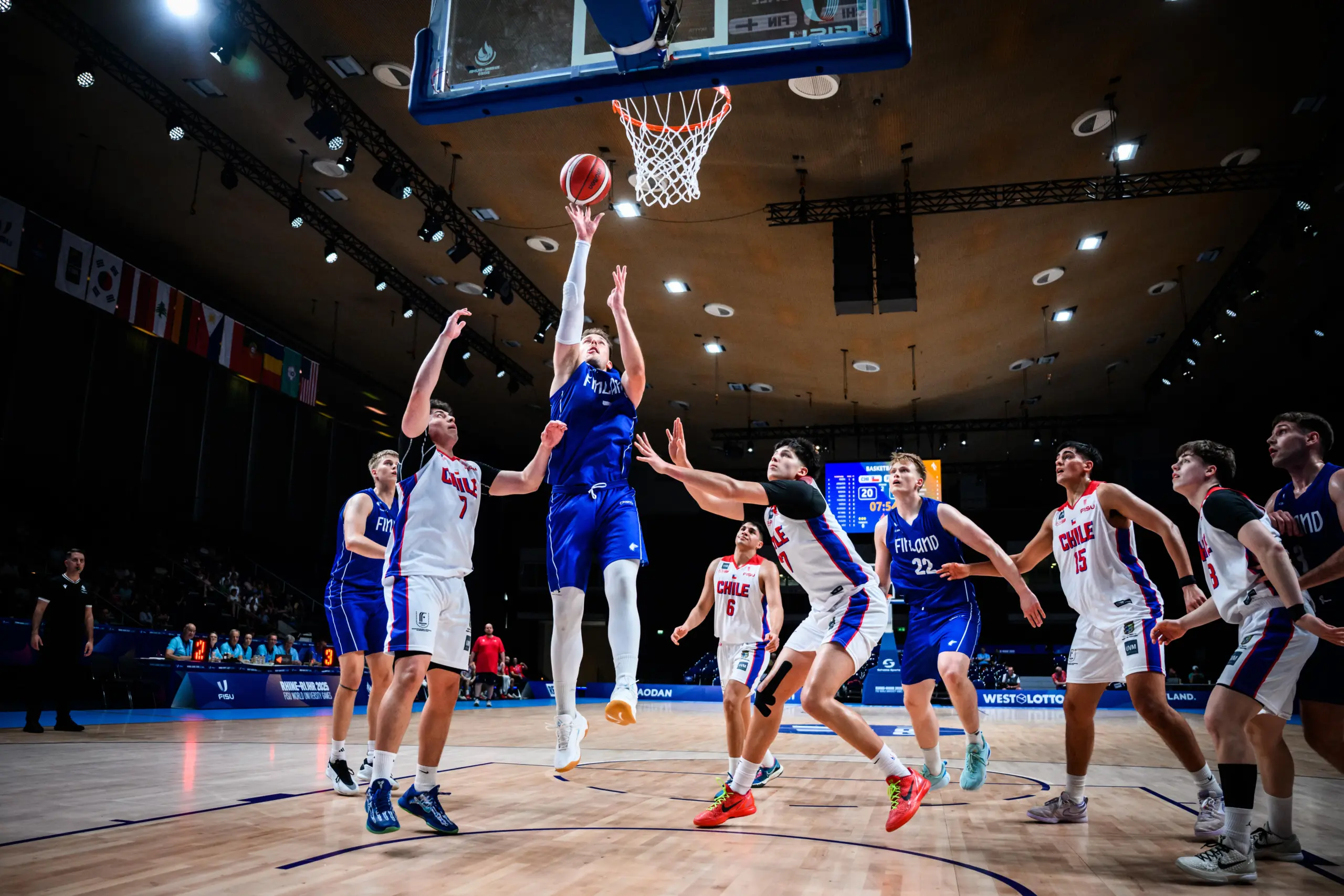
"In our competitor nations, expertise is often more centralized and inter-sport cooperation is stronger," Hänninen notes. "Our sparring groups allow coaches to learn from their peers in similar disciplines, sharing what works and, more importantly, what doesn’t."
Implications: A Culture of Excellence
The overarching objective of these reforms is to shift the conversation in Finnish sports. For too long, the discourse has been dominated by debates over organizational structures and bureaucratic processes.
"The most important thing," Hänninen concludes, "is that we are moving toward a culture where we focus on the daily life of the athlete. We are moving away from talking about processes and toward improving the everyday training environment. That is what defines the most successful sporting nations in the world. We are building a system where the athlete’s daily reality is optimized, supported, and nurtured from their very first day in a sports club to their moment on the Olympic podium."
Summary of Strategic Goals
- Youth: Standardizing the quality of early-stage coaching through the Children’s Sports Agreement.
- Operations: Evolving the Tähtiseura program into a developmental rather than purely evaluative tool.
- Leadership: Creating a national framework for coaching and sports management to bridge the gap between research and practice.
- Dual Career: Strengthening the support system for athletes balancing studies and high-performance training.
- Elite Performance: Refining funding criteria and fostering inter-sport collaboration to maximize the impact of national resources.
As Finland looks toward future international competitions, the strategy is clear: by investing in the quality of the journey, the results on the podium will naturally follow. The focus has shifted from managing institutions to empowering the people—the coaches, the children, and the elite athletes—who make the Finnish sports system thrive.