In the landscape of Finnish sports, few transformations have been as clinical, deliberate, or successful as the recent rise of judo. For decades, the sport remained on the periphery of international success, occasionally producing sparks of talent but lacking a consistent, systemic foundation. Today, that narrative has been rewritten. With a steady stream of World and European championship medals, Finland has cemented itself as a rising power in international judo, proving that a country with limited resources can compete with the world’s traditional heavyweights by prioritizing intelligence, focus, and a relentless culture of excellence.
The Core Success: A New Era for Finnish Judokas
The results of the last few years serve as the ultimate validation of a radical strategic shift. In 2023, Martti Puumalainen shattered expectations by winning the European Championship gold in the over-100kg category. His success was not an anomaly but the catalyst for a broader movement. Just one year later, Luukas Saha captured a World Championship bronze—a feat that brought home a medal in the event for the first time in 43 years.
Saha did not stop there; he has since become a staple on the podium, collecting European silver and bronze medals, effectively proving that Finnish judo has moved from the "hopeful" category to the "contender" tier.
This success has cascaded down to the younger ranks as well, creating a pipeline that promises longevity. In 2025, Louna-Lumia Seikkula claimed the U23 European title, while Sofia Pekki secured the U18 European Championship gold. These are not merely individual achievements; they are the fruits of a meticulously designed athletic ecosystem.
Chronology of a Turnaround: Moving Beyond "Taikatemppuja"
The transformation of Finnish judo was not the result of a single "taikatemppu" (magic trick). Instead, it was an arduous, three-year process of professionalization.
Historically, the national team’s resources were fragmented. Training was split between Pajulahti, Tampere, and the Helsinki capital region. According to Otto Favén, the Finnish Judo Association’s organization and coaching manager, this dilution of resources made it impossible to achieve the necessary intensity.
"We didn’t have the vast participation numbers or the massive funding of a country like France," says head coach Rok Drakšič, a Slovenian strategist brought in to orchestrate the change. "We had to find a way to do things better and more efficiently. We had to build a system where elite training, high standards, psychological readiness, and a clear path from youth to professional sport all reinforced one another."
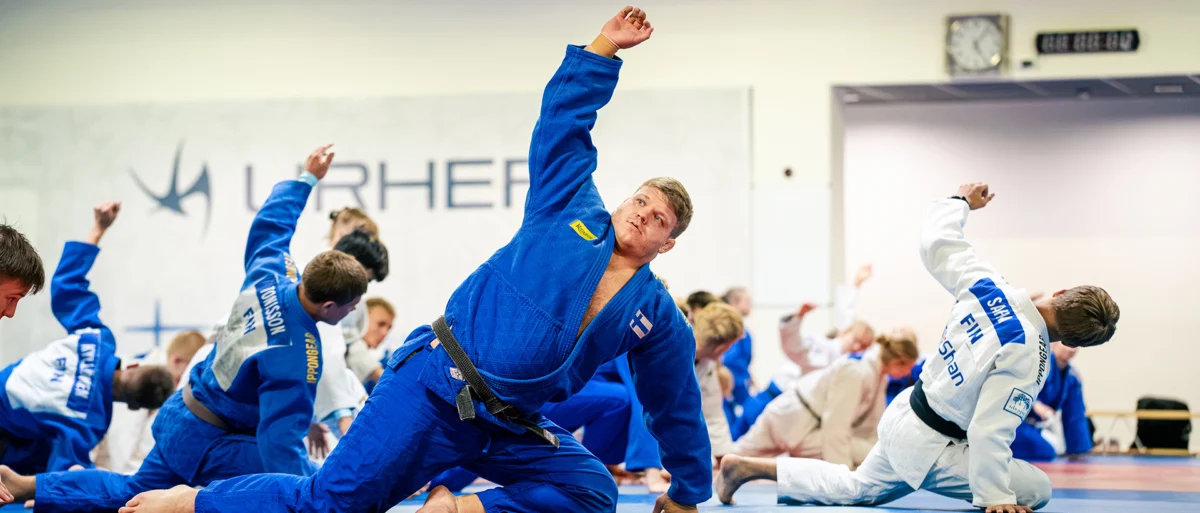
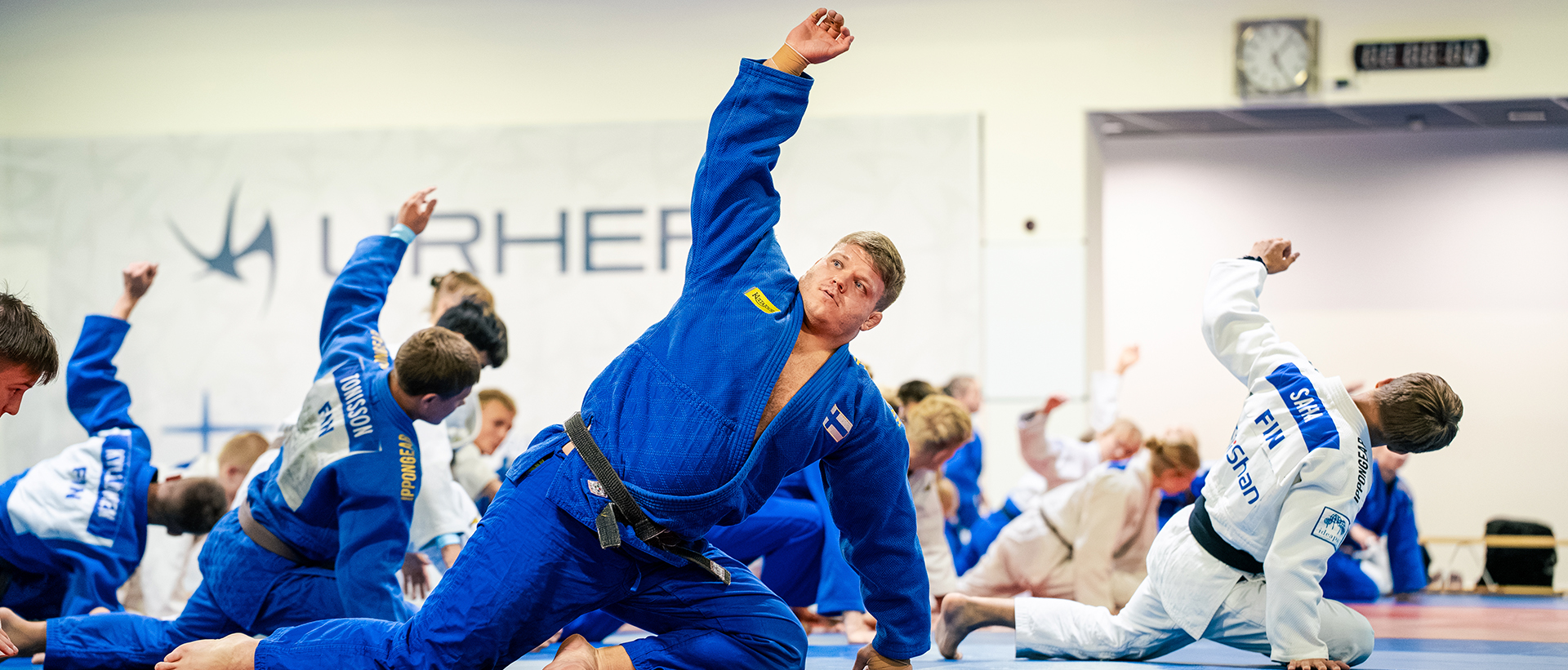
The turning point was the decision to centralize operations at the Urhea-campus in Helsinki. By consolidating the athletes, the coaching staff, and international-standard training facilities under one roof, the federation was able to enforce a standard of excellence that had previously been unattainable.
The Cultural Shift: Forging a "Winning Mentality"
Perhaps the most significant challenge was not physical, but psychological. "In Finland, there wasn’t a ‘winning culture,’" admits Drakšič. "Athletes didn’t know how to win. They were respectful, but they lacked the necessary arrogance—the belief that they belonged at the top."
Drakšič initiated a rigorous program to change the internal dialogue of his athletes. He insisted that they look world-class opponents in the eye and approach every match with the genuine belief that they could win. This mindset was baked into the daily routine.
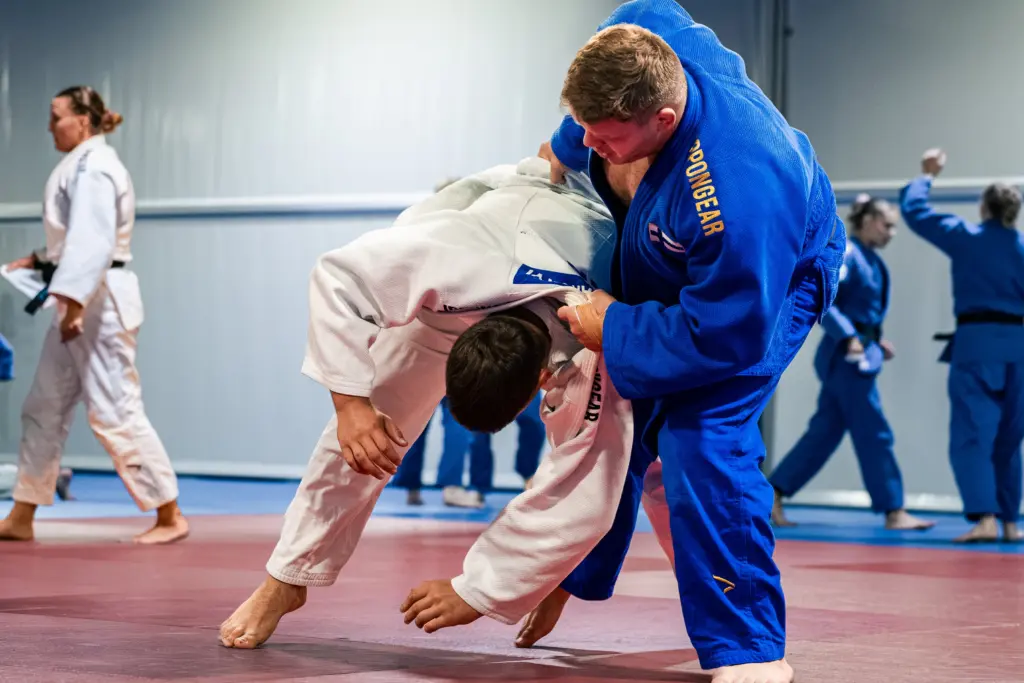
"The increase in standards meant things as simple as rules and operational instructions," explains Favén. "How you behave on the tatami, the importance of punctuality, and the absolute requirement to commit to the team’s mission. We stopped accepting the ‘path of least resistance.’"
Methodology: Training Harder, Smarter, and Together
Drakšič’s philosophy is rooted in the belief that if you want to beat the best, you cannot simply do what the rest are doing. You must do more, and you must do it with greater intensity.
"Every session must be performed with total commitment," says Favén. "If you are sparring, you don’t pick a partner who is easy to beat; you pick someone who challenges you. You don’t hide from difficulty."
This intensity is balanced by sophisticated, data-driven recovery protocols. The coaching staff monitors the load of top athletes on a weekly basis, rhythmically adjusting the training intensity based on performance tests. This ensures that when the athletes arrive at major competitions, they are not burnt out, but rather primed to peak at exactly the right moment.
Official Perspectives: The Institutional View
The success of the program has not gone unnoticed by the Finnish Olympic Committee. Jaana Jokinen, the committee’s high-performance manager, views the judo model as a blueprint for other niche sports in Finland.
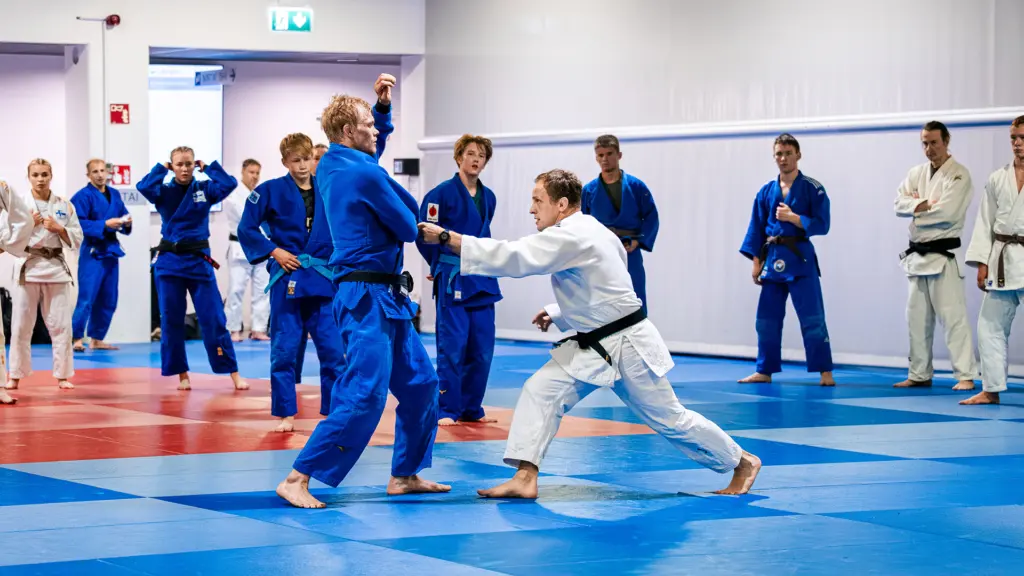
"The goal for the next cycle is clear," says Jokinen. "We are no longer just looking to participate. The focus is on the 2028 Los Angeles Olympics. We have moved from wanting to medal to expecting to medal."
Jokinen emphasizes that the challenge moving forward is sustainability. "We cannot rest on our laurels. The system is working, but it requires constant renewal. We need to continue developing our coaching expertise so that the knowledge is shared widely, not just concentrated at the top. The future of the sport depends on the vitality of local clubs across the country, where the next generation of champions is currently taking their first steps."
Implications: A Sustainable Future?
The long-term success of this initiative hinges on the integration of the junior path. The Urhea-campus serves as a beacon, but the federation is acutely aware that if they only focus on the elite, the pipeline will dry up.
"We have built a clear, transparent path for young athletes," says Favén. "A young judoka today can look at the national team and see a road map to the podium. They can see their idols training right next to them, which makes the goal tangible."
This visibility is a powerful tool. When a young athlete sees Martti Puumalainen or Sofia Pekki succeeding on the international stage, the "impossible" becomes "attainable."
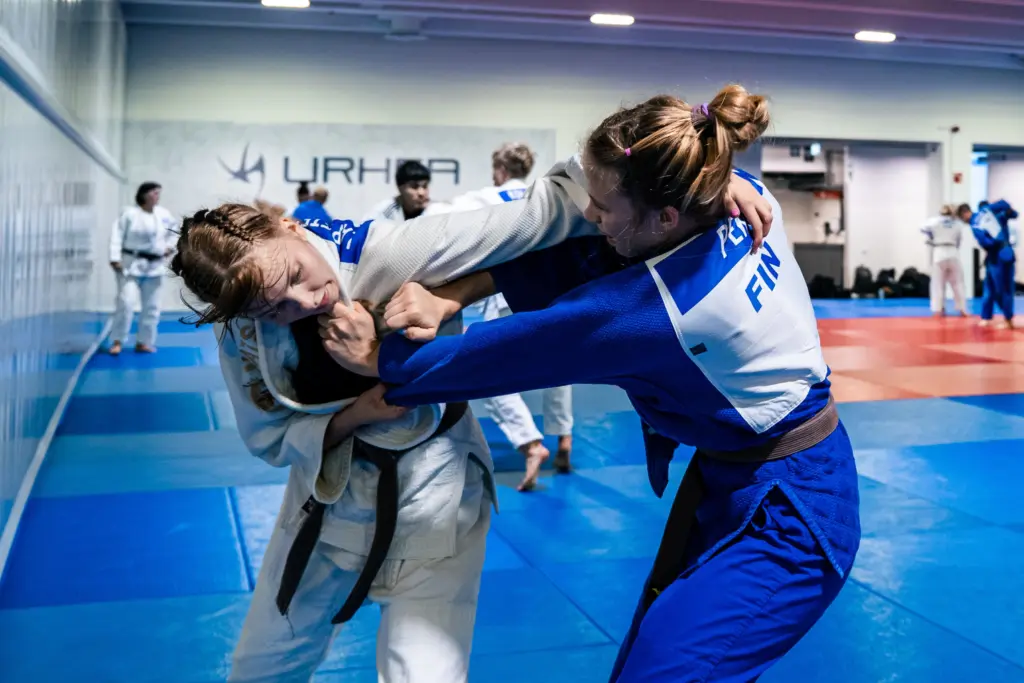
Looking Ahead: The Los Angeles 2028 Horizon
As the team prepares for the next Olympic cycle, the rhetoric has shifted from cautious optimism to bold ambition. The Finnish Judo Association has publicly stated that an Olympic medal is the goal for Los Angeles 2028.
"In the past, we might have been afraid to say it out loud," admits Favén. "Now, it’s not just a dream. It’s an objective. We have the athletes, we have the system, and most importantly, we have the belief."
The journey of Finnish judo serves as a compelling case study in organizational management and psychological conditioning. By stripping away the inefficiencies of the past and replacing them with a culture of high standards and mutual accountability, Finland has transformed itself into a force to be reckoned with. The tatami is no longer a place of quiet practice; it is a place where the next generation of Finnish athletes is forging a new, golden era.
Whether this momentum can be sustained over the next decade remains to be seen, but for now, the path is set. With a clear vision, a dedicated team, and a growing reservoir of talent, Finnish judo has proven that with enough discipline, even the smallest nations can topple the giants of the sport.