In an era of high-performance wellness and constant movement, the humble water bottle has received a significant upgrade. Electrolyte powders, once relegated to the gym bags of marathon runners and elite athletes, have become a staple for the average consumer. From nursing a stubborn post-party headache to powering through a humid summer afternoon, these supplements promise more than just hydration—they promise optimization.
However, the "best" electrolyte powder is a moving target. It depends entirely on the biological demands of your day. Are you pushing your physical limits in extreme heat, or are you simply looking to improve your water intake during a standard office workday? As we delve into the market, it becomes clear that not all hydration solutions are created equal.
The Core Essentials: What Makes a Good Electrolyte?
At its most basic level, your body is an electrical system. Electrolytes—minerals including sodium, potassium, magnesium, calcium, and phosphorus—are the conductors that allow that system to function. They are responsible for fluid balance, nerve signaling, and muscle contractions.
According to Amy Brownstein, a registered dietitian nutritionist at MyNetDiary, the goal of an electrolyte supplement is to help the body "actually absorb the water you drink." While plain water is the gold standard for daily intake, it often lacks the minerals necessary for rapid rehydration, especially when those minerals are being purged through sweat or physical stress.
The Balancing Act
The primary challenge for consumers is the concentration of ingredients. Many popular brands are designed for endurance athletes, featuring high sodium and carbohydrate counts that can be unnecessary—and even counterproductive—for the sedentary individual. As Shelley Balls, RDN, explains, carbohydrates are essential for preserving muscle glycogen during intense exercise, but they are generally not required for casual daily hydration.
Chronology: The Evolution of Modern Hydration
The transition of electrolytes from medical necessity to lifestyle product has occurred rapidly over the last decade. Historically, solutions like Pedialyte were reserved for pediatric care or severe clinical dehydration. As fitness tracking became ubiquitous, brands like Liquid I.V. and LMNT capitalized on the growing consumer desire to "hack" their biology.
In recent years, the market has expanded to include "functional" electrolytes—drops that include adaptogens, vitamins, and cognitive enhancers. This evolution reflects a broader trend: consumers no longer just want to stay hydrated; they want their water to work as hard as they do, whether it’s for focus, digestion, or immunity.
Navigating the Best Options: A Curated Guide
Based on rigorous testing and expert consultation, we have identified several standout products for specific use cases.

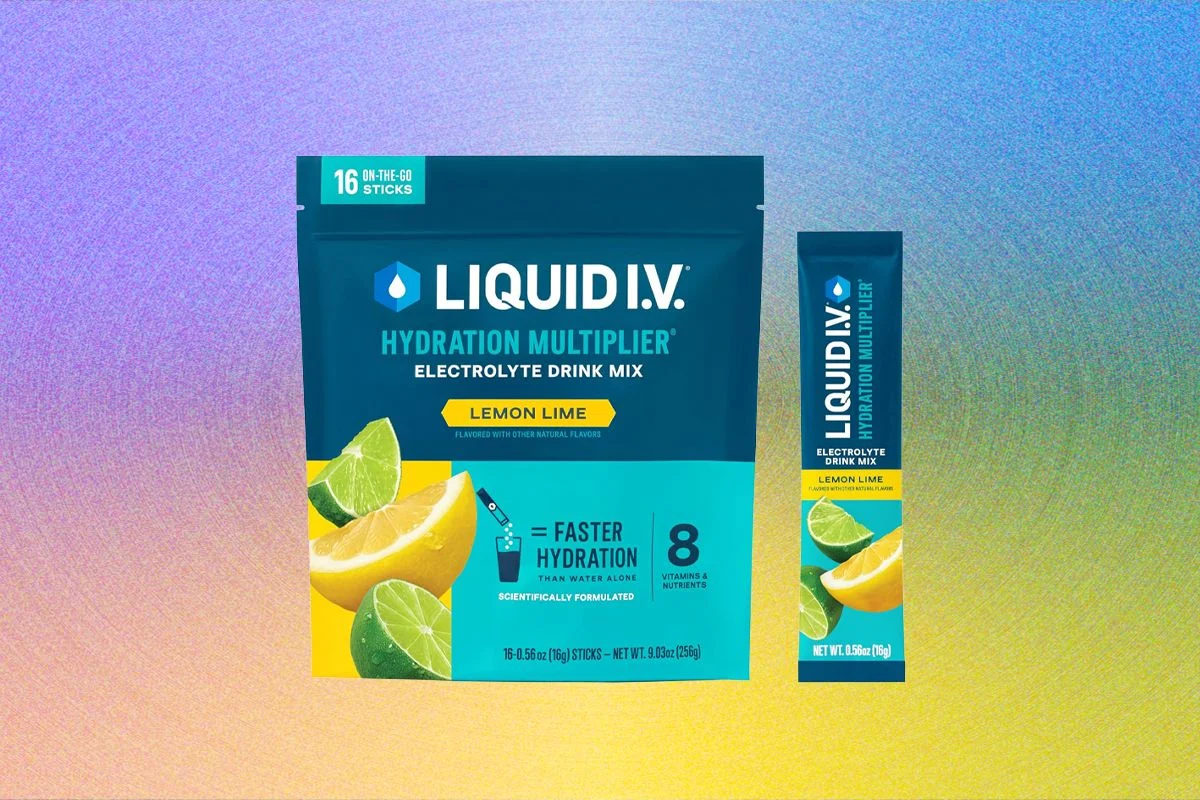
The Best Overall: Liquid I.V. Hydration Multiplier
Liquid I.V. remains a household favorite for a reason. Its formulation is effective, balanced, and remarkably approachable. For those attending music festivals or navigating dry climates, the packet is easy to transport, and the flavor profiles are consistently satisfying. It strikes a balance that makes it suitable for the everyday user without being overly aggressive in its mineral concentration.
The Best for Athletes: Skratch Labs Hydration Sport Drink Mix
For those pushing their bodies to the limit, Skratch Labs is a gold standard. Its higher carbohydrate and sugar content provides a measurable energy boost that athletes need when their glycogen stores are depleted. It is designed to be palatable even when you are physically exhausted, avoiding the "slog" factor that comes with thicker, more syrupy drinks.
The Best for Hangovers: Electrolit Powder Packets
When the body is struggling to recover from the dehydrating effects of alcohol, Electrolit offers a reliable, science-backed approach. The mix of sodium, carbohydrates, and sugar is specifically calibrated to restore fluid balance quickly. While it contains artificial coloring—a point of contention for some—its effectiveness in "soothing the hungover brain" remains high.
The Best for Fast Convenience: SaltStick Electrolyte FastChews
Sometimes you cannot stop to mix a powder. SaltStick offers a chewable format that triggers saliva production, which aids in immediate absorption. These are ideal for long-distance runners or hikers who need to "re-up" their electrolytes every 30 minutes without stopping to guzzle a large volume of water.
The Best for Customization: Buoy Electrolyte Drops
For the minimalist, Buoy offers a versatile, flavorless solution. These drops allow you to turn any beverage into an electrolyte-enhanced drink. Because they are free from sugar, sweeteners, and calories, they are an excellent choice for those who want to keep their intake simple and precise.
Implications: The Risks of Over-Supplementing
While the market is flooded with options, health professionals offer a word of caution. The "more is better" mentality can lead to significant health complications.
The Sodium Trap
High-sodium electrolyte powders are designed for extreme environments. Consuming these concentrations without the corresponding physical activity can lead to elevated blood pressure and undue strain on the kidneys. As Dr. Hallie Zwibel, director of the Center for Sports Medicine at the New York Institute of Technology, notes, "Repeatedly consuming high-sugar foods and beverages can lead to diabetes, as well as potential weight gain."
The "3H" Rule
To determine when you actually need an electrolyte supplement, experts recommend the "3H" method:

- Hour: Are you active for an hour or more?
- Heat: Are you exercising in high-temperature conditions?
- Hard: Is the work intense enough to induce heavy sweating?
If you answer "no" to these, your body likely does not require an electrolyte supplement. In these cases, water and a balanced diet remain the gold standard.
Official Responses and Expert Consensus
The medical community maintains a consistent stance: electrolytes are a tool, not a daily mandatory requirement. Pediatrician Heather Gosnell emphasizes that for most people, a diet rich in fruits and vegetables provides all the minerals necessary for health. "Electrolyte drinks are helpful after intense exercise or heat exposure, but avoid high-sugar options," she says. "For everyday hydration, simple water and healthy foods are best."
Furthermore, there is a ongoing debate regarding industry claims. Some brands, such as LMNT, have challenged global health guidelines, suggesting that sodium caps are overly restrictive. However, dietitians maintain that individual health history—specifically regarding heart health and hypertension—should always take precedence over marketing copy.
Final Thoughts: Choosing Your Path
The landscape of hydration is vast. Whether you choose the fizzy, fun experience of Plink tablets, the performance-focused profile of Skratch Labs, or the unflavored versatility of Buoy, the most important takeaway is to understand your own body’s needs.
Before integrating any high-concentration supplement into your daily routine, consult with your primary care physician, especially if you have existing conditions related to blood pressure or kidney function. Electrolytes are a powerful ally in your pursuit of wellness, but they are most effective when used with intention, moderation, and an understanding of the science behind the sip.
Updated July 2026: This guide has been updated to include new honorable mentions from Rolus and GoHydrate, ensuring all pricing and product availability remain current for our readers.