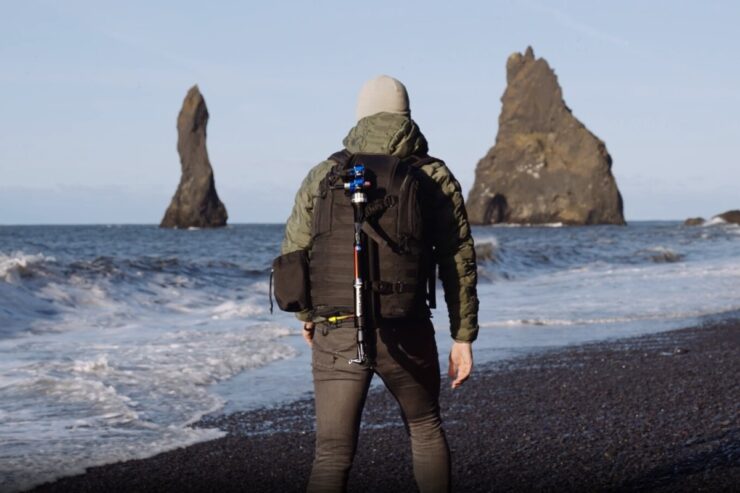
For the modern outdoor enthusiast, the ability to combine hiking, camping, and angling into a single excursion represents the pinnacle of adventure. However, the primary barrier to entry for many has long been the logistics of gear transportation. Traditional fishing rods are cumbersome, fragile, and often impossible to secure to a hiking pack without risking damage.
The evolution of backpacking-specific fishing rods has fundamentally changed this dynamic. By prioritizing portability without sacrificing the structural integrity required to land a trophy fish, these specialized tools have opened up remote, untouched waters to anglers who previously lacked the means to access them. Whether you are a weekend warrior trekking to a high-altitude alpine lake or a seasoned adventurer exploring river systems miles from the nearest trailhead, selecting the right rod is the single most important decision for your trip.
The Evolution of Travel-Ready Angling Gear
The history of the portable fishing rod is a tale of material science and engineering ingenuity. Historically, anglers were forced to choose between heavy, one-piece rods that provided excellent sensitivity but were travel-prohibitive, or flimsy, unreliable collapsible models.
In recent years, the industry has seen a massive shift. The integration of high-modulus carbon fiber, aerospace-grade resins, and advanced ferrules has allowed manufacturers to create multi-piece rods that mimic the "action" and "feel" of single-piece counterparts. This technological shift has turned the backpacking rod from a compromise into a legitimate, high-performance tool.
Top-Tier Selections for the Discerning Angler
Navigating the crowded marketplace of fishing gear can be daunting. Based on extensive field testing, performance metrics, and industry reputation, the following nine rods represent the current gold standard for backpacking and travel fishing.
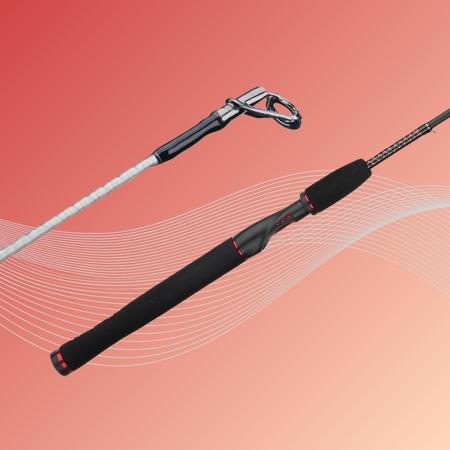
1. Ugly Stik GX2 Spinning Rod: The Gold Standard for Durability
The Ugly Stik GX2 is a testament to the fact that high performance does not always require a premium price tag. Known for its proprietary "Ugly Tech" construction—a combination of graphite and fiberglass—the GX2 offers a legendary level of resilience.
- Performance: It handles larger species with ease, yet maintains enough sensitivity in the tip to register strikes from smaller panfish.
- Versatility: Whether fishing a turbulent mountain stream or a calm, stagnant pond, its moderate-fast action adapts to nearly every environment.
- Verdict: While reel seat limitations exist for larger models, the GX2 remains the most reliable, "no-nonsense" choice for anglers who demand gear that can withstand the rigors of the backcountry.
2. PLUSINNO Fishing Rod and Reel Combos: The All-In-One Solution
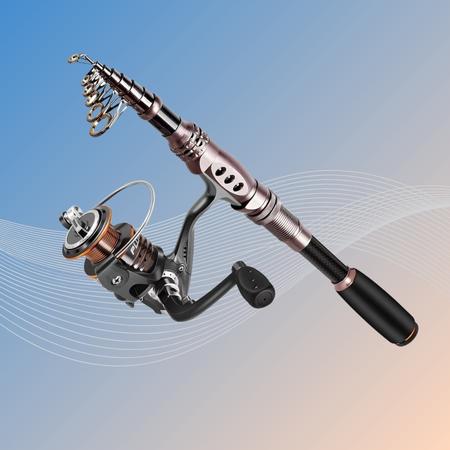
For those who prefer a "grab-and-go" approach, the PLUSINNO system is unparalleled. It is not merely a rod; it is a comprehensive kit including lines, lures, and a protective carrier.
- Portability: The telescopic design allows for rapid deployment and storage.
- Build Quality: High-density carbon fiber mixed with fiberglass provides a stiff, responsive backbone.
- Consideration: The rod can feel slightly bottom-heavy when fully extended, which may lead to fatigue during day-long casting sessions.
3. Piscifun Sword Fly Fishing Rod: Precision for the Backcountry
The Piscifun Sword holds a special place in the ultralight community. Specifically designed for fly fishing, this four-piece graphite rod breaks down into a remarkably compact PVC tube.
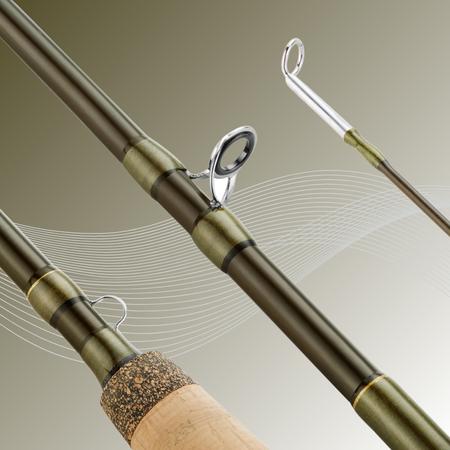
- The Casting Experience: The high-quality ceramic guides reduce friction, allowing for long, accurate casts that feel effortless.
- Value Proposition: Priced aggressively, this rod performs at a level typically reserved for setups costing triple its retail price.
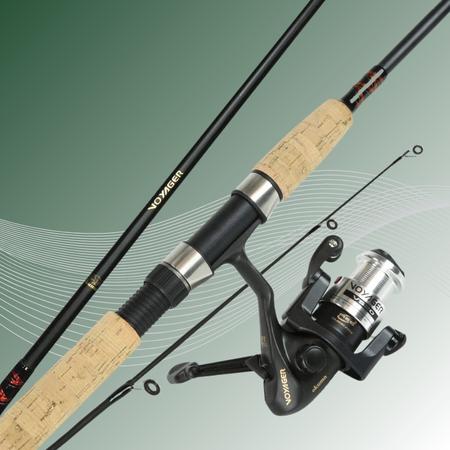
4. Okuma Voyager Spinning Freshwater Travel Kit
The Okuma Voyager is designed with the minimalist traveler in mind. The kit includes a matching reel and a rugged carry case that fits easily into a standard internal-frame backpack. Its resilient construction makes it an ideal choice for the casual angler who doesn’t want to worry about delicate equipment.
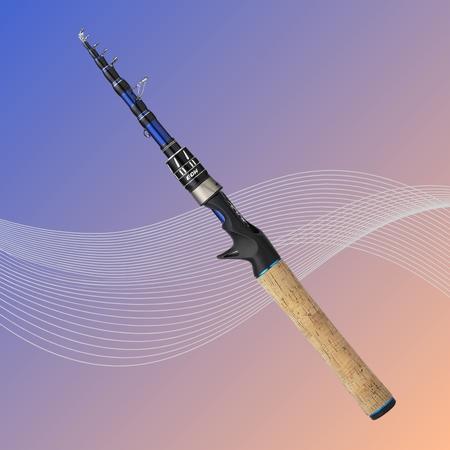
5. EOW XPEDITE Portable Telescopic Rod
Combining carbon fiber and E-glass, the EOW Xpedite offers a sophisticated balance between weight and power. It is particularly effective for those targeting larger, more aggressive freshwater fish, as its 10-30lb line rating suggests a significant amount of "backbone."
6. Sougayilang Telescopic Series
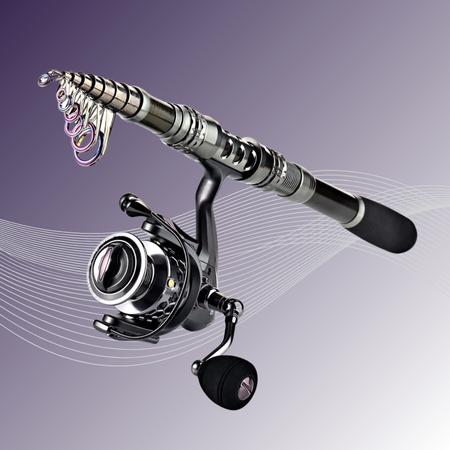
The Sougayilang rod is an excellent entry-level option for those dipping their toes into remote fishing. It features SIC ceramic guide rings that dissipate heat efficiently—an essential feature for those fighting energetic fish for extended periods.
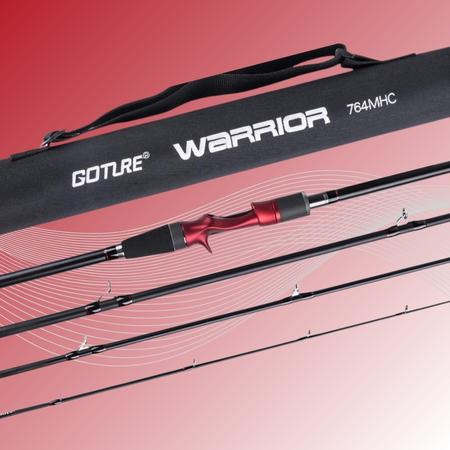
7. Goture XCEED Travel Series
The Goture XCEED is engineered for the modern, tech-focused angler. Its 30-ton carbon matrix blank provides an incredible strength-to-weight ratio, and the inclusion of "Tórico" guide rings makes it one of the smoothest casting rods in the portable category.
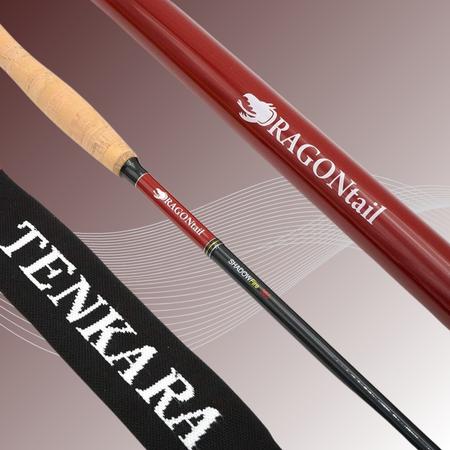
8. DRAGONtail Shadowfire 365 (Tenkara)
Tenkara fishing has surged in popularity among backpackers because it removes the need for a reel entirely. The Shadowfire 365 is a 12-foot rod that collapses to under 24 inches. It is the ultimate tool for precise, delicate presentation in small, brush-heavy mountain creeks.
9. X5 Travel Fishing Combination (Rigged & Ready)
The X5 is a premium offering for the serious angler. Its design is modular, allowing for quick transitions between spin and fly configurations. While it sits at a higher price point, the build quality, featuring Zylon-reinforced carbon, is unmatched for those who treat their gear as an investment.
Technical Considerations: How to Choose Your Tool
When evaluating which rod fits your specific style, consider these five technical pillars:
- Rod Action: This determines where the rod bends. "Fast" action bends near the tip and is best for setting hooks quickly. "Slow" action bends closer to the handle, providing a whip-like motion that is better for delicate presentations.
- Length: Shorter rods (under 6 feet) offer superior accuracy in dense forests, while longer rods (7+ feet) are superior for long-distance casting in open lakes.
- Power: This is the rod’s resistance to bending. Ultralight power is best for small stream trout, while medium-heavy power is required for bass or pike.
- Telescoping vs. Multi-Piece: Telescoping rods offer the fastest setup time, whereas multi-piece (ferruled) rods generally offer a more natural, uniform "bend" during a fight.
- Durability & Materials: Always look for high-modulus carbon fiber or composite blends. If your trips involve scrambling over rocks or thick brush, ensure the rod includes a hard-shell protective case.
Implications for the Modern Angler
The shift toward lightweight, high-performance backpacking rods has significantly altered the environmental impact of fishing. By allowing anglers to travel further into the wilderness, it has decentralized fishing pressure, moving it away from highly trafficked, over-fished public access points and toward more sustainable, remote ecosystems.
However, this increased access comes with a responsibility. The "Leave No Trace" principle is paramount when using these tools. The ability to fish anywhere does not grant the right to leave gear, line, or waste in pristine environments. As the community of backcountry anglers grows, it is vital that we prioritize conservation and ethical catch-and-release practices to ensure these waters remain vibrant for the next generation.
Final Thoughts: Finding Your Perfect Match
Choosing a backpacking fishing rod is a personal journey that depends on your target species, the environment you frequent, and your individual casting style. Whether you are lured by the simplicity of a Tenkara rod or the versatility of a multi-piece spinning combo, the right gear will turn your hiking trip into a multifaceted expedition.
As you prepare for your next trip, remember that the "best" rod is the one that allows you to spend more time with a line in the water and less time worrying about your equipment. Take the time to practice with your new setup in a backyard or local park before heading into the wild; familiarity with your gear is the final ingredient in a successful, stress-free fishing experience. Happy trails, and tighter lines.