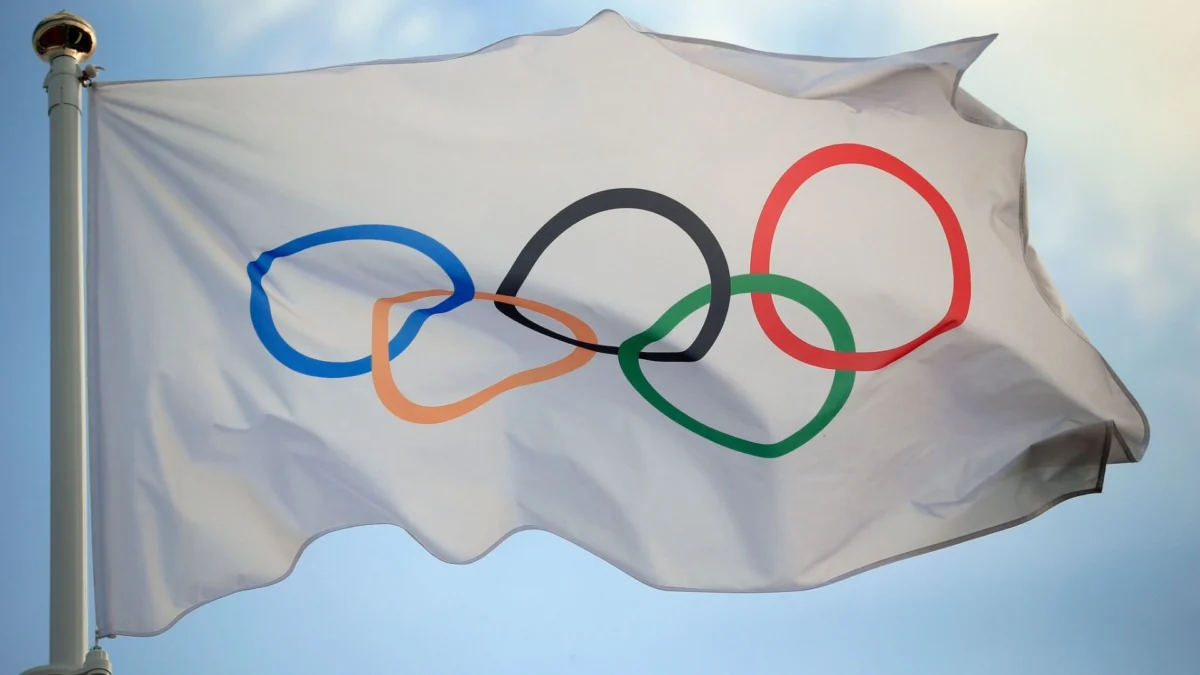
In a landmark decision that has sent shockwaves through the international sporting community, the International Olympic Committee (IOC) Executive Board announced on July 7, 2026, the provisional lifting of the suspension imposed on the Russian Olympic Committee (ROC). The move, which effectively terminates the ban in place since October 2023, marks a significant, albeit highly contentious, pivot in the IOC’s strategy regarding the role of Russia within the Olympic movement amidst the ongoing war in Ukraine.
While the IOC emphasized that the decision does not constitute an automatic return for Russian athletes to every international event, it effectively rescinds previous recommendations that urged international sports federations (IFs) to limit the participation of athletes from Russia and Belarus. The responsibility for determining specific participation criteria and eligibility now shifts back to individual international governing bodies, setting the stage for a fragmented and potentially volatile landscape in global competition.
The Chronology of Exclusion and Reintegration
To understand the weight of this decision, one must look at the timeline of events that defined the last three years of sports diplomacy.
Following the escalation of the conflict in Ukraine in early 2022, the IOC initially issued strong recommendations to international federations to exclude athletes from Russia and Belarus from international competitions. By October 2023, the IOC took a more formal step by suspending the Russian Olympic Committee entirely. This was prompted by the ROC’s unilateral decision to incorporate regional sports organizations from the occupied territories of Ukraine—Luhansk, Donetsk, Kherson, and Zaporizhzhia—into its own structure. The IOC deemed this a flagrant violation of the Olympic Charter, which dictates the territorial integrity of National Olympic Committees.
Between late 2023 and mid-2026, the global sports scene remained largely bifurcated. While some federations maintained strict bans, others began exploring "neutral athlete" pathways. The landscape shifted fundamentally on June 25, 2026, when the IOC General Assembly ratified a significant amendment to the Olympic Charter. This amendment codified the principle of "political neutrality," mandating that sports organizations must protect the right of athletes to participate in global events regardless of the political situation in their home countries. This legislative maneuver provided the legal architecture necessary for the July 7 decision to lift the ROC suspension.
The Legal and Philosophical Basis for the Decision
The IOC’s justification for the reversal rests on two primary pillars: the principle of political neutrality and the administrative status of the ROC.
The Olympic Charter Amendment
The amendment to the Olympic Charter serves as the cornerstone of the IOC’s current stance. By emphasizing that the Olympic movement must remain a neutral, apolitical space, the IOC has positioned itself to argue that excluding athletes based on their nationality or their government’s actions violates the core tenets of "Olympism." Proponents of this view argue that the Games are a bridge between peoples, not a platform for geopolitical posturing.
Administrative Clean-up
Regarding the specific suspension of the ROC, the IOC noted that the Russian committee has since ceased its activities in the aforementioned occupied Ukrainian regions. By shedding these administrative ties, the ROC met the technical requirements set by the IOC for the lifting of its suspension. Furthermore, the IOC pointed to the current qualification cycles for the Los Angeles 2028 Summer Olympics and the 2028 Dolomiti Valtellina Winter Youth Games. The IOC argued that to ensure the integrity of these qualification processes, all eligible athletes must have a fair, non-discriminatory path to competition.
Strict Antidoping and Compliance Protocols
Despite the lifting of the suspension, the IOC has been careful to frame the decision within a framework of rigorous oversight. The organization maintains that the lifting of the ban is not a "blank check."
All Russian athletes seeking to return to the international stage remain subject to the most stringent anti-doping protocols in the history of the movement. The International Testing Agency (ITA) will continue to lead an independent testing program. Athletes must clear a comprehensive battery of tests and undergo continuous monitoring to ensure they meet international standards before being cleared for competition.
Crucially, the IOC clarified that its political stance on the war in Ukraine remains unchanged. "The IOC continues to condemn the war in Ukraine," a spokesperson stated, reiterating that the organization remains committed to supporting the Ukrainian Olympic community, which continues to suffer the physical and economic ravages of the conflict.
Official Responses: The Finnish Perspective
The reaction from national sporting bodies, particularly those in Northern Europe, has been one of profound skepticism and disappointment. Riku Tapio, the Chief Executive Officer of the Finnish Olympic Committee, expressed his organization’s disapproval, noting that while the decision was not a surprise, it remains deeply regrettable.
"The IOC had already lifted participation restrictions regarding Belarus, and the charter amendment in June created the conditions for this move," Tapio stated. "While we anticipated this, it is a bitter pill to swallow given that the war in Ukraine is far from over. We believe that the impact of the war on sports cannot simply be ignored for the sake of administrative convenience."
The Call for Integrity and Independence
For the Finnish Olympic Committee, the priority is the protection of sports from becoming a tool for propaganda. Tapio emphasized that international federations now carry a heavy burden of responsibility.
"The international sports movement and the federations must ensure that, in the implementation of these decisions, the independence of sport and the values of Olympism are not sacrificed," Tapio argued. "We must be vigilant. Sport must build peace and mutual respect—it cannot be a vehicle for state-led political influence."
Tapio reaffirmed that Finland’s support for Ukrainian athletes remains "unwavering." He stressed that for Finland, the focus is on maintaining the integrity of the competition environment, ensuring that Russian participation—if it occurs—does not overshadow the humanitarian reality of the conflict.
The Implications for Los Angeles 2028
As the world looks toward the 2028 Los Angeles Games, the implications of this decision are immense. The IOC has stated that a separate, distinct decision regarding the use of the Russian flag, anthem, and other national symbols will be made closer to the start of the 2028 Olympics.
This delay leaves the "neutral athlete" status in limbo. It is possible that Russian athletes could compete under a neutral banner, similar to the protocols seen in previous years, or the IOC could opt for a full reintegration. Each path carries significant political risk. A full reintegration would likely trigger boycotts or protests from nations that view the presence of Russian symbols as an endorsement of the Kremlin’s policies. Conversely, maintaining a neutral status will continue to be a point of friction with Moscow, which views such conditions as discriminatory.
The Fragmentation of Global Sports
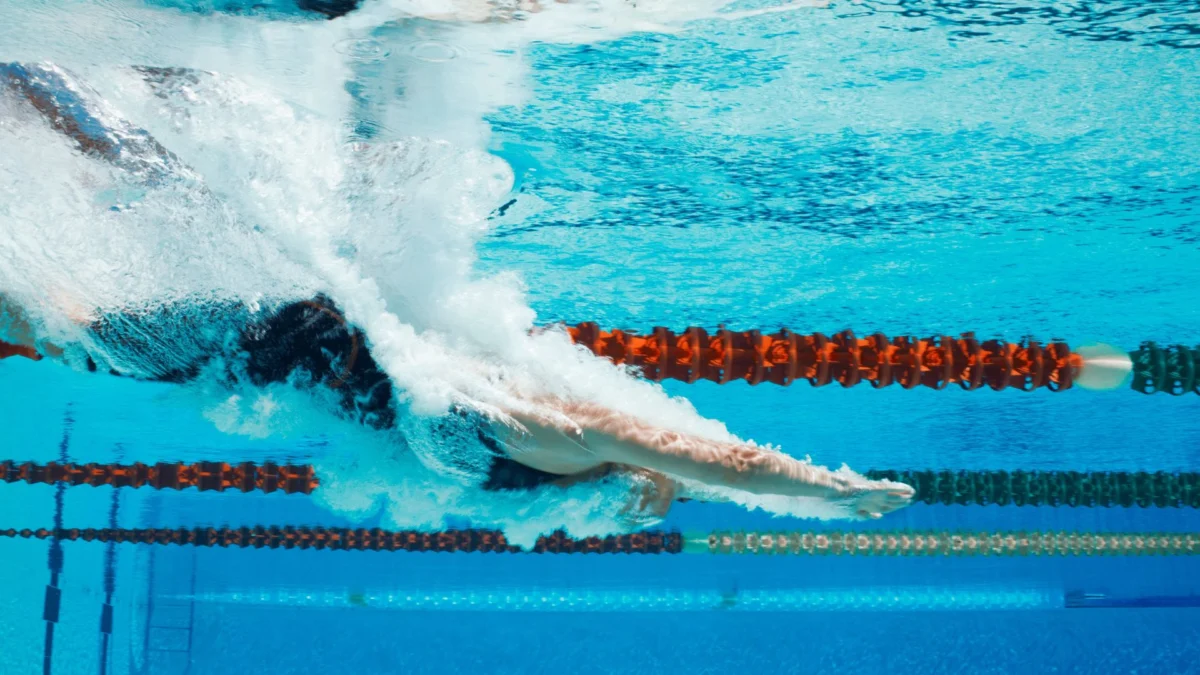
Perhaps the most significant long-term implication is the potential for a fragmented global sports system. With the responsibility now shifted to individual international federations (IFs), we may see a scenario where athletes are eligible to compete in some sports but not others, depending on the specific policies of the governing bodies for sports like swimming, track and field, or gymnastics.
This lack of a unified approach creates an uneven playing field. It also forces athletes into the center of a geopolitical firestorm, where their ability to pursue their careers is dictated by the complex intersection of international law, IOC policy, and the individual stances of their respective sports federations.
Conclusion: A Delicate Balancing Act
The IOC’s decision to lift the suspension of the ROC is a masterclass in the delicate—and often impossible—balancing act of maintaining global inclusivity while navigating real-world geopolitical crises. By prioritizing the "neutrality" of sport, the IOC hopes to insulate the Olympic movement from the pressures of state conflict.
However, as voices like those from the Finnish Olympic Committee demonstrate, there is a significant segment of the global sporting community that believes this "neutrality" is an illusion. For them, the decision is not just an administrative update, but a moral compromise. As the qualification cycle for Los Angeles 2028 intensifies, the true test of this policy will lie in whether the international sports community can truly prevent the Games from becoming a stage for the very political agendas the Olympic Charter claims to exclude.
For now, the world of sports remains in a state of uneasy transition, watching to see how individual federations navigate these new, uncharted waters. The goal of "sport for peace" is as aspirational as ever, but in the current climate, the road to the 2028 podium is paved with more questions than answers.