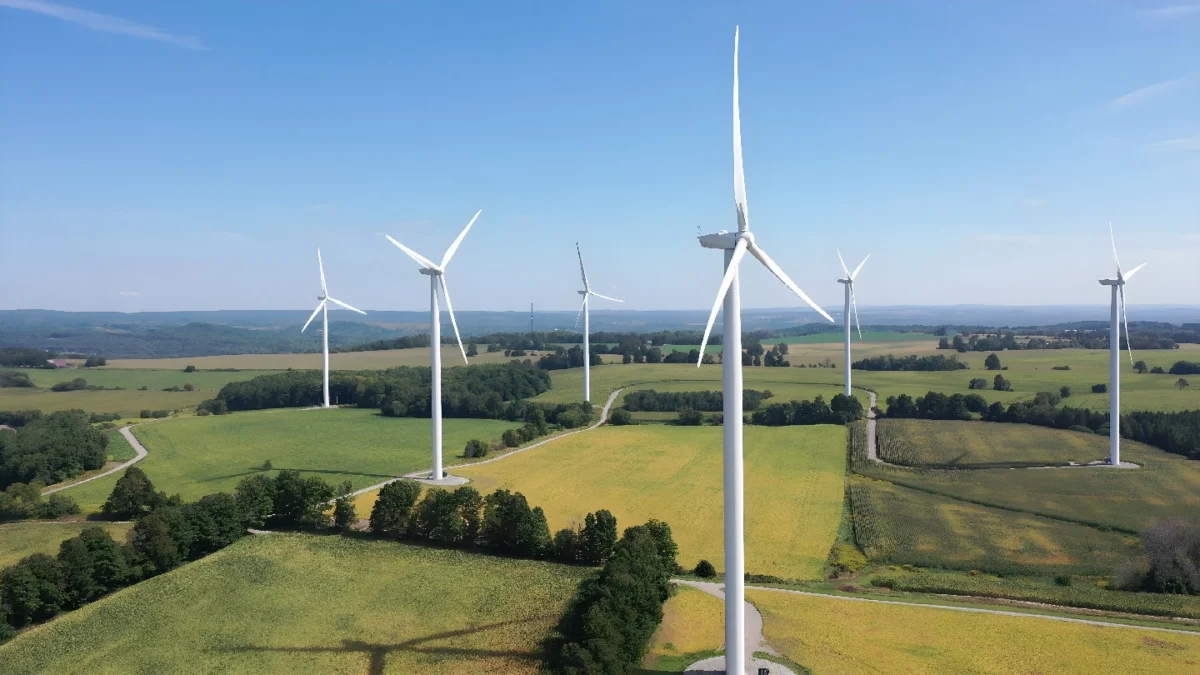
In a move described by regulators as unprecedented in the United States, the Maine Public Utilities Commission (MPUC) has officially selected Clearway Energy Group to develop a massive 800MW onshore wind project in northern Maine. Simultaneously, the commission has tapped Avangrid—the parent company of Central Maine Power—as the preferred developer for a high-capacity transmission line designed to integrate this renewable energy directly into the New England power grid.
This decision, solidified under Docket No. 2026-00033 of the Northern Maine Renewable Energy Development Program, marks a pivotal shift in how New England states approach climate targets, grid reliability, and economic development. By utilizing a multi-state cost-sharing model, the project aims to minimize the financial burden on individual ratepayers while maximizing the regional transition to clean energy.
The Core Proposal: Bridging Northern Maine to the Regional Grid
The selection of Clearway Energy Group and Avangrid represents the culmination of an extensive request for proposals (RFP) process. Clearway has been awarded a contract for both the energy output and the associated renewable energy credits (RECs), subject to the successful finalization of the transmission infrastructure.
The Technical Scope
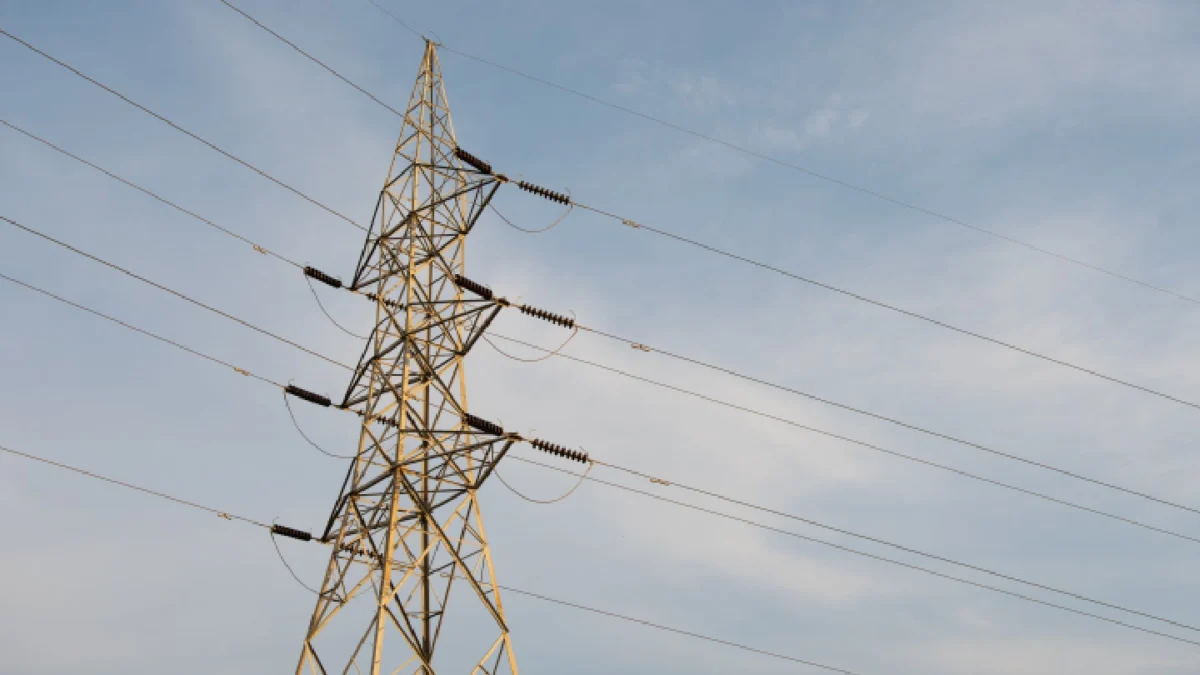
Avangrid’s winning proposal centers on a 1.2GW transmission line terminating at Haynesville. A critical factor in the MPUC’s selection process was the developer’s commitment to utilizing existing transmission corridors wherever practically possible. By leveraging established rights-of-way, the project significantly reduces the environmental footprint and the complex legal hurdles typically associated with greenfield transmission projects.
According to the MPUC, the Avangrid proposal demonstrated the highest level of commercial viability and technical readiness, providing the greatest assurance that the line could be completed within a reasonable timeframe to meet the region’s urgent decarbonization goals.
Chronology of Development: From Concept to Selection
The journey to this announcement has been marked by rigorous oversight and multi-state coordination.
- Policy Foundation: The project was initiated under the Northern Maine Renewable Energy Development Program, a legislative and regulatory framework designed to unlock the high-wind potential of Maine’s northern interior, which has historically been constrained by limited grid access.
- The RFP Process: Under Docket No. 2026-00033, the MPUC solicited bids from developers capable of scaling utility-grade wind power. The process was designed not just for Maine’s needs, but as a regional procurement effort.
- Negotiation Phase: With the selection of Clearway and Avangrid, the project has now entered a critical phase of contract negotiations. These agreements will define the long-term price of energy, the terms of the power purchase agreements (PPAs), and the governance structure for the regional cost-sharing agreement.
- Regulatory Milestones: The transmission component is currently awaiting Federal Energy Regulatory Commission (FERC) approval. The MPUC has formally recommended that the New England States Committee on Electricity (NESCOE) collaborate with the participating states and Avangrid to submit a "Voluntary Agreement" to the FERC, ensuring a streamlined regulatory path.
Supporting Data: Economic and Energy Projections
The MPUC’s analysis of the project highlights significant fiscal and economic benefits. While the total cost of the project is substantial, the regional sharing mechanism ensures that Maine remains responsible for less than 11% of the transmission line’s cost.
Financial and Economic Impact
- Net Benefits: The MPUC estimates that the project will generate net benefits to Maine ranging from $387 million to $425 million over the operational life of the project.
- Job Creation: The construction phase is expected to be a massive engine for employment, generating over 2,500 full-time, high-paying construction jobs over a four-year period.
- Tax Revenue: Beyond direct energy benefits, the project is projected to contribute approximately $150 million in new municipal and state tax revenue, providing a significant boost to local economies in northern Maine.
- Total Economic Output: The broader economic ripple effect is estimated at more than $2.4 billion in total output for the state.
Scaling Maine’s Wind Capacity
Currently, Maine operates roughly 900MW of land-based wind. The addition of this 800MW project essentially doubles the state’s wind capacity, moving Maine toward a future where renewable energy is a primary export, rather than a niche component of its energy mix.
Official Responses and Strategic Rationale
The project has garnered significant support from regulators who view it as a blueprint for the future of the American power grid.
The MPUC Perspective
MPUC Chair Philip Bartlett II emphasized the meticulous nature of the procurement, noting that the goal was to identify projects that provide value beyond the borders of Maine. "This procurement reflects months of careful work to identify projects that will bring reliable, renewable energy to the grid," Bartlett stated. "We have focused on minimizing costs for Maine ratepayers by sharing the financial burden with other states in a manner commensurate with the value provided."
A National Model
Commissioner Patrick Scully went further, suggesting that the collaborative spirit of the procurement could serve as a national case study. "I have not seen anything like this in the US," Scully said. "I think this effort deserves national attention and provides a model for other regions to work collaboratively to meet common energy, climate, and reliability goals."
Implications: A Regional Approach to Energy
The participation of Massachusetts, Vermont, Connecticut, and Rhode Island is perhaps the most significant aspect of this project. By treating the transmission line as a regional asset, these states are addressing the fundamental "bottleneck" problem that has plagued renewable energy development in New England for years.
The Remaining 400MW
While Maine has committed to taking roughly 600MW of the project’s output, the transmission line is capable of supporting 1.2GW of capacity. This leaves 400MW of "room" on the line. The MPUC has already indicated that it will issue future RFPs to fill this capacity, potentially inviting even more renewable energy projects to tap into this newly expanded grid infrastructure.
The Regulatory Hurdle
Despite the enthusiasm, the path ahead is not without challenges. Permitting for large-scale transmission infrastructure is notoriously difficult and time-consuming. The requirement for FERC approval means that the project will be subject to intense federal scrutiny regarding cost allocation and grid impact. The success of the "Voluntary Agreement" will be the true test of whether the participating states can maintain their coalition through the final stages of regulatory approval.
Long-term Energy Security
For Maine, the project is a hedge against volatile energy prices. By locking in long-term contracts for wind energy, the state creates a stable price floor for ratepayers, insulating them from the spikes in fossil fuel costs that have historically impacted the New England region during cold winter months.
Furthermore, the integration of 800MW of local wind power increases the resilience of the New England grid. As the region moves toward electrification—specifically in the heating and transportation sectors—the demand for reliable, carbon-free electricity will only increase. This project provides the necessary infrastructure to meet that demand while ensuring that Maine, with its abundant wind resources, becomes a cornerstone of the regional energy economy.
Conclusion: Setting the Pace for the Northeast
The selection of Clearway and Avangrid for this 800MW wind initiative is more than a standard utility contract award; it is a strategic alignment of regional interests. By successfully navigating the complexities of multi-state cooperation, Maine has set a new standard for how renewable energy projects can be financed and developed.
While the project will take years to reach full operational capacity, the framework established today offers a clear path forward. As the commission moves toward finalizing power purchase agreements and securing FERC approval, the eyes of the energy industry will remain fixed on Maine, watching to see if this ambitious model for regional cooperation can successfully bridge the gap between clean energy goals and the realities of modern infrastructure development. For Maine, the promise of $2.4 billion in economic output and a cleaner, more reliable power grid makes this one of the most consequential energy initiatives in the state’s history.