In a landmark move for the German renewable energy landscape, MaxSolar has finalized a $173.6 million (€155 million) HoldCo debt facility. Provided by funds managed by Copenhagen Infrastructure Partners (CIP), the capital injection is set to act as a catalyst for the company’s ambitious 1.3GW portfolio of solar photovoltaic (PV) and battery energy storage system (BESS) projects. This transaction marks a pivotal shift in MaxSolar’s financial structure, streamlining its debt profile and reinforcing its transition into a dominant independent power producer (IPP).
Main Facts: A Strategic Financial Overhaul
The newly secured debt facility is a strategic maneuver designed to optimize MaxSolar’s capital stack. By refinancing existing HoldCo debt—which was originally established in 2023—the company is consolidating its financial obligations under a single lender. This shift not only simplifies the administrative and reporting complexities inherent in multi-lender arrangements but also provides the liquidity necessary for future growth.
The financing, sourced from CIP’s Green Credit strategy, is specifically tailored for the energy transition. It offers the flexibility required to cover capital expenditures during the construction phase of projects and provides a war chest for the acquisition of new assets from MaxSolar’s extensive development pipeline. For a company focused on the lifecycle management of energy assets—from initial site selection and development to construction and long-term ownership—this degree of financial agility is paramount.
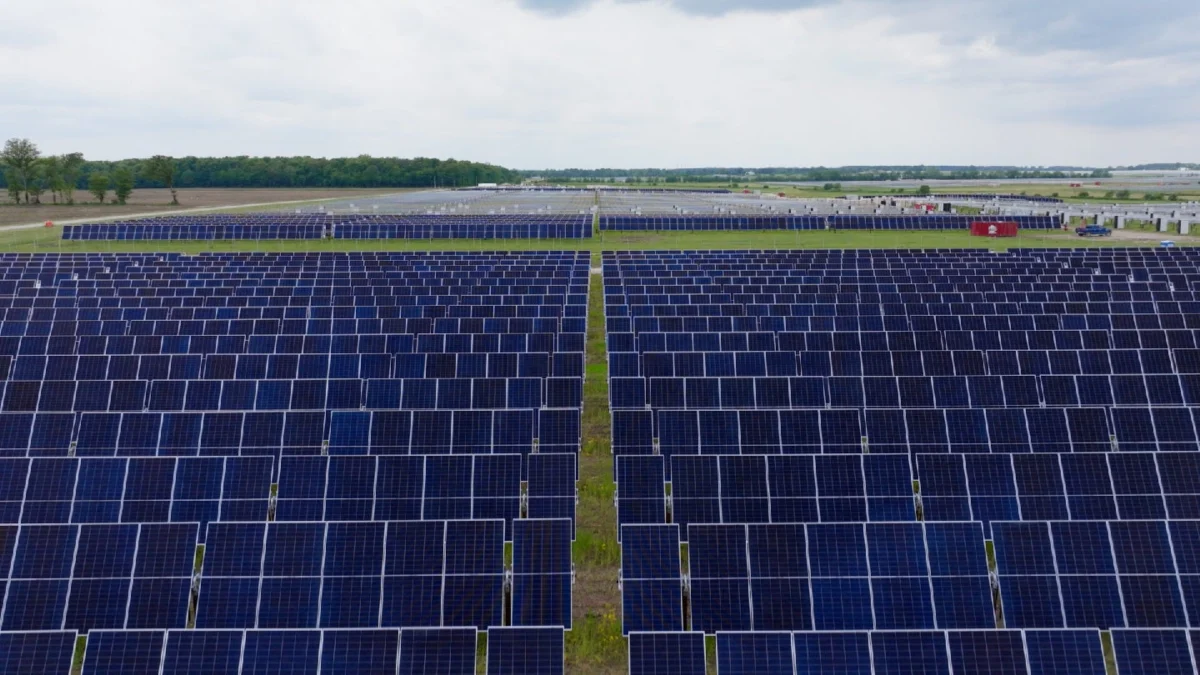
The underlying portfolio supporting this facility is robust, comprising 912MW of solar PV and 379MW of battery storage capacity. Currently, 440MW of solar generation and 25MW of co-located battery storage are fully operational and contributing to the German grid.
Chronology: The Evolution of MaxSolar
To understand the significance of this funding, one must examine the timeline of MaxSolar’s strategic pivot over the past few years:
- 2023: MaxSolar secured its initial HoldCo facility, a critical milestone that enabled the company to shift its business model from a developer-for-hire to an Independent Power Producer (IPP). This change in trajectory required a more sophisticated approach to long-term capital management.
- October 2025: The company announced a strategic partnership with Greenvolt Power, aimed at accelerating renewable energy integration and expanding their footprint across the European market. This move signaled MaxSolar’s intent to play a larger role in the pan-European energy transition.
- Q4 2026: The finalization of the $173.6 million facility with CIP represents the current apex of this growth strategy. It serves as the bridge between the company’s past development successes and its future operational scale.
Supporting Data: The 1.3GW Vision
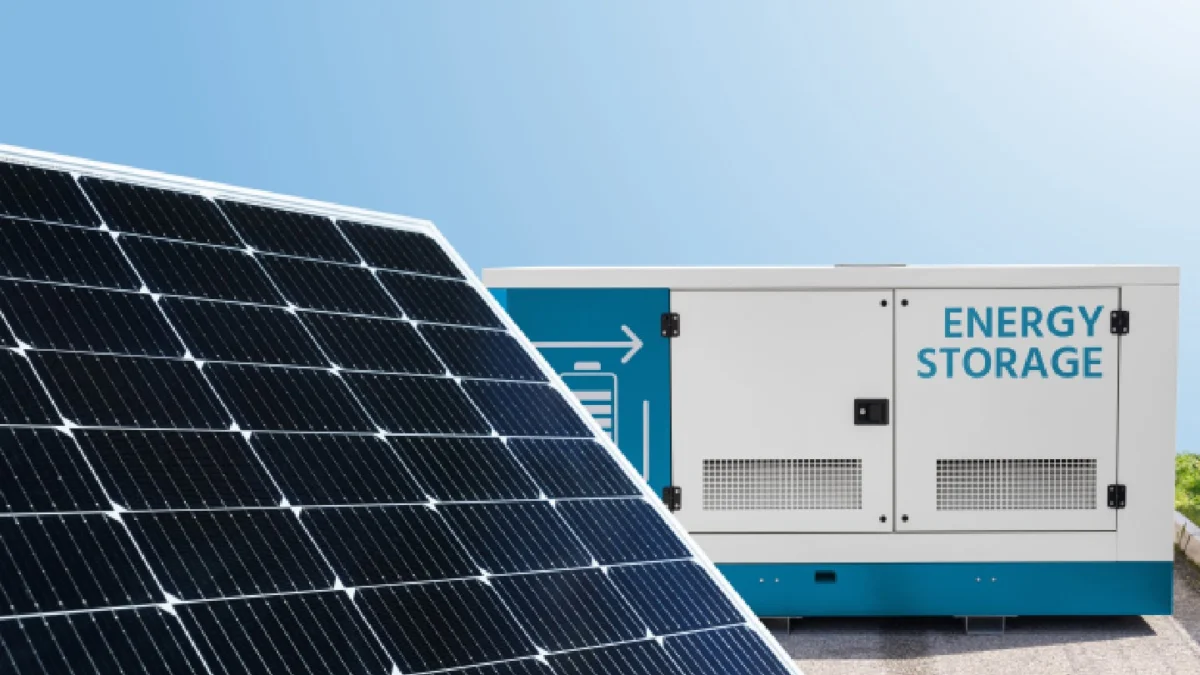
The 1.3GW target is not merely a figure; it represents a fundamental change in how MaxSolar approaches power generation. The integration of solar PV with BESS is the cornerstone of the company’s business model. By co-locating these technologies, MaxSolar addresses the inherent intermittency of solar energy, allowing for more stable, reliable, and dispatchable power delivery.
Portfolio Composition:
- Total Capacity: 1.3GW (Combined Solar and BESS).
- Solar PV (Total): 912MW.
- Battery Storage (Total): 379MW.
- Operational Assets: 440MW Solar / 25MW BESS.
- Pipeline Focus: Future growth is centered on bridging the gap between current operational capacity and the 1.3GW target, with a heavy emphasis on storage-integrated solar sites.
This balance of technology is essential for the German market. As the country continues its Energiewende (energy transition), the grid requires more than just raw generation; it requires "smart" generation that can shift supply to match peak demand periods.
Official Responses and Stakeholder Perspectives
The successful closing of this deal involved a complex network of financial and legal advisors. Akereos Capital acted as the exclusive debt adviser to MaxSolar, while legal representation was provided by Latham and Watkins for the borrower and A&O Shearman for the lenders.
MaxSolar CEO Christoph Strasser offered a candid assessment of the deal’s importance:
"This facility gives us confidence in the committed funding to take projects from ready-to-build into operation, and refinancing with a single lender simplifies a structure that had grown up around us. CIP understands the German market and the economics of co-locating storage with solar, which matters more with every project we build."
The alignment between MaxSolar’s operational philosophy and CIP’s Green Credit strategy is noteworthy. CIP’s focus on OECD markets is inherently linked to low-risk, high-impact energy infrastructure, and their investment in MaxSolar serves as a validation of the company’s internal risk management and development capabilities.
Implications: A New Era for German Renewables
The implications of this financing extend far beyond MaxSolar’s balance sheet. They signal broader trends within the European energy market:
1. The Rise of the Integrated IPP
The transition from pure-play developer to an integrated IPP is becoming the standard for successful renewable firms. Investors are increasingly wary of companies that merely develop sites and sell them off; there is a premium on companies that own the assets long-term and manage the energy output. By retaining ownership, MaxSolar captures the value of both electricity sales and grid-balancing services provided by their BESS units.
2. The Necessity of Co-location
Germany’s grid is becoming increasingly crowded with renewable sources. The "cannibalization" effect—where excess solar power on sunny days drives prices to zero or negative levels—is a significant risk for developers. MaxSolar’s commitment to co-locating battery storage is a hedge against this market volatility. By charging batteries during price-troughs and discharging during price-peaks, the company maximizes the revenue potential of every megawatt generated.
3. Consolidation of Debt Markets
The shift toward a single-lender facility reflects a maturing market. As renewable projects move into the mainstream, institutional investors like CIP are offering more sophisticated, streamlined credit products that replace the fragmented financing structures of the early growth stages. This reduces friction in the capital-raising process, allowing firms like MaxSolar to act faster when acquisition or construction opportunities arise.
4. Regulatory and Macroeconomic Confidence
Despite the fluctuating economic climate in Europe, the appetite for high-quality German renewable assets remains undiminished. The willingness of CIP to commit $173.6 million underscores the stability of the German regulatory framework for renewables. It suggests that despite the complexities of grid connection and planning permits, the underlying economics of solar and storage in Germany remain highly attractive to long-term institutional capital.
Conclusion
MaxSolar’s new debt facility is more than just a financial transaction; it is a declaration of intent. By securing the capital to push its 1.3GW portfolio to completion, the company is positioning itself as a cornerstone of the German energy transition. As the firm continues to execute its strategy of integrating solar and storage, it will serve as a bellwether for the broader renewable sector, demonstrating how modern IPPs can navigate complex markets through intelligent financing and a commitment to technological synergy.
For the industry, the takeaway is clear: the future of renewable energy in Europe lies in the marriage of generation and storage, supported by long-term institutional partnerships that prioritize both stability and scalable growth. With this latest milestone, MaxSolar has cemented its place at the forefront of this evolution.