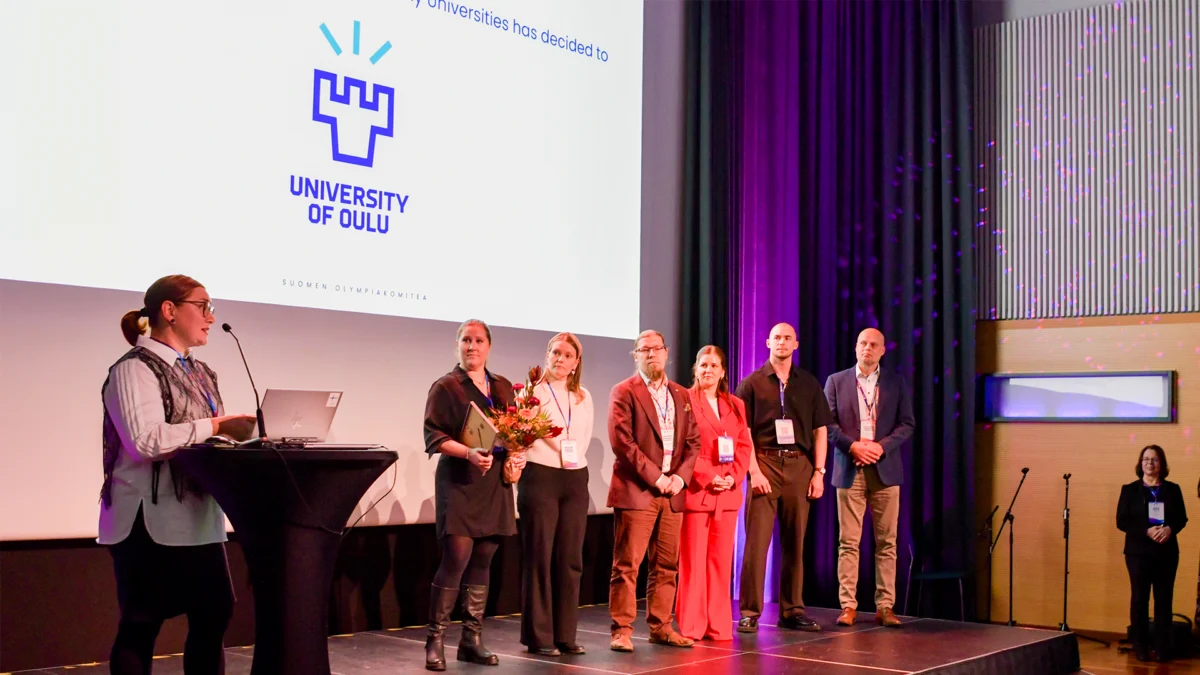
The University of Oulu has officially been awarded the "Elite Athlete-Friendly Higher Education Institution" (HUMKK) quality label, marking a significant milestone in Finnish higher education. This recognition, bestowed during the High-Performance Dual Career Seminar held in Oulu on October 6, 2026, cements the university’s status as a leader in supporting students who balance rigorous academic pursuits with professional sports careers.
With this accreditation, the University of Oulu becomes the 18th institution in Finland to successfully complete the comprehensive audit process, joining an elite network dedicated to fostering athletic and academic excellence simultaneously.
The Strategic Importance of Dual Careers
In the modern landscape of high-performance sports, the pressure to succeed both on the field and in the classroom has never been higher. The "Elite Athlete-Friendly Higher Education Institution" (HUMKK) program is designed to bridge the gap between these two demanding worlds. By creating standardized, flexible, and individualized study pathways, the initiative ensures that athletes are not forced to sacrifice their educational future for their sporting ambitions.
The certification is more than a mere badge; it is a testament to a university’s commitment to structural change. For an athlete, the transition from secondary education to university is often fraught with logistical challenges, including conflicting training schedules, travel requirements for competitions, and the necessity for specialized academic advising. The HUMKK framework seeks to mitigate these obstacles, providing a robust support system that keeps athletes on track for graduation while maintaining their competitive edge.
Chronology of the Audit Process
The path to achieving the HUMKK quality label was neither quick nor simple. The University of Oulu underwent a rigorous, multi-phased audit designed to scrutinize every facet of the institution’s interaction with its athlete-student population.
- Initial Engagement (2025): The university initiated its self-assessment phase, involving stakeholders from various faculties, the administration, and the student body.
- Pilot Initiatives (Autumn 2025): Recognizing the need for immediate action, the Faculty of Medicine launched a pilot program. This initiative assigned a dedicated tutor to twenty student-athletes, testing the efficacy of personalized, athlete-centric guidance.
- Active Stakeholder Participation (2026): Throughout the process, the university prioritized the voice of the athlete. Workshops and feedback sessions allowed student-athletes to share their lived experiences, which directly informed the development of new support protocols.
- Final Audit Review (Mid-2026): An external audit group, appointed by the HUMKK steering committee, evaluated the university against 23 distinct quality factors spanning six core areas.
- Formal Certification (October 6, 2026): The university was officially granted the quality label at the High-Performance Dual Career Seminar, marking the successful conclusion of the project.
Supporting Data and Structural Strengths
The audit group highlighted several key strengths that set the University of Oulu apart. Among these is the university’s multifaceted, student-oriented guidance model. Central to this is the "own teacher" (omaopettaja) model, which ensures that athletes have a single, consistent point of contact who understands the specific pressures of elite training.
Key Audit Metrics
The audit assessed performance across six critical pillars:
- Individualized Study Counseling: The quality and availability of guidance tailored to the athlete’s training cycle.
- Flexible Academic Arrangements: The ability of faculties to adjust deadlines, exam schedules, and curriculum delivery.
- Recognition of Prior Learning: Identifying the skills acquired through high-level sports and mapping them toward degree requirements.
- Institutional Cooperation: The depth of partnership between the university and the Ouluseutu Urheiluakatemia (Oulu Region Sports Academy).
- Administrative Commitment: The level of top-down support from university leadership to prioritize athlete-friendly policies.
- Accessibility and Inclusion: Ensuring that the support systems are equitable and available to athletes across all disciplines.
The synergy between the university and the Ouluseutu Urheiluakatemia is particularly noteworthy. This partnership is not a temporary arrangement but a deeply embedded structural relationship characterized by regular communication and long-term strategic planning. This ensures that when an athlete experiences a "crunch time"—such as a major international competition—the university is already equipped to handle the necessary academic adjustments seamlessly.
Official Responses and Perspectives
The University’s Commitment
Johanna Flyktman, a quality expert at the University of Oulu, emphasized that the process provided far more than just a label. "The HUMKK audit process solidified our leadership’s commitment to supporting the dual career path," she noted. "During the audit, we didn’t just document existing practices; we actively implemented development measures. By involving our student-athletes directly in the process, we ensured that the resulting policies are grounded in reality rather than just theory."
Flyktman believes the process has created a sustainable foundation for the future. "It was an incredibly useful exercise that strengthened our current procedures and established a roadmap for long-term improvement. We are now better equipped to handle the unique needs of our athletes, ensuring they don’t have to choose between their degree and their sport."
The Athlete’s Perspective
Toni Keränen, a javelin thrower and business student at the University of Oulu, highlighted the community-building aspect of the initiative. "The HUMKK project was excellent at getting us, the athletes, involved in common forums," Keränen said. "These sessions provided a rare opportunity to hear about the experiences of our peers and reflect on them against our own. I believe this was helpful for many in navigating the realities of being a student-athlete, but more importantly, it provided us with the tools for the future."
Keränen also emphasized the social value of the program. "The process has genuinely strengthened the sense of community among the athletes involved. It’s comforting to know that the university is listening and actively trying to make our daily lives more manageable."
Implications for the Future of Finnish Higher Education
The inclusion of the University of Oulu into the ranks of HUMKK-certified institutions is a clear signal of the shifting priorities in Finnish higher education. As global competition in sports increases, the requirement for high-quality, professional athletes to remain competitive in the labor market is becoming a national priority.
Implications for Prospective Students
For high-school athletes considering their next steps, the HUMKK label serves as a "quality seal." It signals that the university has the infrastructure to handle their unique scheduling needs, effectively reducing the risk of academic burnout. It also promises a more holistic approach to the student experience, acknowledging that personal development outside of the classroom is as vital as academic performance.
Implications for Institutional Development
Other universities in Finland are now looking to the University of Oulu’s model as a blueprint for success. The pilot program in the Faculty of Medicine—where a single point-person manages twenty student-athletes—is likely to be replicated across other departments. This decentralization of support, combined with centralized policy, appears to be the most effective way to scale support for a growing population of elite student-athletes.
The Broader Vision
The ultimate goal of the HUMKK program is to foster a cultural shift within academia. By treating "dual career" as a legitimate and valued pursuit, universities are helping to build a more resilient workforce. Athletes develop discipline, time management, and the ability to perform under extreme pressure—traits that are highly valued in any professional environment.
As the University of Oulu continues to refine its practices, the focus will shift toward sustainability. The challenge will be to maintain this high level of service as the number of student-athletes increases. However, with the current cooperation structures between the university and the regional sports academy, the framework is well-positioned to handle future growth.
Conclusion
The awarding of the HUMKK quality label to the University of Oulu is a milestone that benefits the entire athletic and academic community. By validating the hard work of administrators, faculty, and, most importantly, the athletes themselves, the university has set a new standard for what it means to be a "student-athlete" in the 21st century. As the institution looks toward the future, it remains committed to the principle that a top-tier education and a top-tier athletic career are not mutually exclusive—they are, with the right support, complementary paths toward personal and professional success.