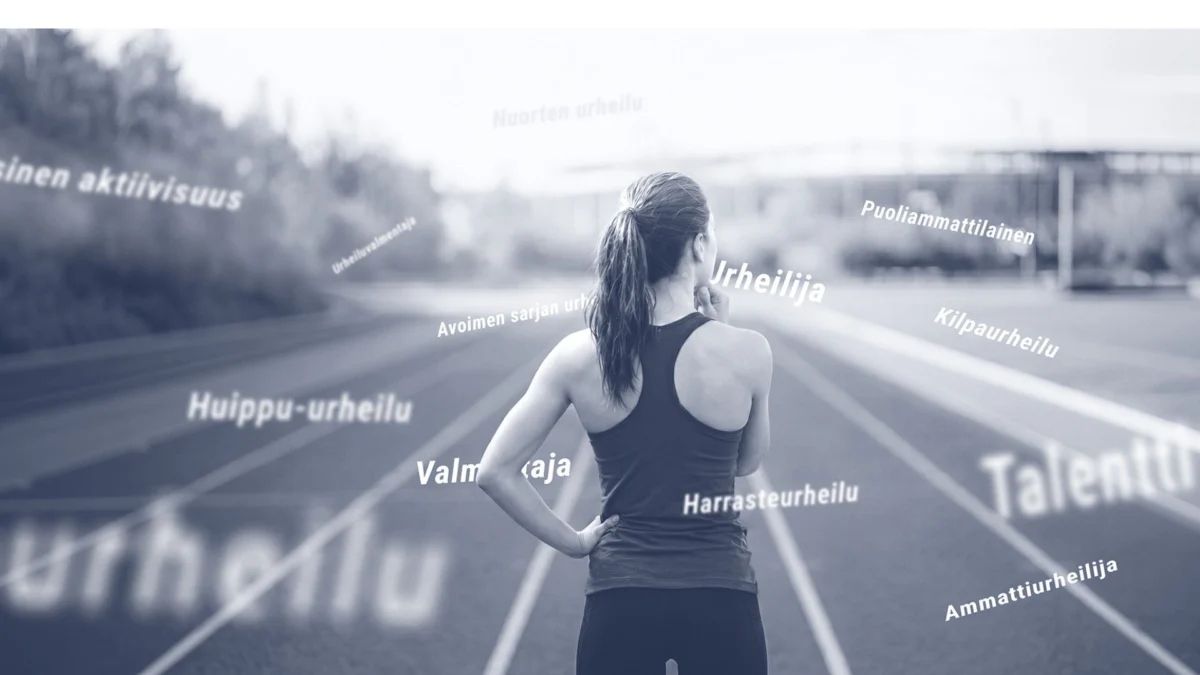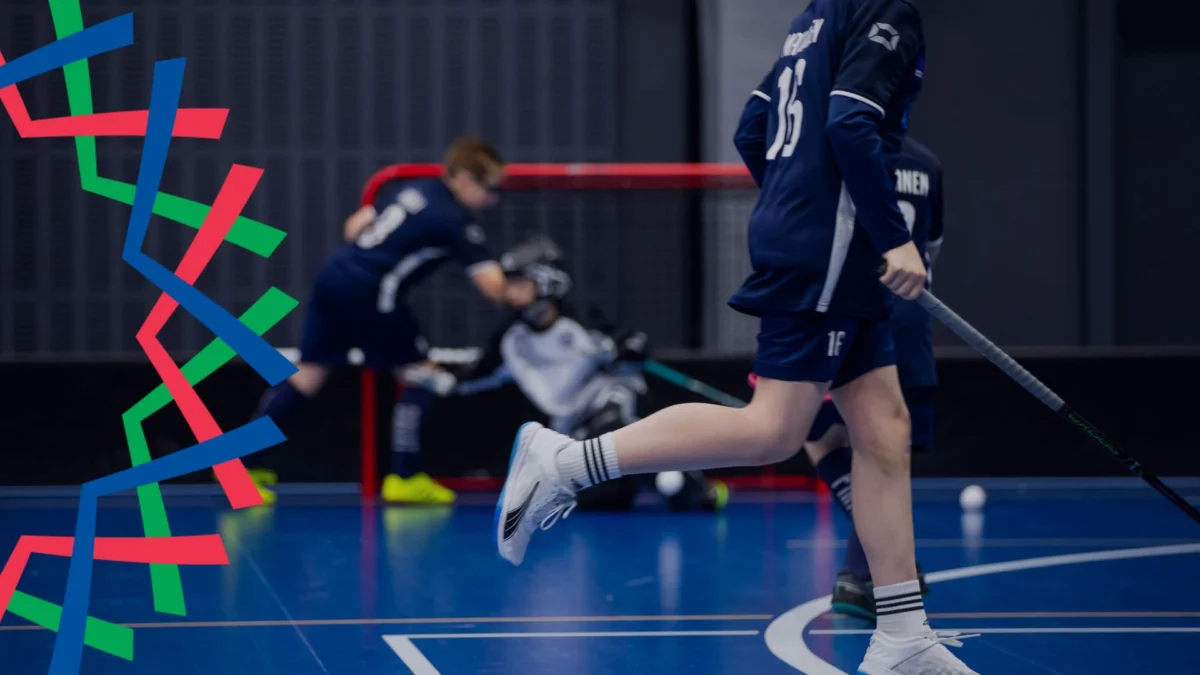
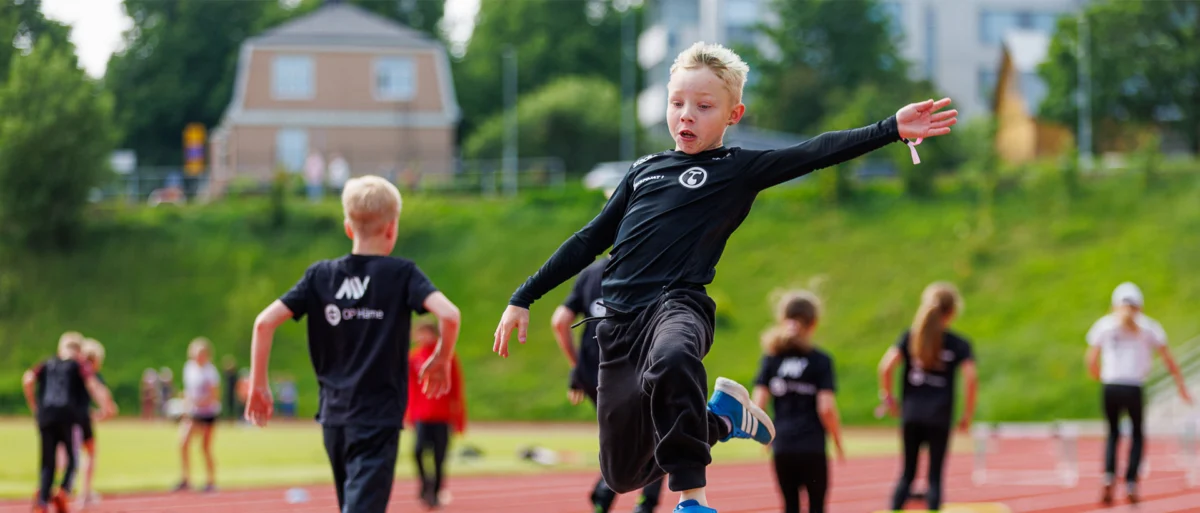
In the landscape of modern youth sports, the pressure to specialize early often leads to burnout, injury, and a decline in overall physical literacy. Recognizing this, the Finnish Athletics Federation (Suomen Urheiluliitto) has launched a strategic pivot: the "Hätäilemättä huipulle" (To the Top Without Haste) athlete development pathway. At the heart of this initiative lies the "Tulevat Tähdet" (Future Stars) multi-event competition, a program designed to encourage children to embrace variety over early specialization.
As the sports community faces a national decline in physical activity levels among youth, this initiative serves as both a corrective measure and a blueprint for the future of athletics in Finland.
The Core Philosophy: Why Multi-Event Training Matters
The fundamental objective of the "Future Stars" competition is to ensure that children engage with the full spectrum of track and field disciplines rather than narrowing their focus prematurely. This approach is not merely about creating better athletes; it is about fostering long-term physical literacy and maintaining the joy of movement.
Annika Rosberg-Haavisto, Head of Sports Operations at Hämeenlinnan Tarmo Yleisurheilu, a prominent athletics club in Finland, explains that their entire organizational philosophy is rooted in multi-event training. According to Rosberg-Haavisto, the developmental disparities between children at a young age are vast, making premature specialization not only counterproductive but potentially damaging.
"Children grow and develop at very different paces," says Rosberg-Haavisto. "Especially during growth spurts, the differences can be significant. It is crucial that children get to try different events, and we as a club want to encourage that actively. We provide multi-event coaching up until the age of 17. This supports well-rounded physical development and provides a solid foundation for either a future sports career or a lifetime of active living."
Chronology of a Shifting Paradigm
The evolution of Finnish youth athletics has been marked by a transition from traditional, singular-focus training to a more holistic, data-driven approach.
- The Baseline: For decades, the standard model involved early identification of talent in specific niches, such as sprinting or long-distance running.
- The Recognition of Decline: Research conducted by the Finnish Olympic Committee highlighted that children were entering organized sports younger but dropping out sooner. Simultaneously, baseline physical coordination and movement skills were declining due to sedentary lifestyles.
- The Intervention: The "Hätäilemättä huipulle" pathway was formalized, emphasizing that the "childhood phase" of athletic development should prioritize diverse movement over performance output in a single event.
- Implementation: The "Tulevat Tähdet" competition was introduced as a practical application of these theories. By gamifying the experience of competing across multiple disciplines, the federation successfully incentivized clubs to diversify their offerings.
Supporting Data: The Impact on Club Engagement
The success of the "Future Stars" model is best evidenced by the shift in participation patterns within local clubs. Rosberg-Haavisto notes that the implementation of the competition has led to a measurable increase in participation in disciplines that were previously overlooked by younger age groups.
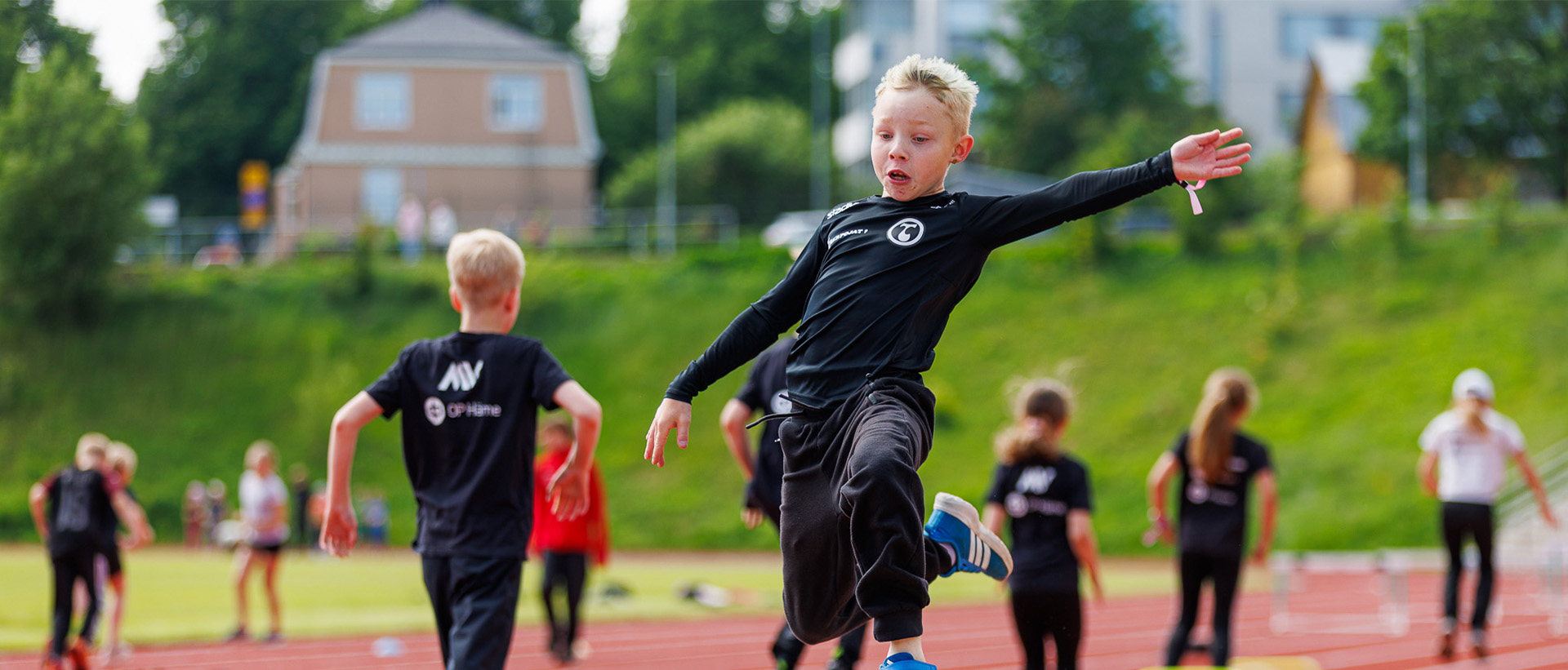
"In race walking, the number of participants has skyrocketed since the introduction of the multi-event challenge," she reports. "We have also seen significant growth in hammer throw and pole vault. These are now part of the daily routine for even the youngest athletes."
By simplifying the logistics of competition, clubs like Hämeenlinnan Tarmo have lowered the barrier to entry. They now organize children’s competitions automatically as "mini-multi-events." With a single registration, an athlete is automatically entered into three different events. This structural change has not only increased the number of participants but has dramatically increased the total volume of movement and skill acquisition per child.
Perspectives from the Track: The Athletes’ View
For the young athletes themselves, the shift has been liberating. Julius Kelo (11) and Eelin Mielonen (12) are prime examples of the benefits of the multi-event approach.
"The best part about these competitions is that you get to do events you might not have thought to try on your own," says Kelo. "You end up doing so many more events in total."
Mielonen adds that the psychological benefit of the year-long, cumulative scoring system is significant. "Because the competition spans the whole year, it’s great that a single performance doesn’t determine the final outcome. You can produce results throughout the season. It’s highly motivating."
When asked about their favorite events, both athletes highlighted the importance of having the freedom to explore. Mielonen, who favors high jump and hurdles, notes, "It’s nice to do different things because you can improve in several areas simultaneously. You don’t have to make an ‘early decision’ on what your specialty is. You can work on everything and eventually see which one is the most enjoyable."
Kelo, who prefers the triple jump and combined events, echoed this sentiment: "I like learning all the events. If I want to do decathlon or heptathlon when I’m older, I’m building the perfect foundation for it right now."

Implications for the Future of Finnish Sports
The initiative spearheaded by the Finnish Olympic Committee and 40 national sports federations represents a systemic change in how the nation views youth athletics. The current status quo—where children enter specialized silos too early—is no longer sustainable.
1. Combating Early Burnout
By shifting the focus from "winning one event" to "mastering many," the pressure on young athletes is distributed across a wider range of activities. This prevents the mental fatigue associated with the constant need for personal bests in a single, narrow discipline.
2. Enhancing Physical Literacy
The decline in fundamental movement skills, attributed to a decrease in spontaneous outdoor play, is being countered by the high volume of varied training inherent in the multi-event model. Whether it is the coordination required for the triple jump or the technical discipline of race walking, these skills create a more robust athletic profile.
3. The Need for Continued Expansion
Rosberg-Haavisto and her colleagues are now pushing for the "Future Stars" concept to be scaled upwards. They advocate for extending these multi-event incentives to the 14–15 age range. At this critical developmental stage, where drop-out rates are traditionally highest, an extra incentive to maintain a broad competitive base could be the key to retaining talent that might otherwise walk away from the sport.
A Call for Institutional Change
The Finnish Olympic Committee’s strategic shift is a direct response to the "crisis of movement" facing modern youth. By fostering an environment where children can "participate, belong, dream, and practice in their own way," the committee aims to reverse the trends of premature specialization and early exit.
The success of the "Future Stars" model demonstrates that when the barriers to entry are lowered and the focus is shifted from high-pressure specialization to broad-based competence, children do not just stay in the sport—they thrive.
As Finland continues to refine its athlete development pathways, the lessons learned from the Hämeenlinna experience serve as a powerful reminder: the path to the top is not found by rushing to the finish line of a single event, but by building a foundation that allows an athlete to explore their potential across the entire spectrum of human movement. The goal is no longer just to produce an elite few, but to ensure that the joy of athletics remains a lifelong companion for every child who steps onto the track.