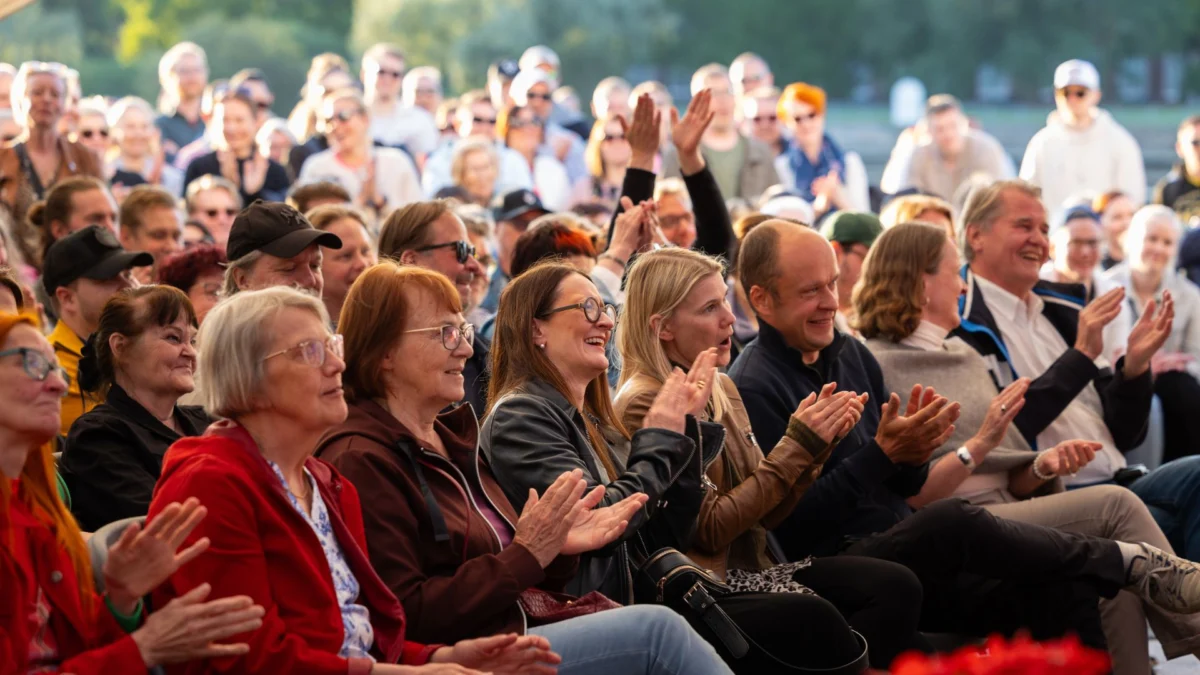
As the summer sun hits the streets of Pori, the annual SuomiAreena festival has once again solidified its position as the premier forum for societal discourse in Finland. This year, the spotlight is firmly fixed on the intersection of culture, sports, and the fundamental building blocks of community well-being. From the high-level policy discussions regarding national infrastructure to the grassroots challenges of childhood inactivity, this year’s program highlights a central theme: that culture and physical activity are not merely leisure pursuits, but essential strategic pillars for a thriving, resilient, and competitive Finnish society.
The Pillars of Community: Why Movement and Art Matter
At the heart of the festival’s agenda is a profound inquiry into how cultural and physical participation fosters social trust. The Finnish Cultural Foundation, among other organizers, has curated a series of panels exploring why, despite the clear benefits, participation in these sectors remains unevenly distributed.
The conversation is not limited to abstract theories. It features a cross-section of Finnish leadership, including MP Timo Furuholm, head of culture and leisure Eeva Saarinen, actor/director Katariina Havukainen, and researcher Matti Heino. These discussions aim to deconstruct the barriers to inclusion. By bridging the gap between elite athletics and artistic expression, the panels argue that social cohesion is rooted in the shared experiences that occur on the pitch, in the theater, and within local community centers.
Chronology of Key Events: A Roadmap for Change
The SuomiAreena program is packed with high-stakes discussions designed to provoke action. Below is a thematic chronology of the critical debates scheduled throughout the event:
- 10:00 – Urheilun todistustenjako (The Sport Report Card): The Finnish Olympic Committee hosts a session examining how the virtues learned in sport—resilience, teamwork, and leadership—translate into professional and civic life.
- 11:00 – Maalia ja maaleja (Goals and Targets): Neoen Renewables Finland leads a debate on the role of the private sector in fueling the arts and sports, challenging corporate leaders to do more than just provide nominal sponsorship.
- 11:00 – Hallitusohjelma ja toimintakyky (The Government’s Role): A strategic look at how upcoming government policy can ensure that Finland remains a physically active nation through sustainable funding for sports clubs and community initiatives.
- 12:00 – Vapautetaan lapset (Liberating the Children): Reima explores the erosion of childhood independence, asking whether we treat our children as active agents or fragile subjects needing constant supervision.
- 14:00 – Kulttuuri ja liikunta yhteisöllisyyden rakentajina (Culture and Exercise as Community Builders): A deep dive into the sociological impacts of activity and how to make these sectors more inclusive.
- 14:00 – Valoa yössä (Light in the Night): FC Inter Turku addresses the alarming polarization between "extreme athletes" and the increasingly sedentary population.
- 14:00 – Kaupunkien infrastruktuuri (Urban Infrastructure): Pori leads a discussion on the fiscal reality of renovating aging sports and cultural facilities.
- 16:00 – Treenikassi olalle (The Workout Bag): The Finnish Institute of Occupational Health (TTL) analyzes the link between physical activity, workplace productivity, and the "Työikäiset liikkeelle" (Moving the Working Age) initiative.
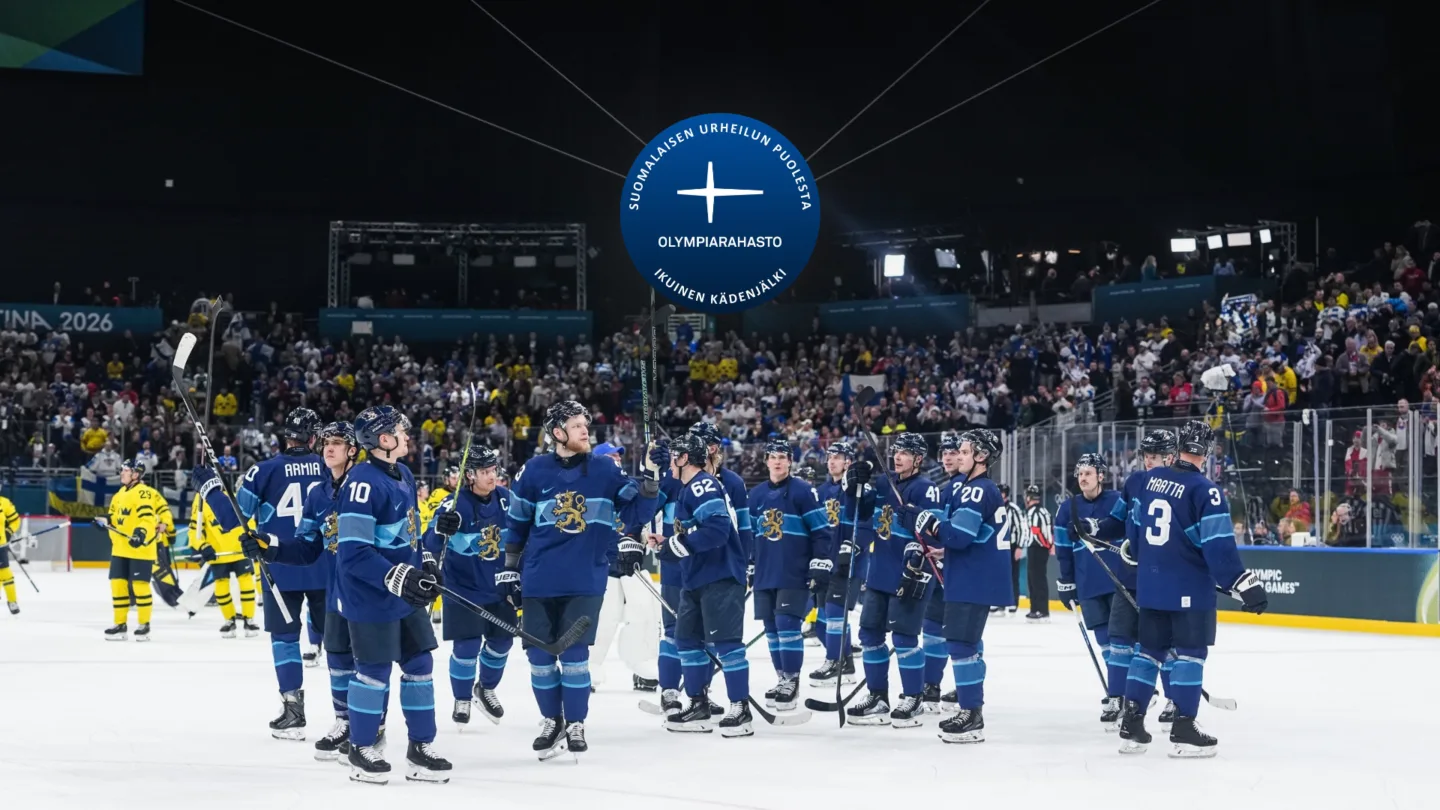
- 16:00 – Olympic Ambitions: A critical, often heated, debate on whether Finland should pursue the massive undertaking of hosting the Olympic Games, weighing national branding against economic pragmatism.
Supporting Data: The Cost of Inactivity
The urgency of these discussions is backed by worrying trends. The "Valoa yössä" session highlights a growing, dangerous divide in Finnish society: the gap between those who are hyper-active and those who are effectively "glued to the sofa." This polarization is not just a personal health issue; it is a public health crisis that fuels obesity and social exclusion among the youth.
Furthermore, the data presented by the Finnish Institute of Occupational Health underscores the economic imperative of movement. With the labor market facing aging demographics, the link between physical vitality and workforce productivity has never been more relevant. The "Työikäiset liikkeelle" (Working-age people on the move) project serves as a pilot study, showing that by changing workplace structures and encouraging small, consistent movements, organizations can see tangible gains in employee performance and long-term health.
Official Responses and Strategic Directions
The discussions at SuomiAreena serve as a precursor to legislative and policy shifts. The Finnish Olympic Committee’s focus on "Sport Report Cards" is a symbolic effort to formalize the soft skills—such as pressure management and leadership—that athletes bring to the workforce. By framing sports as a "hidden curriculum," the Committee is lobbying for better recognition of sports in the formal education system.
Equally significant is the debate on urban planning. As cities like Pori face the reality of aging sports arenas and cultural halls, the consensus is shifting away from viewing these as "maintenance burdens." Instead, municipal leaders are beginning to view them as "strategic investments." The challenge, as noted by the panel, lies in designing these spaces to be multi-functional hubs that attract tourists, boost local business, and provide social infrastructure for diverse demographics.
The Corporate Perspective
Neoen’s session, "Maalia ja maaleja," introduces a refreshing, albeit confrontational, tone to the dialogue. By moving away from traditional PR-focused sponsorship models, the panel argues that businesses have a moral and strategic obligation to act as catalysts for cultural and athletic growth. The central question posed to the corporate world is: "Are you just putting your logo on a jersey, or are you actually building the foundation for a healthier society?"
Implications for the Future of Finland
The implications of this year’s SuomiAreena are far-reaching. The core message is one of integration. We can no longer afford to treat culture, sports, urban development, and workplace health as isolated silos.
1. The Integration of Policy
If the next government is to successfully foster a "capable Finland," it must view the promotion of physical activity as a cross-ministerial mandate. It touches upon Education, Social Affairs, Finance, and Infrastructure. The sessions at the Satakunta and Puuvilla stages emphasize that "small wins"—such as the 100-team relay challenges or virtual coaching initiatives—are the building blocks of a national cultural shift.
2. The Infrastructure Dilemma
The debate over whether to host the Olympics or to prioritize the renovation of local swimming pools and community theaters highlights a classic Finnish struggle: the balance between global ambition and local sustainability. The panelists, including representatives from Slush and the Hiihtoliitto (Ski Association), suggest that Finland’s strength lies in its ability to host niche, high-impact events that showcase Finnish innovation and tech-savvy culture, rather than chasing the massive, often debt-heavy, Olympic model.
3. Reclaiming Childhood
Perhaps the most emotive session involves the call to "liberate" children. The panel hosted by Reima brings a necessary critique of the over-protection of youth. By limiting the risks children take in play and sport, we are inadvertently limiting their growth. The consensus is a call for a "child-centered" society, where the built environment—from schoolyards to city parks—is designed to encourage, not restrict, movement and exploration.
Conclusion: A Call to Action
As the curtains draw on the discussions in Pori, the overarching takeaway is clear: Finland is at a crossroads. The sedentary nature of modern life, the fiscal constraints on public infrastructure, and the widening gap between the healthy and the unhealthy are challenges that cannot be solved by the public sector alone.
The 2024 SuomiAreena has successfully moved the goalposts. It has transitioned the conversation from "why we should care" to "how we can implement change." Whether through the corporate sponsorship of grassroots programs, the redesign of office life to favor movement, or the bold decision to prioritize community hubs over vanity projects, the path forward requires a unified, cross-sector effort. The "light in the tunnel" that the panelists mentioned is not a metaphor for a distant future, but a call for the immediate, daily actions of every citizen, leader, and organization in the country. The Finnish spirit of sisu—grit and determination—must now be applied to the most important race of all: the preservation of a healthy, connected, and active society.