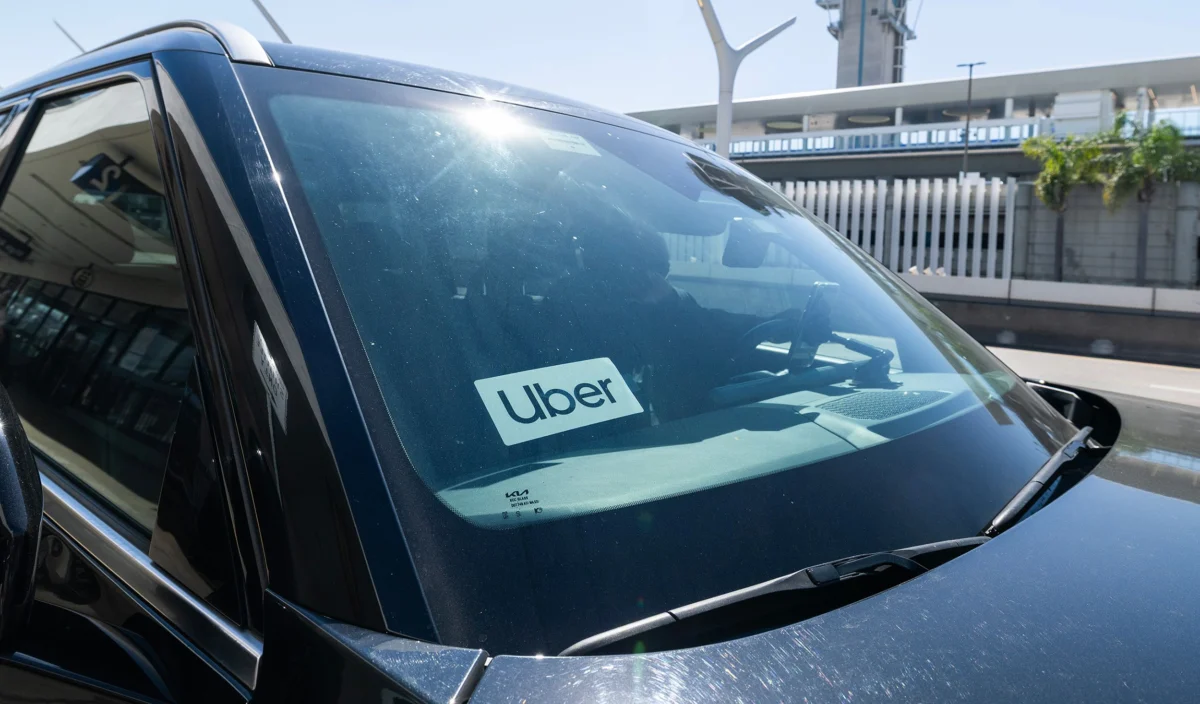
A decade ago, the corridors of Uber’s headquarters were defined by a singular, existential anxiety. Then-CEO Travis Kalanick famously viewed the dawn of autonomous vehicles (AVs) not as a collaborative opportunity, but as a potential executioner for the company’s business model. "What would happen if we weren’t a part of that future? If we weren’t part of the autonomy thing? Then the future passes us by," Kalanick once remarked.
Fast forward to 2026, and Uber’s strategy has undergone a profound metamorphosis. Rather than attempting to dominate the mechanical engineering of self-driving cars—a costly endeavor that ultimately ended in failure—the company is positioning itself to become the "Kleenex of robotaxis." By acting as the primary commercial platform for dozens of AV developers, Uber aims to cement its status as the inescapable intermediary for both human and robotic mobility.
However, as revealed by documents obtained by WIRED and recent public records requests, this strategy has evolved from a market-based ambition into an aggressive legislative campaign. Uber’s lobbyists are now working to codify "hybrid networks"—systems where human drivers and robotaxis coexist—into law, a move that critics argue is less about protecting workers and more about ensuring Uber remains the gatekeeper of the transport sector.
The Chronology of an About-Face
To understand Uber’s current legislative maneuvering, one must look at the company’s tumultuous history with regulation. In its infancy, Uber was the disruptor that skirted local taxi laws, utilized the infamous "Greyball" software to evade regulators, and fought tooth-and-nail against the classification of its drivers as employees.
The Rise and Fall of Uber’s In-House Ambitions
Uber’s initial attempt to build its own AVs was marked by arrogance and legal catastrophe. The program, led by Anthony Levandowski, became the subject of a massive intellectual property lawsuit after it was revealed that Levandowski had stolen thousands of files from Google’s self-driving project (Waymo). The program suffered a fatal blow in 2018 when one of its testing vehicles struck and killed a pedestrian in Arizona. By 2020, following the sale of its autonomous unit and Levandowski’s conviction and subsequent pardon, Uber had effectively abandoned its dream of building its own hardware.
From Disrupter to Regulator
In the years since, the company has pivoted toward a "platform-first" model. CEO Dara Khosrowshahi has signaled to investors that Uber intends to be the central marketplace for all AV players, including Waymo, Nuro, Baidu, and Volkswagen’s MOIA. Having signed agreements with over 25 major robotaxi operators, Uber is successfully integrating these fleets into its app. Yet, as competition heats up, the company is now moving to ensure that no developer can bypass the Uber ecosystem entirely.
The "Hybrid Network" Legislative Strategy
Uber’s current policy push focuses on the concept of "hybrid networks." In theory, these networks prioritize a "phased transition," ensuring that human drivers—and the revenue they generate for Uber—are not instantly rendered obsolete by a fleet of standalone, operator-owned apps.
New Jersey: A Case Study in Protectionism
The most aggressive manifestation of this strategy recently surfaced in New Jersey. Documents show that an Uber lobbyist circulated proposed legislative language that would mandate a three-year "transition period" for any platform offering driverless ride-hailing services. Under this proposal, human drivers would be required to perform 85 percent of all rides.
If enacted, this would essentially function as a barrier to entry for companies like Tesla, Waymo, or Zoox, effectively forcing them to list their vehicles on Uber’s app rather than developing their own competing platforms. While this specific language has not yet been adopted into State Senator Andrew Zwicker’s pending legislation, its inclusion in discussions highlights the lengths to which Uber is willing to go to prevent direct competition.
Washington, DC: Securing the Foothold
In the nation’s capital, the strategy is similarly focused on mandatory inclusion. As the DC City Council considers a bill to allow robotaxis on public roads, internal communications reveal that Uber representatives successfully lobbied to ensure that ride-hail companies like themselves would be mandated participants in the district’s autonomous programs. By framing this as a "smooth transition that supports both technology and human drivers," Uber is effectively lobbying to legislate its way into the middle of the robotaxi value chain.
Data-Driven Friction: The Reality of the Streets
Uber’s legislative arguments are bolstered by internal data regarding the economic impact of AVs. In testimony prepared for the DC City Council, Harry Hartfield, Uber’s director of AV and AI policy, notes that in markets where AVs have already gained a foothold, such as San Francisco and Los Angeles, human driver earnings have begun to decline.
"One AV in California now performs roughly the work of four drivers," Hartfield plans to testify. This statistic serves a dual purpose: it paints Uber as a protector of the "gig" labor force, while simultaneously highlighting the disruptive threat that independent robotaxi apps pose to the traditional labor model.
However, the partnership between Uber and the AV industry is increasingly strained. While Uber promotes the necessity of its platform, its relationship with market-leader Waymo has shown signs of friction. A recent incident involving a Waymo vehicle nearing a public bus—publicized by Uber’s own CTO—and the quiet dissolution of a pilot program in Phoenix, suggest that the "partnership" is increasingly characterized by competitive mistrust.
Implications for the Future of Mobility
The implications of Uber’s lobbying efforts are profound for the future of urban transit. If successful, Uber’s "hybrid network" mandates could effectively prevent a truly competitive, multi-platform market for autonomous transport.
1. Market Consolidation
By forcing AV developers to utilize the Uber platform, the company is attempting to establish a "walled garden." If a developer like Tesla or Zoox cannot operate their own independent ride-hail service in a given state, they are forced to surrender a percentage of their revenue and, more importantly, access to their user data to Uber.
2. The Regulatory "About-Face"
There is a palpable irony in Uber’s current stance. A company that once spent millions to circumvent local oversight is now leveraging the legislative process to create strict, barrier-to-entry regulations. As Uber President and COO Andrew Macdonald admitted in a recent LinkedIn post, the company’s past behavior damaged trust for years. Whether this "new" Uber is truly interested in social responsibility or simply engaged in a more sophisticated form of corporate entrenchment remains a subject of intense debate among regulators.
3. The Future of Labor
The promise of "hybrid networks" is that it softens the blow to human drivers. However, critics argue that this is a temporary palliative. If an AV can perform the work of four humans, no amount of "hybrid" regulation will prevent the eventual displacement of human labor. By lobbying for these laws, Uber may be attempting to manage the timing of that transition, ensuring it happens at a pace that maximizes its own platform revenue rather than the efficiency of the transport market.
Conclusion: The Path Forward
As the battle moves from the boardroom to the statehouse, the central question remains: Does the public benefit from a unified, Uber-led robotaxi platform, or does such a system stifle the innovation and price competition that a diverse array of independent AV apps would provide?
Uber’s pivot from a rogue startup to a legislative powerhouse suggests that the company has learned the most valuable lesson of the 21st century: in the tech world, the best way to win the future is not just to build the best product, but to write the rules by which your competitors are forced to play. Whether legislators in New Jersey, DC, and beyond will allow the ride-hail giant to curate the next era of transportation remains to be seen, but the outcome will undoubtedly dictate the shape of urban mobility for decades to come.