For the thousands of students who traverse the University of California, Santa Barbara (UCSB) campus daily, the boundary where academia meets the Pacific is often nothing more than a blurred backdrop. Yet, just steps away from the bustling lecture halls and modern laboratory buildings lies a 170-acre sanctuary that breathes with a rhythm entirely its own: the Coal Oil Point Reserve and the interconnected Devereux Slough.
To the casual observer, these lands may appear as an unchanging stretch of coastal scrub and marsh. In reality, they represent a dynamic, breathing ecosystem—a vital “living laboratory” that bridges the gap between urban development and the untamed natural world. As the pressures of climate change and coastal development mount, these often-overlooked spaces serve as critical nodes of biodiversity, offering a rare, quiet respite for both wildlife and the human spirit.
The Architecture of an Ecosystem: Main Facts and Geography
Coal Oil Point Reserve (COPR) is one of the University of California’s Natural Reserve System’s crown jewels. Spanning over 170 acres, the landscape is a complex tapestry of salt marshes, coastal dunes, vernal pools, and rolling grasslands.
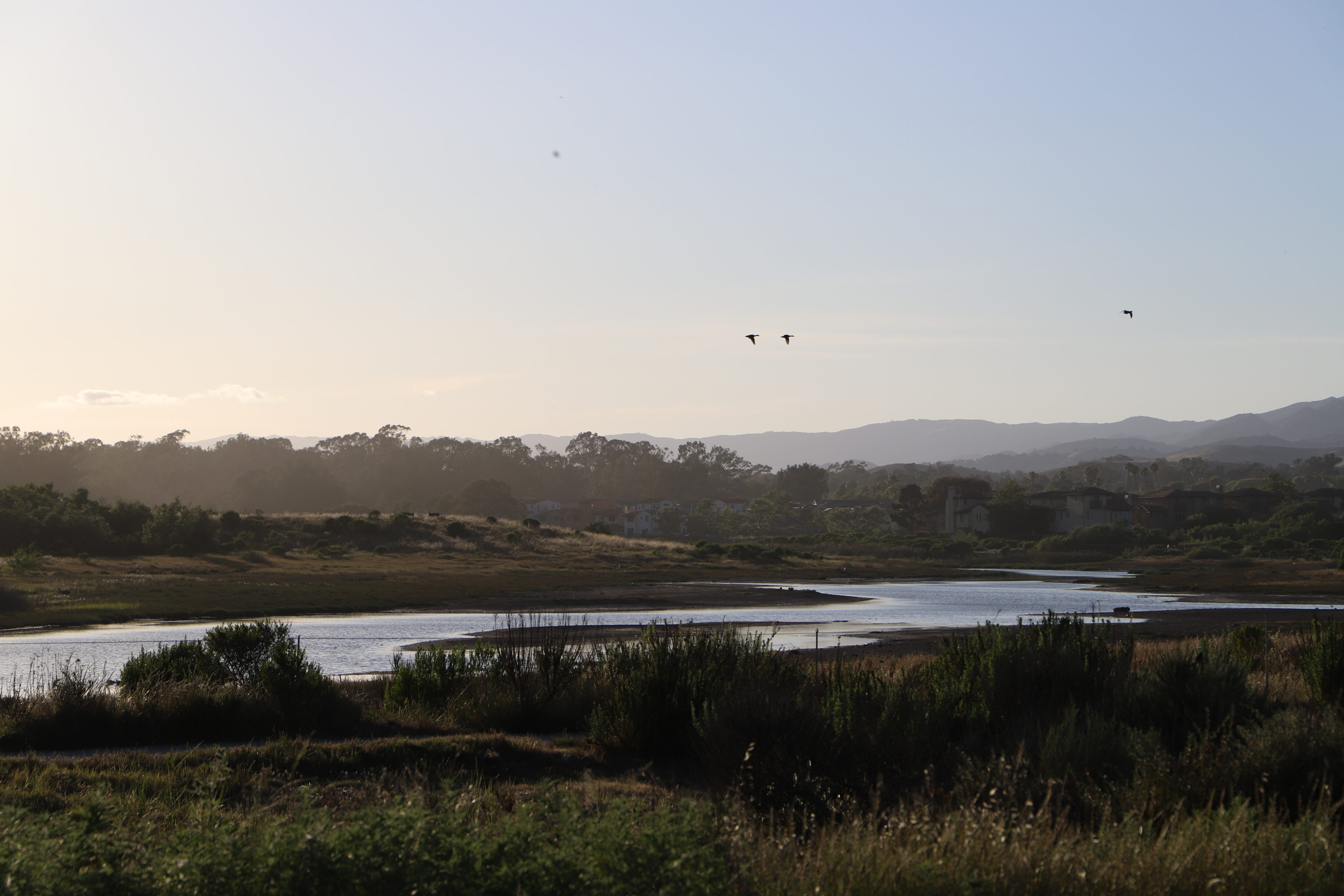
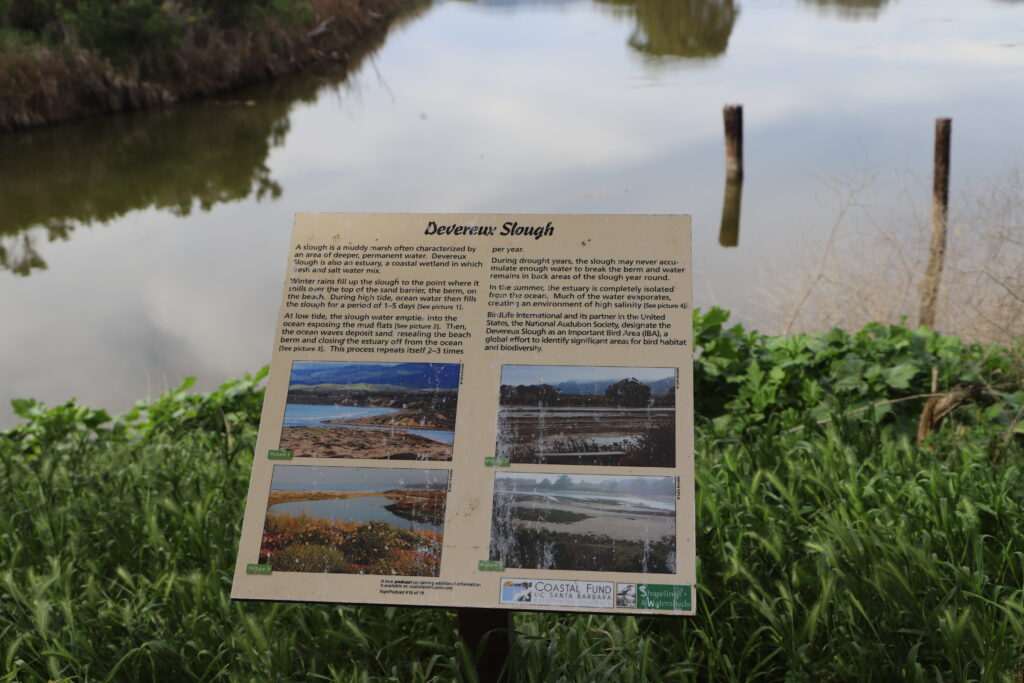
At the heart of this reserve lies the Devereux Slough. Unlike a static lake, the slough is a tidal wetland defined by its fluid, transformative nature. Its water levels fluctuate in tandem with the seasons and the shifting sands of the coast. During the wetter months, it serves as a sprawling estuary; during the dry season, it recedes into salt flats and shallow, saline channels. This constant transformation is not merely aesthetic—it is the biological engine that drives the high productivity of the area, providing a variety of micro-habitats that support a staggering diversity of life.
A Chronology of Conservation: From Development to Protection
The history of this land reflects a broader national struggle: the tension between the push for development and the necessity of preservation.
- Pre-1960s: The area surrounding the slough was subject to various agricultural and grazing uses, which significantly altered the native flora.
- 1970: The University of California formally established the Coal Oil Point Natural Reserve, recognizing the area’s immense value for academic research and ecological integrity.
- 1990s-2000s: A renewed focus on restoration began, particularly targeting the recovery of the Western Snowy Plover. Scientists implemented strict beach management protocols, including seasonal closures and predator management, which turned the site into one of the most successful nesting grounds in the United States.
- Present Day: The reserve continues to function as a bridge between the university’s rigorous environmental curriculum and the tangible, living environment. It stands as a testament to the fact that when human activity is managed with intentionality, nature can recover and thrive, even in the immediate vicinity of a high-traffic university campus.
Supporting Data: Biodiversity in the Balance
The importance of Coal Oil Point is supported by decades of biological data. The reserve is a crucial stopover point along the Pacific Flyway, a massive migratory corridor for birds.
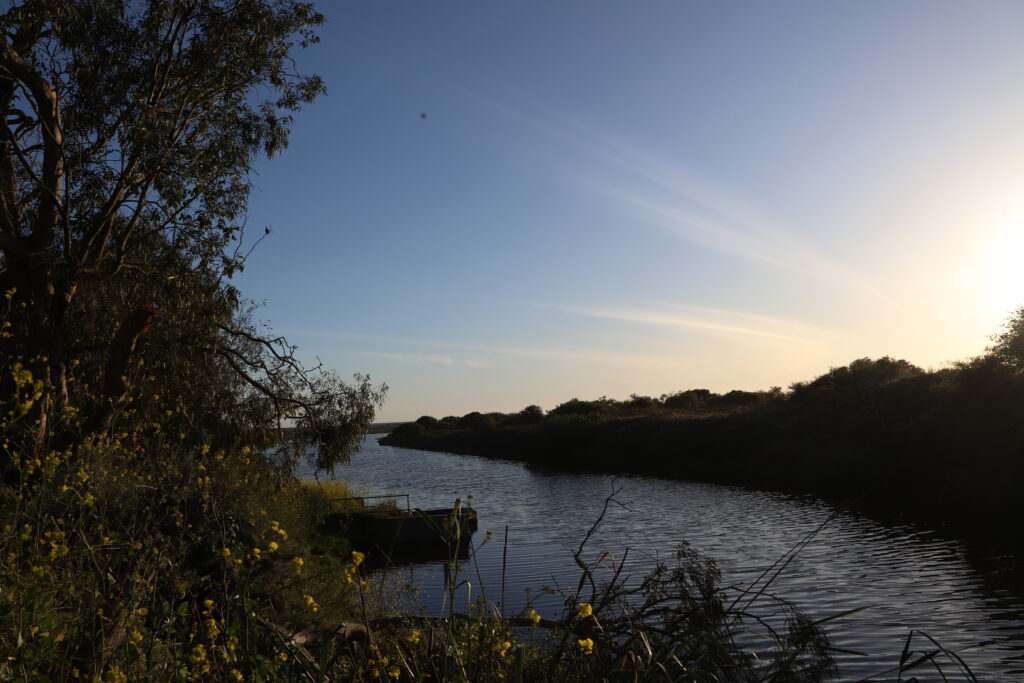
The Western Snowy Plover, a federally threatened species, is the most prominent success story. The site supports one of the most significant nesting populations on the West Coast. Beyond the plovers, the reserve provides a sanctuary for:
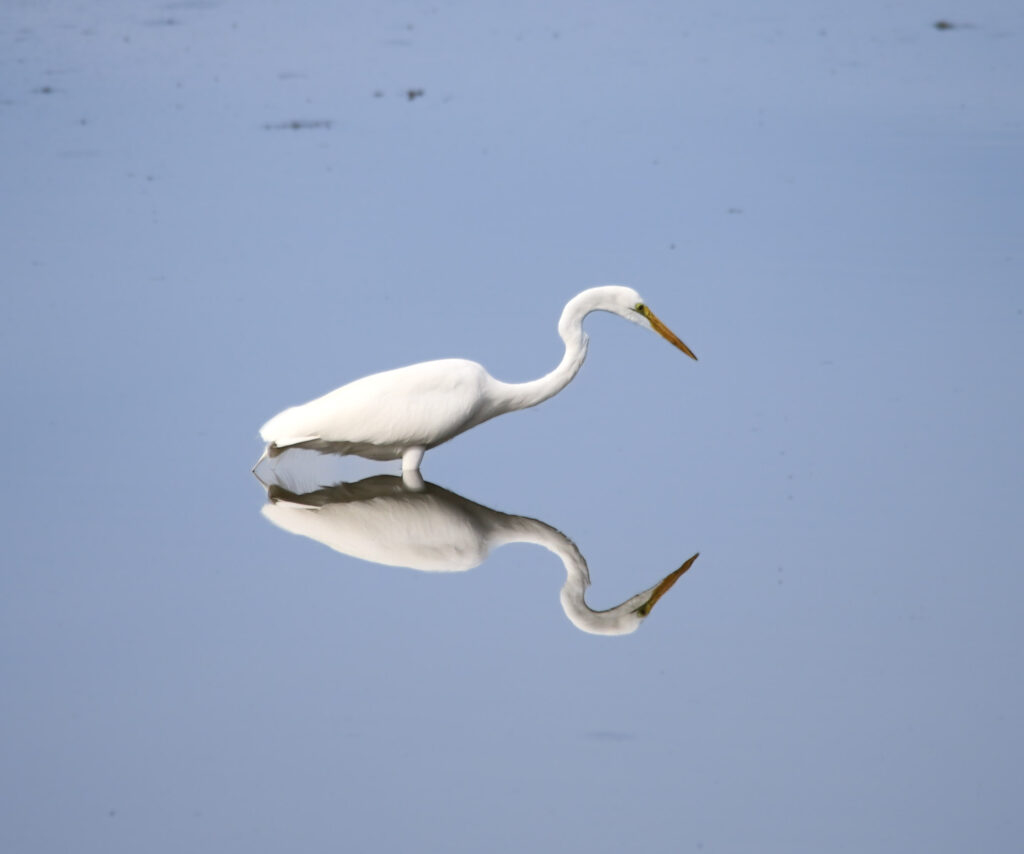
- Avian Species: Great blue herons, brown pelicans, and a host of migratory raptors and shorebirds.
- Amphibians and Reptiles: Including the delicate slender salamanders and various species of garter snakes that thrive in the transition zones between water and grass.
- Botanical Diversity: The reserve hosts rare coastal scrub and salt-marsh vegetation that is increasingly rare in Southern California due to suburban sprawl.
These species are not merely "guests" of the reserve; they are biological indicators of the site’s health. The high density of wildlife is a direct result of the intentional "hands-off" management that allows the slough to cycle through its natural, seasonal phases without human interference.
Voices from the Field: Student and Expert Perspectives
The true impact of the reserve is perhaps best articulated by those who interact with it on a daily basis. For many students, the slough is a necessary "mental reset" button during the high-stress midterm season.
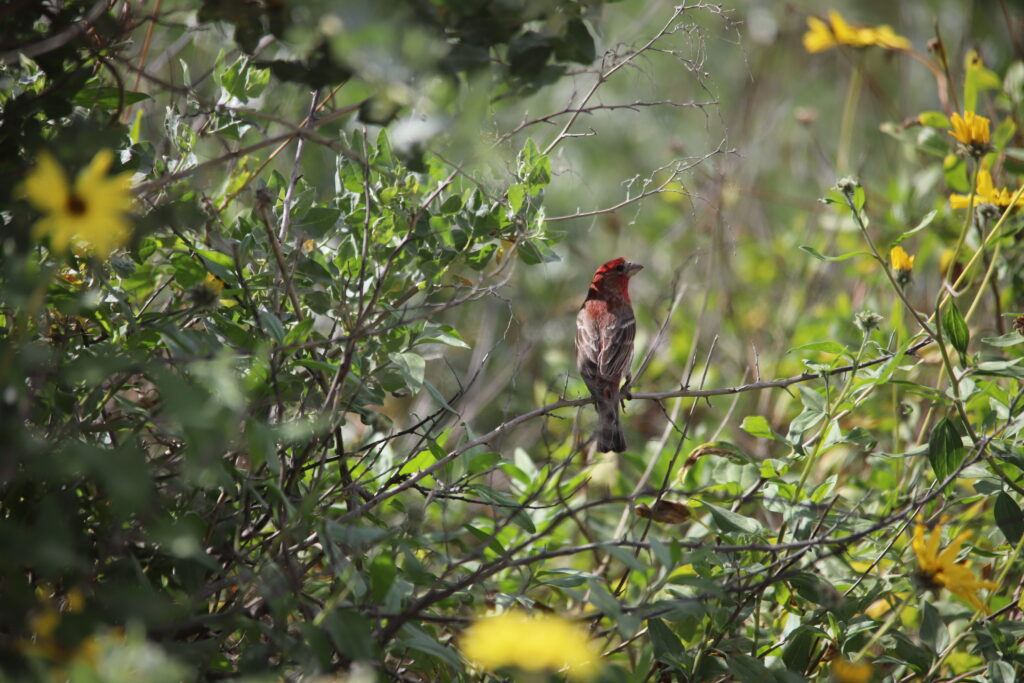
"It just feels like a quiet break from everything, even if you’re right next to campus," says a student from the Environmental Studies department. This sentiment is echoed by those who study the land professionally. A member of the Seeds Club, which focuses on ecological restoration and student engagement, notes: "Spaces like Coal Oil Point give students a controlled but natural environment to not just conduct research in, but also connect to. These spaces allow us to be as close as possible to our beautiful native wetland species."
The educational value is profound. As one Earth Sciences student remarked, "Once you actually stop and look, there’s so much going on. Birds, sounds—it’s definitely way more alive than you might think. I didn’t realize how important the area is for wildlife until one of my classes talked about it. It makes you want to visit more."
The Implications: Why Protecting "Ordinary" Spaces Matters
The existence of the Coal Oil Point Reserve forces a shift in how we view urban land use. In an era where "conservation" is often associated with remote wilderness or national parks, the existence of a high-functioning wetland on the edge of a college campus is a radical act of sustainability.
1. Ecosystem Services and Resilience
Wetlands like the Devereux Slough are essential for filtering runoff, preventing coastal erosion, and buffering the impacts of sea-level rise. By maintaining this natural buffer, the university is not just protecting "nature"—it is protecting its own physical infrastructure from the volatile forces of the Pacific.
2. The Human-Nature Connection
The psychological benefits of such spaces cannot be overstated. In a world characterized by the "always-on" culture of digital communication and academic pressure, the slough offers a rare environment of silence. It serves as a reminder that human beings are part of the ecosystem, not separate from it.
As a board member of the UCSB Coastal Fund recently stated, "It reminds me that we live in nature, not just around it, and we should always keep working to ease the integration of people with our environment."
3. A Model for Future Planning
The success of the Coal Oil Point model demonstrates that educational institutions can be effective stewards of the land. By integrating research, public access, and strict conservation policies, universities can turn their surrounding landscapes into "living classrooms" that benefit the entire community.
A Closing Reflection: The Power of Noticing
As we move toward a future that demands greater environmental literacy, the most important step is often the simplest: observation. Protecting a landscape begins with the act of paying attention.
The next time you find yourself walking past a local natural oasis—whether it is a sprawling wetland like the Devereux Slough or a small city park—take a moment to pause. Listen to the wind in the grasses, watch the birds navigating the water, and acknowledge the quiet, persistent life that carries on despite the human rush.
The story of Coal Oil Point is not just about a specific geographic location in Santa Barbara. It is a universal story about the value of the "everyday wilderness." These are the places that sustain our mental health, protect our coastlines, and teach us what it means to be good stewards of the Earth.
If we are to ensure that future generations can experience these moments of awe, we must move beyond viewing these spaces as empty land to be filled. Instead, we must treat them as the vital, living, and irreplaceable infrastructure that they are. In the end, the most important conservation work we do may not be in the halls of government, but in the quiet, reflective moments we spend at the edge of the water, noticing what is happening right in front of us.