Date: June 15, 2026
Subject: Backpacking Light Podcast Episode 148
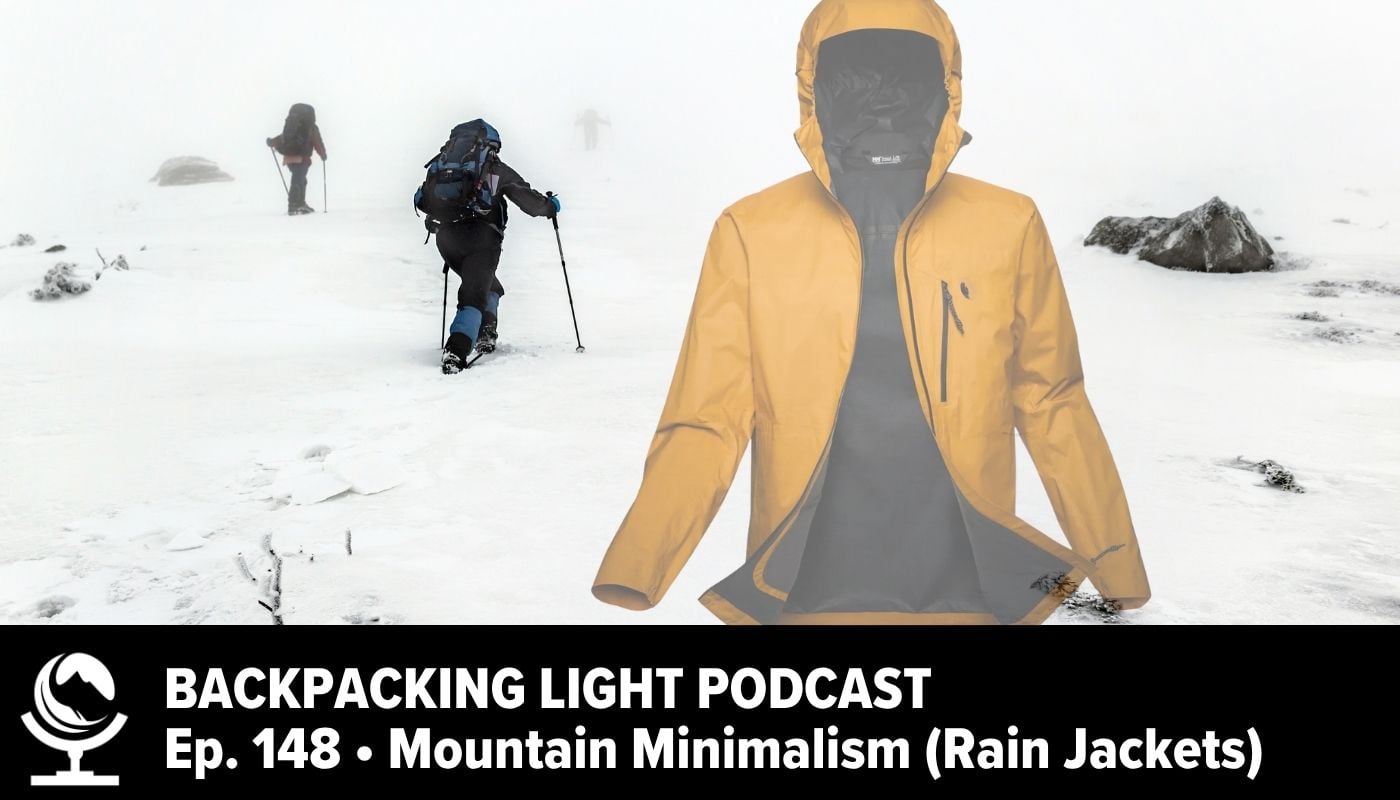
In the evolving world of ultralight backpacking, the "minimalist" ethos is often tested by the harsh realities of alpine environments. The latest installment of the Backpacking Light podcast, Episode 148, tackles one of the most critical decisions a mountaineer can make: choosing a rain shell that balances weight, packability, and life-saving performance. As adventurers push further into remote, high-exposure terrain, the distinction between a "trail shell" and a "mountain shell" has never been more vital.
Main Facts: The Threshold of Protection
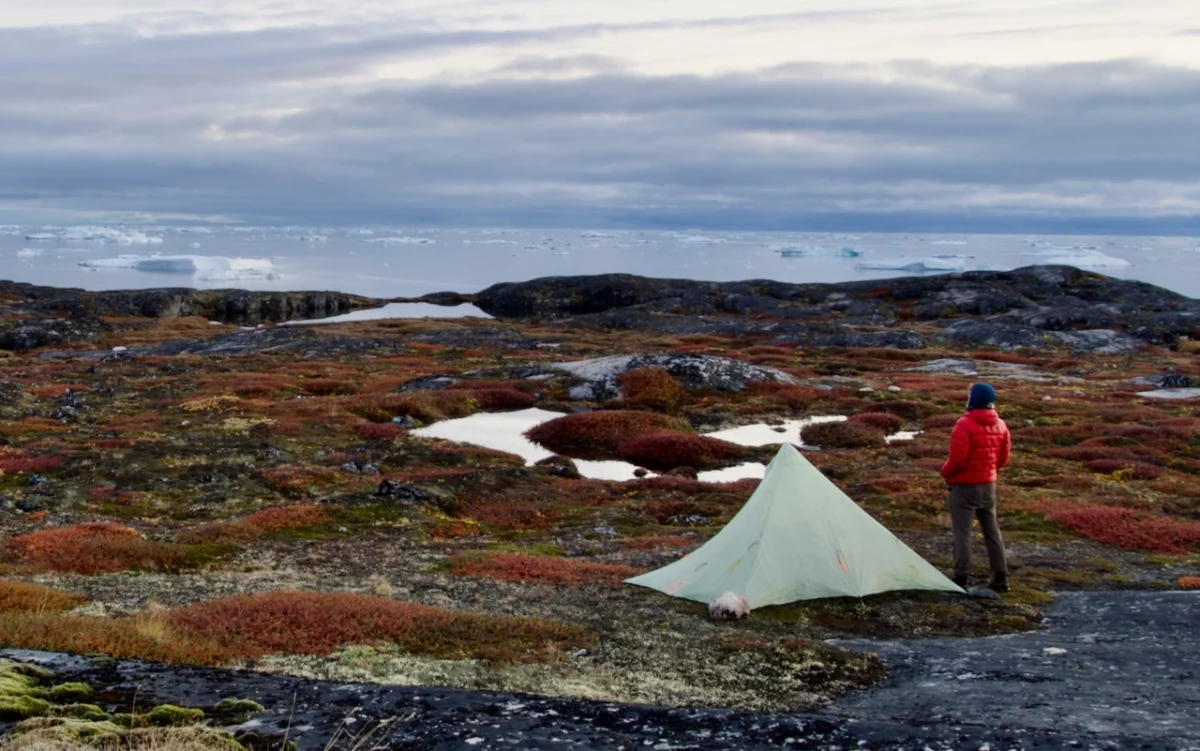
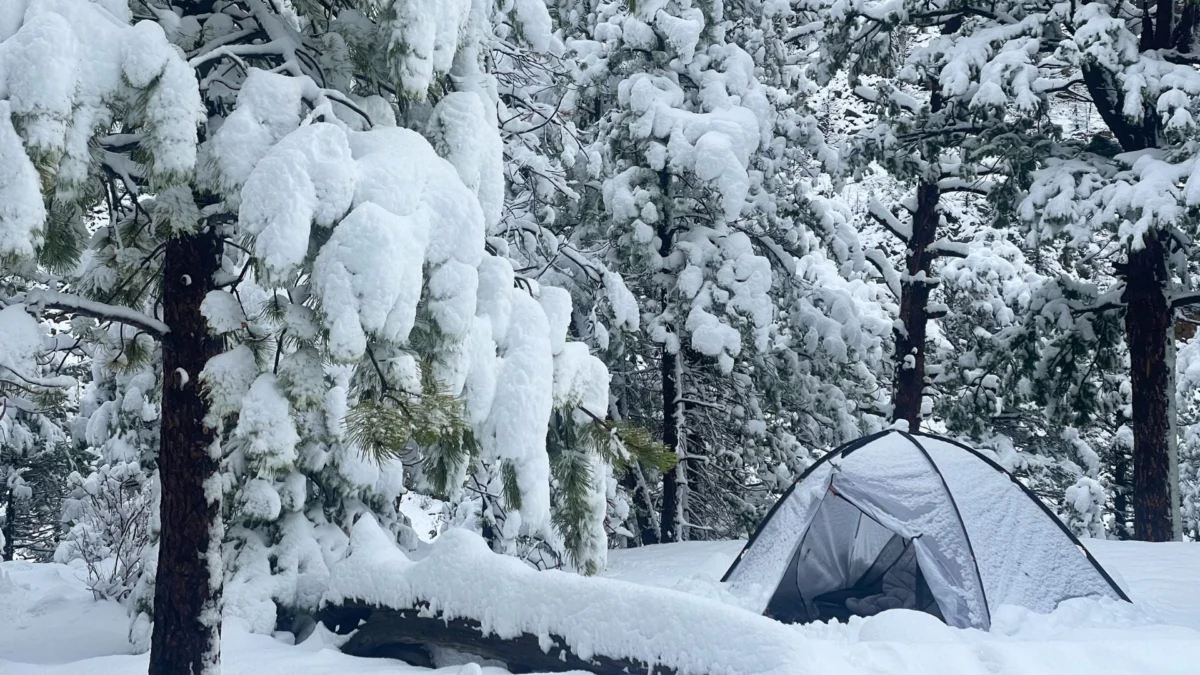
The core premise of Episode 148 is that "ultralight" is not a singular category, but a spectrum defined by risk. A jacket that performs flawlessly on a drizzly weekend in the Appalachian Mountains may offer a false sense of security in the high Rockies or the North Cascades.
The podcast introduces a Decision Framework designed to help hikers determine when to carry a true alpine shell versus a lightweight minimalist piece. This framework hinges on six critical variables:
- Exposure Duration: How long will you be pinned down in bad weather?
- Retreat Options: How far are you from a treeline or a vehicle?
- Terrain: Is the path clear, or does it involve technical scrambling?
- Abrasion: Will the jacket face granite, ice, or dense brush?
- Wind: Is the shell capable of handling high-velocity gusts?
- Thermal Margin: Does the shell provide enough of a buffer to prevent hypothermia if your activity level drops?
The consensus among the editorial team is that while minimalist rain shells have made incredible strides in technology, they are not universal solutions. Understanding the "mountain minimalist" concept requires a shift in perspective: it is about selecting the minimum weight required to survive the maximum likely threat.
Chronology of Technical Evolution
The history of waterproof-breathable fabrics has moved from heavy, rubberized coatings to sophisticated, membrane-based systems that prioritize breathability and weight savings.
- The Early Era: Rain gear was defined by heavy PVC or polyurethane, offering excellent waterproofing but zero breathability, leading to the "boil-in-the-bag" effect where sweat accumulation became as dangerous as external moisture.
- The Mid-Transition: The introduction of ePTFE (expanded polytetrafluoroethylene) revolutionized the market, providing the first real balance of protection and vapor transfer.
- The Modern Minimalist Era (2020–2026): We have entered an age of "Nanoporous" membranes and high-strength, low-denier face fabrics. Materials like the 20D Hadron face fabric seen in Arc’teryx gear and the Xpore membranes used by Patagonia represent the pinnacle of current engineering. These shells are now frequently hitting sub-300-gram weights, a feat that was once considered impossible for true alpine-rated equipment.
Supporting Data: The New Guard of Alpine Shells
To illustrate the state of the market, the podcast highlights three high-performance jackets that exemplify the "Mountain Minimalist" philosophy. Each of these represents a different approach to the challenge of weather protection.
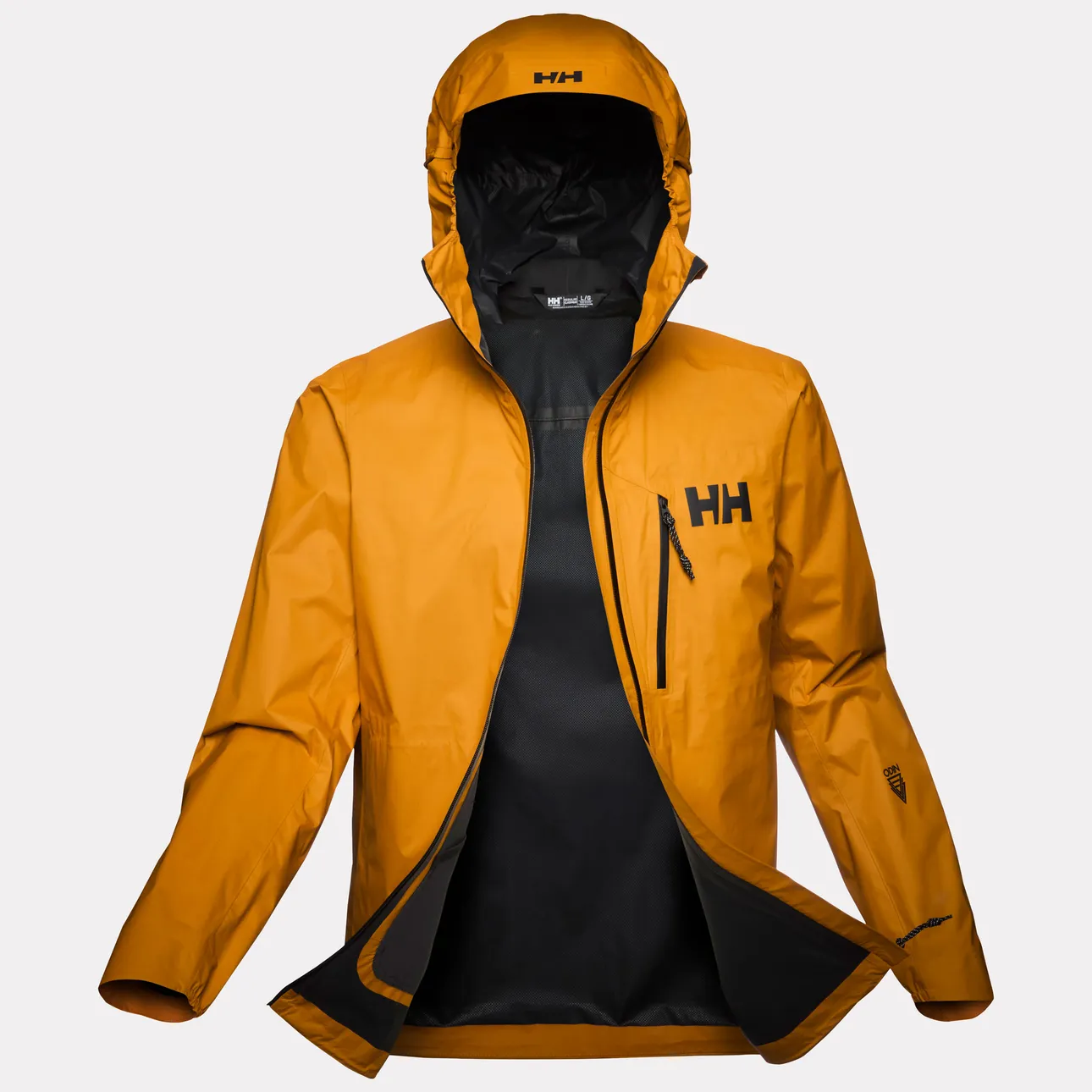
1. Helly Hansen Odin Infinity Minimalist Jacket
At 250 grams, this 3.5-layer shell utilizes HELLY TECH PROFESSIONAL and LIFA INFINITY construction. It is a testament to the fact that "minimalist" does not mean "stripped down." With a helmet-compatible hood and two-way stretch, it is designed for active movement in volatile conditions.
2. Arc’teryx Alpha SL Jacket
Coming in at a remarkably light 232 grams, this jacket showcases the integration of GORE-TEX PRO ePE. By utilizing 20D Hadron face fabric, it offers a high strength-to-weight ratio, making it the preferred choice for weight-conscious climbers who cannot afford a gear failure on a high-exposure face.
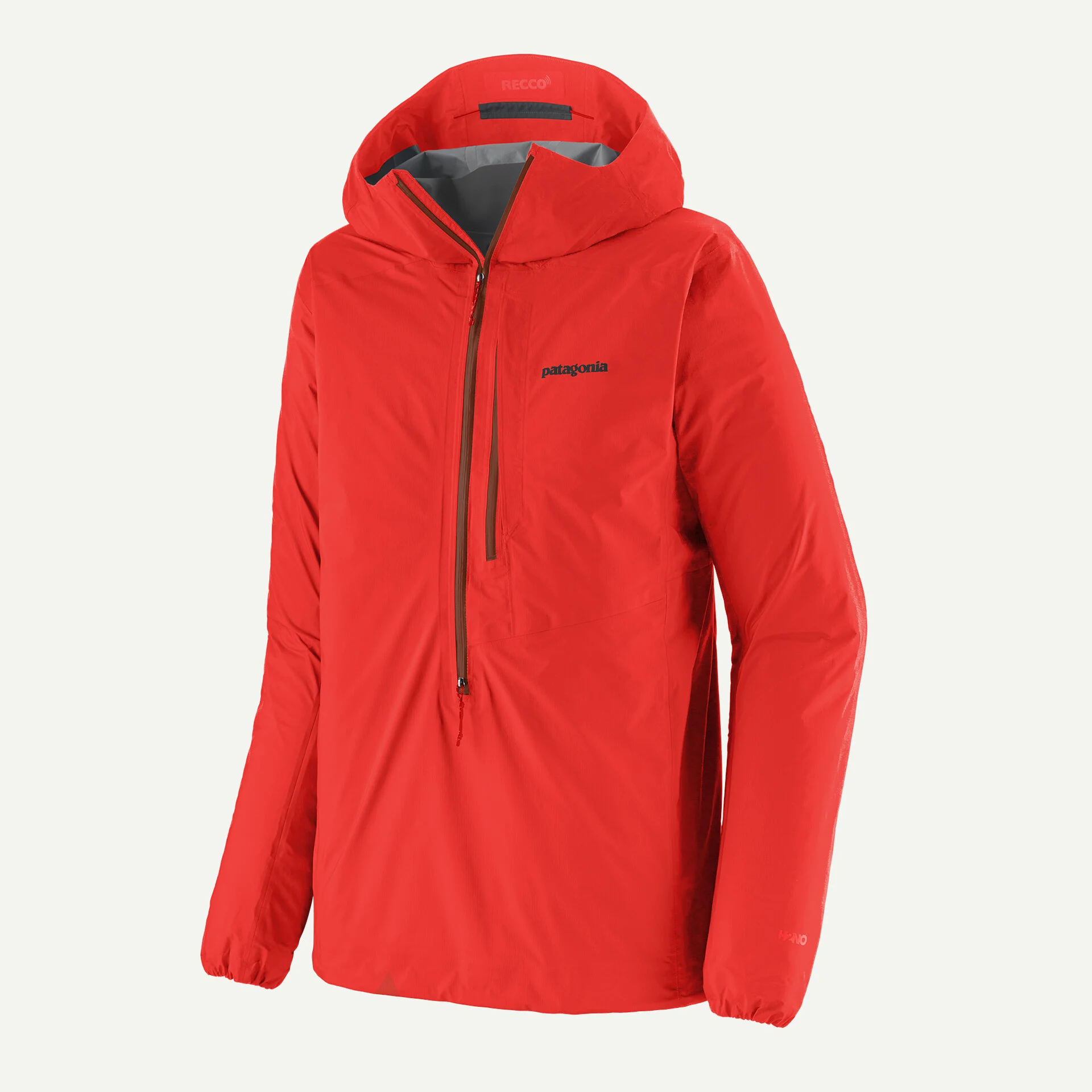
3. Patagonia M10 Anorak
Weighing in at 300 grams, the M10 represents a slightly more robust, feature-rich approach. By using an Xpore nanoporous membrane and a 20-denier recycled nylon ripstop face, it provides an exceptional barrier against wind and precipitation while maintaining a focus on sustainable construction—a major trend in the 2026 gear cycle.
Official Perspectives: The Philosophy of "Mountain Minimalism"
The Backpacking Light editorial team emphasizes that "Mountain Minimalism" is a discipline, not just a gear list. It requires the hiker to be an expert in their own environment.
"The goal," notes the podcast host, "is to match the technical capability of your shell to the volatility of the weather you expect to encounter."
The experts argue that the industry has successfully pushed the boundaries of what these fabrics can handle. However, they warn against "feature creep." A minimalist shell should exclude unnecessary pockets, heavy zippers, and excessive fabric volume, which add weight without contributing to the garment’s primary goal: keeping the wearer dry and warm.
The industry shift toward PFAS-free membranes, as seen in the latest Arc’teryx and Patagonia offerings, is highlighted as a major milestone. This transition proves that ecological responsibility and high-altitude performance are no longer mutually exclusive.
Implications: The Future of Ultralight
The implications for the consumer are clear: the barrier to entry for safe, high-altitude alpine travel is lowering. Because gear is becoming lighter, hikers can now carry more effective protection without sacrificing the speed and agility that characterize ultralight travel.

However, this ease of access brings a new responsibility. As the weight of a professional-grade rain shell drops below 250 grams, there is a temptation to use these tools in environments for which they were not designed. A jacket with a 20D face fabric is incredibly light, but it is not a suit of armor. The podcast concludes with a stern reminder: the lighter the gear, the more critical the user’s judgment becomes.
How to Join the Conversation
For those looking to dive deeper into the technical specifications or to join the broader community of ultralight enthusiasts, Backpacking Light offers extensive resources. Membership provides:
- Forum Access: A place to discuss gear failures, successes, and real-world testing with thousands of other hikers.
- Premium Content: Over 2,300 articles that go far beyond the surface level, providing deep-dive journalism into the science of gear.
- Online Education: Access to courses that teach the core philosophies of the mountain minimalist.
As we look toward the remainder of the 2026 season, the lesson from Episode 148 is simple: pack less, be more, but ensure that the "less" you carry is capable of handling the "more" that nature can throw at you.
This article is a summary of the insights provided in Backpacking Light Podcast Episode 148. For the full audio experience and detailed gear comparisons, visit the Backpacking Light website.