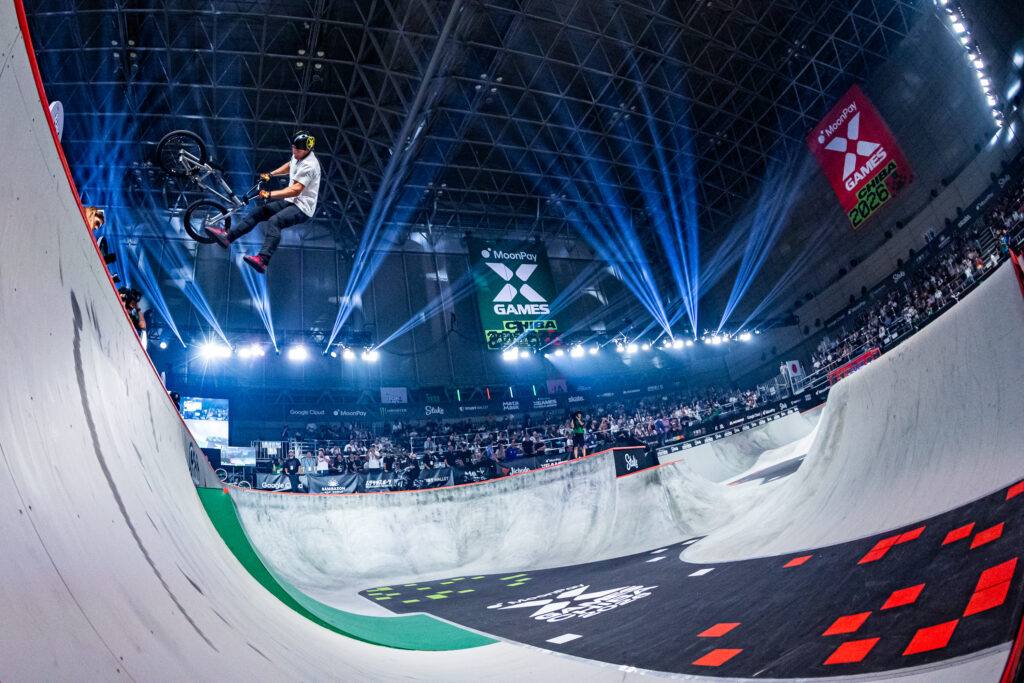
The heart of Japan’s action sports scene, Makuhari Messe, roared to life this weekend as the MoonPay X Games Chiba 2026 officially commenced. Following the high-stakes debut of the newly minted X Games League (XGL) in Sacramento, the tour’s second stop in Chiba has already proven to be a pivotal chapter in the history of extreme sports. With over 80 elite athletes from 16 nations competing for glory and league supremacy, the first day of action in Japan was defined by record-breaking milestones, technical mastery, and a shifting power dynamic within the XGL standings.
XGL Championship Standings: The Race to the Top
The league format has fundamentally altered the competitive landscape, shifting the focus from individual glory to team cohesion and cumulative points. As of the conclusion of Day One, X Games Club (XC) Tokyo has solidified its position at the top of the leaderboard with 1,450 points, capitalizing on home-turf advantage and the stellar performances of its local stars.
XC New York currently holds the second spot with 1,310 points, followed by a surging XC São Paulo at 1,300. XC Los Angeles sits in fourth with 1,150 points. With seven more competitions on the horizon, the gap between the top three teams remains razor-thin, suggesting that the championship will be decided by the consistency of these athletes under the high-pressure lights of the Chiba arena.
A Day of Records: Chronology of the Action
Saturday’s program was an aggressive display of athleticism, featuring eight distinct disciplines ranging from the technical precision of BMX Street to the gravity-defying maneuvers of Moto X Best Trick.
Morning Session: Technical Mastery
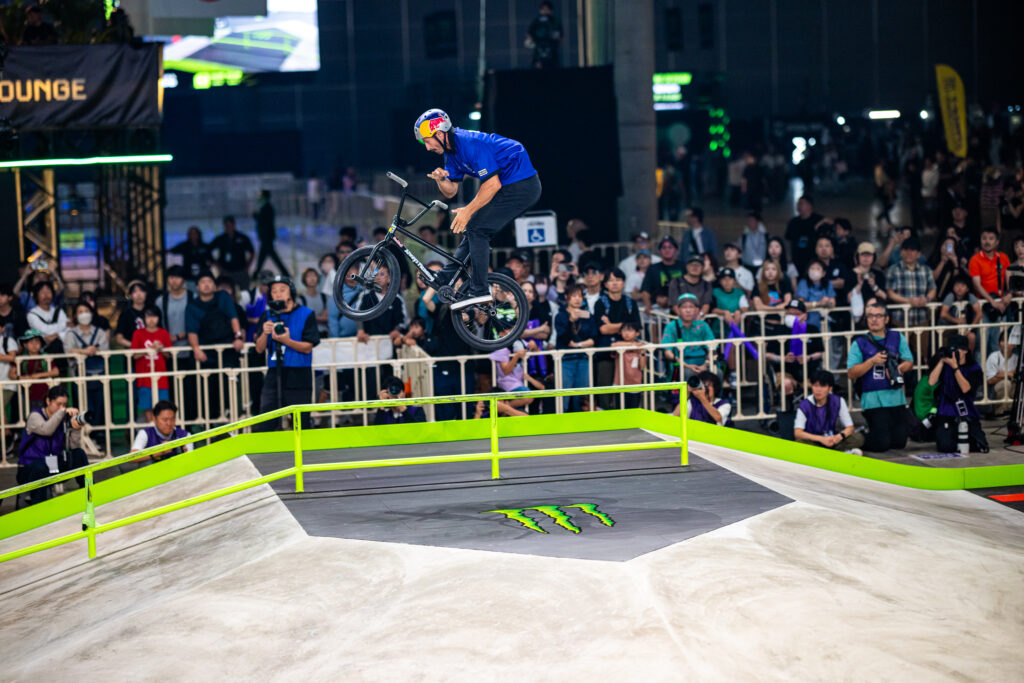
The morning belonged to the BMX and Skateboard Street specialists. In the Monster Energy Men’s BMX Street competition, Garrett Reynolds (XC São Paulo) reminded the world why he is considered the greatest to ever touch a bike. By securing his 18th career gold medal, Reynolds surpassed legends like Nyjah Huston and Shaun White for the most gold medals in X Games history. His performance—highlighted by a high-risk inward 180 to backward grind—marked his 19th consecutive podium in the discipline, a streak that spans nearly two decades of dominance.
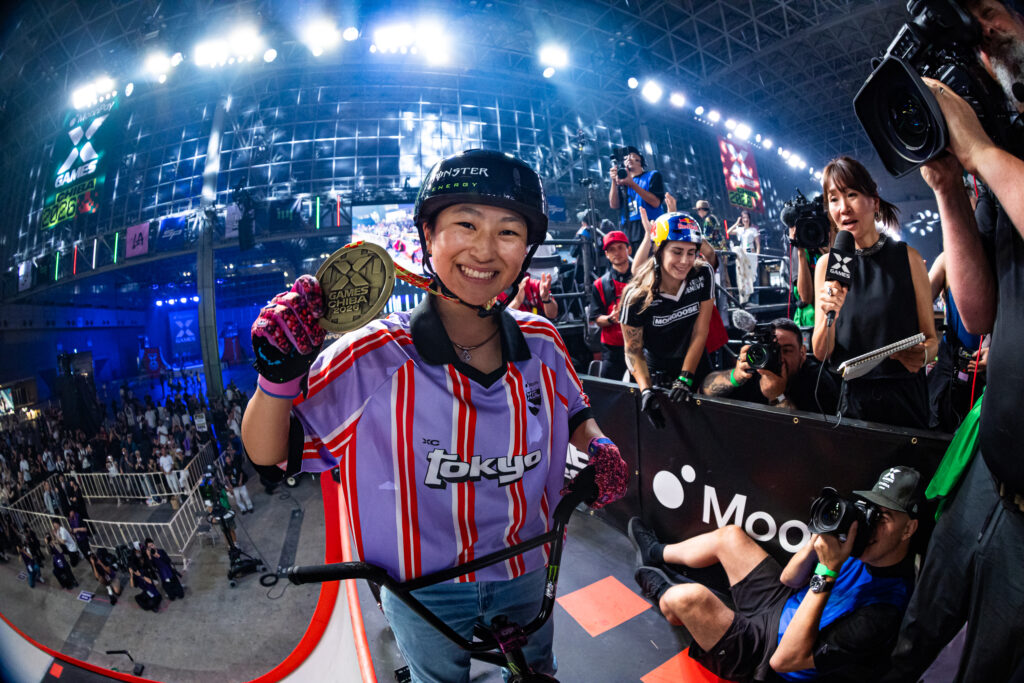
In the Stake Women’s BMX Park, 16-year-old rookie sensation Miharu Ozawa (XC Tokyo) stunned the crowd by dethroning the legendary Hannah Roberts (XC New York). Ozawa’s walk-off victory, punctuated by a backflip tailwhip over the box, marked her second consecutive gold in just her second career X Games appearance, cementing her status as the sport’s newest prodigy.
Afternoon Session: Vert and Best Trick
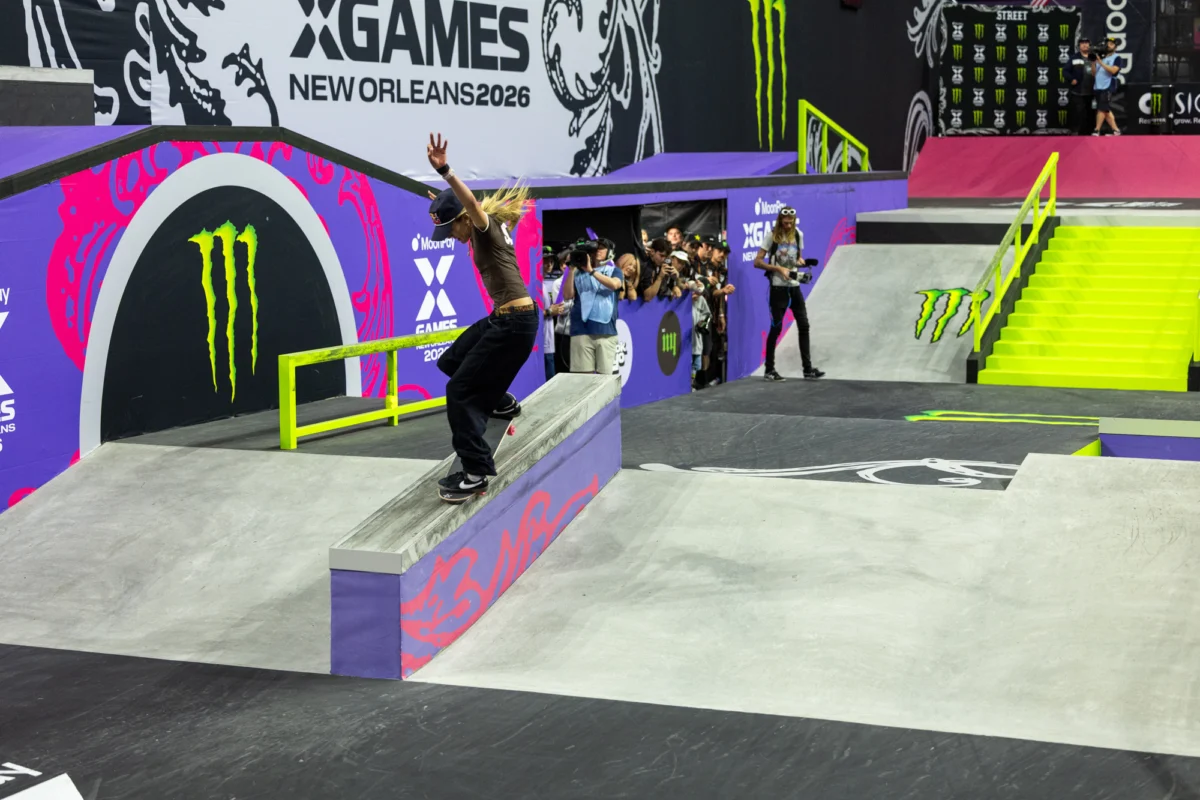
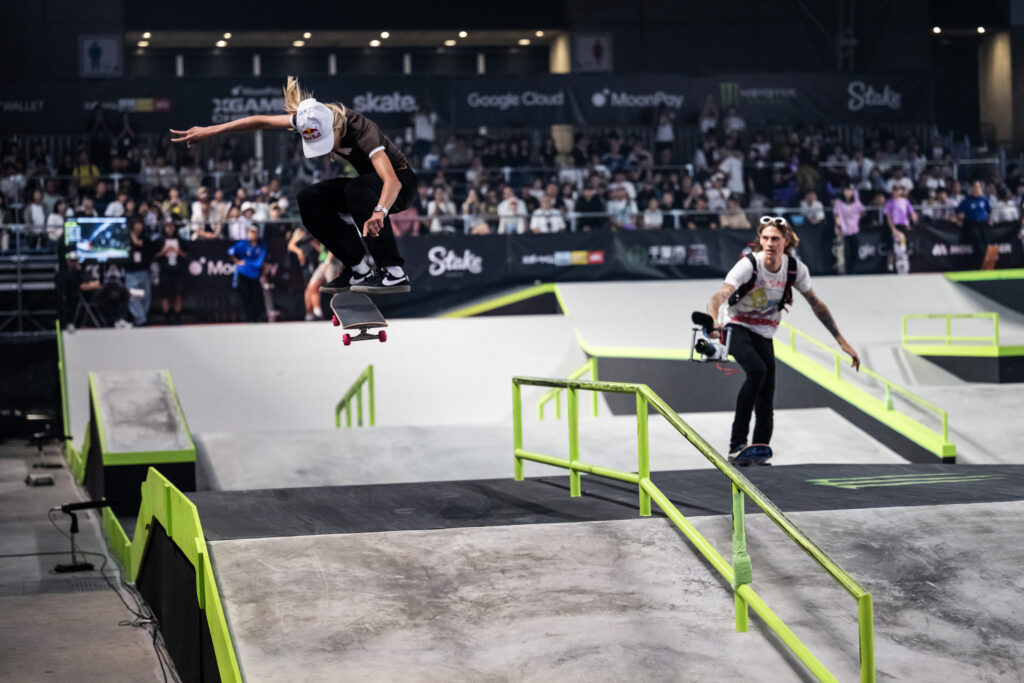
As the day progressed, the focus shifted to the vert ramps and the high-flying Moto X circuit. Chloe Covell (XC New York) dominated the Monster Energy Women’s Skateboard Street final. Despite a rocky start that included a mid-run stoppage due to a camera-operator mishap, Covell regained her composure to pull off a 93.33-point run, securing her fifth X Games gold and tying the legendary Leticia Bufoni for the most golds in the discipline’s history.
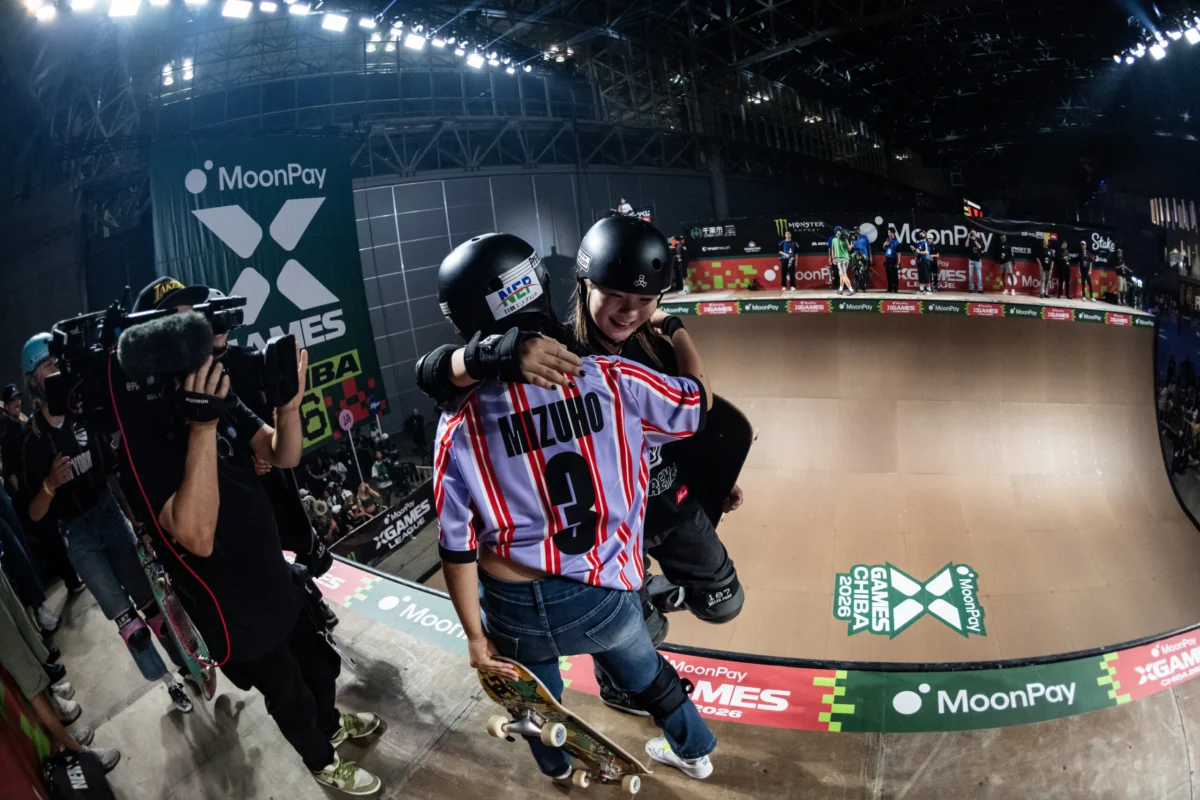
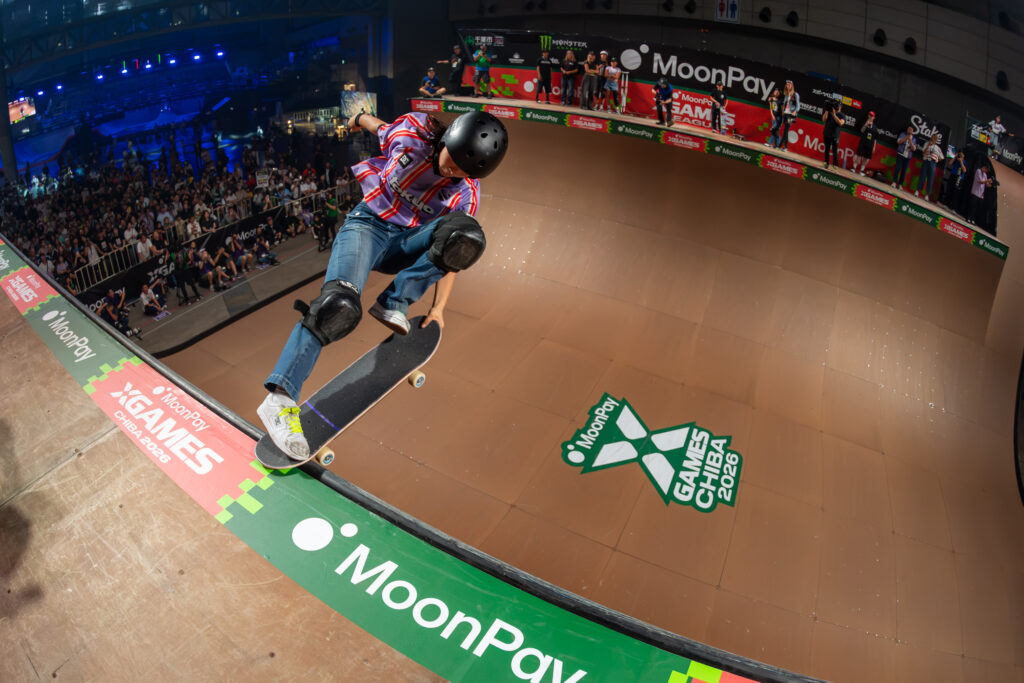
The MoonPay Women’s Skateboard Vert saw hometown hero Mizuho Hasegawa (XC Tokyo) claim the top spot. Her ability to execute the elusive fakie-to-fakie 540s in a full run set her apart from the field, allowing her to flip the script on her Sacramento silver-medal finish.
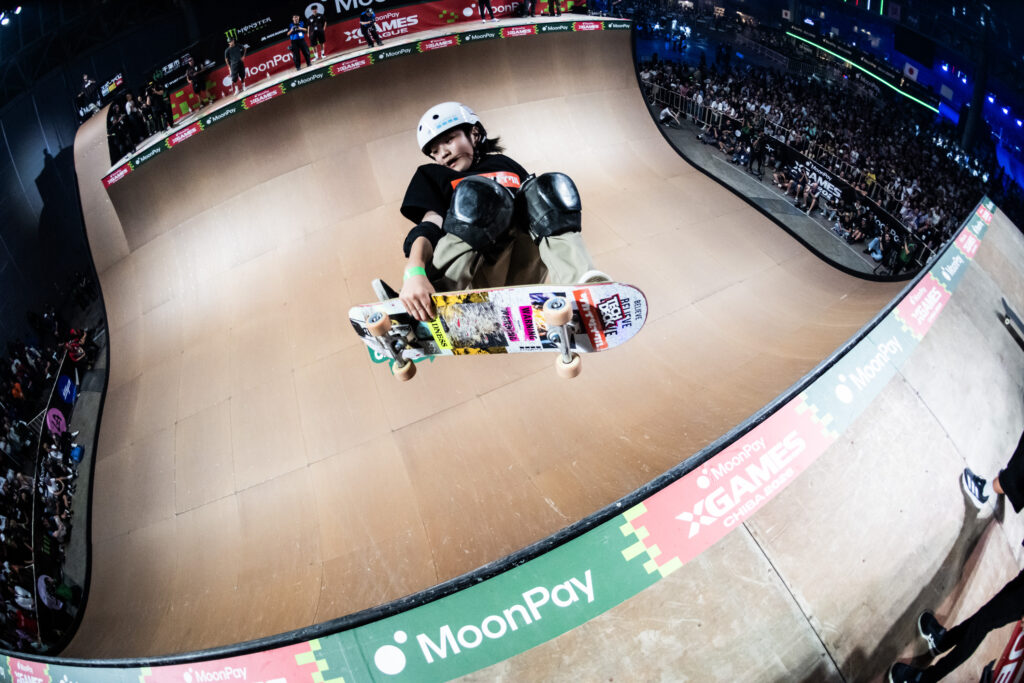
The youth movement was further underscored in the MoonPay Men’s Skateboard Vert event. Eleven-year-old Ema Kawakami (Free Agent) made history by becoming the youngest male gold medalist in X Games history. His execution of back-to-back 720s—a “McKenzie” Indy 720 into a fakie-to-forward Indy 720—effectively ended the four-event win streak of Gui Khury.
Supporting Data: By the Numbers
The statistical impact of Day One in Chiba highlights a generational shift.
- Garrett Reynolds’ Legacy: Now at 26 total X Games medals, Reynolds occupies sole possession of third place on the all-time medal list.
- The Youth Surge: With Miharu Ozawa and Ema Kawakami taking gold in their respective disciplines, the average age of the gold medalists on Day One is significantly lower than in previous decades, signaling an evolution in coaching and training intensity.
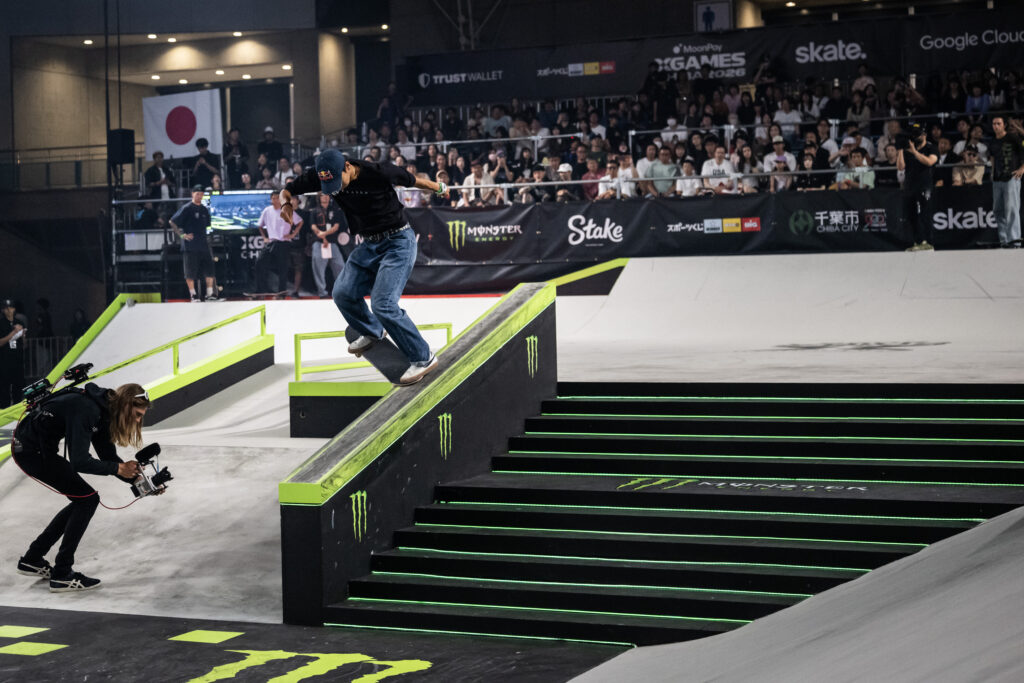
- Consistency vs. Risk: The XGL scoring data shows a higher average score for athletes who opted for "NBD" (Never Been Done) tricks, such as those performed by Juni Kang in the Skateboard Street Best Trick, proving that in the modern X Games era, technical innovation is the primary currency for success.
Official Responses and Athlete Insights
The atmosphere at Makuhari Messe was electric, with capacity crowds providing a level of support that many athletes noted as a deciding factor.
"Riding in front of a home crowd brings a different level of energy," said XC Tokyo’s Rim Nakamura after his bronze-medal performance in BMX Park. "You hear the roar, and you feel the weight of the moment, but you also feel the support. The league format adds a layer of responsibility—I’m not just riding for myself; I’m riding for my team’s place in the standings."
Hannah Roberts, despite her silver-medal finish while battling a shoulder injury and a cold, remained gracious. "Miharu is the future of this sport," Roberts noted. "To see that level of technical skill in someone so young pushes me to get back to the gym and find new ways to progress my own runs."
The judging panel also noted the high level of difficulty presented by the course design. "The transition between the Street and Park elements in Chiba was designed to reward versatility," said an X Games spokesperson. "We wanted to see if the riders could adapt their styles to a more fluid, high-velocity environment, and the results show that these athletes are operating at a level we haven’t seen in the last five years."
Implications for the Future of XGL
The inaugural MoonPay X Games League is proving to be more than just a tournament; it is a structural revolution for action sports. By establishing team-based standings, the league has introduced a "chase" element that keeps the narrative alive throughout the entire season.
The dominance of XC Tokyo in the home leg is a strategic win, but with the tour moving toward its conclusion, the depth of talent within the other three clubs ensures that the standings remain fluid. The performance of "Free Agent" riders—who are not yet signed to primary clubs—also poses an interesting dilemma for team managers: the talent pool is deeper than ever, and the race to secure top-tier talent for future seasons will likely heat up following the conclusion of the Chiba stop.
As Day One concludes, the implications are clear: the bar for success has been raised. Athletes are no longer just competing for a single weekend of glory; they are contributing to a long-term campaign. As Sunday’s events loom—including the Men’s Skateboard Park Final and the Women’s Skateboard Park Final—the focus will remain on whether the current leaders can withstand the pressure of a charging field looking to close the points gap.
The MoonPay X Games Chiba 2026 has successfully bridged the gap between the sport’s storied past and its high-octane, team-oriented future, setting the stage for a dramatic finale that will be remembered for years to come.