By Samuli Haapasalo | Field Report from the Barents Sea
August 4, 2026
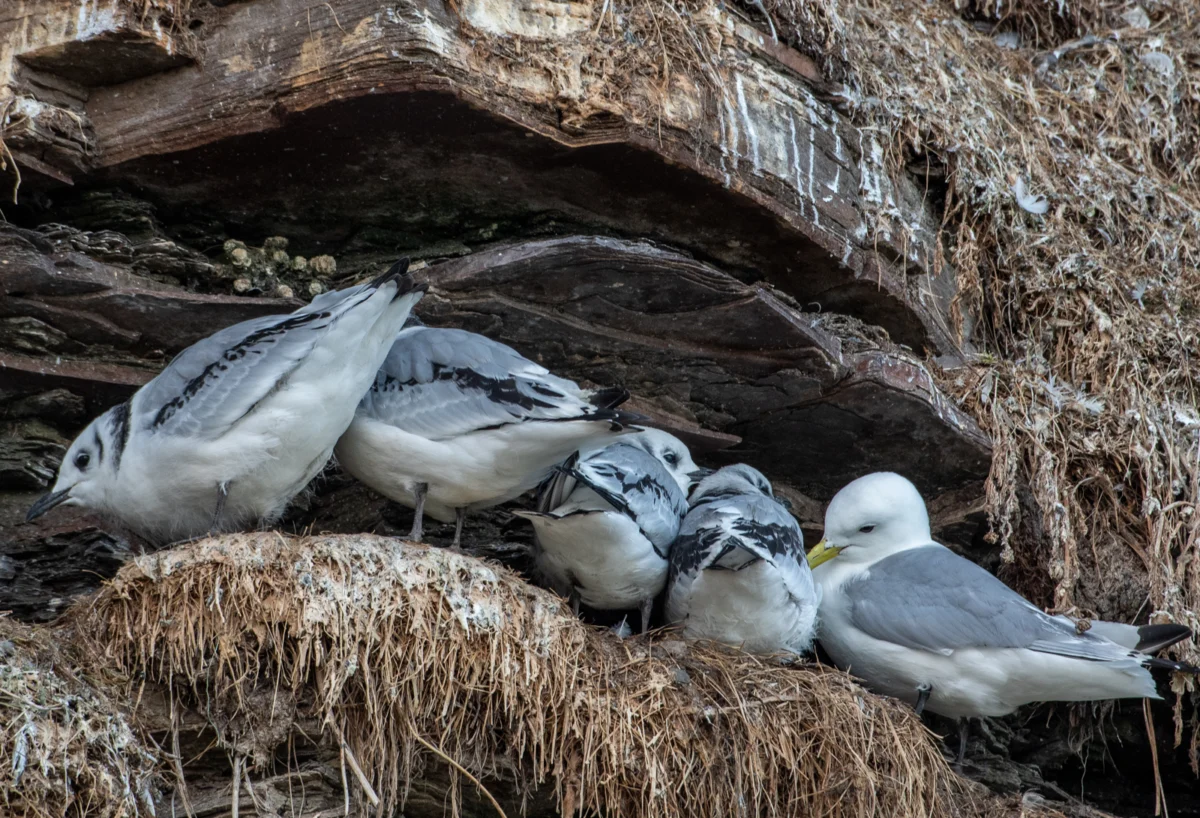
The northern cliffs of the Varanger Peninsula have long been defined by the cacophony of life. Since 1971, I have returned to these rugged, windswept landscapes to document the cycles of the Arctic. In their prime, these bird cliffs—most notably Syltefjordstauran—thrived with hundreds of thousands of breeding pairs of black-legged kittiwakes (Rissa tridactyla). They were the spirited, vocal ambassadors of the north.
However, in recent years, a haunting silence has descended upon these bastions of biodiversity. During the summer of 2026, many of these historic breeding sites remained eerily quiet, mirroring a broader collapse seen across Norway and Scotland. Yet, amidst the encroaching gloom of environmental degradation, a small, localized flicker of hope emerged at Ekkerøy.
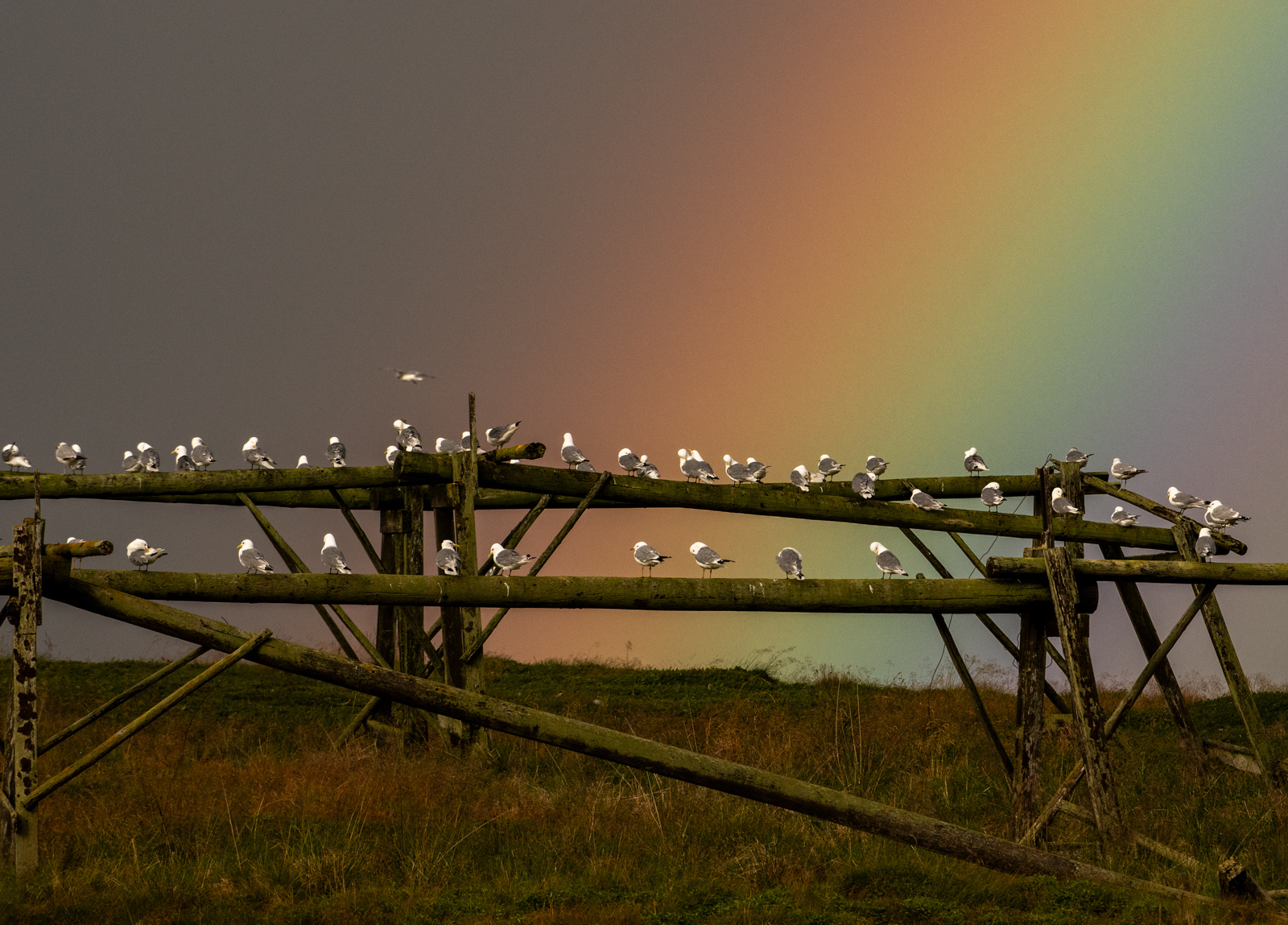
The State of the Colony: A Snapshot of 2026
As of early August 2026, the situation remains precarious. While the historic populations in places like Syltefjordstauran have faced seasons of total reproductive failure, the colony at Ekkerøy has shown a surprising, if fragile, resilience.
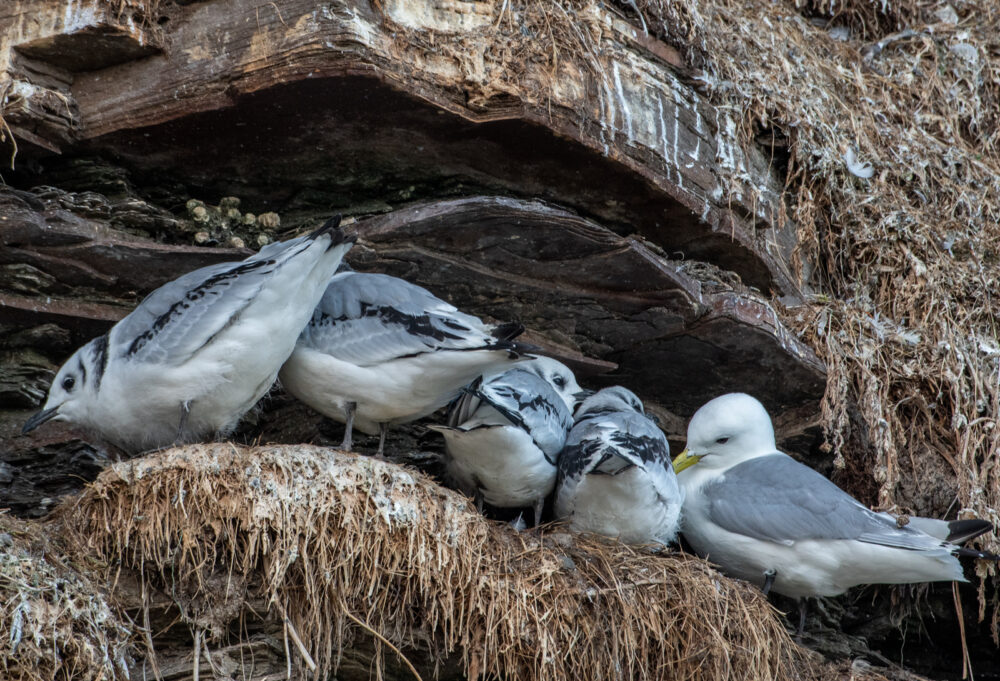
During my visit on August 1, 2026, the cliffs at Ekkerøy were uncharacteristically active. Beneath a vivid rainbow arching over the Barents Sea, the slopes were populated with active nests. Unlike recent years, where birds arrived only to abandon their nesting attempts due to the sheer lack of prey, this season has seen successful fledging. Many of the young are already air-worthy, their wings testing the gusty Atlantic winds.
This is not a sign of recovery in the global sense, but rather a temporary reprieve. The fundamental drivers of the kittiwake’s decline—a complex interplay of industrial overfishing and climate-driven ecosystem shifts—remain largely unaddressed.
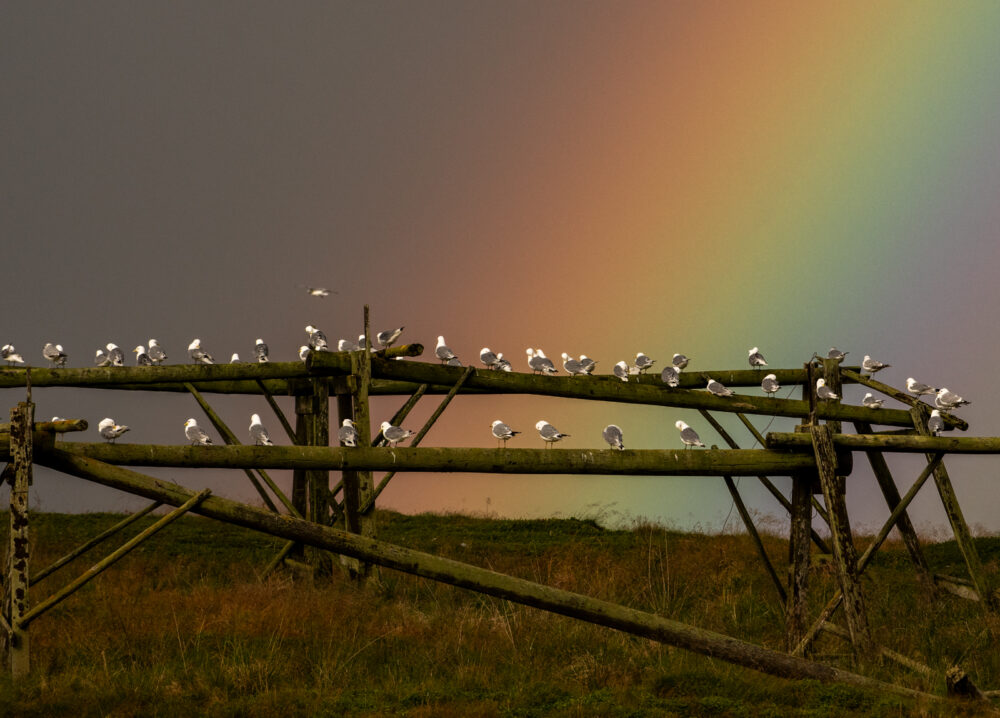
Chronology of a Collapse
To understand the current crisis, one must look at the trajectory of these populations over the last half-century.
- The 1970s and 80s (The Era of Abundance): During this period, the Barents Sea served as a reliable nursery. Kittiwakes nested in densities that seemed inexhaustible. The biomass of sand eel (Ammodytes), a staple of the kittiwake diet, was high and readily available near the cliff faces.
- The Turn of the Millennium (The First Warning Signs): Researchers began noting shifts in the arrival times and reproductive success of seabirds. Warming sea surface temperatures began to disrupt the timing of plankton blooms, which in turn caused a mismatch in the availability of larval fish.
- 2010–2020 (The Deepening Crisis): The "silent cliff" phenomenon became more frequent. In Scotland and Norway, mass abandonment of nests became a recurring headline. The energy cost of searching for food began to exceed the energy gained from hunting.
- 2026 (The Current Status): We see a polarized reality. While some sites remain "ghost cliffs," places like Ekkerøy have managed a successful breeding year. However, this success is often localized and vulnerable to the slightest oscillation in ocean currents or local prey availability.
Supporting Data: Why the Kittiwake Struggles
The decline of the black-legged kittiwake is not an isolated event; it is a sentinel signal for the health of the entire North Atlantic ecosystem.
1. The Prey Mismatch
Kittiwakes are surface feeders. They depend on small, lipid-rich fish like sand eels and capelin being pushed to the surface by larger predators or current upwellings. As ocean temperatures rise, these fish species shift their distribution further north or into deeper, cooler waters, often beyond the foraging range of a breeding kittiwake. A bird that must fly an extra 50 kilometers to feed is a bird that cannot effectively provision its chicks.
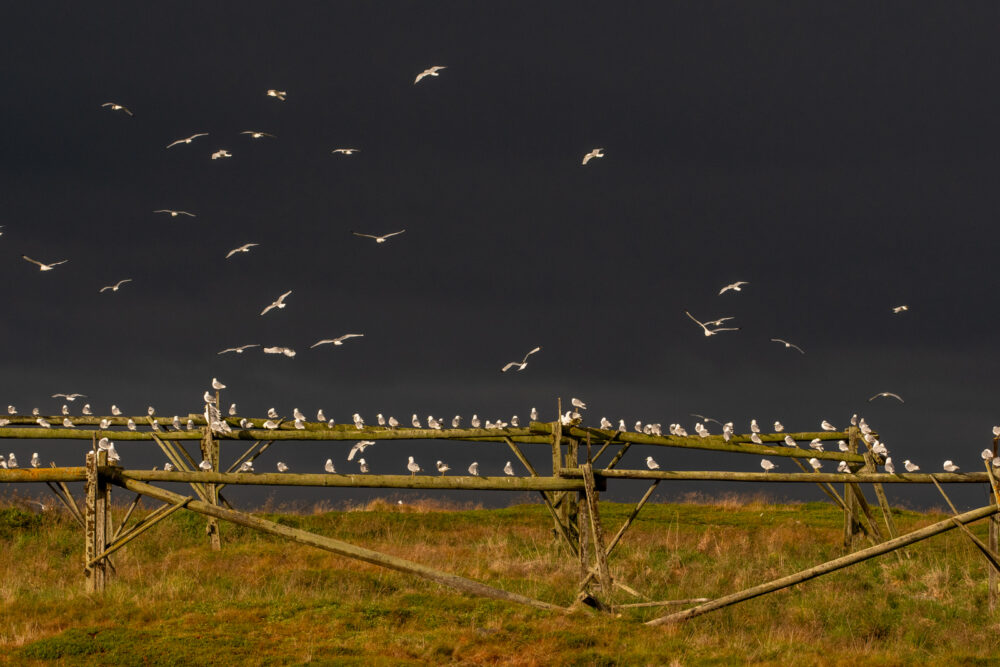
2. Industrial Overfishing
The problem is compounded by human activity. Much of the sand eel population is harvested for the production of fishmeal and fish oil, destined for the aquaculture and livestock industries. By removing the foundation of the marine food web, we are effectively starving the birds that rely on these stocks to sustain their colonies.
3. Climate Change as a Multiplier
Climate change acts as a force multiplier for these pressures. It alters the stratification of the water column, reduces the availability of essential nutrients for phytoplankton, and pushes the entire food web toward a state of instability.
Official Responses and Scientific Consensus
The international scientific community has reached a somber consensus: the status of the kittiwake is "vulnerable" to "endangered" in many of its traditional strongholds.
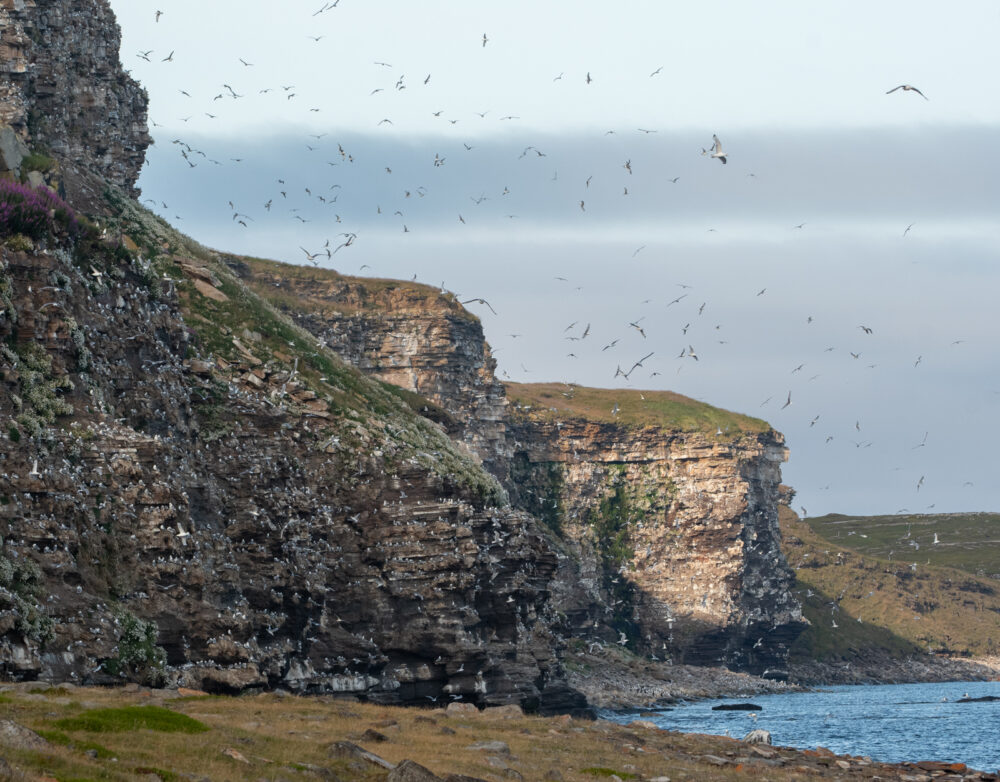
Norway’s environmental agencies, alongside international bodies like OSPAR, have called for stricter management of North Sea and Barents Sea fisheries. The primary policy recommendation remains the creation of "no-take zones" around critical seabird colonies during the breeding season.
However, political resistance remains significant. The fishing lobby argues that current quotas are sustainable based on adult fish stocks, but biologists argue that this ignores the spatial needs of breeding seabirds. The data from 2026 supports the biologists: when the fish are physically inaccessible to the birds, the biomass of the stock becomes irrelevant to the survival of the next generation of kittiwakes.
The Path Forward: Implications for Conservation
The sight of young kittiwakes taking flight at Ekkerøy this year brings a sense of relief, but it is a "light in the darkness" rather than the dawn of a recovery. If we are to ensure that these birds do not disappear from our northern landscapes, several systemic changes must occur:
Protecting Foraging Grounds
Conservation must move beyond protecting the cliffs themselves. A cliff is only as valuable as the "marine pasture" surrounding it. We must establish protected marine areas that safeguard the sand eel stocks within a 50-to-100-kilometer radius of major breeding colonies.
Integrating Climate Models into Fisheries
Fisheries management cannot continue to operate in a vacuum. Decisions regarding annual catch quotas must incorporate real-time oceanographic data, including surface temperatures and prey distribution models. If the sea is too warm and the food is scarce, the fishing industry must be prepared to accept mandatory, temporary closures to prevent ecological collapse.
Long-term Monitoring
The work of field researchers—the count of every nest, the observation of every foraging flight—is the only way to hold policymakers accountable. Knowledge can be painful; as we learn more about the extent of the damage, the burden of action becomes heavier. However, we cannot turn away.
Conclusion: A Call to Vigilance
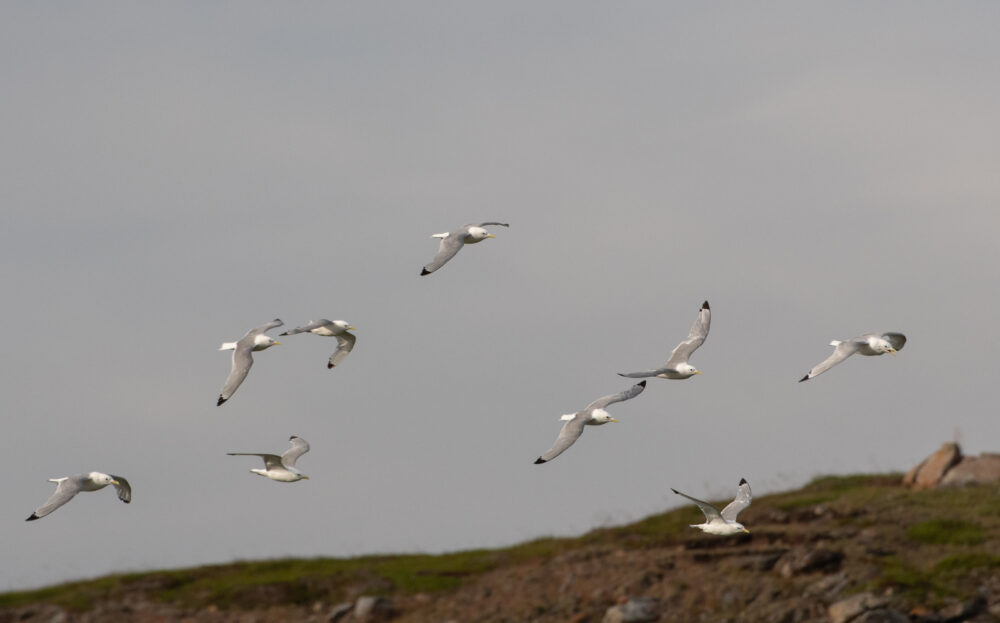
As I stood on the cliffs of Ekkerøy last week, watching the adults return from the sea in a continuous, flowing line, I was reminded that nature possesses a remarkable capacity for resilience—if we provide it with the necessary space and resources.
The struggle of the kittiwake is our own struggle. It is a reflection of how we manage the global commons. We have reached a point where the "business as usual" approach is no longer an option. The choice is clear: we must either adapt our industrial practices to accommodate the biological realities of our oceans, or we must accept that the sounds of the northern cliffs will, eventually, fade into a permanent, mournful silence.
Hope should never be abandoned, but hope without action is merely a spectator sport. We have the science, we have the data, and we have the duty to act. The kittiwakes of 2026 have given us one more year; it is our responsibility to ensure that those who come after them have a home to return to.