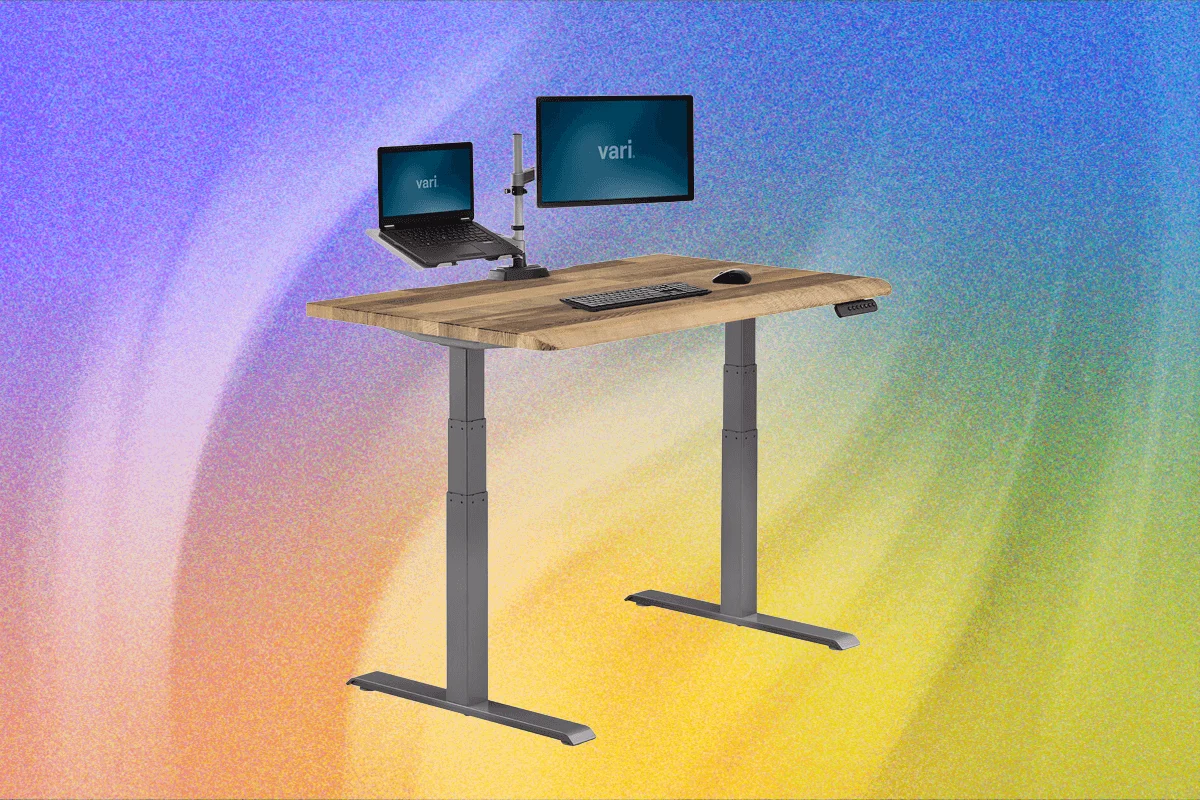
For over a decade, the standing desk has been hailed as the panacea for the sedentary office worker. Proponents argued that by simply raising our workstations, we could shed calories, improve posture, and mitigate the long-term health risks associated with the "sitting disease." However, as the novelty has worn off and long-term data has begun to accumulate, the conversation has shifted. The reality is far more nuanced: standing is not a magic bullet, and for many, it can introduce as many physical challenges as it claims to solve.
The Science of Standing: A Shifting Paradigm
Recent research has cast a skeptical eye on the "stand all day" mantra. A landmark study published in the International Journal of Epidemiology highlights a critical finding: while standing desks can help reduce prolonged bouts of sedentary time, they are not a substitute for active movement. In fact, prolonged static standing can increase the risk of cardiovascular issues, such as varicose veins and orthostatic hypotension.
Anne-Kristina Arnold, a senior lecturer in the Department of Biomedical Physiology and Kinesiology at Simon Fraser University, emphasizes the complexity of the data. "To say standing workstations are good for everybody in every situation all the time is never going to fly," Arnold notes. "There are so many variables—body size, individual fitness levels, the type of footwear, and the specific nature of the work being performed. The research is fundamentally mixed."

The emerging consensus among kinesiologists is that "the best posture is the next posture." Rather than fixating on standing for hours, experts suggest a rhythmic approach: 20 minutes of standing per hour, with frequent breaks to walk and stretch. Movement, not static elevation, is the key to metabolic and musculoskeletal health.
Chronology of the Modern Workspace Evolution
The trajectory of the standing desk has mirrored the broader evolution of the home office.
- 2010–2015: The "Sitting is the New Smoking" Era. Early health reports triggered a surge in interest, leading to the rapid adoption of rudimentary, often DIY, standing solutions.
- 2016–2020: The Rise of the Electric Motor. As the market matured, electric lift mechanisms became the standard, allowing for seamless transitions between sitting and standing, which significantly increased the adoption rate among corporate professionals.
- 2020–2022: The Remote Work Boom. With the mass migration to home offices, the standing desk transformed from a luxury office perk into a foundational piece of home furniture. Companies like Herman Miller and Vari began dominating the high-end market.
- 2023–Present: The "Smart" and Specialized Era. We have entered a phase of over-engineering, where desks are now equipped with AI-driven sensors, app connectivity, and integrated cable management systems, even as users have begun to demand simpler, more reliable hardware.
Ergonomics: How to Set Up Your Station Properly
A high-quality desk is only as good as its setup. Ergonomics remains the primary defense against workplace injury, and the rules for standing are identical to those for sitting.

- Elbow Alignment: When standing, your keyboard should be at elbow height, with your arms bent at a 90-degree angle. This prevents wrist strain and shoulder fatigue.
- Monitor Height: The top of your monitor screen should align with your eye level. If you are using a laptop, a dedicated laptop stand is mandatory to prevent "tech neck," a condition caused by constant downward looking.
- The Foundation: Before adjusting your desk, ensure your office chair is perfectly adjusted to your floor height. If you don’t have a solid foundation, the transition to standing will only exacerbate existing back pain.
The Hidden Danger: Cable Management and Hardware Failures
One of the most overlooked aspects of standing desk ownership is the physical stress placed on peripheral equipment. As the desk rises, tension on cables increases. WIRED reviewers have documented "rookie moves" where Ethernet cables were ripped from PC ports or delicate desk art was knocked off walls during height adjustments.
When setting up your station, always leave enough slack in your cabling. Invest in cable sleeves, under-desk trays, and monitor arms that move with the desk to ensure that your hardware doesn’t suffer "grievous consequences" the moment you decide to stretch your legs.
Long-Term Testing: The WIRED Methodology
The WIRED reviews team employs a rigorous, long-term testing protocol. Rather than testing a desk for a few days, reviewers use these units for months—sometimes years—in their own home offices.

This process evaluates:
- Build Materials: Assessing the durability of laminates versus solid wood.
- Motor Integrity: Monitoring noise levels, speed, and the presence of anti-collision sensors.
- Assembly: Evaluating the complexity of setup and the potential for disassembly when moving homes.
- Warranty and Service: In an industry prone to mechanical failure, a company’s warranty and reputation for service are as critical as the desk’s aesthetics.
Market Analysis: From Budget to Executive
The current market offers a wide spectrum of options for every budget.
The Budget-Friendly Contenders
For those in small apartments or student housing, the Luxor Compact Electric Standing Desk ($200) offers a no-nonsense, quiet lift mechanism in a footprint that fits in tight corners. Similarly, the Inbox Zero 47-inch Adjustable Desk ($196) provides essential functionality, though users should be prepared for audible motor noise.

The Mid-Range Sweet Spot
The Autonomous Desk Pro ($600) introduces a "Desk AI" controller that tracks habits, though it’s largely a novelty. The Vari Solid Wood Electric Standing Desk ($829) stands out for its FSC-certified lumber and "ComfortEdge" design, which softens the wrist-to-desk impact—a subtle but life-changing feature for heavy typists. The Boulies Magvida ($760) offers a unique magnetic organization system, perfect for those who want a decluttered space without drilling holes.
The Executive Tier
At the high end, the Room & Board Lincoln Desk ($5,399) sets the standard for design. Built in collaboration with Gensler, it feels less like a piece of office equipment and more like fine furniture. It is wobble-free, sturdy, and features white-glove assembly, making it the choice for executives who want to stand without sacrificing a professional aesthetic.
Products to Approach with Caution
Not all standing desks are created equal. The Corsair Platform:6 Desk ($1,400) serves as a cautionary tale. While it features an innovative rail system, long-term testing revealed significant structural failures, with the rails tilting under the weight of monitors. Similarly, the Marinamantra "Flow" desk ($1,149) promised a sit-cross-legged experience but was plagued by assembly issues and unreliable electronics.

Essential Accessories for the Modern Desk
To optimize your standing workstation, consider these critical add-ons:
- Clamp-on Power Strips: (e.g., Branch, $89) These move the power source from the floor to the desk, preventing cable-stretch accidents.
- Monitor Arms: (e.g., Mount-It! Dual Monitor Arm, $280) Essential for maintaining eye-level ergonomics.
- Task Lighting: (e.g., BenQ ScreenBar, $139) These illuminate your workspace without consuming valuable desk real estate.
- Desk Mats: (e.g., Harber London, $239) A high-quality leather mat protects your surface and provides a tactile, comfortable area for mouse and keyboard usage.
Final Implications: The Future of Workspace Health
The standing desk is not a magical cure for a sedentary lifestyle; it is merely one tool in a larger ergonomic arsenal. The future of workplace health is not "standing vs. sitting," but rather "active vs. static." As we continue to refine our home offices, the focus must remain on flexibility. Whether you are using a $200 entry-level desk or a $5,000 executive piece, the goal remains the same: move more, sit less, and ensure your equipment is as adaptable as the work you do.
Ultimately, the most important feature of any desk is not its motor or its app connectivity, but its ability to encourage you to leave it behind every 20 minutes to walk, stretch, and reset.