By Ben Emanuel | July 31, 2026
While the record-breaking heat waves of summer 2026 have dominated national headlines, a quieter, more insidious threat is unfolding across the American Southeast. A significant portion of the region remains firmly in the grip of severe and extreme drought, a condition that is not merely a seasonal nuisance but a systemic crisis impacting human infrastructure, public health, and the delicate ecological balance of our river basins.
For many, the current drought is a stark reminder that water scarcity is no longer an anomaly but a defining characteristic of a rapidly changing climate. As river flows reach record-lows, the Southeast finds itself at a crossroads, balancing the demands of a growing population with the essential health of the natural systems that provide our most vital resource.
The Anatomy of the Drought: Main Facts and Current Status
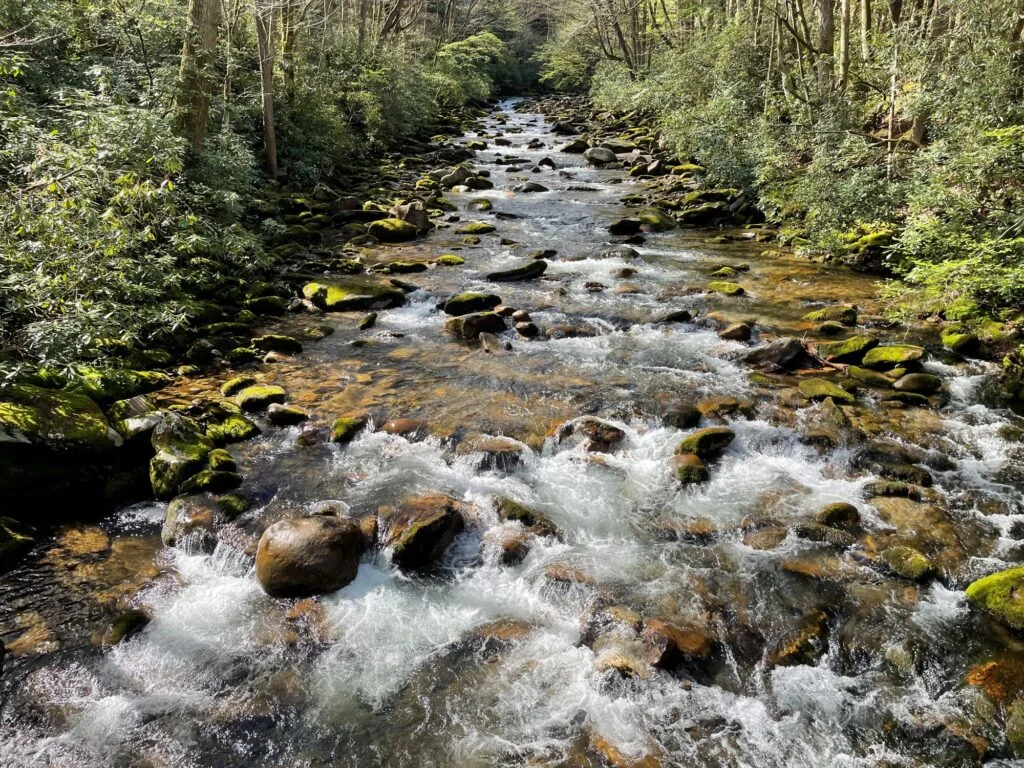
The U.S. Drought Monitor has painted a concerning picture for the Southeast. In North Carolina, the situation is particularly dire; large swaths of the state have languished in severe or extreme drought conditions for several consecutive months. These levels of aridity have caused stream and river flows to drop to near-historic lows, creating a feedback loop where the lack of water further degrades the landscape’s ability to retain moisture.
Understanding the "Drought-on-Drought" Effect
While drought is a natural phenomenon, the current crisis is exacerbated by human intervention. Our regional river systems are being squeezed by a trifecta of stressors:
- Flow Alteration: The physical manipulation of river channels and dam operations often ignores the ecological necessity of seasonal high flows.
- Over-Withdrawal: Rapid population growth and the expansion of water-intensive industries, including data centers, place an unprecedented burden on freshwater supplies.
- Impervious Surfaces: Urban sprawl has replaced forests and wetlands with concrete. These surfaces prevent rainwater from percolating into the soil to recharge groundwater, essentially "starving" our rivers of the baseflow they need during dry spells.
A Chronology of Decline: How We Arrived Here
To understand the current crisis, one must look beyond the summer months. Drought in the Southeast is often a cumulative failure of the water cycle, beginning long before the first heat advisory of June.
The Failure of the Winter Recharge
The Southeast relies heavily on the "cool season"—winter and early spring—to replenish groundwater and saturate the soil. The 2026 drought was effectively set in motion months ago. A notably dry winter left the region’s reservoirs and water tables at a deficit, providing no buffer for the inevitable heat of summer.
A Critical Springtime Shift
Typically, the Southeast experiences a period of relative relief in the spring. However, this year, the drought conditions intensified during those crucial rainy months. This departure from the expected climate cycle caught many water managers off guard, as the region entered the high-demand summer season already in a state of deficit.
The Persistence of Scarcity
In states like Georgia, intermittent rainfall provided temporary, minor relief in early summer. However, hydrological drought behaves like a debt: it takes a long time to accumulate and an equally long time to repay. While meteorologists monitor short-term rainfall, the deep, underlying lack of moisture in soil and groundwater means that even a few scattered thunderstorms are insufficient to declare the crisis over.
Supporting Data: Ecosystems Under Duress
The impact of prolonged low flows extends far beyond the lack of water in our taps. When river levels remain low for extended periods, the environmental consequences are catastrophic.
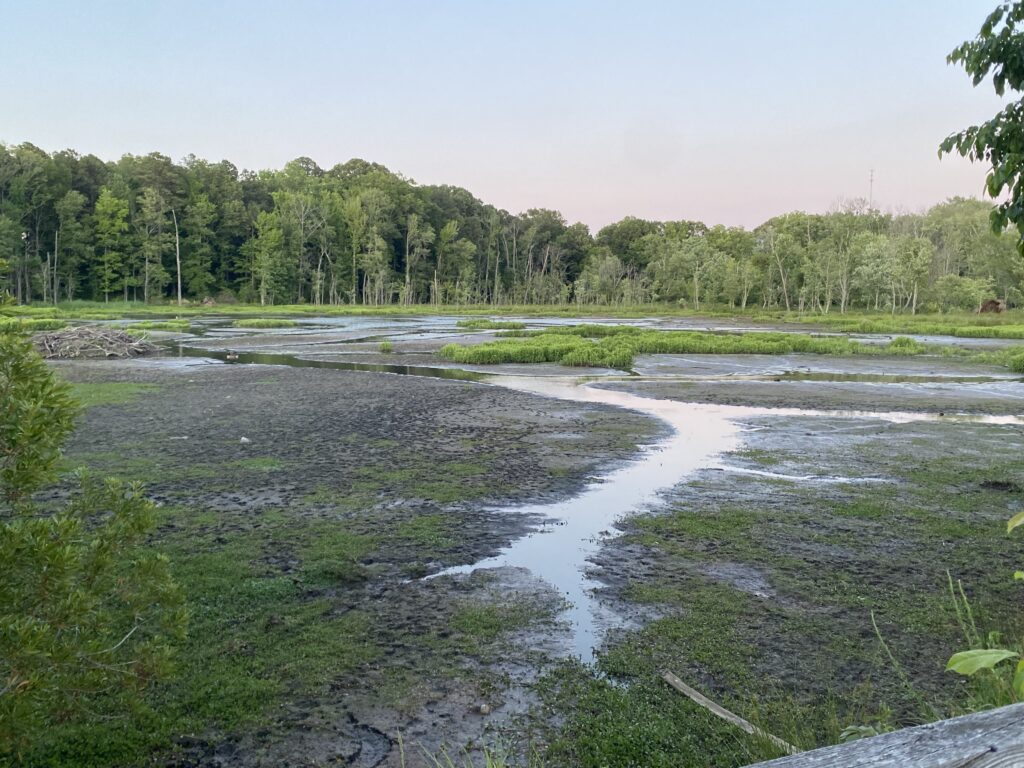
- Thermal Stress: With less volume, water temperatures rise rapidly. Warmer water holds less dissolved oxygen, which is essential for fish and aquatic invertebrates.
- Fish Kills and Biodiversity Loss: The recent, devastating fish kill on the Chattahoochee River in Atlanta serves as a grim case study of "weather whiplash." The rapid transition between dry, low-flow conditions and sudden, intense flash flooding creates volatile chemical and biological conditions that aquatic life cannot survive.
- The Data Center Factor: As the Southeast becomes a global hub for technological infrastructure, the water demands of massive data centers—used for cooling servers—are rising. This industrial demand adds a layer of complexity to water utility planning that was not present even a decade ago.
Official Responses and Strategic Management
Water utilities across the region are currently operating in a state of high alert. However, experts at American Rivers argue that "crisis management" is an outdated approach. Instead, the focus must shift toward long-term resilience and a "water-first" mindset.
The "Efficiency First" Mandate
American Rivers has long advocated for an "Efficiency First" approach to municipal water policy. This strategy prioritizes the maximization of existing water supplies through:
- Leak Detection and Repair: Aging municipal infrastructure leaks millions of gallons of treated water annually.
- Demand Management: Implementing smart metering and tiered pricing structures to discourage non-essential outdoor water use.
- Smart Infrastructure: Moving away from reliance on massive, ecologically damaging dams and toward distributed, nature-based solutions that promote groundwater infiltration.
The Role of Regional Cooperation
Water does not recognize state or county lines. The current drought highlights the need for inter-jurisdictional water planning. If one municipality over-withdraws, it deprives communities and ecosystems downstream. Effective policy requires regional bodies to manage river basins as single, interconnected units rather than fragmented patches of ownership.
Implications for the Future: A Call to Action
The 2026 drought is a harbinger of the challenges to come. As climate patterns become more erratic, the "new normal" will be defined by the oscillation between extreme drought and extreme flood.
The Imperative of Conservation
Every citizen has a role in mitigating the severity of these events. Reducing water waste—through the installation of low-flow fixtures, the transition to native landscaping that requires no irrigation, and the conscious avoidance of excessive outdoor water use—remains a critical frontline defense. When we save water at home, we leave more in the river, which helps maintain the ecological flow necessary to support life during the driest months.
Policy Reform and Infrastructure
We must be planning for drought when we are not in a drought. This means:
- Updating Zoning Laws: Restricting development in high-risk watersheds to preserve natural infiltration zones.
- Modernizing Utilities: Providing financial incentives for water utilities to invest in water recycling and conservation technologies.
- Nature-Based Solutions: Protecting and restoring wetlands and riparian buffers, which act as nature’s own sponges, holding water during floods and releasing it during dry periods.
Conclusion: A Shared Responsibility
The health of our rivers is a mirror of the health of our society. The current drought is not just a problem for farmers or water managers; it is a test of our collective ability to live within the limits of our natural environment. As we navigate the remainder of this hot summer, we must recognize that the actions we take today—both in our personal habits and our policy priorities—will dictate the resilience of the Southeast for years to come.
Water is the lifeblood of the region. Protecting it is not merely an environmental goal; it is a fundamental necessity for our collective future.
To stay informed about how the drought is affecting your local river and to learn more about how you can advocate for smarter water policies, sign up for updates from American Rivers.