As the sun sets on another productive season in our Korso gardens, we are reminded that the success of a harvest is never a matter of luck. Compared to the exceptionally challenging conditions of 2025, this year has been a period of gratitude and growth. Yet, in the world of horticulture, the "perfect year" remains a myth. Every season presents its own hurdles, from shifting weather patterns to the persistent pressure of pests and diseases.
For those of us tending the earth, the goal is not merely to react to crises but to cultivate an environment where plants possess the internal resilience to withstand them. By focusing on soil vitality and holistic management, we can shift our role from firefighters to ecosystem stewards.
The Reality of Botanical Vulnerability
Why Plants Cannot Simply "Walk Away"
Unlike mobile organisms, plants are fixed in place. Whether an threat comes in the form of a microscopic fungus, a ravenous aphid, or a hungry deer, the plant must face it head-on. Because they cannot flee, our primary responsibility is to fortify them—building their internal defenses while providing external protection.
The threats to our gardens are diverse. From fungal pathogens that thrive in damp conditions to invasive insects and opportunistic herbivores, the pressures are constant. To combat these, we must look beyond traditional, reactive pest control and prioritize proactive health. When a plant is nourished correctly, it is naturally less appealing to pests and more capable of mounting an immune response to disease.
The Foundation: Proactive Soil Management
Building Health from the Ground Up
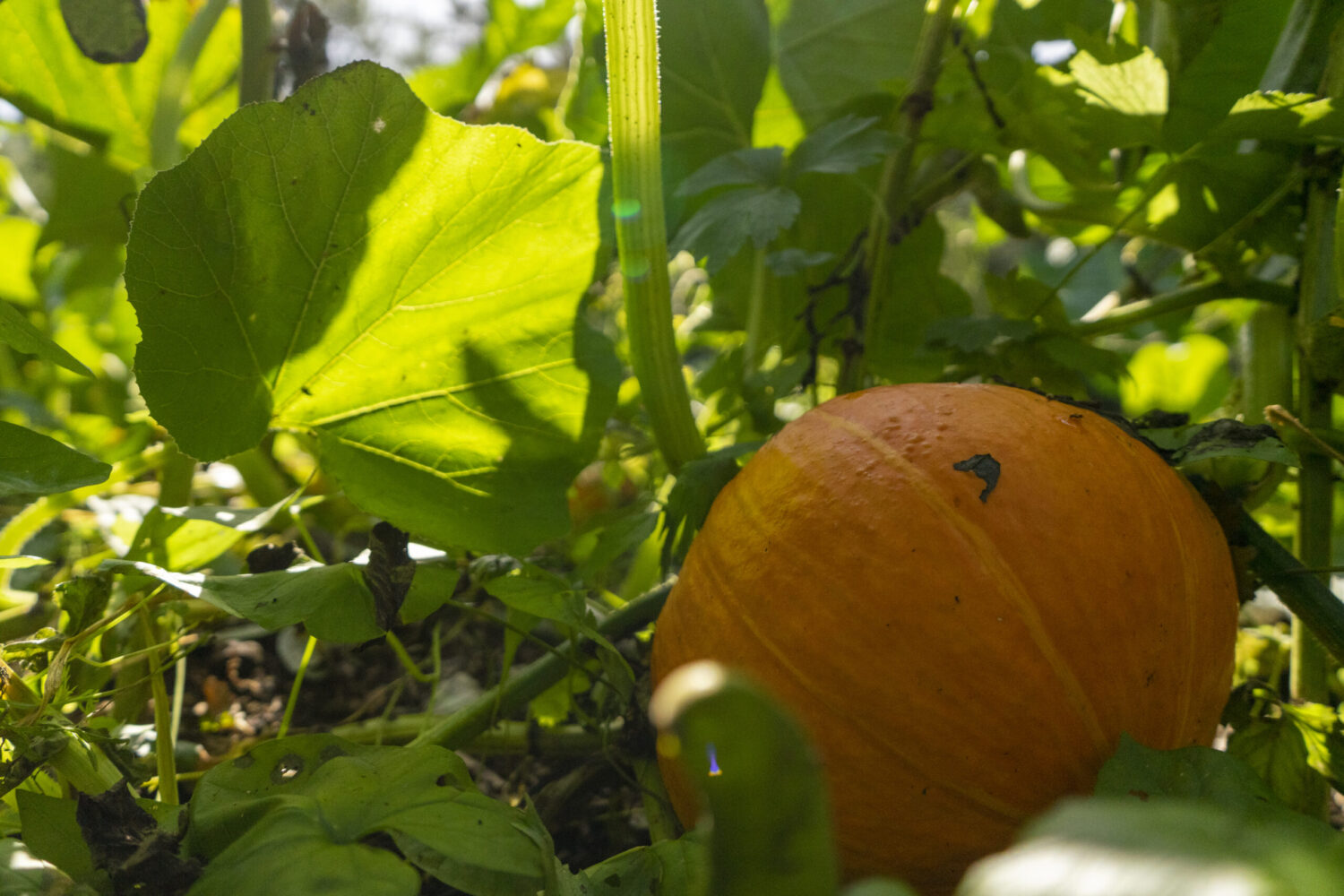
The cornerstone of a healthy garden is, unequivocally, the soil. If your plants and soil are thriving from the start, the need for chemical intervention or desperate "rescue" missions diminishes significantly.
The principles of healthy soil are centered on biological activity. Rather than relying on NPK-heavy synthetic fertilizers that often act as stimulants rather than nourishment, we advocate for a symbiotic approach. When plants receive nutrients through a robust network of microorganisms—bacteria, fungi, and protozoa—they thrive.
When soil is balanced, plants have access to a full spectrum of minerals, including vital trace elements like boron, zinc, and molybdenum. These micronutrients are the co-factors that allow plants to photosynthesize effectively and convert nitrogen into high-quality proteins. When this process is optimized, the plant produces an excess of energy, which it then invests in secondary metabolites—compounds that improve the plant’s own immune system and, subsequently, its nutritional value for us.
The Secret of the Forest Floor: Quality Compost
The Microbial Engine
How do we achieve this balance? The answer lies in the smell of the earth itself. High-quality compost should possess the rich, earthy scent of the forest floor—a sign that it is teeming with microbial life.
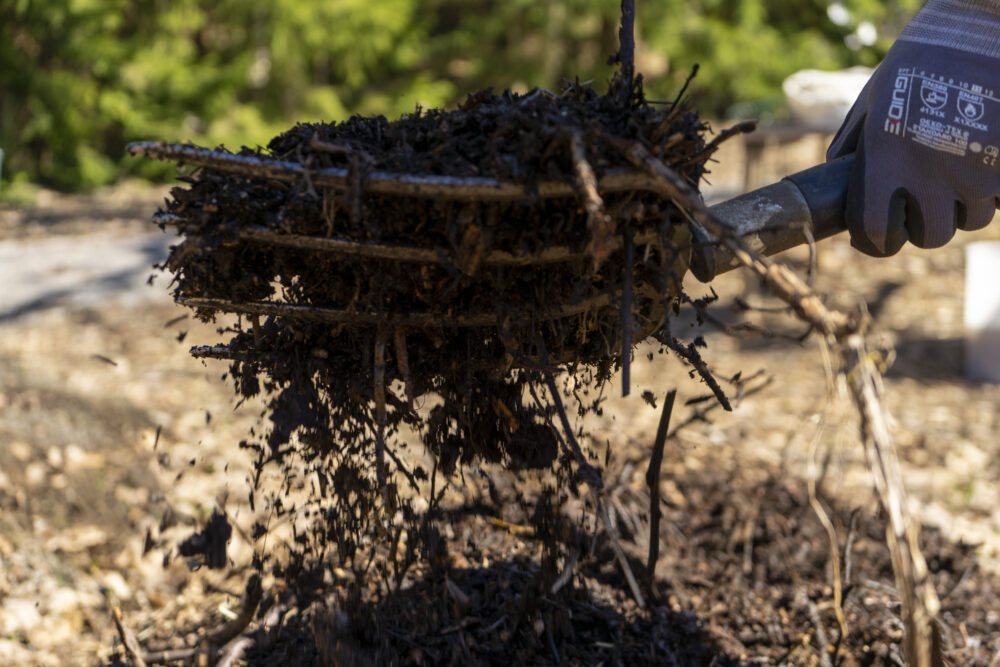
To boost your garden’s potential, you can enhance standard compost with mineral-rich additives. Kivituhka (crushed stone dust) and seaweed extracts are excellent additions available at most garden centers. These materials provide the raw minerals that, when broken down by soil microbes, become bioavailable for the plants.
Furthermore, we encourage gardeners to explore the world of "beneficial ferments." Utilizing Bokashi or homemade microbial inoculants (HM-hapate) can jumpstart the biological activity in your beds. These ferments act as a probiotic for the soil, fostering a diverse ecosystem that suppresses pathogens and aids in nutrient uptake.
Chronology of a Resilient Garden
- Early Spring: Focus on soil preparation. Incorporate mature compost and mineral amendments to establish a diverse microbial population before the first seeds are sown.
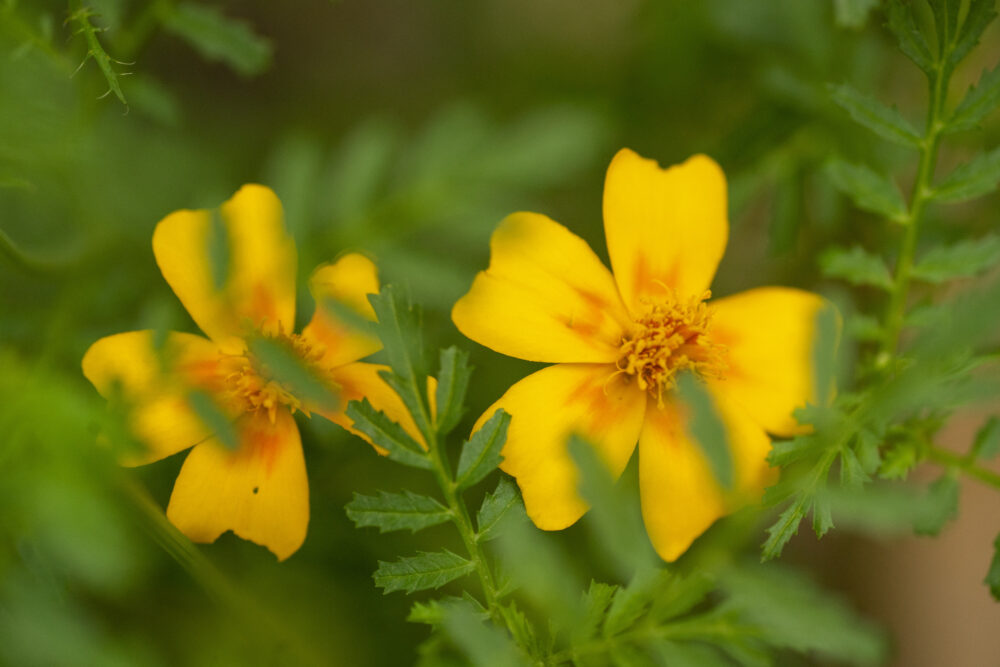
- Late Spring: Strategic intercropping. Introduce "companion plants" like marigolds, which serve as natural deterrents to certain soil-borne pests and attract beneficial insects.
- Mid-Summer: Monitoring and Maintenance. Focus on consistent hydration and the use of natural liquid fertilizers (such as nettle or comfrey tea) to provide a mid-season nutrient boost.
- Late Summer: Harvest and Cleanup. Transition toward autumn crops, harvesting wild edibles, and preparing the soil for winter cover crops to prevent erosion and nutrient leaching.
The Defensive Ecosystem: Diversity as Protection
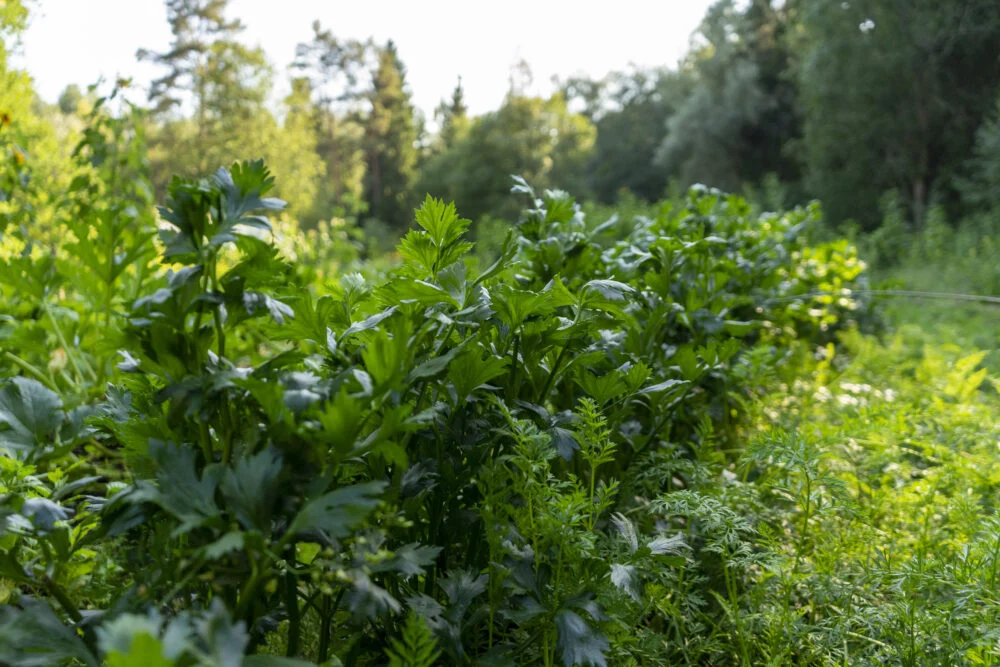
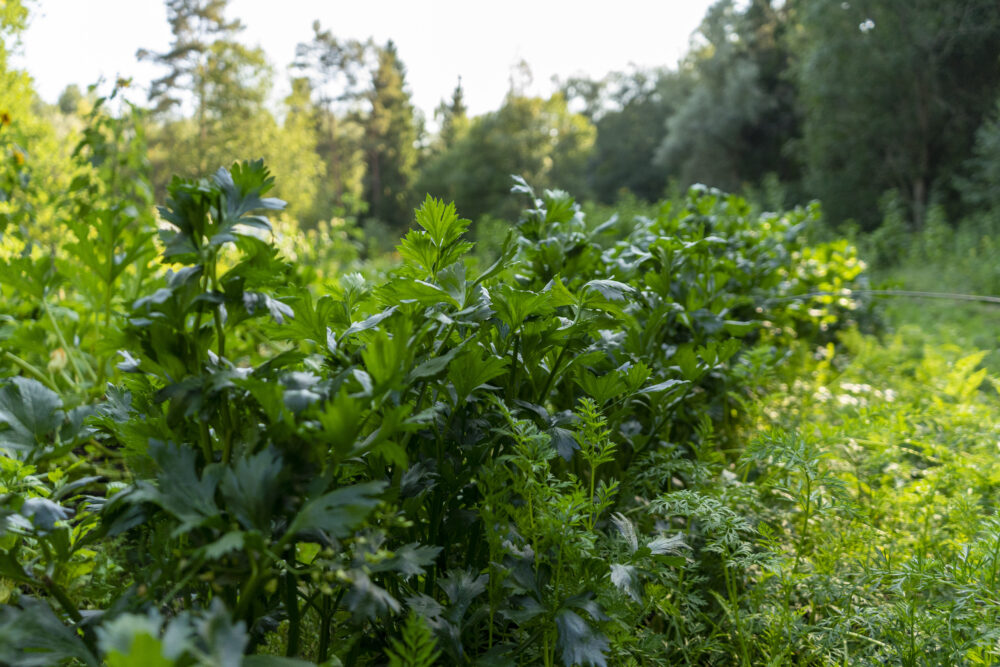
A garden is not just a collection of plants; it is a community. Monocultures are invitations to disaster, as they provide a single, easy target for pests. By contrast, a diverse ecosystem provides "buffer zones."
When we plant marigolds alongside our vegetables, we are not just adding color; we are creating a chemical barrier that confuses pests. When we leave space for flowering umbellifers (like dill or fennel), we are inviting parasitic wasps and hoverflies—the natural predators that keep aphid populations in check.
Managing External Threats
While internal health is vital, some threats require physical intervention. In Southern Finland, for instance, species of the Beta vulgaris family (like beets and chard) are magnets for deer and hares. In these cases, physical exclusion—sturdy fences or high-quality pest netting—is a non-negotiable part of a successful strategy. To ignore this is to feed the local wildlife rather than your family.
Culinary Integration: From Garden to Table
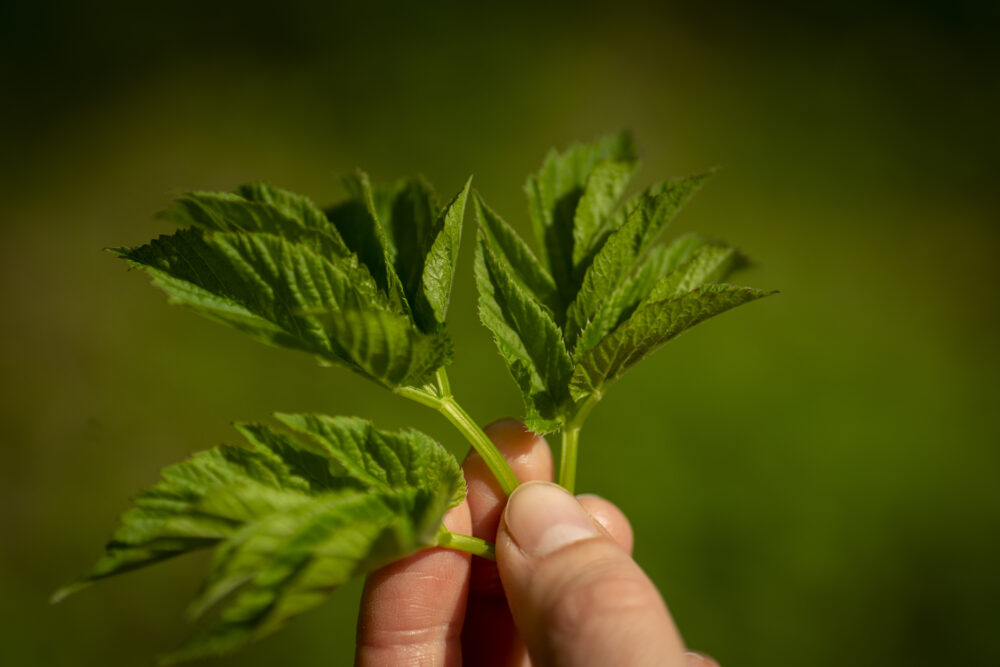
The joy of a well-tended garden is best realized in the kitchen. As we move into the late season, we find that our garden continues to provide, even as the "primary" summer crops wane. Wild greens like dandelion, stinging nettle, and ground elder are nutrient-dense powerhouses that thrive in the same healthy soil we cultivate for our vegetables.
Recipe: Late-Summer Wild-Green Kalitsounia
These Cretan-style pies are a testament to the versatility of the garden.
Ingredients:
- Dough: 500g flour, 250ml warm water, 2 tbsp olive oil, a pinch of salt.
- Filling: A large bowl of mixed greens (nettle, dandelion, chard, kale, or wild spinach), 1 onion (white parts only), 100g feta or similar crumbled cheese, fresh mint, lemon juice, salt, and pepper.
Preparation:
- The Dough: Mix ingredients into a smooth ball. Let it rest for at least an hour.
- The Greens: If using wild greens, blanch them in boiling water for 30 seconds to remove bitterness. Drain thoroughly and chop finely.
- The Filling: Sauté the onions in olive oil until soft. Add the chopped greens and cook until the moisture has evaporated. Remove from heat, stir in the cheese and mint, and season to taste.
- Assembly: Roll the dough into thin circles. Place a tablespoon of filling in the center, fold, and seal the edges with a fork.
- Cooking: Fry in a hot pan with olive oil until golden brown on both sides. Serve with a fresh, herb-heavy salad.
Implications for Future Gardening
The shift toward soil-centric, regenerative gardening is not just a hobby; it is a necessity for the future of food security. By prioritizing the health of the soil microbiome, we are effectively sequestering carbon, improving water retention, and ensuring that our harvests are not only abundant but nutritionally superior.
As we look toward the 2026 season, we urge every gardener to view their plot as a living, breathing entity. The challenges of the future—be they climate-related or pest-driven—will be best met by those who understand that a healthy plant is the final product of a healthy, vibrant, and diverse soil ecosystem.
Supporting Data and Observations
The "Humus Campaign," which has been working with local daycares and schools, has provided significant anecdotal and observational evidence that even small-scale soil amendments—when applied consistently—result in higher plant resilience. In our own Korso trials, beds treated with mineral-enhanced, microbially-active compost showed a 20% increase in yield consistency across three years of fluctuating weather patterns.
Conclusion
True gardening is a dialogue with nature. It is an exercise in patience, observation, and respect for the microscopic life that makes all macroscopic life possible. Whether you are dealing with a rogue deer or a persistent aphid, remember that the answer almost always lies in the soil. Feed the microbes, balance the nutrients, and create a community of plants that support one another. In doing so, you don’t just grow food; you grow resilience.
Images for this article were provided by Jyrki Kaheinen.