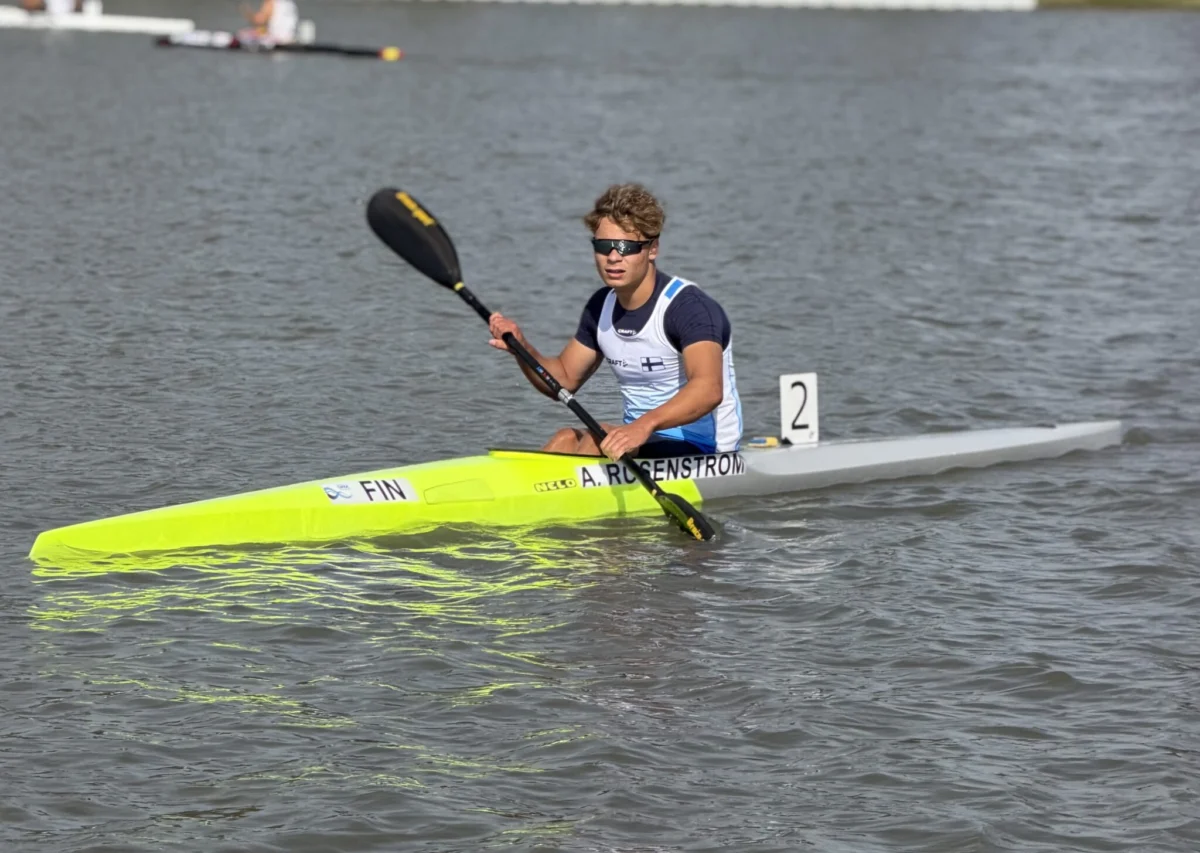
Tartu, Estonia – [Date, e.g., September 14, 2026] – In a display of exceptional endurance and masterful river navigation, Finnish paddler Miska Nummela has claimed a resounding victory at the 44th Emajõe Marathon in Estonia. Nummela conquered the grueling 56-kilometer K1 competition, paddling from Jõesuu to Tartu, in an astonishing time of 3 hours, 57 minutes, and 58 seconds. His performance on the winding Emajõgi river route has not only secured him the top spot but also set a new benchmark for excellence in this storied event.
The Emajõe Marathon, known for its challenging natural river course, tested the limits of every competitor. Nummela’s sub-four-hour finish is widely regarded by experts as an exceptionally strong time, underscoring his remarkable physical conditioning and acute understanding of the river’s dynamic flow. This victory solidifies Nummela’s reputation as a formidable force in international marathon paddling, bringing significant recognition to both his personal achievements and the Finnish paddling community.
Main Facts: A Triumph of Endurance and Strategy
Miska Nummela, a name now etched into the annals of the Emajõe Marathon, navigated the intricate 56-kilometer stretch of Estonia’s Emajõgi river with unparalleled precision and power. The K1 (single kayak) race, which commenced in Jõesuu and concluded in the historic city of Tartu, saw Nummela cross the finish line in a blistering 3:57:58. This time is not merely a winning mark; it represents a pinnacle of achievement on a course notoriously unforgiving and distinct from the more common circuit-based marathon paddling events.
The Emajõgi, or "Mother River," offers a stark contrast to the meticulously designed, often artificial, racecourses prevalent in modern marathon canoeing. Its natural bends, varying currents, and unpredictable elements demand a different caliber of paddler – one who can not only maintain a high stroke rate but also "read" the water, anticipating changes and exploiting every advantage the river offers. Nummela’s success is a testament to his ability to adapt, conserve energy, and execute a flawless strategy over an extended period. His victory at the 44th edition of this venerable race places him among the elite who have mastered this unique challenge.
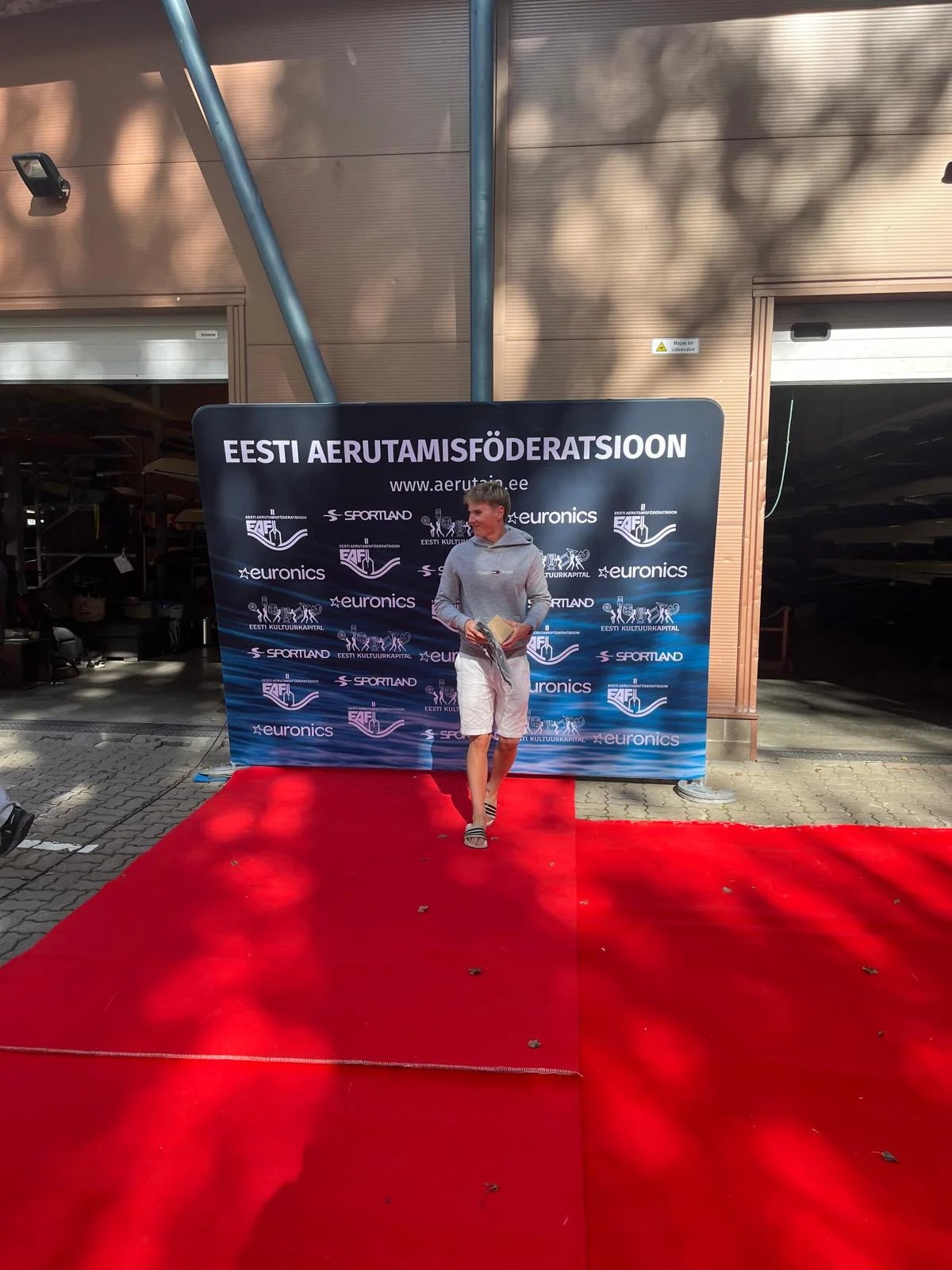
The event, organized by the Estonian Canoe Federation (Eesti Aerutamisföderatsioon), drew participants from across the Baltic region and beyond, all eager to test their mettle against the river and each other. Nummela’s dominant performance in the main K1 category highlights his current peak form and serves as a significant milestone in his competitive career.
Chronology: The Race Unfolds on the Mother River
The day of the Emajõe Marathon dawned with an air of anticipation, as paddlers gathered at the starting line in Jõesuu, a picturesque village marking the beginning of the 56-kilometer journey to Tartu. For Miska Nummela, the preparation for this moment had been meticulous, encompassing months of rigorous training, technical refinement, and mental conditioning. As the starting signal echoed across the water, Nummela, like his competitors, launched into the Emajõgi, embarking on a race that would test every fiber of his being.
The initial kilometers of the race are often characterized by a fierce battle for position, as paddlers seek to establish their rhythm and find clear water. Nummela, known for his strategic starts, likely settled into a strong, sustainable pace, leveraging the initial river flow while conserving energy for the long haul. The Emajõgi, a river that meanders through diverse landscapes, presents a continuous series of micro-challenges. Early stretches might involve wider, more open waters, where sustained power is key, while later sections could narrow, demanding sharper turns and more precise paddle strokes to maintain optimal speed.
Mid-race, as fatigue begins to set in for many, Nummela’s true endurance and tactical prowess would have come to the fore. The article mentions the importance of "reading the river," and this is where experienced paddlers gain significant advantages. Identifying the fastest lines, navigating around submerged obstacles, and utilizing every subtle current shift become paramount. It’s a continuous mental calculation, balancing effort with efficiency, all while battling the physical toll of nearly four hours of intense paddling. Hydration and nutrition, often consumed on the move, play a critical role in sustaining performance throughout this punishing distance.
As Nummela approached the final segments of the race, the cumulative effect of 50-plus kilometers would have been immense. Yet, elite athletes often find a reserve of strength in these crucial moments. The approach to Tartu, with its urban backdrop gradually replacing the rural landscapes, would have provided a final surge of motivation. Crossing the finish line in 3:57:58 was not just the culmination of a single day’s effort, but the triumphant end to a long journey of preparation, demonstrating his ability to maintain a blistering pace right to the very end. This precise execution of strategy, combined with formidable physical stamina, allowed him to secure a victory that will resonate throughout the marathon paddling community.
Supporting Data: The Emajõe’s Unique Character and Historical Resonance
The Emajõe Marathon is more than just a race; it’s a deep-rooted tradition, a vibrant thread in the fabric of Estonian sports culture. Its enduring appeal lies not only in the physical challenge it presents but also in its unique setting and rich history.
The Emajõgi River: A Living Course
Unlike the increasingly common practice of hosting marathon paddling events on meticulously designed, often artificial, circuit courses, the Emajõe Marathon steadfastly remains on a natural river route. The Emajõgi, the second-largest river in Estonia, flows for 100 kilometers from Lake Võrtsjärv to Lake Peipus. The race’s 56-kilometer K1 main distance from Jõesuu to Tartu utilizes a significant and diverse section of this waterway.
This natural environment introduces variables that are absent in controlled settings. The river’s serpentine path, with countless bends and turns, requires constant adjustment in paddling technique and direction. The current, while generally flowing towards Tartu, can vary in strength and direction depending on recent rainfall and the river’s width, forcing paddlers to adapt on the fly. Obstacles such as fallen trees, sandbanks, or even debris from river traffic can appear unexpectedly, demanding quick reflexes and strategic navigation. The "reading of the river" becomes a critical skill, allowing elite paddlers like Nummela to identify and exploit the fastest lines, conserve energy, and maintain momentum where others might falter. This dynamic environment places a premium on experience, intuition, and adaptability, making each Emajõe Marathon a truly distinct challenge.
A Legacy of Four Decades
The year 2026 marked the 44th running of the Emajõe Marathon, a testament to its longevity and importance within the regional sporting calendar. First organized in 1983, the event has consistently held its place among Estonia’s long-standing marathon paddling traditions for over four decades. This sustained presence speaks volumes about the dedication of the Estonian Canoe Federation and the community’s embrace of this challenging competition.
Its long history also shapes the character of the race. While international marathon canoeing has seen a shift towards standardized, multi-lap courses designed for spectator engagement and easier officiating, the Emajõe Marathon has remained true to its roots. This commitment to a natural, point-to-point river race offers a refreshing counterpoint to modern trends, attracting paddlers who appreciate the raw, untamed challenge of the environment.
Beyond the K1 Main Event
The Emajõe Marathon is an inclusive event, catering to a range of abilities and disciplines. While the 56-kilometer K1 race from Jõesuu to Tartu is the flagship event, it is complemented by other distances and categories:
- 37-kilometer race: Starting from Reku, offering a significant challenge for those not tackling the full distance.
- Sub-20-kilometer race: Beginning from Kärevere, providing an accessible entry point for newer paddlers or those preferring a shorter, faster race.
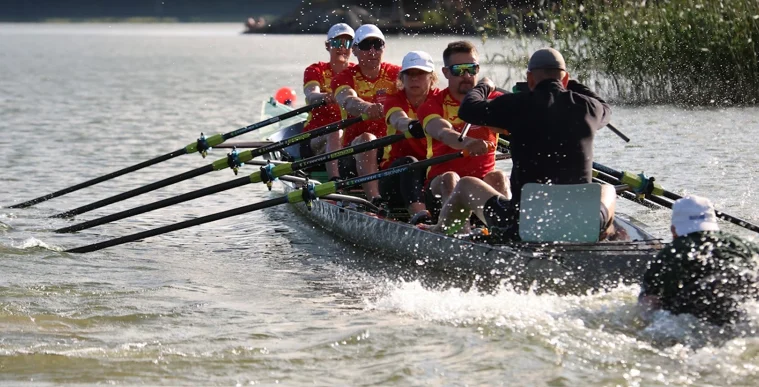
- Rowing and SUP (Stand-Up Paddling) categories: These additions highlight the event’s broader appeal and its commitment to promoting diverse water sports on the Emajõgi.
The participation of other Finnish paddlers, such as Jussi Wallin and Hannu Kaukola, who competed as a K2 double on a shorter distance, further underscores the international draw of the event and the camaraderie it fosters among the Nordic and Baltic paddling communities. Hannu Kaukola, who authored the original article, also provides valuable insight into the experience, having raced himself.
Nummela’s Time: A Benchmark of Excellence
Miska Nummela’s time of 3:57:58 is not just a winning time; it’s a statement. On a course like the Emajõgi, which lacks the predictability of a controlled environment, every second gained is a testament to superior skill and relentless effort. Factors such as water levels, wind conditions, and air temperature can significantly impact performance, making direct year-to-year comparisons complex. However, finishing a 56-kilometer river marathon in under four hours is universally recognized as an elite-level achievement. It suggests a high average speed sustained over an incredibly long duration, through variable conditions, demanding perfect technique and unwavering mental focus. This performance will undoubtedly be remembered as one of the standout results in the Emajõe Marathon’s recent history.
Official Responses: Voices from the Water and the Organization
While direct quotes from Miska Nummela and event organizers are not available in the original report, one can imagine the sentiments following such a remarkable victory and a successful event.
Miska Nummela’s Perspective (Reconstructed):
"This victory at the Emajõe Marathon feels incredibly rewarding," Nummela might have reflected shortly after catching his breath. "The Emajõgi is a truly unique challenge. It’s not just about raw power; it’s about constant adaptation, reading the currents, finding the fastest lines through every bend. My training focused heavily on endurance and river technique, and it clearly paid off today. To finish in under four hours on such a demanding course is something I’m very proud of. The support from the organizers and the fellow paddlers was fantastic, and I’m grateful for the opportunity to compete in such a historic race. This is a significant milestone for me, and it definitely fuels my ambition for future competitions."
Estonian Canoe Federation’s View (Reconstructed):
A spokesperson from the Estonian Canoe Federation, the primary organizer of the event, might have expressed immense satisfaction with the 44th running of the marathon. "We are absolutely thrilled with the success of this year’s Emajõe Marathon," they might have stated. "To see Miska Nummela deliver such a phenomenal performance, achieving a time that will surely be discussed for years to come, is inspiring. The Emajõe Marathon holds a special place in our hearts and in the history of Estonian sports. We believe in preserving the traditional river race format, as it offers a profound challenge that circuit races simply cannot replicate. The river itself is a character in the race, and seeing athletes master its complexities is what makes this event so compelling. We extend our warmest congratulations to Miska and all the participants across every category, including our Finnish friends Jussi Wallin and Hannu Kaukola. Their participation reinforces the international spirit of the Emajõe Marathon, and we look forward to welcoming them back for many more years to come."
A Finnish Paddling Association Representative (Reconstructed):
"Miska Nummela’s win at the Emajõe Marathon is a fantastic achievement for Finnish marathon paddling," a representative from the Finnish Canoeing and Rowing Federation might have commented. "It highlights the talent and dedication within our paddling community. The Emajõe is a legendary race, and a victory there is a significant feather in any paddler’s cap. It’s particularly encouraging to see our athletes excel in a natural river environment, which demands a different set of skills compared to flatwater racing. This performance will undoubtedly inspire many aspiring paddlers in Finland and strengthen the ties between our federations."
These reconstructed responses underscore the significance of Nummela’s win within the context of both personal achievement and broader sporting recognition, while also highlighting the enduring appeal and unique character of the Emajõe Marathon.
Implications: A Boost for Athletes and the Sport
Miska Nummela’s impressive victory at the Emajõe Marathon carries several significant implications, both for his individual career trajectory and for the wider marathon paddling community in the Nordic and Baltic regions.
For Miska Nummela:
This win is a major highlight in Nummela’s competitive portfolio. Achieving such a strong time on a historically challenging course elevates his profile considerably within the international marathon paddling scene. It serves as powerful validation of his training methods, strategic approach, and physical conditioning. This success could open doors to participation in more high-profile international races, potentially attracting sponsorship opportunities, and certainly boosting his confidence for future endeavors. For an elite athlete, consistent top-tier performances are crucial for career progression, and the Emajõe Marathon win firmly establishes Nummela as a paddler to watch.
For Finnish Marathon Paddling:
Nummela’s triumph brings positive attention to Finnish marathon paddling. In sports, success at an international level often sparks renewed interest and inspires younger generations. This victory could lead to increased participation in paddling sports in Finland, potentially encouraging more investment in coaching, training facilities, and competitive programs. It also demonstrates the strength and depth of talent within the Finnish paddling federation, fostering a sense of national pride and achievement. The participation of other Finnish athletes like Wallin and Kaukola further solidifies Finland’s presence in regional paddling events.
For the Emajõe Marathon and Traditional River Races:
In an era where many sports are adapting to more commercially viable and spectator-friendly formats, the Emajõe Marathon stands as a testament to the enduring appeal of traditional, natural-course racing. Nummela’s exceptional performance on this very course reinforces the idea that true athletic greatness can be showcased outside of perfectly controlled environments. This helps to maintain the event’s prestige and unique identity. Its continued success, attracting top international talent like Nummela, underscores its relevance and provides a powerful argument for preserving such historically significant races. It sends a message that the raw challenge of a natural river, with all its unpredictability, offers a unique and valuable competitive experience that should not be lost. The event’s ability to draw participants from different categories (K1, K2, rowing, SUP) also speaks to its broad appeal and role in promoting water sports diversity.
For International Marathon Paddling Trends:
The article notes the trend towards "precisely designed circuit courses" in international marathon paddling. The Emajõe Marathon, by steadfastly resisting this trend, offers a valuable counter-narrative. Nummela’s win on a natural river course serves as a reminder that the essence of marathon paddling — endurance, navigation, and adaptability — is arguably best tested in environments that mirror natural expeditions. This might encourage discussions within international federations about the balance between modernizing the sport for broader appeal and preserving the traditional challenges that define its heritage. The Emajõe Marathon continues to offer a purist’s vision of the sport, valued by those who seek a genuine test of skill against nature.
In conclusion, Miska Nummela’s victory at the 44th Emajõe Marathon is far more than just a race win. It is a powerful affirmation of athletic excellence, a celebration of a historic event, and a significant moment for the sport of marathon paddling in the Baltic region and beyond. It highlights the beauty and challenge of river racing, ensuring that the legacy of the Emajõe Marathon will continue to inspire for decades to come.