By Michael Sertle | August 26, 2026
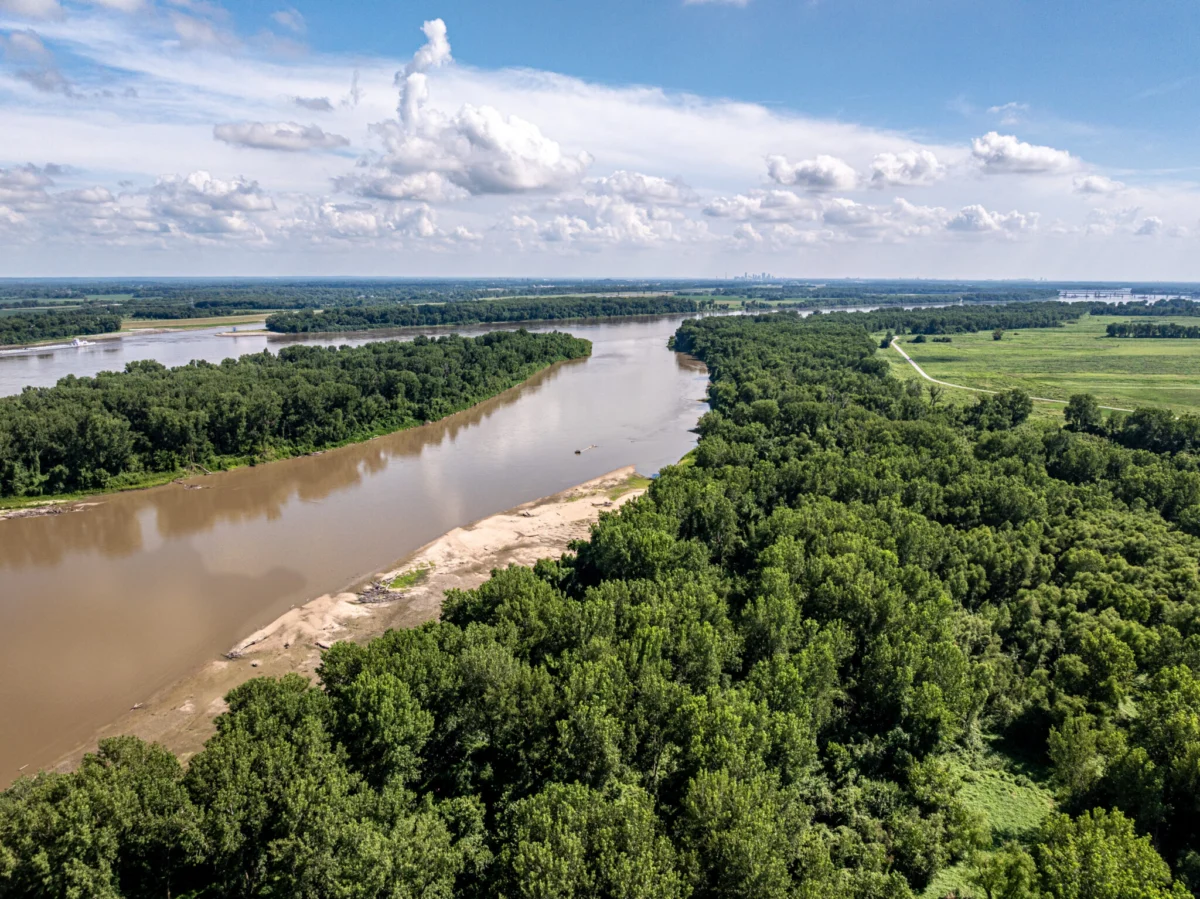
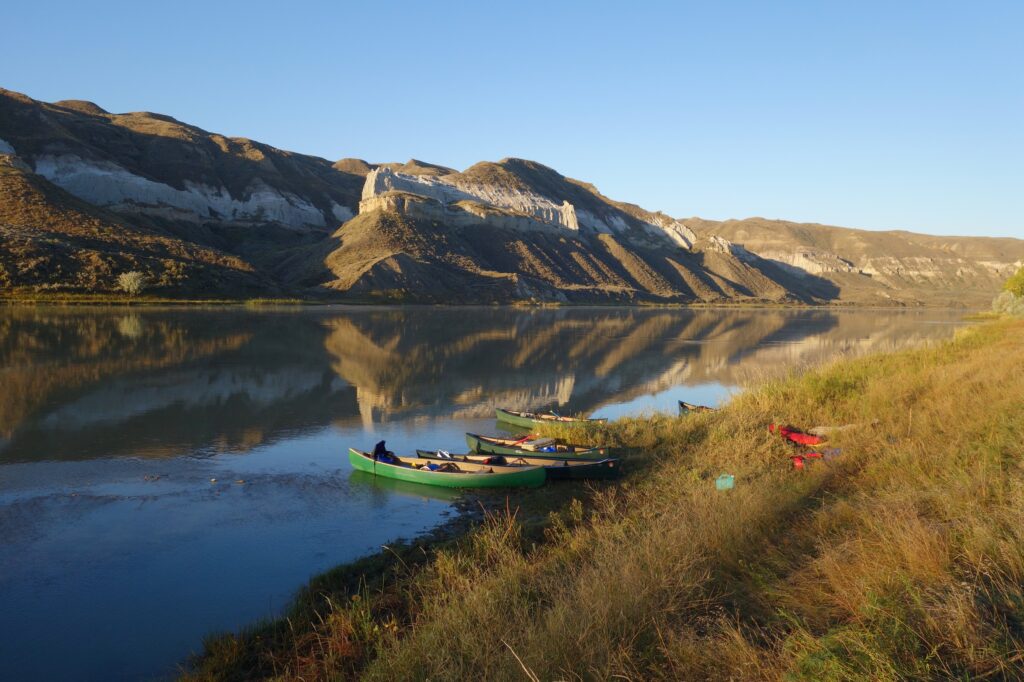
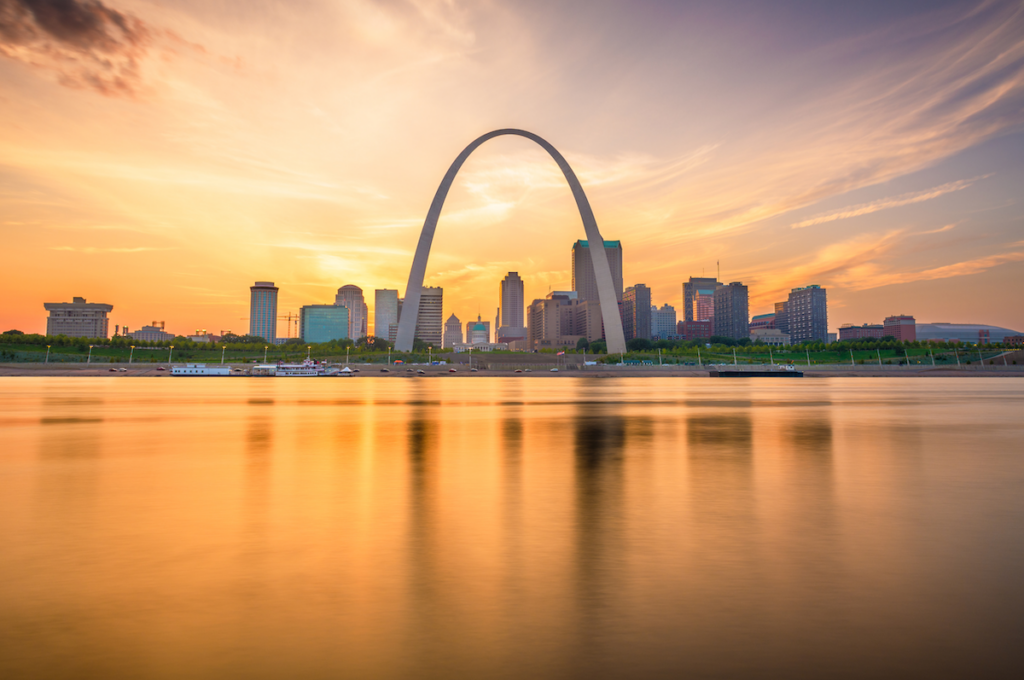
From the pristine, crystalline snowflakes that melt into the high-altitude peaks of Montana’s Rocky Mountains to its final, sediment-heavy, and churning confluence with the Mississippi River in St. Louis, the Missouri River—affectionately and historically known as the “Big Muddy”—has served as the lifeblood of the American West. For centuries, this 2,341-mile artery has dictated the patterns of human settlement, commerce, and ecology. However, as the 21st century progresses, the Missouri River faces an existential crisis, caught between the demands of industrial development and the urgent necessity of ecological restoration.
A Legacy of Impact: From Indigenous Roots to Industrial Expansion
The history of the Missouri River is the history of the American interior. Long before European expansion, the river was the center of life for twenty-nine federally recognized Tribal Nations, who have held and defended cultural, economic, and water rights to the river for generations. To these nations, the river was not merely a resource; it was a sacred entity, a provider of food, transportation, and spiritual grounding.
The river’s profile in the American consciousness shifted dramatically with the 1804–1806 "Corps of Discovery Expedition." Meriwether Lewis and William Clark navigated its winding, volatile path, effectively opening the Western frontier for the young United States. This era marked the beginning of a transformation that would eventually turn the wild, unpredictable Missouri into one of the most engineered and controlled waterways on the planet.
Chronology of Change: The Pick-Sloan Era and Beyond
The mid-20th century marked the most significant turning point in the river’s modern history. The Pick-Sloan Flood Control Act of 1944 fundamentally altered the hydrology of the Missouri. Driven by the twin goals of catastrophic flood mitigation and post-war economic development, the federal government initiated a massive construction program.
- 1944: The Pick-Sloan Plan is enacted, authorizing a system of massive dams, reservoirs, and thousands of miles of levees.
- 1950s–1960s: Major dam construction (including the Oahe, Garrison, and Fort Randall dams) reshapes the river into a series of stagnant reservoirs, severely restricting the natural movement of sediment and wildlife.
- 1980s–1990s: The ecological cost of channelization and flow regulation becomes undeniable. Species populations, specifically the pallid sturgeon, piping plover, and interior least tern, face potential extinction.
- 2003: The U.S. Army Corps of Engineers (USACE) launches the Missouri River Recovery Program (MRRP), a response to court-ordered mandates to mitigate the environmental destruction caused by the river’s management.
- 2020s: Continued focus shifts toward levee-setbacks and floodplain reconnection as the primary strategy for both flood resilience and ecological restoration.
Supporting Data: The Ecological and Structural Deficit
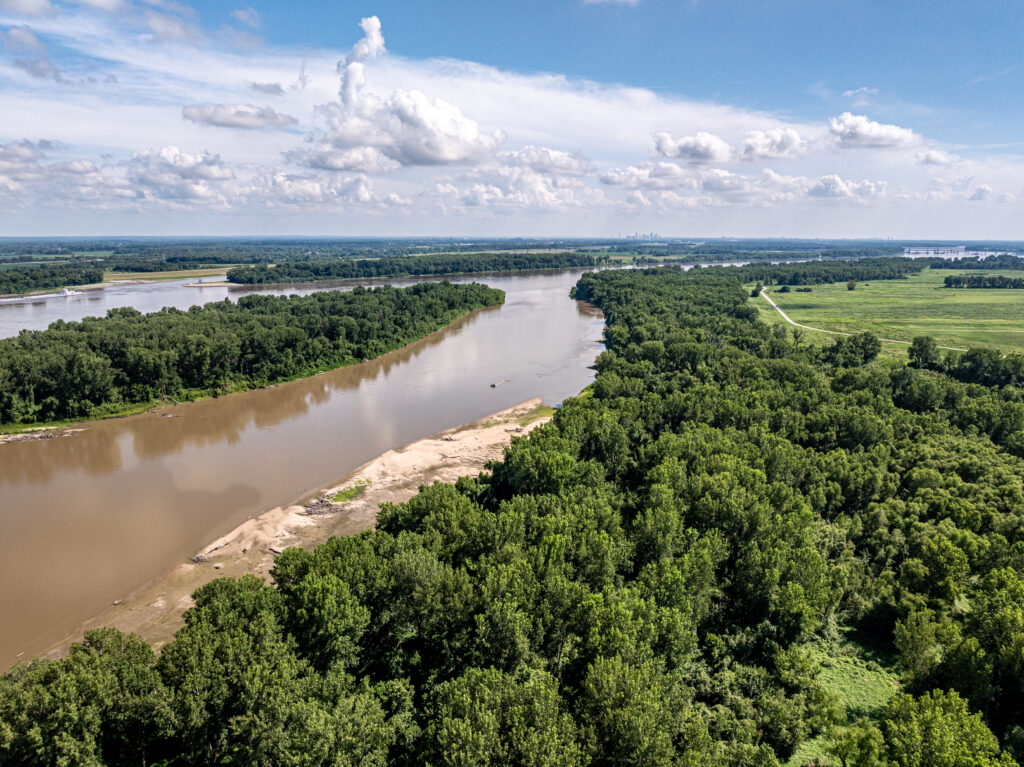
The "Big Muddy" moniker is not merely a nickname; it is a description of the river’s natural state. Historically, the river’s sediment load created complex habitats—sandbars, side channels, and wetlands—that supported a rich biodiversity. Today, that complexity is largely absent.
The Missouri River Recovery Program (MRRP) serves as the primary mechanism for institutional reform, but the data suggests that the pace of progress is insufficient. The Bank Stabilization and Navigation Project (BSNP) aimed to reclaim and restore 166,750 acres of Missouri River floodplains. As of 2026, the project remains significantly behind schedule, with less than half of the target acreage successfully acquired and restored.
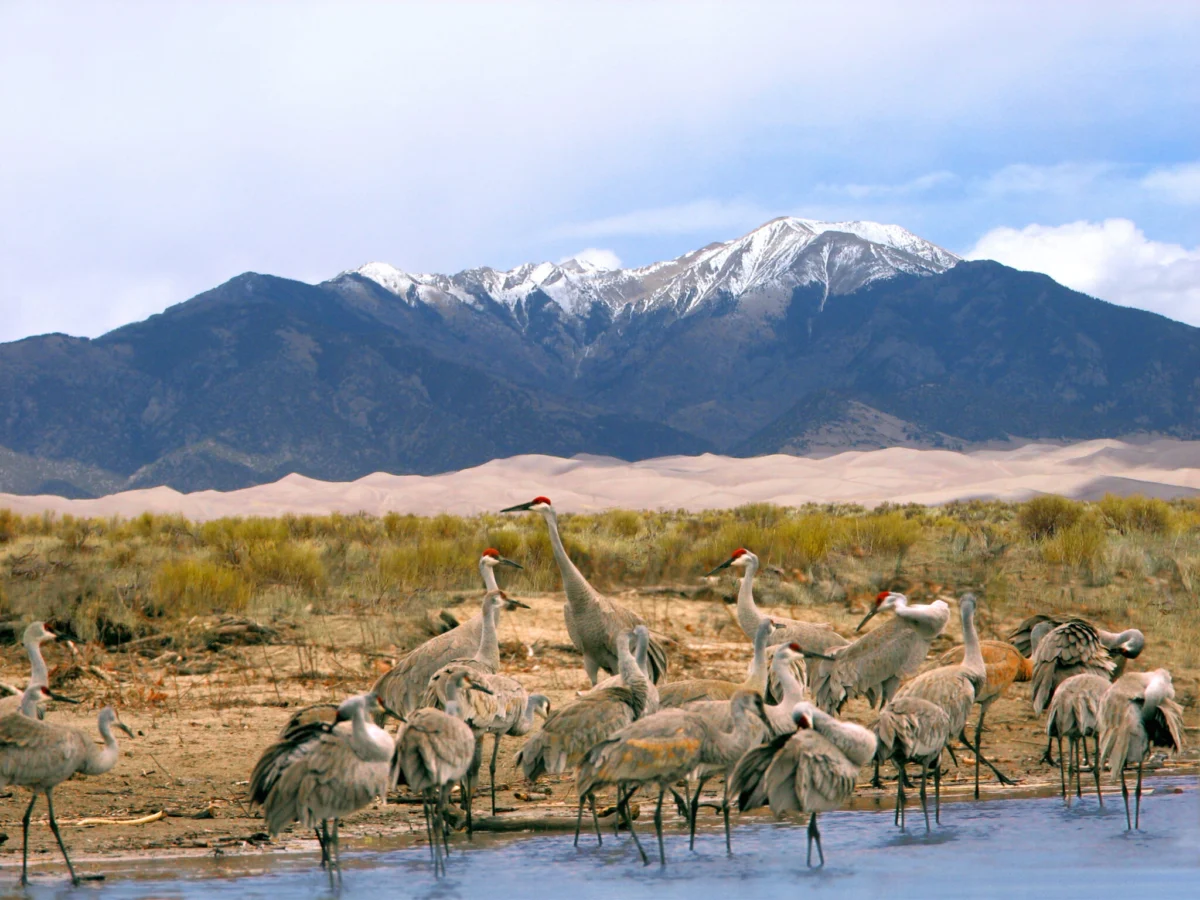
Furthermore, the environmental indicators remain mixed. While the interior least tern has seen enough recovery to warrant de-listing, the pallid sturgeon and piping plover remain under constant pressure. The lack of natural, seasonal flooding—once a primary driver of habitat renewal—means that the river has lost its ability to "self-heal," requiring expensive, human-led interventions to maintain basic ecological functions.
Official Responses and Stakeholder Engagement
The management of the Missouri River is a high-stakes balancing act between the USACE, federal agencies, and a diverse group of stakeholders, including agricultural interests, municipal water managers, and conservation organizations.
American Rivers has positioned itself as a critical advocate within this landscape. By serving as official “Fish and Wildlife Stakeholders” to the Missouri River Recovery Implementation Committee (MRRIC), the organization acts as a watchdog and partner. The goal is to ensure that Congressional funding remains stable and that restoration efforts prioritize long-term sustainability over short-term expediency.
"We are at a point where the river’s health can no longer be a secondary consideration to navigation or hydropower," says a spokesperson for the conservation initiative. "By participating in MRRIC, we are holding agencies accountable to the restoration milestones that were promised decades ago."
The Climate Reality: Flooding, Drought, and Resilience
The threats to the Missouri River are no longer just historical; they are immediate and exacerbated by climate change. In recent years, the basin has experienced "whiplash" weather patterns: record-breaking, catastrophic flooding followed by historic, multi-year droughts.
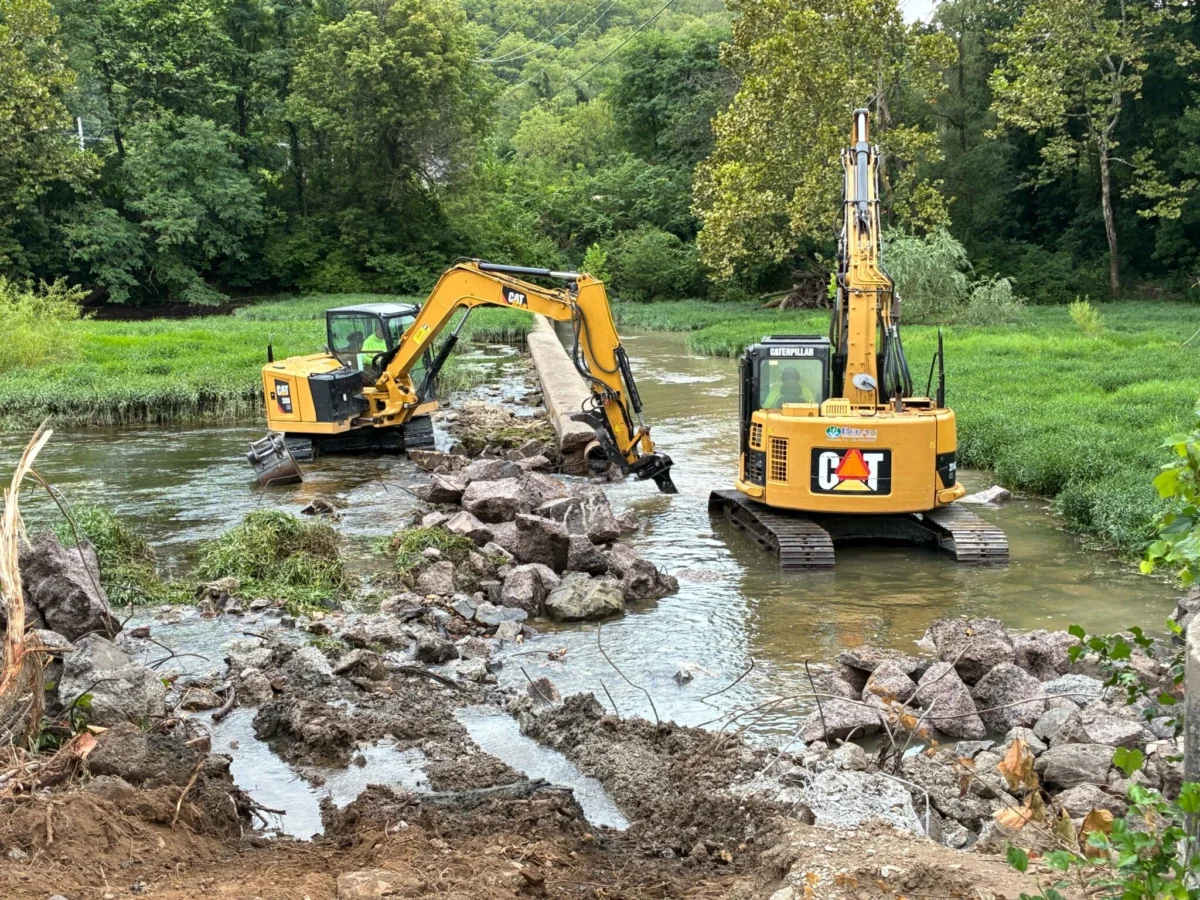
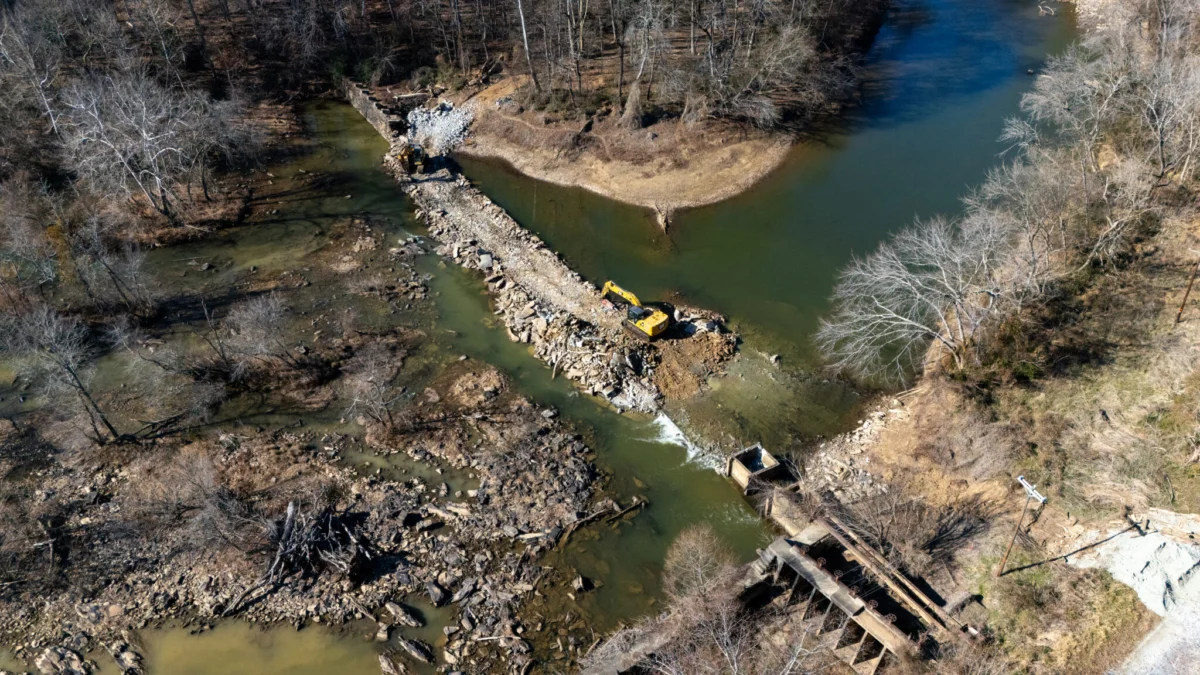
The current levee system, designed in the mid-20th century, is struggling to handle these erratic cycles. Rigid, concrete-based solutions are failing. Instead, the focus has shifted toward Natural Floodplain Conservation. By setting back levees and allowing the river to access its historical floodplain, we can naturally attenuate floodwaters, reduce the pressure on downstream infrastructure, and create essential habitats for fish and migratory birds.
Implications: A Future for the Big Muddy
What does the future hold for the Missouri River? The implications of our current inaction are severe. If we continue to treat the river as a static industrial canal, we face:
- Diminished Water Quality: As wetlands and floodplains disappear, the river loses its natural filtration system, leading to higher costs for municipal water treatment.
- Increased Economic Vulnerability: The reliance on rigid, high-maintenance infrastructure makes communities along the river increasingly susceptible to catastrophic flooding as precipitation patterns become more volatile.
- Irreversible Biodiversity Loss: Without the restoration of sandbars and natural flow regimes, we risk losing the last of the unique species that define the Missouri River ecosystem.
However, there is a viable path forward. By accelerating the BSNP acquisition goals, enrolling more private landowners in U.S. Farm Bill conservation programs, and modernizing state and federal water policies, we can foster a "healthy future" for the river.
The transition toward a more resilient river is not just a win for the environment; it is a win for the economy. Restored floodplains provide expanded opportunities for public recreation, ecotourism, and improved natural disaster protection for agricultural lands.
Conclusion: A Storied River Deserves Better
The Missouri River is more than a waterway; it is a character in the American story. From the Tribal Nations who first mapped its banks to the modern-day communities relying on its flow for their daily survival, the river has provided for us at every turn. Now, it is time for us to provide for it.
The work being done by organizations like American Rivers, in coordination with the USACE and local stakeholders, represents the best hope for the river’s future. But this is not a task that can be finished in a legislative session or a single fiscal year. It requires a generational commitment to recognizing that the health of the Big Muddy is inseparable from our own. A storied river, with a history as vast and complex as the American landscape itself, deserves a future that is as healthy, wild, and enduring as its past.
As we look toward the next decade, the challenge is clear: we must pivot from a model of total control to a model of coexistence. The river is calling for a change; it is up to us to listen.