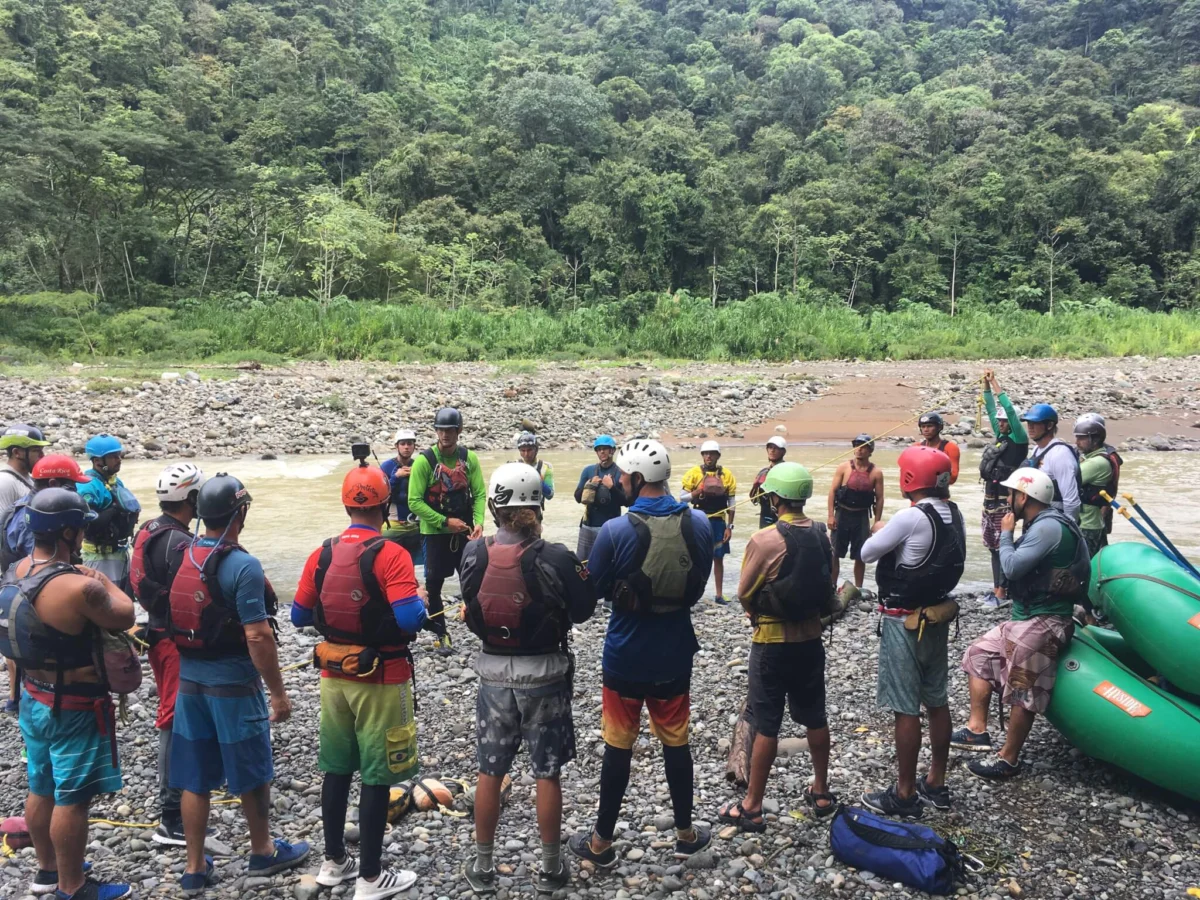
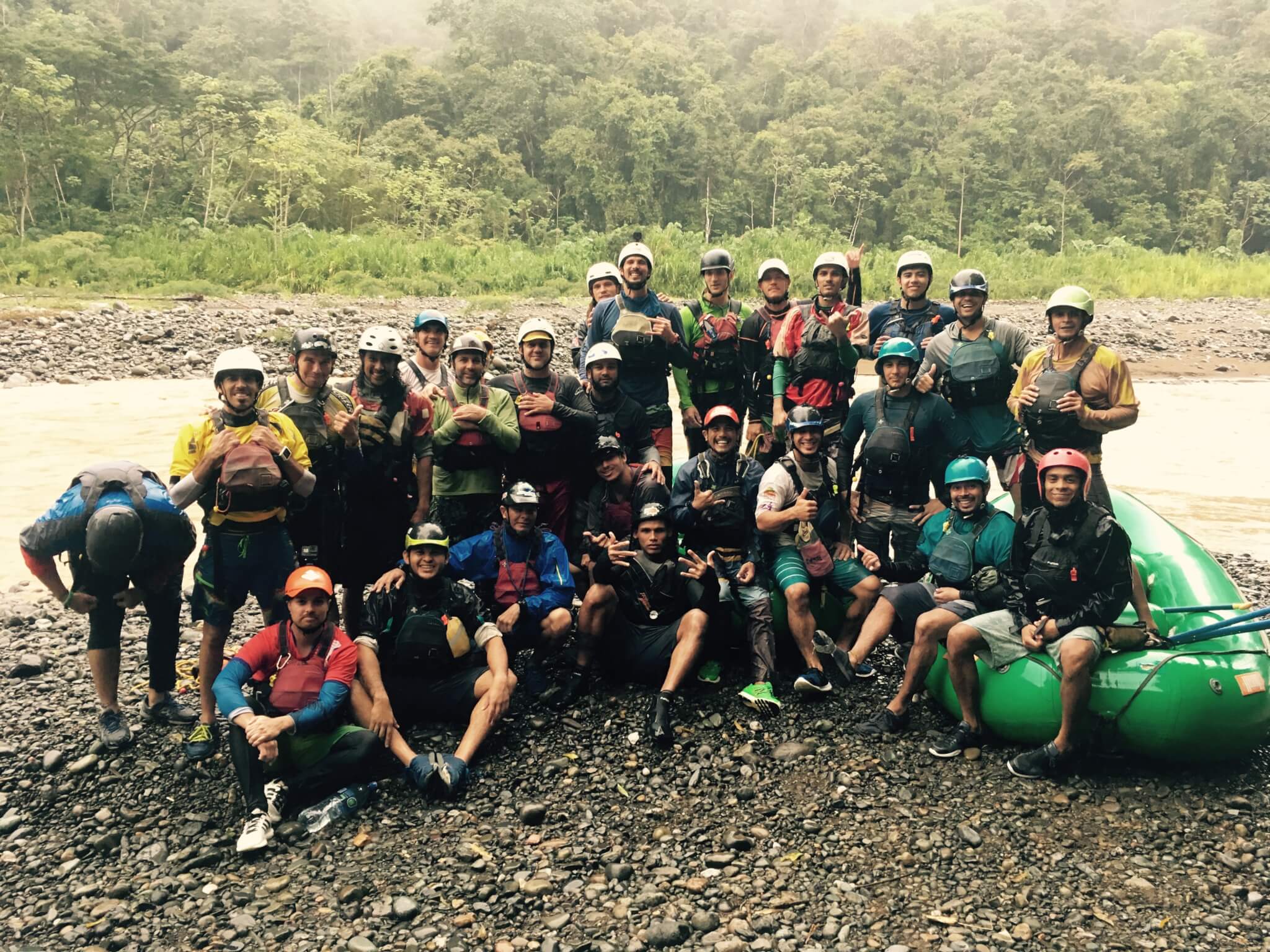
In the rugged, tropical landscapes of Costa Rica, where whitewater rivers are the lifeblood of a thriving tourism industry, the margin for error is razor-thin. Recently, the Whitewater Rescue Institute (WRI) concluded an intensive five-day swiftwater rescue training program, bringing together 50 elite Costa Rican rafting guides. Led by WRI instructor Paul Heffernan and his team, the initiative was designed to bridge the gap between local expertise and standardized international emergency response protocols.
Against the backdrop of the Rio Savegre, these professionals engaged in a rigorous curriculum that emphasized that in the high-stakes world of river guiding, the most effective rescue is the one that is never needed.
The Core Mission: Preparedness in Remote Environments
The primary objective of the training was to equip local guides with the advanced decision-making frameworks necessary to manage medical and technical emergencies in isolated, often communication-deprived environments. Costa Rica’s river corridors are breathtaking, but their remote nature creates significant logistical hurdles for search and rescue operations.
Understanding the "LAST" Methodology
The curriculum centered on the four critical phases of any successful river rescue: Locate, Access, Stabilize, and Transport (LAST). Throughout the five-day program, participants moved beyond theory to apply these principles in real-world simulations. The instructors emphasized that while physical rescue skills—such as throw-bag accuracy, knot-tying, and mechanical advantage systems—are vital, they are secondary to the ability to size up a scene and manage risk under pressure.
A Chronology of the Training Program
The program was structured as a progressive learning journey, moving from classroom theory to high-intensity field application.
Phase 1: Foundations and Risk Management (Quepos)
The training commenced in the coastal town of Quepos. Here, the focus was on the "Philosophy of Rescue." Instructors and guides dissected the inherent risks of whitewater navigation, focusing on hydrology, equipment failure, and the necessity of a robust emergency action plan (EAP). This phase highlighted the difficulties of managing a scene when cell phone coverage is nonexistent and professional medical backup is hours away.

Phase 2: Fundamental Skills on the Rio Savegre
Moving to the crystalline waters of the Rio Savegre, the curriculum shifted to the "fun but functional" aspect of the training: water entry. Guides practiced defensive and aggressive swimming techniques, self-rescue maneuvers, and advanced throw-bag deployments. These drills reinforced the "Progression of Risk"—a decision-making ladder that encourages rescuers to choose the safest, lowest-impact intervention, ranging from "Hello" (verbal contact) to "Tow/Go" (direct intervention).
Phase 3: High-Intensity Scenarios
The final days were dedicated to multi-victim scenarios. These simulations were designed to test not only the guides’ physical capabilities but their capacity for incident command. Participants practiced managing "live" casualties with simulated injuries, forcing them to integrate first aid protocols into their technical rope and boat-based rescue plans.
Supporting Data and Technical Proficiency
The success of the training was built upon a foundation of shared technical language. The WRI instructors found that many Costa Rican guides already possessed Wilderness First Responder (WFR) or EMT-level certifications, providing a sophisticated baseline for discussion.

Technical Skills Covered:
- Mechanical Advantage: Utilizing Z-drags and pulley systems for boat extraction.
- Entrapment Management: Strategies for freeing victims caught in strainers or pinned rafts.
- Incident Command System (ICS): The importance of designating a clear team leader to prevent "bystander effect" and chaos during a crisis.
- Communication Protocols: The use of standardized hand and whistle signals to overcome the deafening roar of whitewater.
The data derived from these exercises proved that in a river environment, the biggest enemy is not the water itself, but the lack of organization. By implementing a clear command structure before a boat even pushes off from the bank, the risk of a secondary accident is reduced by a significant margin.
Professional Perspectives: The "Pura Vida" Approach to Safety
The instructors noted a distinct, commendable quality in the Costa Rican guides: a deep-seated, intuitive knowledge of their home rivers. These professionals work the water year-round, developing a "river sense" that is difficult to teach in a classroom.
"The guides brought a considerable amount of training and experience to the classes," said Paul Heffernan. "It made the learning experience incredibly rich because we weren’t just lecturing; we were facilitating a conversation between seasoned professionals about how to handle the worst-case scenarios."

The Pre-Trip Briefing: A Preventative Culture
One of the most critical takeaways from the training was the refinement of the "Pre-Trip Guide Briefing." Instructors emphasized that the most effective safety tool a guide has is the information they share with their guests and fellow boaters before the trip begins. This includes:
- Current Hydrology: Assessing flow rates and hazard updates.
- Logistical Transparency: Identifying the location of sweep boats and safety teams.
- Customer Profile: Assessing the size, age, and physical comfort level of the guests to better tailor the experience.
- Evacuation Planning: Ensuring every member of the team knows exactly what to do if an accident occurs at a specific, identified mile-marker.
Implications for the Tourism Industry
The collaboration between the Whitewater Rescue Institute and local operators—including Amigos del Rio, Pro Rafting, Unique Tours, and H2O Adventures—represents a significant step forward for the safety standards of the Costa Rican adventure tourism sector.
A Shift Toward Proactive Risk Management
The training highlighted that preparing for the "worst-case scenario" actually fosters a more preventative culture. When a guide spends hours practicing a complex rescue, they develop a heightened awareness of the hazards that could cause that rescue to become necessary in the first place. This cycle of training, observation, and refinement is the hallmark of a world-class river operation.

Long-Term Sustainability
By investing in this level of training, these companies are not just protecting their guests; they are protecting their reputation and the sustainability of the industry. In a country where "Pura Vida" (the pure life) is both a motto and a way of life, ensuring that the rivers remain safe for both locals and international visitors is paramount.
Conclusion: A Collaborative Success
The training in Costa Rica was more than a technical workshop; it was a testament to the dedication of the river community. The logistics, coordinated by the staff at Rafiki Safari Lodge, ensured that the instructors and guides could focus entirely on the water.
As the training concluded, the takeaway was clear: the river is a dynamic, unforgiving, and beautiful teacher. While technology and equipment continue to evolve, the core of swiftwater rescue remains constant—clear communication, calm decision-making, and the unwavering commitment to the safety of others.

The 50 guides who participated in this program returned to their respective companies not just with new knots or swimming techniques, but with a renewed sense of responsibility. In the, words of the instructors and the participants alike, the training was a resounding success—a bridge built across cultures and currents to ensure that, regardless of what the river brings, the professionals are ready to respond with precision and skill.
Pura Vida!