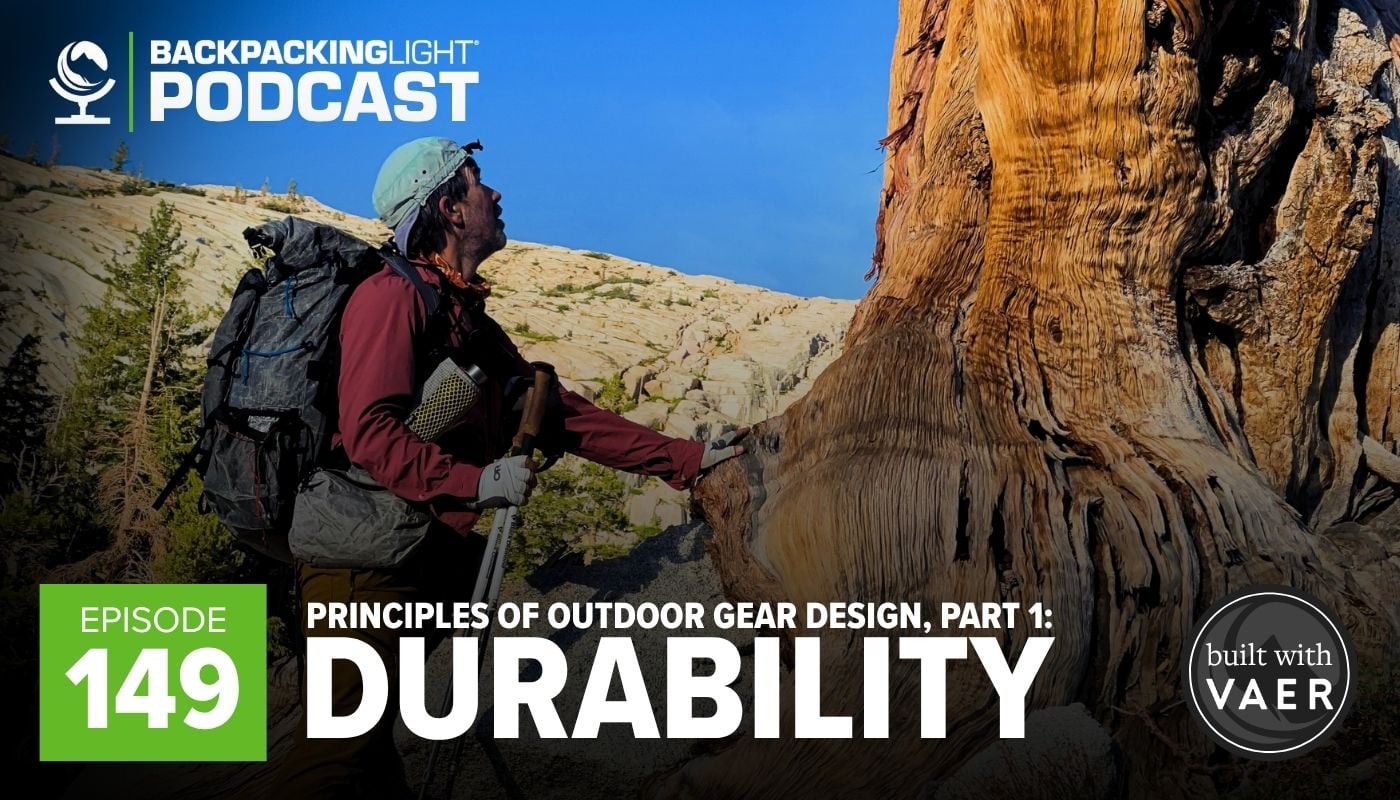
October 12, 2026 | Backpacking Light Podcast Episode 149
In the pursuit of the ultralight ideal, the outdoor industry has spent decades obsessed with the gram. Yet, as the gear market evolves, a fundamental question is resurfacing: what is the true cost of shaving weight at the expense of longevity?
In the debut of a new four-part series, Principles of Outdoor Gear Design, host Ryan Jordan peels back the layers of the "durability" myth. By examining the complex intersection of materials science, manufacturing ethics, and user psychology, this series—developed in partnership with Vaer Watches under the "Built by Vaer" initiative—seeks to redefine how we measure the value of the equipment we carry into the backcountry.
Main Facts: The Durability Paradigm
At the heart of the first installment is a provocative premise: durability is not an inherent property of a product, but a functional relationship between three variables: the design intent (product), the environment of use (use case), and the habits of the individual (user behavior).
Jordan argues that consumers have been conditioned to interpret "durability" as synonymous with "indestructibility." However, true gear longevity is a nuanced engineering challenge. It involves balancing the inevitable wear and tear of a trail-hardened life with the necessity of field repairability and the performance tradeoffs of weight and cost. The episode challenges listeners to move past marketing buzzwords and evaluate their gear based on the "service life" required for their specific activities.
Chronology of the Series
This four-part exploration is structured to guide the listener through the lifecycle of outdoor equipment:
- Part 1: Durability (The Foundation): Defining the interplay between materials, engineering, and the physical reality of the trail.
- Part 2: Usability: How intuitive design affects not just convenience, but the long-term viability of a product in high-stress environments.
- Part 3: Simplicity: Examining the "less is more" philosophy and how reducing complexity can inherently increase system reliability.
- Part 4: Performance: The final synthesis of design principles that determine if a piece of gear serves its purpose or becomes a liability.
Supporting Data: The Engineering Perspective
To ground the discussion, the series incorporates engineering standards and real-world case studies. The primary focus is on backpacking packs—the quintessential example of gear that suffers from structural fatigue.
Jordan dissects the manufacturing process, highlighting how stitch density, seam construction, and the tensile strength of modern synthetic fabrics like UHMWPE (Ultra-High-Molecular-Weight Polyethylene) interact. The episode explores why a pack made from the strongest material on earth can still fail if the stress points are not engineered to redistribute weight effectively.
Key takeaways for the listener include:
- Material Selection: Why the heaviest fabric isn’t always the most durable.
- Manufacturing Tradeoffs: The hidden costs of automated assembly versus manual reinforcement.
- The Repairability Metric: Assessing whether a piece of gear is designed to be serviced or destined for a landfill.
Official Responses and Collaborative Insights
The Principles of Outdoor Gear Design series is made possible through a collaboration with Vaer Watches, a partnership that seeks to bring industrial design rigor to the outdoor community.
In a recent statement regarding the partnership, representatives from both organizations emphasized that the "Built by Vaer" initiative is centered on the belief that outdoor tools—whether they are backpacks or timepieces—should be designed for longevity.
"Durability isn’t about bulk," the team noted in the episode’s supplemental materials. "It’s about a product that keeps working long after you stop thinking about it."
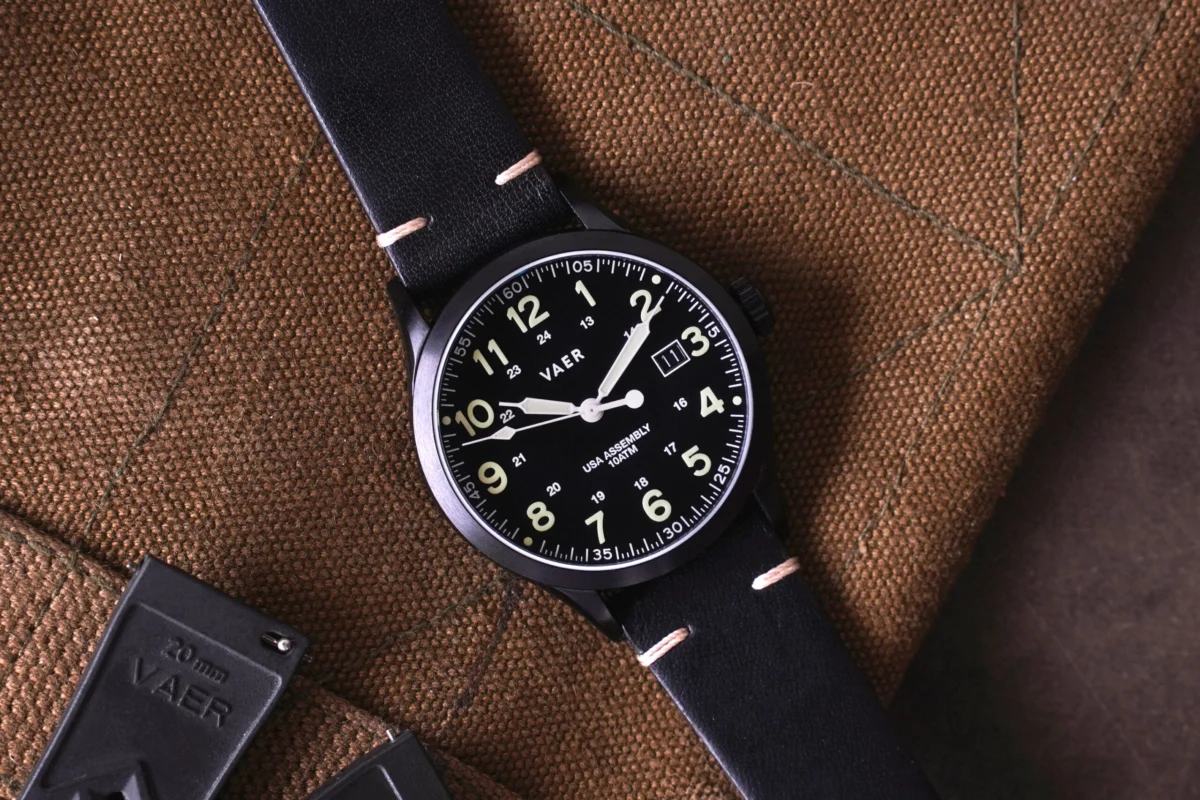
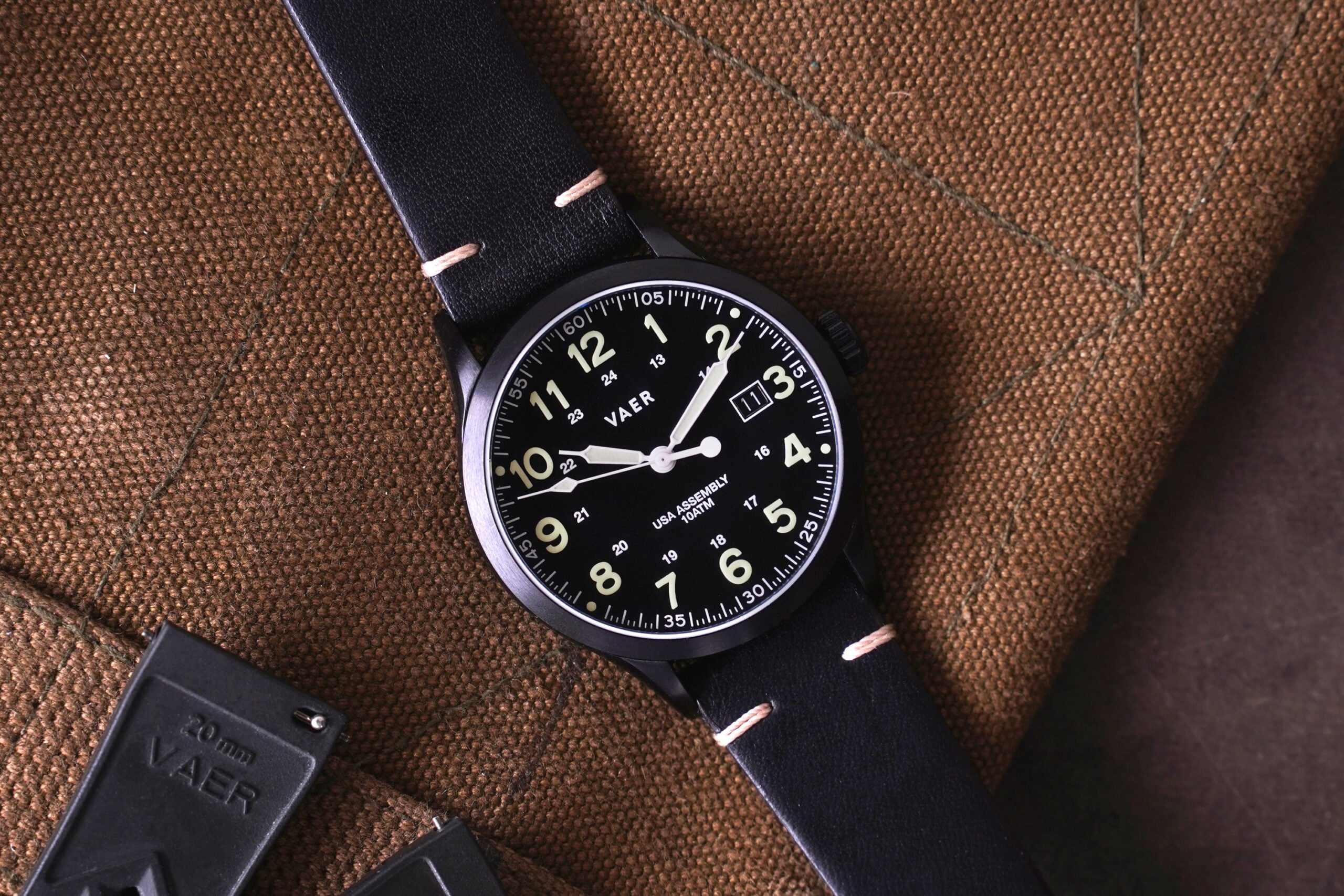
To illustrate this, the series points to the C5 Tactical Field Solar watch as an industry benchmark. The watch represents an intentional departure from the "planned obsolescence" model. By utilizing a solar-powered movement with a six-month power reserve, a sapphire crystal, and a 100m water-resistant steel case, the design removes the most common failure points (dead batteries and scratched faces) while maintaining a weight of just 64 grams. This focus on "passive" durability—where the user doesn’t have to manage the gear to keep it functioning—is presented as the gold standard for backcountry equipment.
Implications: The Future of Gear Selection
What does this mean for the average hiker, climber, or trekker? The implications are significant. As the industry faces increased scrutiny regarding its environmental footprint, the move toward "buy-it-for-life" engineering is becoming more than a niche interest; it is becoming a survival strategy for both the planet and the consumer’s wallet.
The Tradeoff Matrix
Jordan urges listeners to construct their own "Tradeoff Matrix" when evaluating new equipment. The three pillars of this matrix are:
- Weight: The immediate physical burden.
- Cost: The financial barrier to entry and the long-term cost of replacement.
- Maintenance: The "hidden" cost of ownership, including the time and skill required to repair the item in the field or at home.
The series suggests that if a product is exceptionally lightweight but requires specialized maintenance or has a limited service life, it may be the "wrong" choice for long-term expeditions, regardless of its performance metrics in a lab.
Redefining the "Use Case"
A recurring theme throughout the discussion is the danger of "over-spec’ing." Consumers often purchase gear designed for professional mountain guides and attempt to use it for weekend day-hiking. This mismatch—where the gear is engineered for conditions it will never see—often leads to unnecessary weight and cost. The series argues for "right-sized" durability: selecting gear that is robust enough for your specific use case, but not so over-engineered that it hinders your mobility.
Conclusion: A Shift in Philosophy
As we look toward the future of outdoor design, the industry is entering an era where the most innovative products may not be those made with the newest, lightest space-age materials, but those that demonstrate the most thoughtful consideration of the user.
By prioritizing repairability, modularity, and materials that resist the degradation of UV exposure and mechanical stress, manufacturers can extend the life of their gear by years, if not decades. For the outdoor professional and the recreational user alike, this series serves as a foundational text in how to move from being a passive consumer of gear to an informed participant in the product lifecycle.
This series is not merely an educational resource; it is an invitation to engage with the objects we carry in a more meaningful way. Whether you are in the market for a new pack or simply interested in the mechanics of how your gear survives the trail, the Principles of Outdoor Gear Design provides the vocabulary and the framework to make more intentional choices.
Listen to the full episode of the Backpacking Light Podcast and explore the full series on the Backpacking Light website. For those interested in the engineering standards discussed, refer to the ASTM technical documentation available through the show notes.