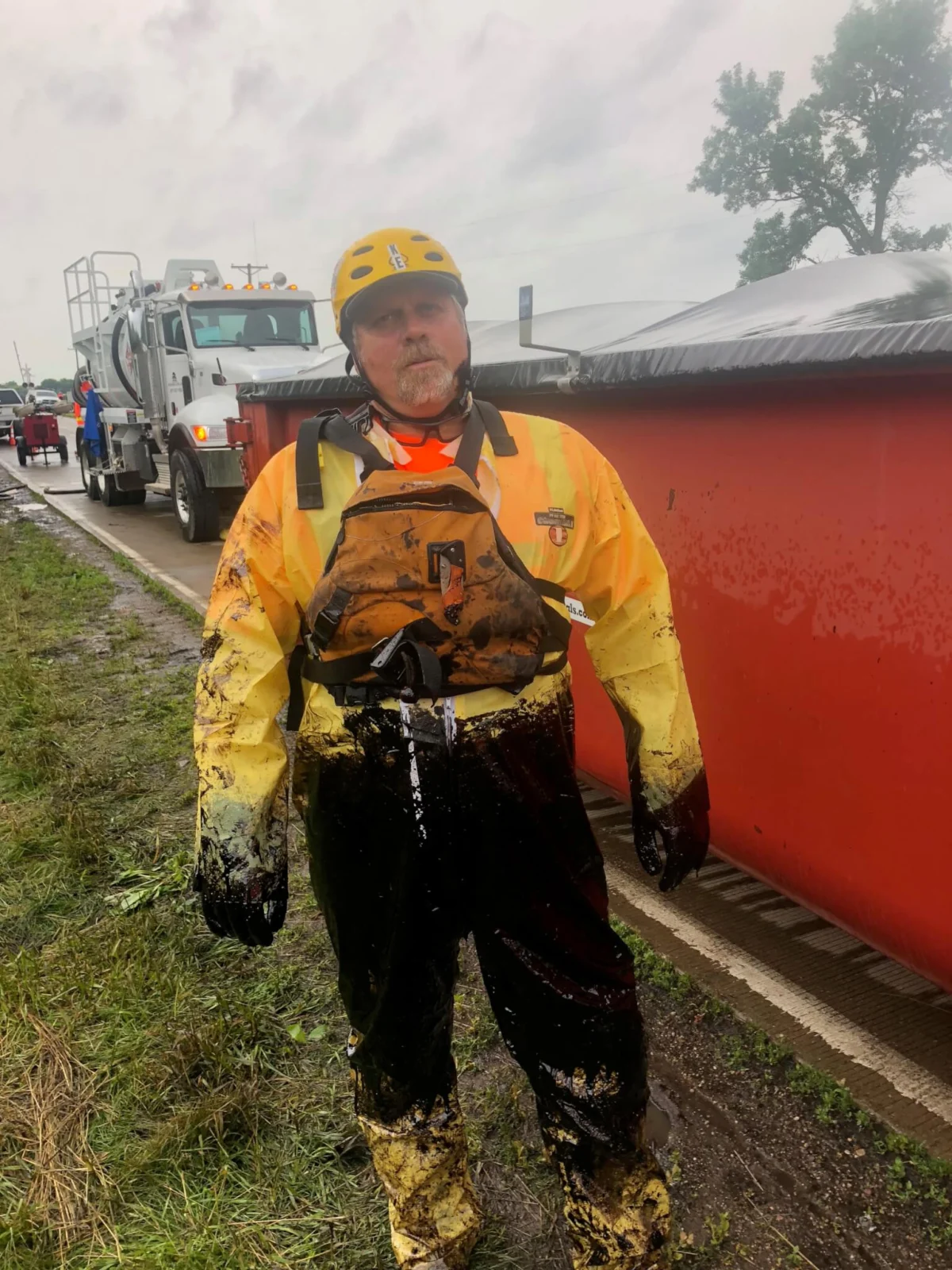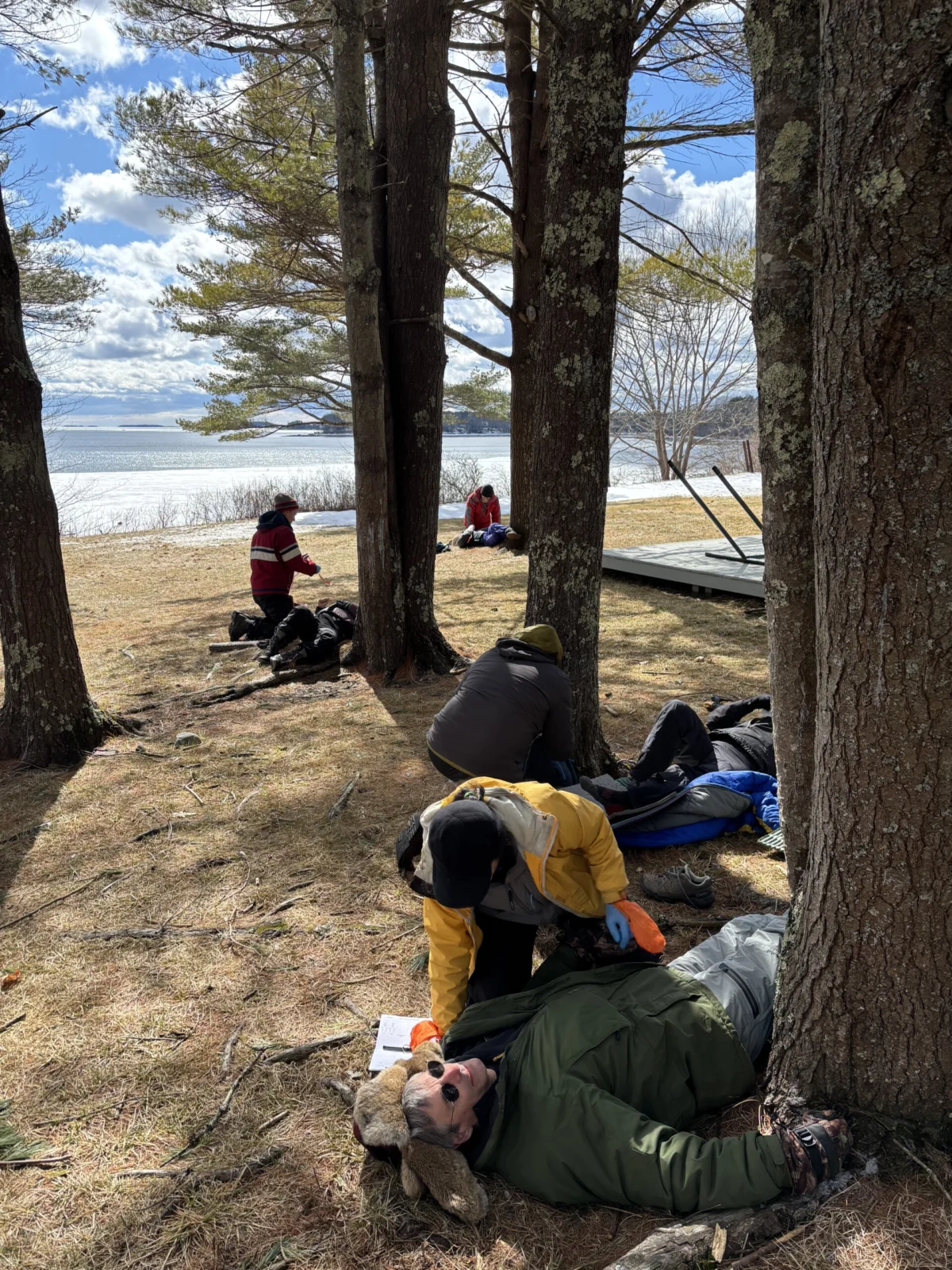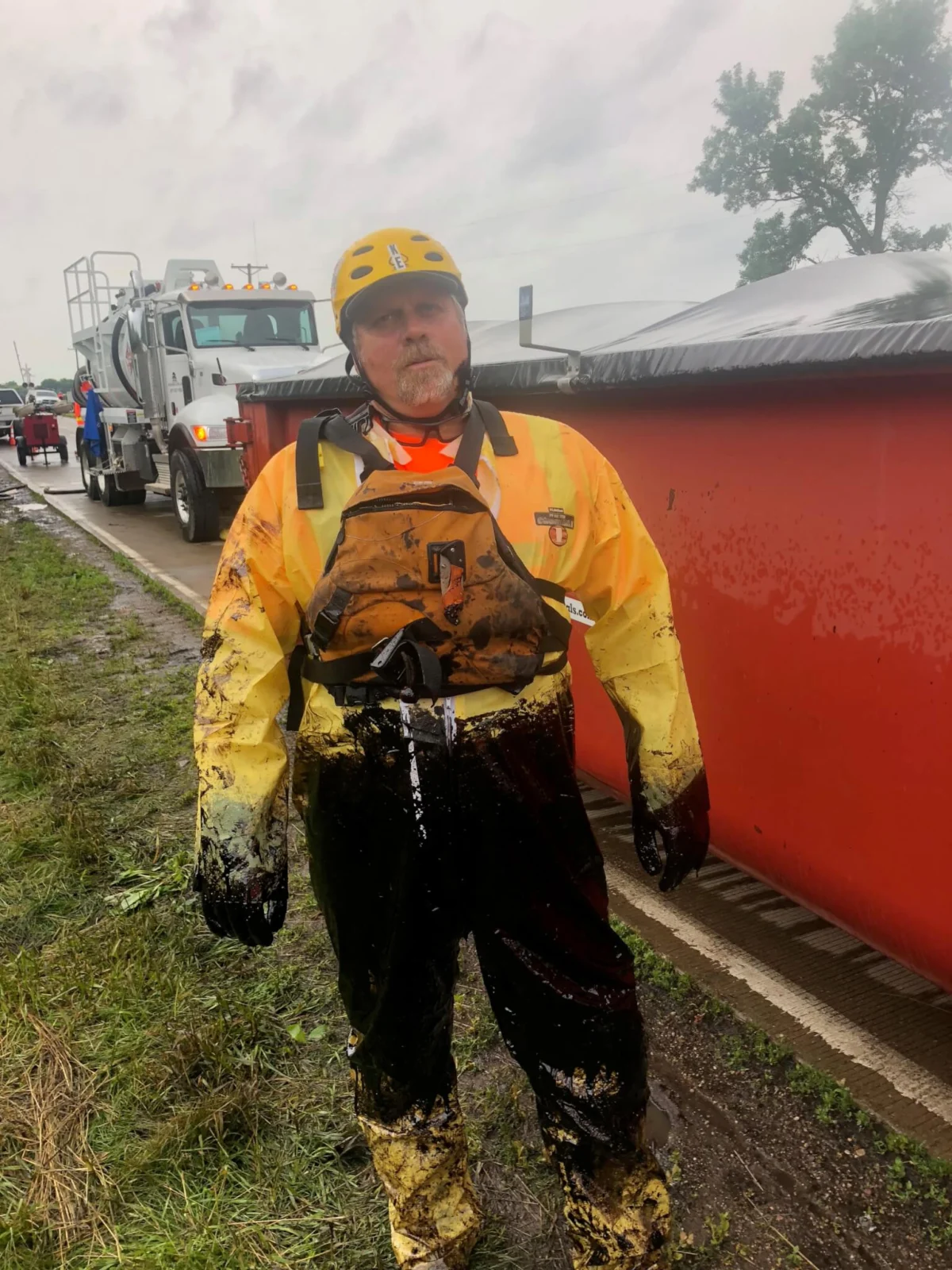
Inland oil spills occurring in fast-moving water represent one of the most complex challenges in environmental emergency management. Unlike static spills on open ocean or contained reservoirs, the kinetic energy of riverine environments accelerates the spread of hydrocarbons, complicates containment, and dramatically increases the risk to field personnel. As specialized response units—such as those trained by Whitewater Rescue Institute—often find, the success of an operation is not merely determined by the speed of containment, but by the rigor and consistency of the decontamination protocols implemented from the first hour of the incident.
Main Facts: The Criticality of Decon in Fastwater Environments
The primary objective in any inland spill is the protection of the surrounding ecosystem and the safety of the responders themselves. In the high-stakes environment of a fastwater spill, the "Exclusion Zone" (EZ), "Contamination Reduction Zone" (CRZ), and "Support Zone" (SZ)—commonly referred to as the Hot, Warm, and Cold zones—are the fundamental pillars of safety.
A recurring failure in the initial phases of response is the oversight of personnel decontamination (decon). When responders operate in an environment where oil is actively moving, the potential for cross-contamination is exponentially higher than in a land-based spill. The main facts of effective decon are:
- Proactivity is non-negotiable: Decon must be planned and established concurrently with initial containment, not as an afterthought.
- Zone Delineation: Every site must feature a clearly mapped, physically demarcated boundary system to prevent the "tracking" of contaminants from the hot zone into the clean support zone.
- Tiered PPE Compliance: Responders utilizing Modified Level D or Level C protective equipment must be treated as potential carriers of hazardous substances until they have successfully cleared the formal decontamination corridor.
Chronology of an Effective Decontamination Setup
Establishing a robust decontamination sequence is a time-sensitive process that must be executed in a specific order to ensure maximum safety.
Phase 1: Site Assessment and Mapping (Hours 0–2)
Upon arrival, the Incident Commander must prioritize the creation of a detailed site map. This is not merely a logistical requirement but a safety mandate. The map must explicitly identify the location of the Exclusion Zone (where the spill is active), the Contamination Reduction Zone (the decon corridor), and the Support Zone (where equipment staging and command take place). Without a site map, responders often wander across zone boundaries, nullifying the entire containment effort.
Phase 2: Establishment of Decon Corridors (Hours 2–4)
Once the zones are mapped, the CRZ must be constructed. This corridor serves as the bridge between the hazardous site and the clean zone. It must be equipped with the necessary aqueous cleaning solutions, scrub brushes, and hazardous waste collection receptacles.
Phase 3: Operational Decontamination (Ongoing)
Once the spill response is fully operational, the decon corridor enters its active phase. Every responder exiting the Hot Zone must pass through a mandatory, three-station decontamination process before they are permitted to enter the Support Zone.
Supporting Data: The Three-Station Decon Standard
The standard for personnel decontamination in inland oil spill response is a rigorous, multi-stage process designed to strip away hydrocarbons before they can pose a threat to the responder’s health or the integrity of the command center.
Station 1: Gross Decontamination
At the threshold of the CRZ, the primary goal is the removal of bulk contaminants. Responders arriving from the Exclusion Zone are subject to a thorough rinse of their outer clothing and boots. This stage prevents large globules of oil or chemical agents from entering the subsequent, more sensitive cleaning stations.
Station 2: Outer Layer Removal and Sanitization
Once gross contamination is addressed, the responder removes their outer garments and gloves. These items are strictly classified as hazardous waste and must be placed into clearly labeled, sealed containers for off-site disposal. Hard hats and boots are then scrubbed with a specialized aqueous detergent solution. This is a critical stage; because these items are reused, they must be cleaned to a standard that ensures no residual chemical film remains before the responder moves to the final station.

Station 3: Final Hygiene and Respiratory Sanitization
Before leaving the CRZ, personnel must wash their hands and face with mild, skin-safe cleaning agents. If respirators were used, they must be sanitized, inspected, and placed into clean, sealed plastic bags. This ensures that the responder enters the Support Zone in a state of full personal hygiene, eliminating the risk of internalizing contaminants via ingestion or inhalation.
PPE and Equipment Decontamination Protocols
Decontamination extends far beyond the individual responder; it encompasses every piece of equipment and every vehicle used in the Exclusion Zone.
Protecting the Assets
Single-use external protective clothing is the gold standard for work within the EZ or CRZ. The financial cost of disposal is far outweighed by the safety benefits of eliminating the need to wash and store contaminated gear. When reusable clothing is absolutely necessary, it must be rinsed thoroughly on-site with industrial-grade detergents, and the resulting rinsate must be captured. The direct discharge of oily water into the environment is a violation of environmental regulations and contradicts the mission of the response.
Vehicle and Equipment Management
Vehicles are the most common vectors for transporting contaminants out of the Hot Zone. A dedicated decontamination pad must be installed at the exit point of the EZ.
- Low-Level Contamination: If a vehicle has only had minor exposure, a targeted rinse of the tires and wheel wells is often sufficient.
- High-Level Contamination: If the vehicle has been submerged or heavily coated, a more aggressive approach—such as high-pressure washing or steam cleaning—is required. This process must be documented, and all captured fluids must be disposed of in compliance with federal and state hazardous waste guidelines.
Official Responses and Strategic Implications
Industry experts and regulatory bodies, including the EPA and Coast Guard, have increasingly emphasized the "human factor" in spill response. The data indicates that the majority of responder illnesses during spill events are not caused by the initial spill itself, but by the secondary, cumulative exposure that occurs during the cleaning and recovery phase.
Assertive decontamination is not merely a bureaucratic requirement; it is a strategic necessity. A single responder failing to undergo proper decontamination can compromise the health of an entire support team. Moreover, the failure to contain the spill within the designated zones leads to environmental "shadow contamination," where clean areas are inadvertently ruined by the response vehicles themselves.
The implication for future inland oil spill responses is clear: organizations must invest in mobile, modular decon systems that can be deployed rapidly. Furthermore, training programs must shift their focus from containment techniques alone to the integration of containment and decontamination. Responders must be trained to view the decontamination corridor as the most important piece of equipment on the site.
In conclusion, the effective management of fastwater oil spills depends on a disciplined, proactive approach to decontamination. By adhering to strict zone management, implementing the three-station decon standard, and treating every vehicle and piece of equipment as a potential carrier of hazard, responders can minimize the environmental impact of a spill while ensuring their own health and safety. The complexity of the river environment is no excuse for incomplete decon; rather, it is the primary reason why these protocols must be followed with uncompromising precision.
As we look toward the evolution of environmental response, the adoption of advanced, eco-friendly decontamination agents and the implementation of automated site-mapping technologies will likely become the new standard. Until then, the human element—the responder’s commitment to the decon process—remains the best defense against the volatile, fast-moving threat of inland oil spills.