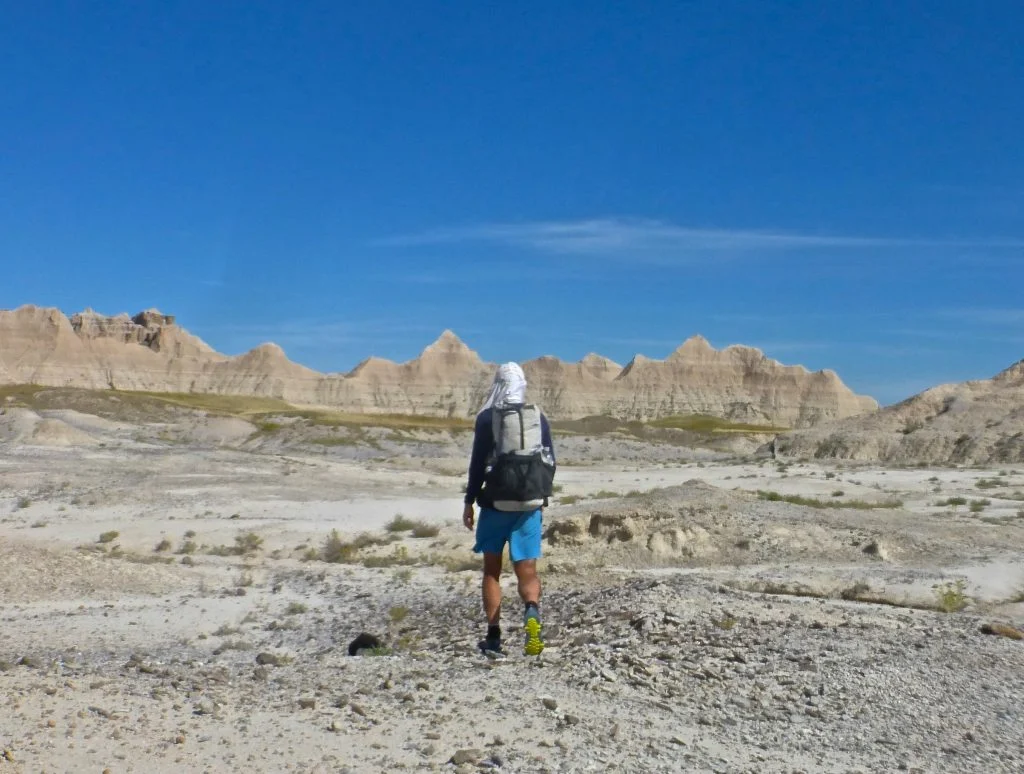
In an era defined by ephemeral digital content and fleeting social media trends, the written word remains the most enduring medium for capturing the essence of the outdoors. For the dedicated trekker, a well-curated library is more than a collection of paper and ink; it is a repository of wisdom, a map for the soul, and a technical manual for survival.

The fifth iteration of the “Hiking Books Guide” has recently been updated and significantly expanded. Now featuring more than 90 essential works, this comprehensive resource serves as a definitive roadmap for those looking to deepen their relationship with the wilderness. The collection is meticulously organized into eight distinct categories: Educational, Guidebooks, Humour, Inspirational, Literature, Memoirs, Philosophy, and Ultralight Backpacking.

The Evolution of the Hiking Canon: A Chronology of Growth
The "Hiking Books Guide" began as a modest attempt to organize a personal collection of outdoor literature at Casa Honan. Over the years, it has transformed into a robust, living database. The project’s growth mirrors the evolution of the hiking community itself—transitioning from rudimentary survivalist texts of the mid-20th century to the sophisticated, gear-conscious, and environmentally aware literature of the modern era.

The current update marks the fifth major expansion. By incorporating audiobooks, digital resources, and classic hardcovers, the guide now bridges the gap between traditional reading habits and the modern, mobile-first approach to outdoor knowledge. This year’s edition places a heavy emphasis on "lived experience," drawing from the bookshelves of some of the most seasoned long-distance hikers and wilderness explorers active today.

Categorical Breakdown: Organizing the Wilderness
To provide structure to this vast body of work, the guide categorizes titles based on their primary utility to the reader.

1. Educational and Technical Foundations
The educational section acts as the "textbook" wing of the library. It focuses on the mechanics of the outdoors—botany, geology, navigation, and wildlife biology. By moving away from purely "how-to" manuals, this section elevates the reader’s understanding of the environment, encouraging them to view the trail not just as a path, but as a complex, living ecosystem.

2. Guidebooks: The Essential Tools
Guidebooks have undergone a radical transformation. While the physical, dog-eared Cicerone guides from the 1990s and 2000s remain prized possessions, the guide now highlights the transition to Kindle-based navigation. Whether traversing the Scottish Highlands or the crags of the Alps, the modern hiker relies on digital efficiency without sacrificing the depth of local knowledge that expert guidebooks provide.

3. Humour: Finding Levity in the Dirt
The inclusion of humour is a nod to the reality of the trail. The inherent absurdity of modern life—driving hundreds of yards to a gym to walk on a treadmill—stands in stark contrast to the simplicity of the wilderness. Through witty accounts of failed gear tests and navigation mishaps, these books remind readers that the most important piece of equipment one can carry is a sense of perspective.

4. Inspirational and Philosophical Narratives
These categories form the emotional core of the library. They explore the "why" behind the walk. From the wisdom of indigenous ways of knowing—viewing humans as "younger brothers of creation"—to the Buddhist-inspired search for "Being" in the mountains, these works move beyond the physical act of walking to examine the spiritual transformation that occurs when one is truly immersed in nature.

5. Literature and Memoirs
While some popular thru-hiking memoirs have gained mainstream acclaim, this guide maintains a curated, highly selective list. It favors works that provide genuine insight into the human condition over those that merely recount a list of trail towns and calorie counts. John Muir’s The Yosemite and the classic prose of the greats remain central, proving that the best writing about the outdoors is as timeless as the landscapes themselves.

6. The Science of the "Wood Wide Web"
A standout feature of this year’s expansion is the focus on the interconnectedness of forest life. By including literature on the social lives of trees—specifically the fungal networks known as the "wood wide web"—the guide challenges the traditional hierarchy of the natural world. It asserts that trees communicate, nourish one another, and thrive only through collective existence, offering a poignant lesson for human society.

Supporting Data: The Value of the "Lightweight" Philosophy
The "Ultralight" category remains the most technically rigorous section of the guide. It traces the lineage of gear evolution, from the early days of Horace Kephart to the pioneering 1991 publication of Ray Jardine’s The Pacific Crest Trail Hiker’s Handbook.
The underlying data supports a clear thesis: the less weight a hiker carries, the more they observe. This is not merely a matter of comfort; it is a fundamental shift in the quality of the experience. By prioritizing "the art of carrying," hikers reduce the physical burden to the point where the journey becomes a meditative process rather than a test of raw endurance.

Expert Perspectives and Philosophical Shifts
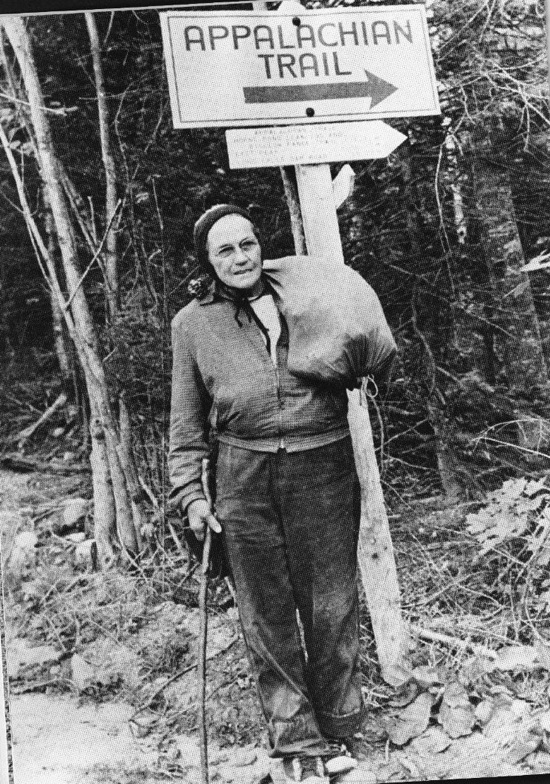
The guide features reflections from renowned figures like "Grandma" Gatewood and contemporary experts who have spent decades refining their craft. A consistent theme across these authors is the rejection of safety as the sole paramount consideration.

As noted in The Complete Walker 3, if one treats safety as the only goal of existence, one effectively ceases to live long before they die. The literature suggests that the risks associated with solo hiking, exploration, and the pursuit of the unknown are the very mechanisms that keep the human spirit vibrant. The "official" consensus among the authors listed is that to be a hiker is to be an active participant in one’s own life, rather than a passive observer.

Implications for the Modern Hiker
The implications of this expanded guide are twofold. First, it provides a practical service: saving the reader from the "noise" of low-quality outdoor content. By filtering out the derivative and the mundane, the guide ensures that the reader’s time is spent with authors who have truly "figured things out."

Second, it serves a cultural purpose. By documenting the history of outdoor thought—from the early 20th-century pioneers to the modern ultralight movement—it preserves a tradition of self-reliance and environmental stewardship. It encourages a deeper, more intentional engagement with the natural world.

Conclusion: The Path Forward
The fifth edition of the "Hiking Books Guide" is not merely a reading list; it is an invitation. It asks the reader to look past the surface of their hobby and engage with the rich, historical, and philosophical tapestry that has defined the act of walking for centuries.

Whether you are a novice looking to understand the basics of pack weight or a seasoned veteran seeking a philosophical connection to the mountains, this collection provides the necessary resources to ensure that every journey is a chapter in a meaningful personal odyssey. As the guide emphasizes, the goal is not to reach a destination and stop, but to keep moving forward, refreshed and informed, with the wisdom of the greats tucked into your pack.

Disclosure: This article and the guide it discusses contain affiliate links. The Hiking Life may receive a small commission if you purchase an item after clicking these links. This support helps sustain the website’s mission to provide quality, expert-vetted content for the global backpacking community.