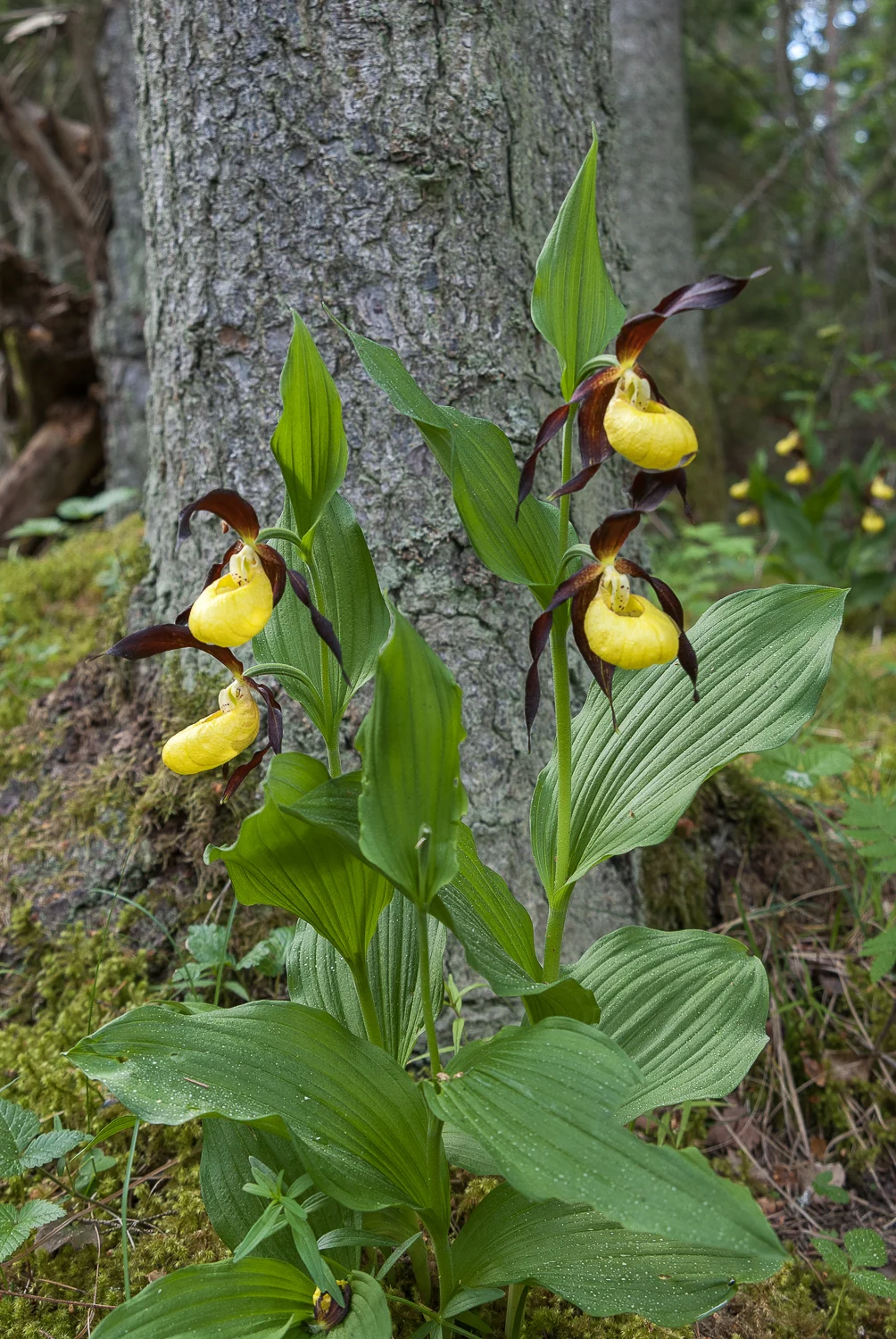
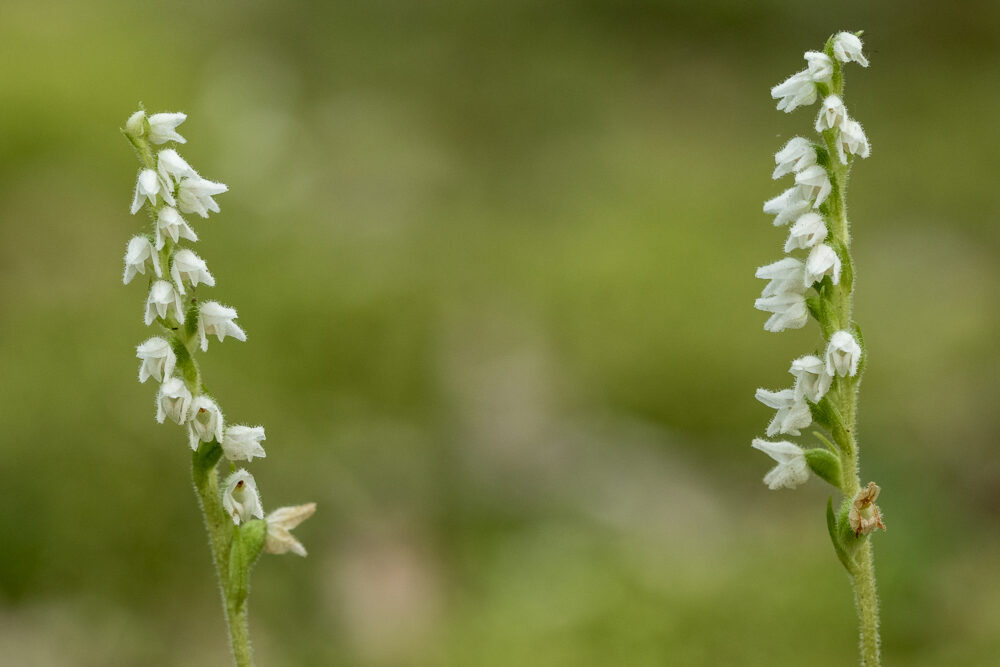
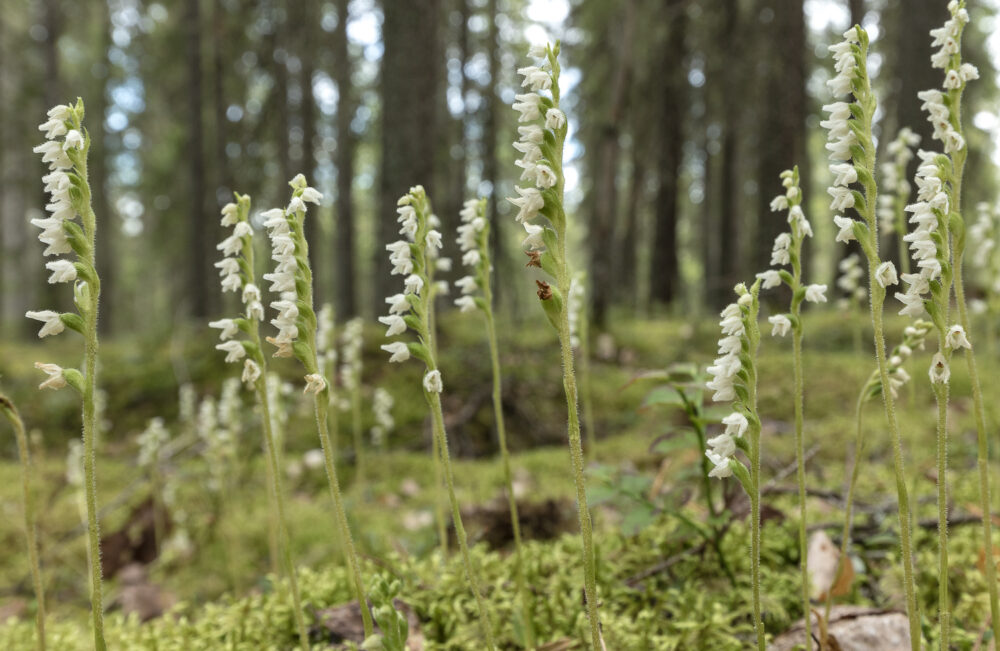
In the quiet, moss-covered corners of southern Kainuu, Finland, a botanical renaissance has taken hold this summer. For those with a keen eye and the patience to wander off the beaten path, the forest floor has revealed some of its most elusive and mysterious inhabitants. This season has proven to be an exceptional year for orchids, particularly the delicate Goodyera repens, or the creeping lady’s-tresses (known in Finnish as yövilkka).
Beyond these charming, small-scale orchids, dedicated naturalists have embarked on a quest for one of the rarest sights in the Finnish wilderness: the ghost orchid (Epipogium aphyllum), or metsänemä. This article explores the recent findings in the protected landscapes of Porkkasalo and the broader implications of forest conservation on these fragile, chlorophyll-deficient species.
Main Facts: The Biology of the Forest’s Ghosts
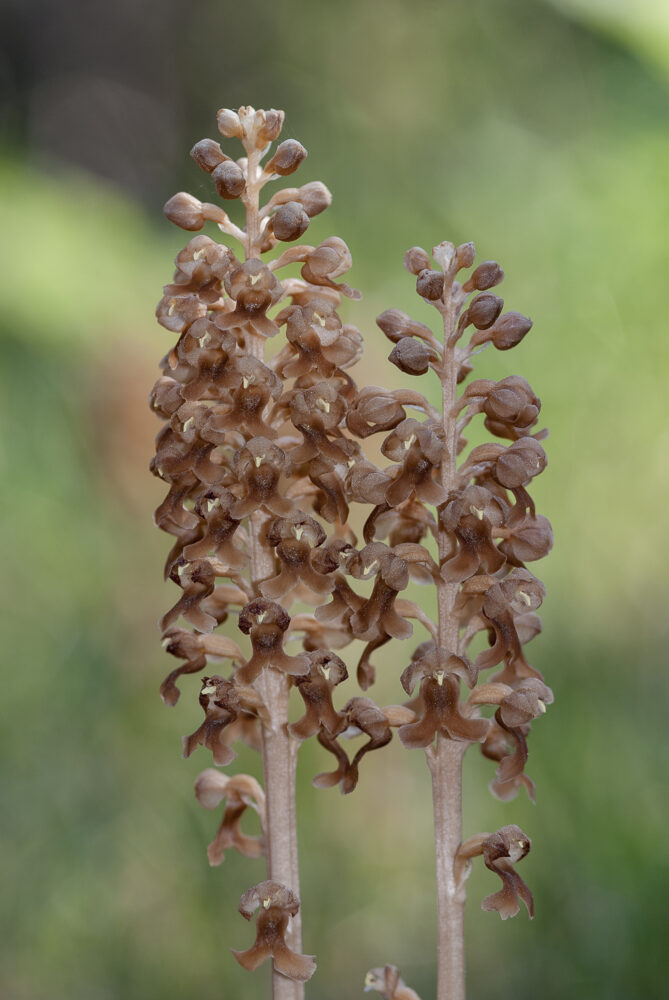
The plants discovered during this summer’s surveys are not your typical garden flowers. Species such as the ghost orchid (metsänemä), the coralroot orchid (harajuuri), and the bird’s-nest orchid (pesäjuuri) share a remarkable biological trait: they are myco-heterotrophs. Lacking chlorophyll, these plants are unable to photosynthesize. Instead, they rely entirely on symbiotic fungi—which in turn derive nutrients from trees—to sustain their lifecycle.
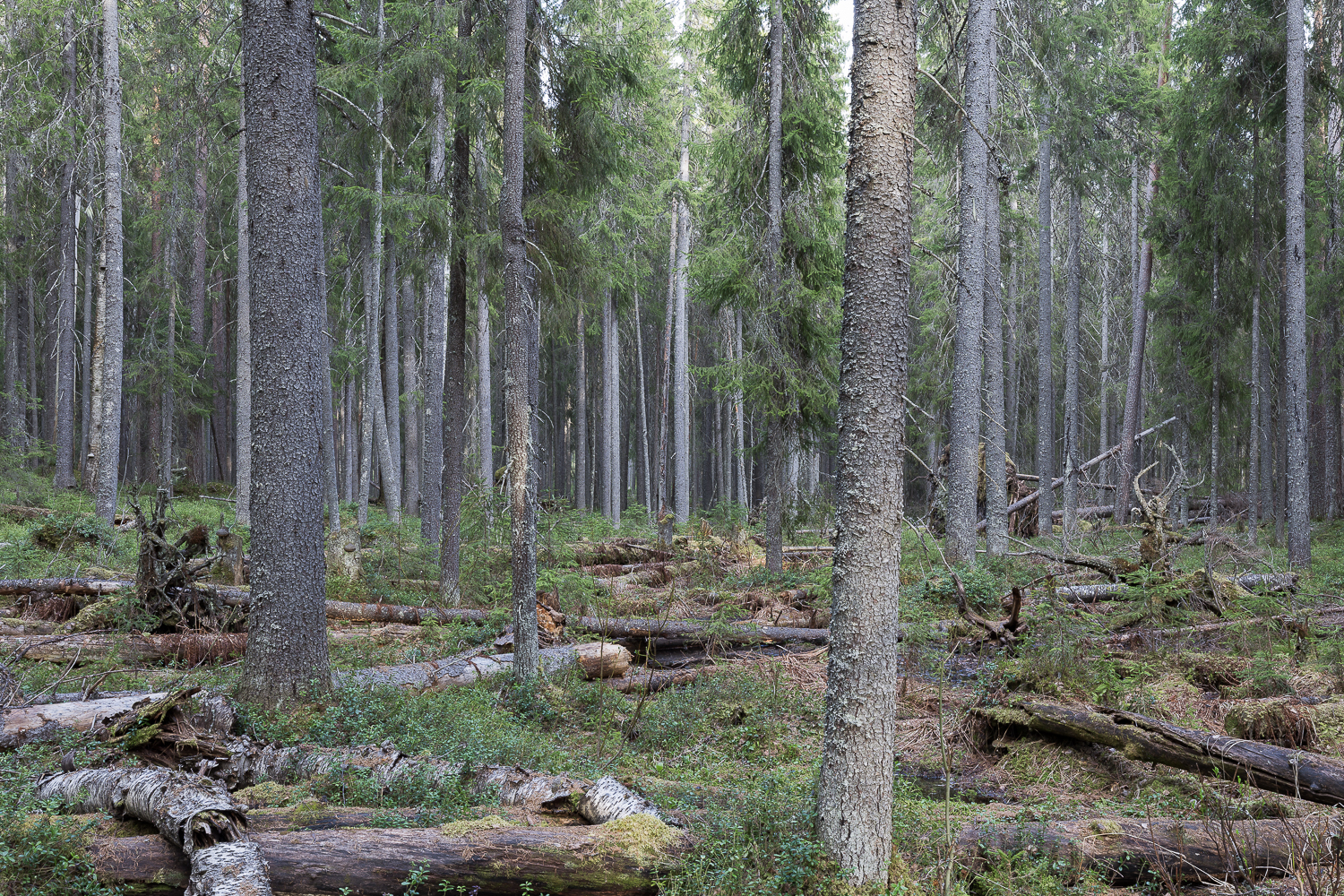
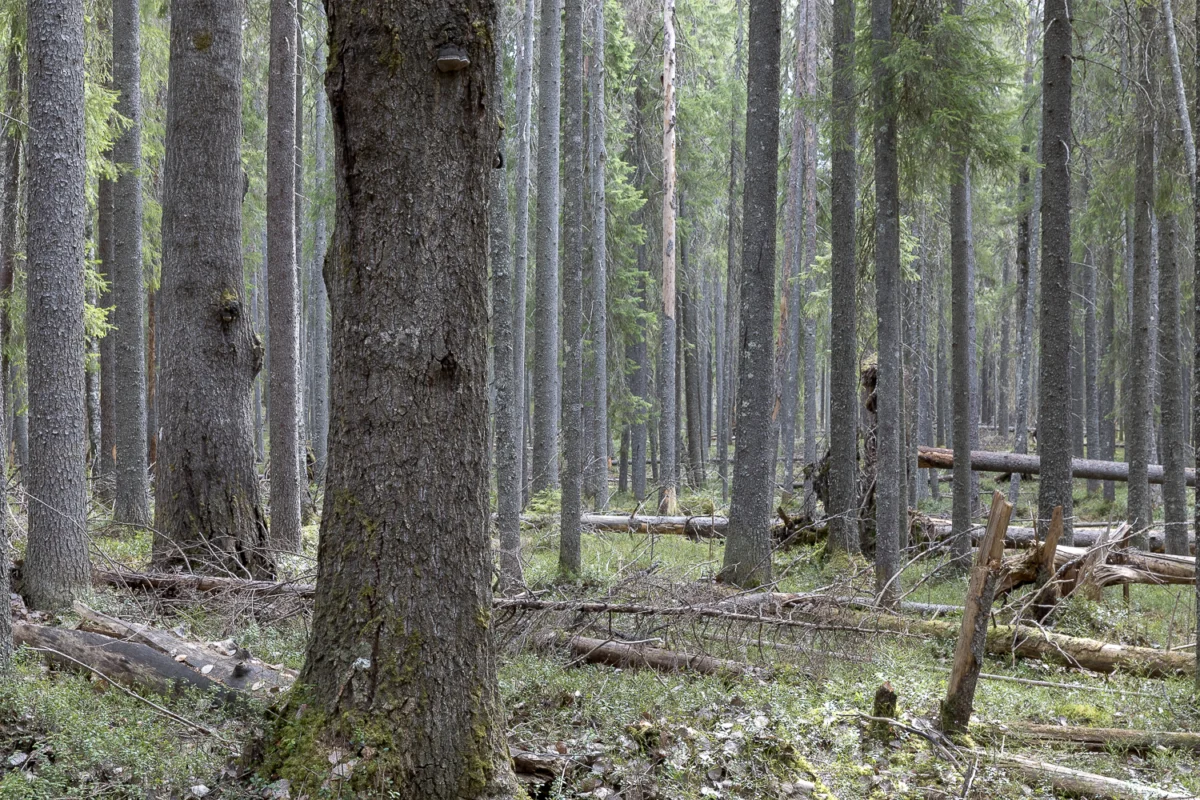
This dependency makes them incredibly sensitive to their environment. Because they live largely underground and emerge only to flower, they can remain invisible for years, appearing only when conditions are perfect. The yövilkka, while capable of photosynthesis, is similarly fragile; its shallow, weak root system requires the specific moisture and decaying organic matter found only in undisturbed moss forests. Industrial forestry practices, particularly soil scarification, effectively destroy these micro-habitats, making the preservation of old-growth forests a matter of survival for these rare organisms.
A Chronology of the Search
The journey to rediscover these species began with a simple observation of the abundance of yövilkka in the region. In protected old-growth forests, observers noted clusters of twenty to thirty individuals, with one specific site yielding nearly ninety flowering stalks. In contrast, managed commercial forests offered only sparse, isolated specimens—a testament to the impact of modern logging.
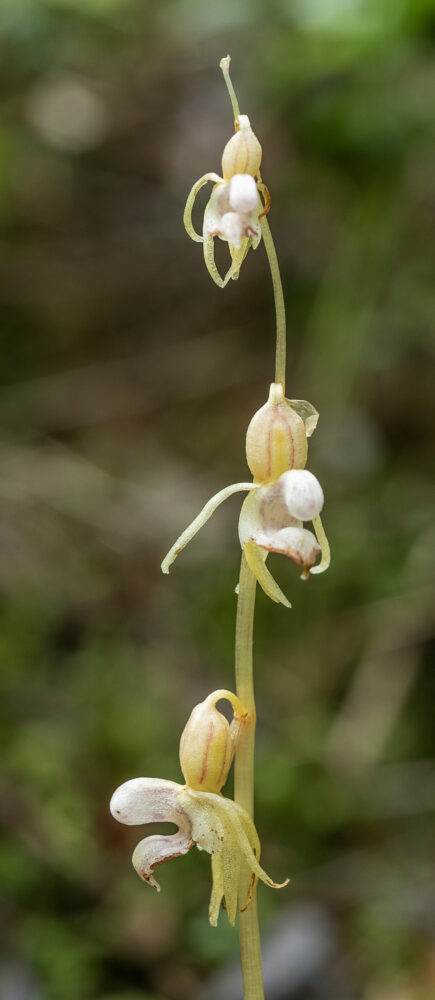
Inspired by this abundance, the search for the elusive metsänemä intensified in August. The metsänemä is classified as vulnerable in Finland, and finding it was considered a long-shot. Drawing on knowledge of a known site in a Kuhmo protected area, observers scanned familiar terrain in the Porkkasalo region.
The breakthrough occurred during a routine hike: while crossing a fern-rich stream, a flash of pale color caught the observer’s eye. It was a metsänemä, standing in a quiet depression. Coincidentally, this discovery occurred on the birthday of one of the observers, serving as a poignant reminder of nature’s capacity to reward persistent stewardship. A second, partially consumed specimen was found nearby, suggesting the area supports a small, functioning population.
Supporting Data: The Ecological Significance of Porkkasalo
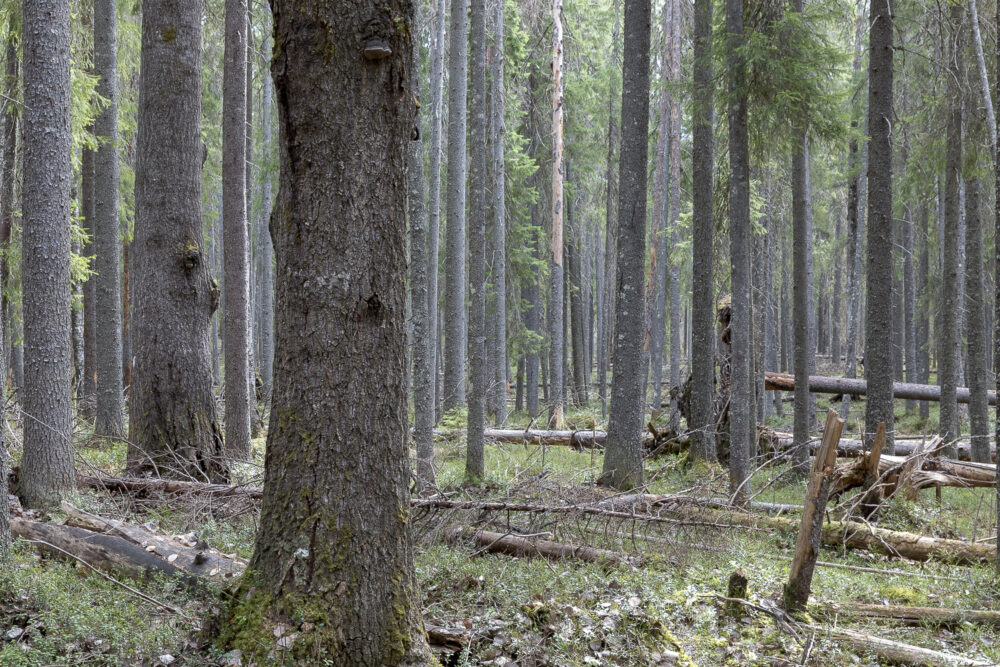
The discovery of the metsänemä in Porkkasalo is not just a botanical victory; it is a historical vindication. In the early 1990s, the future of this area hung in the balance. Metsähallitus (the Finnish state-owned forestry enterprise) viewed Porkkasalo as standard commercial timberland slated for clear-cutting.
The area is a high-value riparian forest characterized by old-growth spruce and aspen, which creates the humid, shaded environment essential for these rare orchids. The intervention of the Nature League’s forest group, supported by researchers from the University of Oulu, provided the empirical evidence needed to halt the destruction. Despite the legal battles, the imprisonment of protesters, and heavy fines levied against the activists, the majority of the area was eventually granted protected status. The recent finding of metsänemä and harajuuri in the same stream-side forest confirms that the activists’ efforts successfully preserved a critical refuge for biodiversity that would otherwise have been turned into an industrial plantation.
Implications: The Fragility of Myco-Heterotrophic Species
The plight of the metsänemä highlights a broader truth about forest management in Finland. Species that do not "show" themselves through bright colors or large sizes are often overlooked in environmental impact assessments.
The Mycorrhizal Connection
These plants are "orphans" of the forest floor, tethered to the trees through a complex web of fungal mycelium. If a forest is clear-cut, the host trees are removed, the fungi die, and the orchids vanish instantly. Unlike species that can migrate or reseed, these orchids are tied to specific, stable soil conditions that take decades or even centuries to develop.
The "Ghost" Lifecycle
Species like the kangasmäntykukka (pinebird’s-nest) further illustrate this complexity. Often mistaken for a fungus due to its strange, pale, non-leafy appearance, it also spends long periods underground. Observations made this August confirmed five individuals in a previously recorded site—all within a protected area. This underscores that while these plants are "ghosts," they are persistent residents of old-growth forests, provided those forests remain intact.
Official Responses and Conservation Outlook
Historically, there has been a tension between the utilitarian view of Finnish forests and the intrinsic value of rare flora. The case of Porkkasalo remains a landmark example of how grassroots activism, when coupled with scientific rigor, can shift the trajectory of land management.
Today, the scientific community and conservationists argue that the current criteria for identifying "valuable" forest areas must be expanded. If we only protect areas that are "charismatic" (such as those housing large mammals or majestic trees), we risk losing the "invisible" biodiversity that keeps the forest ecosystem healthy.
The survival of the metsänemä and its kin is directly linked to the maintenance of ecological continuity. The fact that these plants are reappearing in protected areas in Kainuu is a sign that the protected network is functioning. However, for species that rely on stable, ancient soil structures, the current scale of protected land is arguably too fragmented.
Conclusion: A Call for Continued Vigilance
As we look toward the future of Finnish forestry, the ghost orchid serves as a silent, pale sentinel. It reminds us that our forests are not merely timber factories but complex, interconnected biological communities.
The success stories of this summer—finding the metsänemä by the stream in Porkkasalo, or counting nearly a hundred yövilkka in a protected suoniitty (fen-meadow)—are not just anecdotes; they are evidence that protection works. As climate change alters the distribution of species and industrial pressures remain high, the preservation of every remaining patch of old-growth forest becomes increasingly vital.
For the hiker, the amateur botanist, or the professional researcher, the lesson is clear: slow down. Look at the moss. Look at the shadows near the streams. The forest has a way of hiding its most precious treasures, but it will share them with those who respect its need for silence, time, and, above all, protection from the plow and the saw.
As we move forward, the challenge for Finland will be to transition from a model of "salvageable" conservation—where we protect only the remnants—to a proactive model that understands the necessity of preserving large, contiguous landscapes. Only then will the ghosts of the forest continue to haunt these woods for generations to come.