When most people contemplate the term "ghost," their minds drift to folklore or the cinematic antics of spectral figures. Yet, for those who frequent the water’s edge, the term carries a far more tangible, albeit equally mysterious, connotation: the Ghost Carp. A striking hybrid that glides through the murky depths with iridescent, metallic grace, the Ghost Carp has become one of the most sought-after and debated creatures in the world of modern angling. Neither a true species nor a mere phantom, it is a living masterpiece of selective breeding.
Main Facts: Defining the Ghost Carp
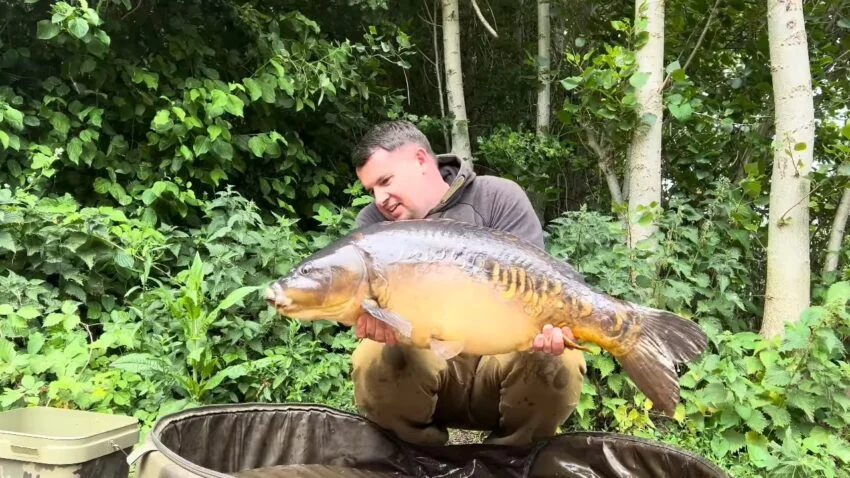
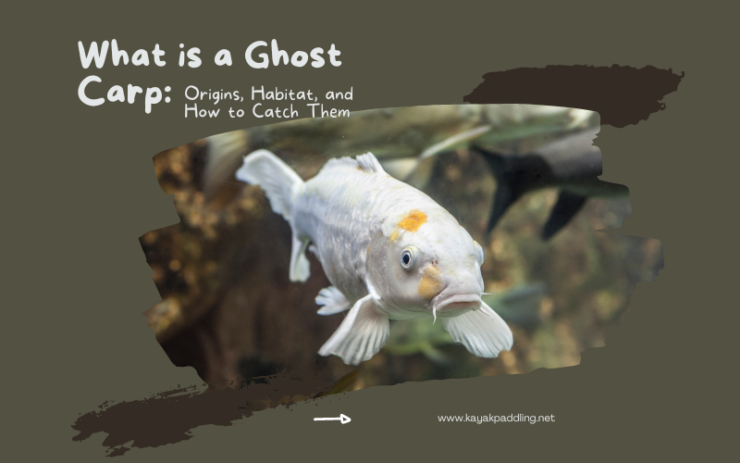
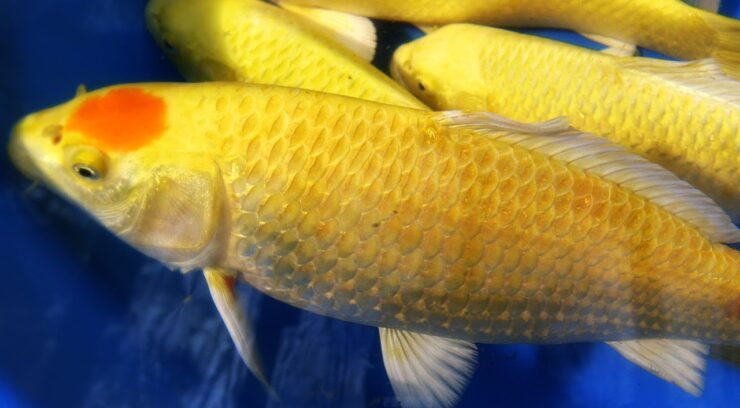
The Ghost Carp (Cyprinus carpio) is an ornamental hybrid, born from the crossing of traditional mirror or common carp with the shimmering, metallic Yamabuki Ogon Koi. While they share the robust, "torpedo-shaped" anatomy of their wild ancestors, they possess a unique aesthetic that sets them apart from the drab browns and olives of the common carp.
Quick Reference Data
| Feature | Metric |
|---|---|
| Scientific Name | Cyprinus carpio |
| Average Weight | 6–15 lb (2.7 kg – 6.8 kg) |
| Maximum Weight | Up to 94 lb (42 kg) |
| Average Length | 18–26 inches (45 cm – 65 cm) |
| Maximum Length | 48 inches (120 cm) |
| Life Span | 9–45 years |
The "ghostly" moniker is derived from the fish’s appearance in turbid water. Their metallic heads—composed of dense, crystalline purine cells—reflect light in such a way that the fish seems to shimmer and vanish into the shadows, creating a visual effect that has frustrated and fascinated anglers for decades.
Chronology: The Emergence of an Ornamental Icon
The history of the Ghost Carp is relatively short, rooted in the mid-20th-century experimentation of fish breeders. While carp have been cultivated for food in Asia and Central Europe for centuries, the specific development of the Ghost Carp occurred in the 1980s.
An enterprising farmer sought to combine the rugged, cold-water resilience of the European Mirror Carp with the aesthetic brilliance of the Japanese Yamabuki Ogon. The resulting offspring were not merely functional; they were beautiful. This successful crossbreeding created a lineage that possessed the stamina of a wild fish and the visual allure of a high-end koi.
However, this rapid emergence has created a rift in the ichthyological community. Because they are a "man-made" hybrid, many traditional koi purists do not recognize them as true pedigree Nishikigoi. Despite this, their popularity in private fisheries—particularly across the United Kingdom and Europe—has grown exponentially, cementing their status as a staple of recreational sport fishing.
Supporting Data: Behavior and Biological Traits
The Ghost Carp is a master of adaptation. Its biological makeup allows it to thrive in environments that would be lethal to more sensitive species.
Environmental Tolerance
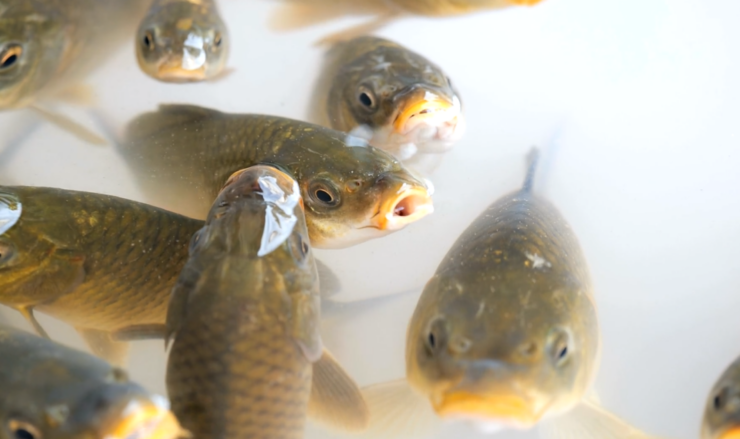
Ghost Carp are exceptionally hardy. They can survive in temperatures ranging from 3°C (37°F) to over 30°C (86°F). Perhaps their most impressive trait is their ability to survive in water with extremely low oxygen levels by gulping air at the surface—a behavior that, while common among carp species, is particularly pronounced in the Ghost Carp.
Growth and Diet
Often referred to as the "freshwater pig," the Ghost Carp is an opportunistic omnivore. Its diet consists of:
- Benthic Invertebrates: Larvae, mollusks, and crustaceans found in the substrate.
- Vegetation: They are known to graze on aquatic plants, which serves as both food and a source of disruption to local ecosystems.
- Detritus: They effectively clean the bottom of a pond or lake, often uprooting plants and stirring up sediment in the process.
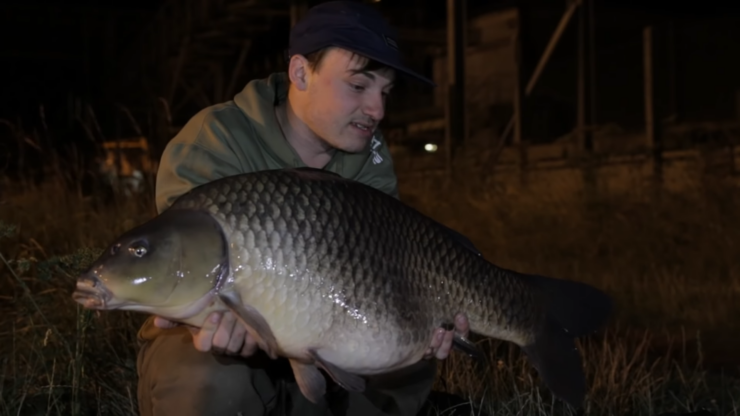
Their growth rate is directly tied to the nutrient density of their environment. In eutrophic waters—those rich in agricultural runoff or organic waste—these fish can reach massive proportions. Their "rubber-lipped" mouths, equipped with sensitive barbels, allow them to navigate the muddy lake floor with pinpoint accuracy, locating food sources through touch and taste rather than sight.
Official Responses and Ecological Implications
The introduction of carp into non-native ecosystems has been a subject of intense scrutiny by environmental agencies worldwide. In the United States and Canada, where common carp were introduced in the 1970s for aquatic vegetation control, the results have been complex.
The Invasive Dilemma
While Ghost Carp are generally kept in managed, private fisheries in Europe, their wild cousins (the Common Carp) have become a significant invasive threat. The ecological concern is twofold:
- Habitat Degradation: Through their constant bottom-feeding, they increase water turbidity (cloudiness). This reduces sunlight penetration, preventing the growth of native aquatic plants and disrupting the spawning grounds of indigenous fish species.
- Disease Vectors: Wild and semi-wild carp populations are known carriers of the Koi Herpesvirus (KHV). This virus can be devastating to local koi populations and native fish, leading to significant mortality rates in affected waterways.
Regulatory Stance
In the UK, Ghost Carp are highly valued as a "sporting" fish. They are stocked in controlled environments where their population is managed. Conversely, in many North American states, the introduction of any carp species into public waters is strictly prohibited. Management programs in these regions focus on eradication through netting, electrofishing, and the installation of physical barriers to protect local biodiversity.
The Angler’s Perspective: Why the "Ghost" is Hard to Catch
Despite their invasive potential in the wild, in the world of competitive angling, the Ghost Carp is treated with a mixture of reverence and frustration. They are widely considered to be among the most intelligent freshwater fish.
Tips for Success
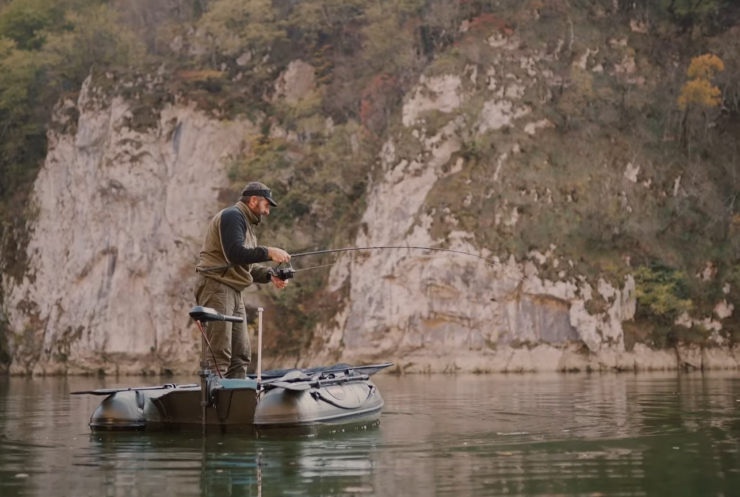
For those pursuing the Ghost Carp in legal, managed fisheries, patience is the primary tool.
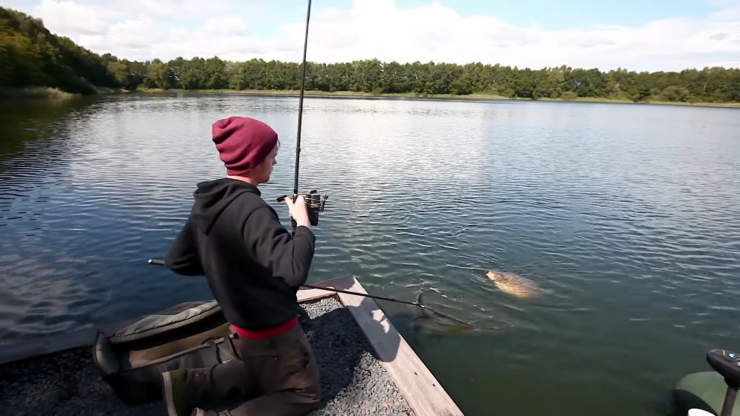
- Baits: Pellets are the industry standard, but seasoned anglers often find success with sweetcorn, maggots, or bread, especially when the fish are wary.
- Locational Awareness: Look for structures. Ghost Carp prefer the safety of overhanging trees, lily pads, and submerged logs.
- Adaptive Strategy: Because they are intelligent, they often grow "hook-shy." If a particular spot isn’t yielding results, changing the bait or the rig is essential. Do not settle for one location; the Ghost Carp is a nomadic feeder.
Conclusion: Myth vs. Reality
The Ghost Carp is neither a literal phantom nor a harmless addition to any pond. It is a robust, highly intelligent, and genetically fascinating hybrid that represents the intersection of human intervention and natural endurance. While they may not possess the supernatural powers hinted at by their name, their ability to "vanish" in murky water and their stubborn resistance when hooked make them a worthy adversary for any angler.
As we move forward, the challenge lies in balancing the thrill of the catch with responsible environmental stewardship. Whether you are a breeder, an angler, or a conservationist, the Ghost Carp demands respect. They are a testament to the fact that, in the world of aquatic life, the most interesting creatures are often the ones that remain, quite literally, just out of sight.
Frequently Asked Questions (FAQ)
1. Are Ghost Carp and Koi the same thing?
While they are biologically identical in many respects and can interbreed, Ghost Carp are a distinct commercial breed. They are generally considered "ornamental hybrids" rather than true, pedigree Nishikigoi (Japanese Koi).
2. How do I identify a Ghost Carp?
Look for a torpedo-shaped body with a metallic, iridescent head. Unlike some other carp, they often display a striking contrast between their dark, scaly bodies and their shimmering, gold or silver metallic highlights.
3. Why are they called "Ghost" Carp?
The name refers to their appearance in dark or murky water. Their reflective metallic skin reflects light in a way that makes them seem to materialize and disappear, giving them a spectral, ghost-like quality.
4. Can I keep a Ghost Carp in a garden pond?
Yes, but with caution. They grow rapidly and require significant space. A general rule of thumb is at least 25 liters of water per inch of fish to ensure health and prevent stunted growth.
5. What is the biggest threat posed by these fish?
In open, public waterways, their bottom-feeding habits destroy vegetation and increase water turbidity, which can permanently damage the local food web and displace native species. Always check local laws before introducing any carp species into an outdoor water feature.