Four years ago, the return to Texas from the temperate climes of California brought with it a harsh, buzzing reality check. Within a fortnight of unpacking, it became abundantly clear that the local mosquito population had undergone a dramatic evolution during my 25-year absence. They were no longer mere nuisances; they had grown larger, more aggressive, and significantly more intelligent. My skin, once pristine, had become a "bepoxed nightmare" of welts and irritation within days.
For any Texan, the mosquito is a seasonal adversary, but this felt like an existential threat to outdoor living. The quest for a solution began with brute force, leading to the engagement of a local pest control service. Every three weeks, a technician would arrive with a gasoline-powered cannon strapped to his back, blasting the foliage with heavy-duty pesticides. The cost was substantial—reaching four figures annually—and the results were fleeting. The treatment provided a mere 48 to 72 hours of respite before the local swarms returned with what felt like personal vengeance.
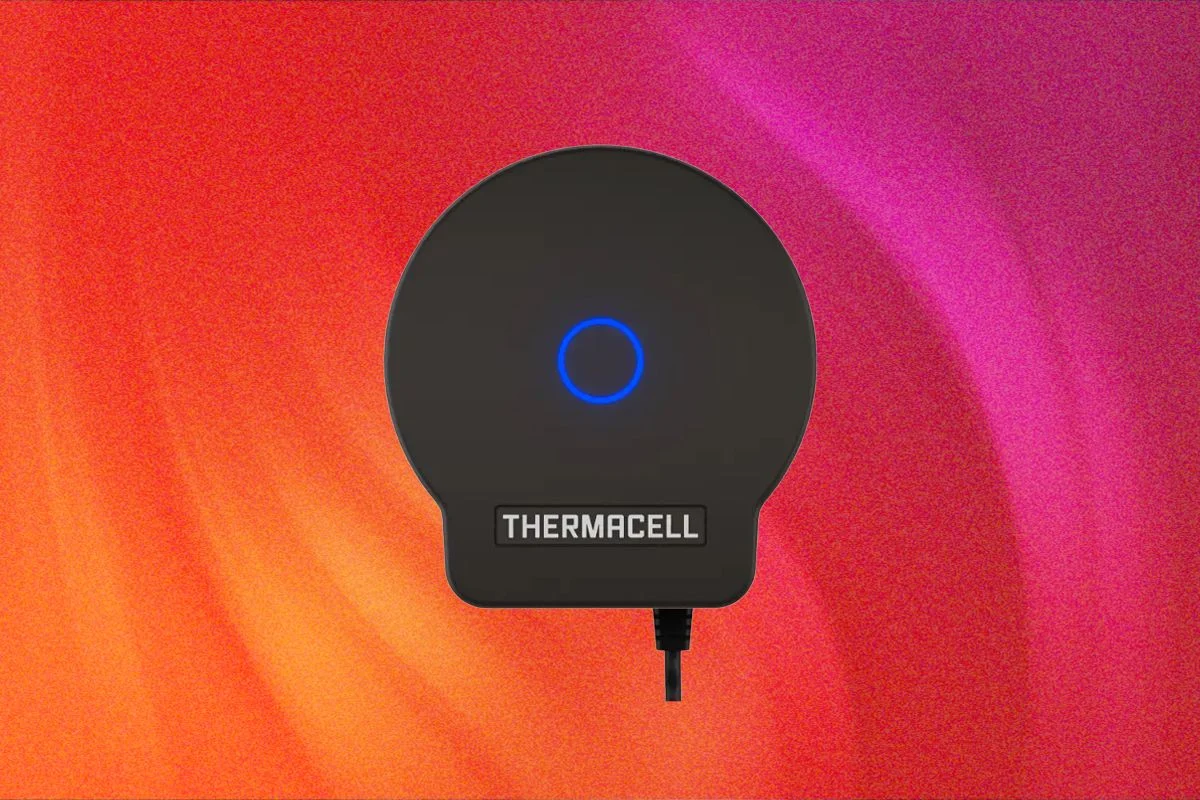
This frustration eventually led me to the Thermacell LIV Smart Mosquito Repellent System, a device that fundamentally shifted the paradigm from broad-spectrum chemical warfare to targeted, smart-home defense. Two years after my initial review, the company has released the LIV 2.0. This article explores whether the second generation of this technology justifies the upgrade and examines the broader implications of smart-perimeter defense in the fight against one of humanity’s oldest enemies.
The Evolution of the Perimeter: LIV 2.0
Conceptually, the LIV 2.0 remains faithful to its predecessor. It is a semi-permanent, Wi-Fi-enabled ecosystem designed to create a "vaporous fence" around a designated outdoor area. The system consists of one or more control hubs that plug into standard wall outlets, daisy-chained to a series of repeller units. These units are strategically placed around a perimeter—in my case, the swimming pool—up to 20 feet apart.
The core technology relies on metofluthrin, a pyrethroid insecticide that acts as a highly effective repellent. Unlike the indiscriminate spraying of a chemical cannon, the LIV system emits a controlled, scent-free vapor that discourages mosquitoes from entering the protected zone without requiring a total drenching of the landscape.
The 2.0 iteration maintains the existing cabling infrastructure but upgrades the hardware components for better reliability and performance. I recently stress-tested the new system, incorporating a sixth repeller to seal a "blind spot" in my backyard coverage. The result is a more robust, intelligent barrier that reflects a growing trend in the smart-home sector: the migration of tech-driven automation into the great outdoors.
A Chronology of the Backyard Struggle
The timeline of my mosquito-mitigation journey mirrors the broader shift in how suburban homeowners manage their outdoor environments.
- Phase 1: The Chemical Onslaught (2020). Following my relocation, I relied on traditional barrier sprays. The reliance on professional services was driven by necessity but flawed by the short-term efficacy of the chemicals used. The environmental and financial toll was high, with little long-term benefit.
- Phase 2: The Adoption of Smart Tech (2022). My discovery of the original LIV system marked a turning point. Instead of "nuking" the yard, I was now managing a network. The ability to activate the system via a smartphone before stepping outside changed the calculus of outdoor recreation.
- Phase 3: Refinement and Scaling (2024). The arrival of the LIV 2.0 represents the maturation of the product. The focus has shifted from "does it work?" to "how well does it integrate?" The upgraded hardware addresses early-adopter complaints, such as connectivity stability and unit durability.
Supporting Data: Why "Smart" Beats "Spray"
The efficacy of the LIV system is rooted in the targeted application of metofluthrin. While traditional fogging relies on wind patterns and the residual presence of chemicals on leaves—both of which degrade rapidly in the Texas sun—the LIV system creates a consistent vapor concentration.
According to industry standards, metofluthrin is remarkably effective at low concentrations, essentially "blinding" the mosquito’s sensory receptors. By maintaining a constant, low-level emission, the system prevents the pests from entering the area in the first place.

During my testing of the 2.0 version, I tracked the "bite rate"—a subjective but critical metric for any homeowner. Before the system, I would encounter dozens of bites within an hour of dusk. With the LIV 2.0 active, that number dropped to effectively zero. The data from the app, which monitors battery health, chemical levels in the vials, and connectivity status, allows for a level of maintenance that was previously impossible. You are no longer guessing if the repellent has worn off; you are actively monitoring your perimeter’s integrity.
Official Perspectives: The Tech Behind the Vapor
Thermacell has positioned itself as the leader in "mosquito abatement," a term that suggests a more sophisticated approach than simple extermination. In discussions regarding the 2.0 upgrade, the company emphasized that the improvements were based on real-world feedback from users in high-density mosquito zones.
The decision to keep the cabling the same was a strategic move, allowing legacy users to upgrade their hubs and repellers without the arduous task of re-wiring their entire backyard. This modularity is a significant selling point for the 2.0 system. When asked about the chemical efficacy, the company reiterates that while metofluthrin is lethal to mosquitoes in high concentrations, the LIV system is calibrated specifically to repel, minimizing the impact on non-target species like bees and butterflies, which are less sensitive to the vapor at the levels emitted.
Implications for the Future of Outdoor Living
The success of the LIV 2.0 has broader implications for how we view our living spaces. As climate change continues to expand the range of mosquito-borne diseases and increase the prevalence of biting insects, the "backyard" is becoming a site of technological competition.
1. The Rise of "Managed Environments"
We are moving away from passive landscaping toward "managed environments." Whether it is smart irrigation, automated lighting, or AI-driven pest control, homeowners are increasingly treating their outdoor spaces with the same technical rigor as their interior living rooms. The LIV 2.0 is a prime example of this trend—a piece of infrastructure that is installed, monitored, and optimized.
2. The Financial Shift
While the initial cost of a multi-unit LIV system is significant, the long-term financial implications are favorable when compared to seasonal, professional chemical spraying. By moving from a service-based model (paying for a guy with a cannon) to an asset-based model (owning the hardware), homeowners can gain better control over their budgets and the chemical exposure of their property.
3. Public Health and Comfort
The psychological impact of being able to enjoy one’s own property cannot be overstated. When a backyard becomes unusable due to the threat of bites, the property loses its value as a sanctuary. Systems like the LIV 2.0 restore that utility. However, there is a responsibility here: as we build these "fortresses," we must remain mindful of the ecological footprint. The shift toward targeted, low-concentration vaporization is a positive step, but it represents an ongoing challenge to balance human comfort with environmental stewardship.
Conclusion: Is the Upgrade Worth It?
For those already invested in the LIV ecosystem, the 2.0 version is a clear upgrade in build quality and software stability. It is not a revolutionary change in concept, but rather a refinement of a system that has already proven its worth in the harshest of conditions.
If you are a newcomer to the technology and find yourself hiding indoors, watching your backyard through a window while the mosquitoes have the run of the place, the LIV 2.0 offers a path to reclamation. It requires an investment of time to install and money to acquire, but for the homeowner who values their evening peace, the ability to flip a switch and watch the mosquitoes vanish is, quite simply, priceless. The war on mosquitoes may be far from over, but with the LIV 2.0, we have finally secured the perimeter.