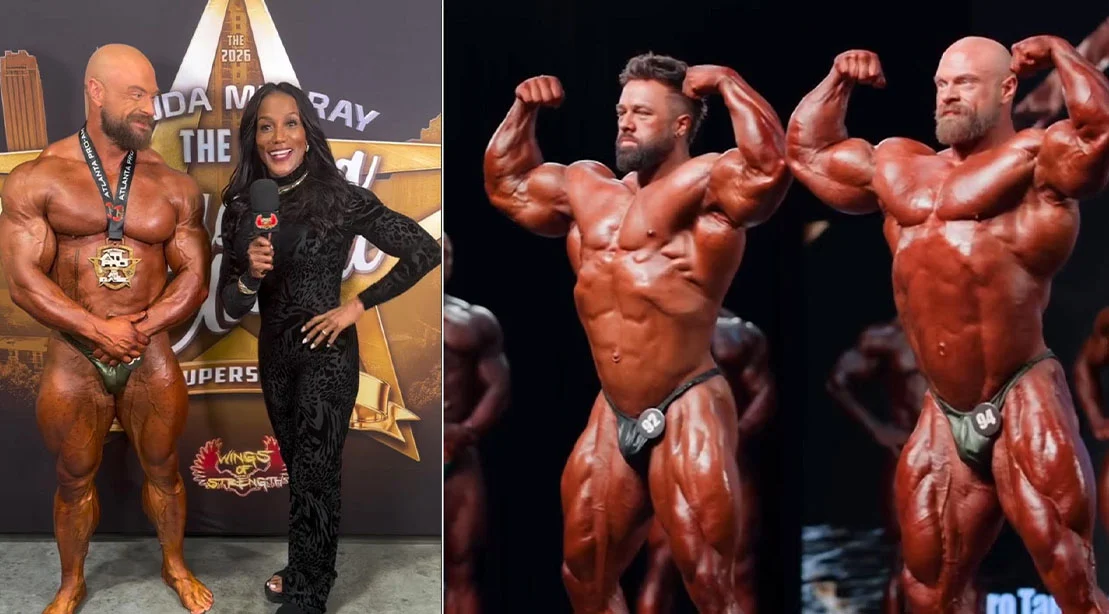
For the better part of two decades, the blueprint for "male self-improvement" was defined by a singular, rigid objective: the pursuit of physical mass. For millions of men, the path to a better version of themselves was paved with iron. The gym was the temple, the protein shake was the communion, and the mirror was the judge. If you weren’t chasing a new personal best on the bench press, you were effectively falling behind.
Supplement aisles expanded from narrow shelves to entire walls of big-box retailers, transforming protein powder from a niche bodybuilder’s tool into a lifestyle signifier—a badge of discipline worn in gym selfies and tracked via fitness apps. This era of hyper-masculine optimization yielded undeniable results for many, but it also birthed a culture of diminishing returns. The pursuit of wellness morphed into a high-stakes arms race, where pre-workout stacks resembled small pharmacies and a single missed gym day felt like a profound moral failure. As the goalposts shifted from "getting big" to "getting shredded" and finally to achieving an increasingly unattainable, low-body-fat aesthetic, many men began to lose sight of the bigger picture.
However, a quiet revolution is currently underway. Men’s self-improvement has shed its barbell-only fixation, expanding into a holistic, multi-faceted ecosystem that encompasses dermatology, cosmetic dentistry, and advanced aesthetic restoration.
A Chronology of Change: From Iron to Integration
The shift in how men approach their appearance did not happen overnight. It was a gradual erosion of long-standing social stigmas, catalyzed by the digital age and the democratization of aesthetic procedures.
The Era of "Gym-Only" (2005–2015)
During this period, male self-care was largely contained within the four walls of the gym. Skincare was viewed as an unnecessary luxury, often grudgingly borrowed from a partner’s bathroom shelf. Any interest in aesthetic improvement that didn’t involve muscle hypertrophy was, in many social circles, discouraged or mocked.
The "Grooming Awakening" (2015–2020)
As social media platforms like Instagram began to prioritize visual aesthetics, the "Instagram Face" phenomenon bled into male culture. Men began to experiment with beard oils, premium shaving kits, and, eventually, introductory skincare. The barrier to entry for male grooming began to crumble as brands realized there was a massive, untapped market for products that didn’t smell like a locker room.
The Normalization of Restoration (2020–Present)
The current era is defined by a departure from purely "corrective" behavior toward "proactive" intervention. This is where hair restoration and cosmetic dentistry have hit the mainstream. Procedures that were once whispered about in private are now discussed with the same casual tone as a new training split or a shift in diet.
The Data Behind the Shift: A Multi-Billion-Dollar Industry
The scale of this transition is staggering. According to industry analysis, the global hair-restoration market was valued at approximately $12 billion in 2025. What is perhaps more telling than the total valuation is the projected growth rate, which some analysts suggest will maintain a compound annual growth rate (CAGR) exceeding 20%.
Key Drivers of Market Expansion:
- Technological Advancement: The transition from outdated strip-harvesting (FUT) to modern techniques like Follicular Unit Extraction (FUE) and Direct Hair Implantation (DHI) has been a game-changer. These procedures are minimally invasive, offer faster recovery times, and leave virtually no linear scarring.
- Democratization of Cost: The rise of medical tourism has forced a global recalibration of pricing. High-quality care in medical hubs like Istanbul, Turkey, has brought surgical restoration within reach of the average consumer, effectively ending the "luxury-only" era of hair transplants.
- Generational Shifts in Intervention: Perhaps the most significant metric is the age of the patient. Data from the Vera Clinic reveals that the dominant age group for hair restoration has shifted to 20–35. Unlike previous generations who sought help only after significant hair loss had occurred, younger men are treating hair restoration as a preventative health measure, with over 85% of patients seeking intervention before their hair loss reaches advanced stages.
Official Insights: The Science of Sustenance
While the procedure is the headline, the reality of modern self-improvement is found in the "long game." A recent study conducted by the Vera Clinic Academy examined the correlation between patient behavior and graft survival rates, providing a fascinating bridge between the worlds of fitness and aesthetics.
The study on graft survival highlighted that a hair transplant is not a "set it and forget it" procedure. The results are fundamentally tied to the patient’s commitment to aftercare, mirroring the exact principles of muscle growth.
"The transplant is the catalyst, not the conclusion," notes the research team. The data indicates that patients who adhered strictly to prescribed dietary plans and supplement routines saw graft survival rates nearly 7 percentage points higher than those who were inconsistent. This proves that the biological requirements for success—consistency, nutrition, and recovery—are identical whether one is building a bicep or restoring a hairline.
Implications: The New Paradigm of Male Self-Care
The implications of this shift are profound. We are witnessing the death of the "one-size-fits-all" approach to masculinity.
1. The Death of the Compartmentalized Self
For decades, men were told to keep their interests in separate boxes: the gym, the office, the home. The modern man, however, is increasingly viewing his body as a unified project. Skincare, dental health, hair maintenance, and physical training are no longer seen as disparate activities; they are understood as pillars of a single, coherent lifestyle.
2. The Rise of "Proactive Wellness"
There is a clear trend toward early intervention. By addressing skin texture, dental alignment, and hair density in their twenties and thirties, men are investing in their "future selves" rather than merely trying to repair the damage of aging. This mirrors the shift in modern medicine toward preventative care rather than reactive treatment.
3. The End of Stigma
Perhaps the most significant cultural shift is the normalization of the "maintenance" lifestyle. When a high-performing athlete or a high-ranking executive can openly discuss their hair transplant or their retinol routine, the social stigma evaporates. This transparency allows more men to seek help without the fear of being perceived as "vain" or "less masculine."
Conclusion: The Holistic Future
If the last twenty years were defined by the weight room, the next twenty will be defined by the integration of the self. Male beauty and health are no longer defined by a single, narrow metric like a bench press number or a jawline. They are the sum of thousands of small, consistent, and informed decisions.
The gym is no longer the sole arbiter of a man’s worth. Instead, it sits alongside the dermatologist’s clinic and the hair restoration center as part of a broader, more nuanced toolkit. By embracing this holistic perspective, men are discovering that the pursuit of self-improvement is not about becoming a caricature of strength, but about optimizing every aspect of their physical existence.
Male beauty was never meant to be confined to the protein shaker. That was merely the starting point of a much longer, more interesting conversation—one that, finally, includes the rest of the man.
Disclaimer: This article provides information based on current industry trends and research. It is intended for educational purposes. Readers should consult with qualified medical professionals regarding any surgical procedures or significant changes to their health and wellness routines.