By Marjaana Toivonen | September 1, 2026
In the quiet, dew-drenched hours of a Finnish summer night, a silent drama unfolds across our agricultural landscapes. While the hum of bumblebees and the frantic dance of hoverflies define our daylight observations of crop pollination, the nocturnal realm remains largely shrouded in mystery. For the past eighteen months, my research has sought to lift this veil, probing a fundamental question: Do night-active insects play a significant role in the pollination of Finnish food crops, or are our fields effectively dormant once the sun sets?
The journey into this inquiry has been characterized by the inherent unpredictability of field science. What began as a confident hypothesis—that nocturnal pollinators are an under-researched engine of agricultural productivity—has evolved into a complex puzzle that challenges our traditional understanding of Finnish agro-ecology.
The Genesis of the Study: Why Look at the Night?
My fascination with nocturnal pollinators was ignited by a growing body of international research. Studies conducted in Central and Southern Europe, as well as North America, have increasingly highlighted that moths, nocturnal beetles, and other night-flying insects contribute significantly to the reproductive success of various food crops. These studies suggest that we may be drastically underestimating the resilience and yield potential of our fields by focusing solely on diurnal (daytime) visitors.
In early 2025, I set out to map this phenomenon in the Finnish context. My research goals were threefold:
- Inventory: Identify which nocturnal species are active in Finnish agricultural landscapes.
- Abundance: Determine what environmental factors influence the presence and population density of these insects.
- Efficacy: Quantify the actual contribution of nocturnal pollination to total crop yield.
The initial assumption was optimistic: that by deploying monitoring equipment, we would quickly find a bustling community of night-shift workers visiting our fields.
Chronology of Research: From Omen to Ten Crops
Phase I: The Pilot Study (May–June 2025)
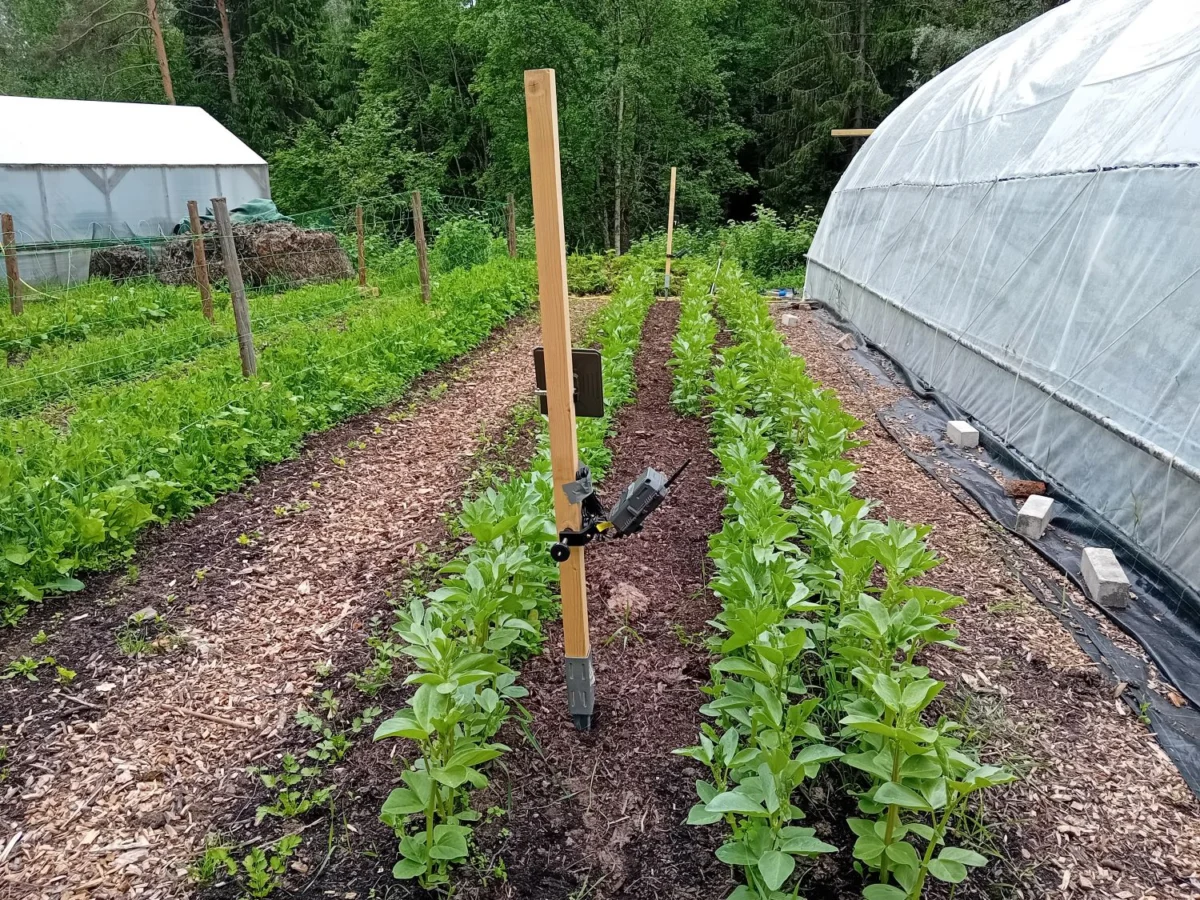
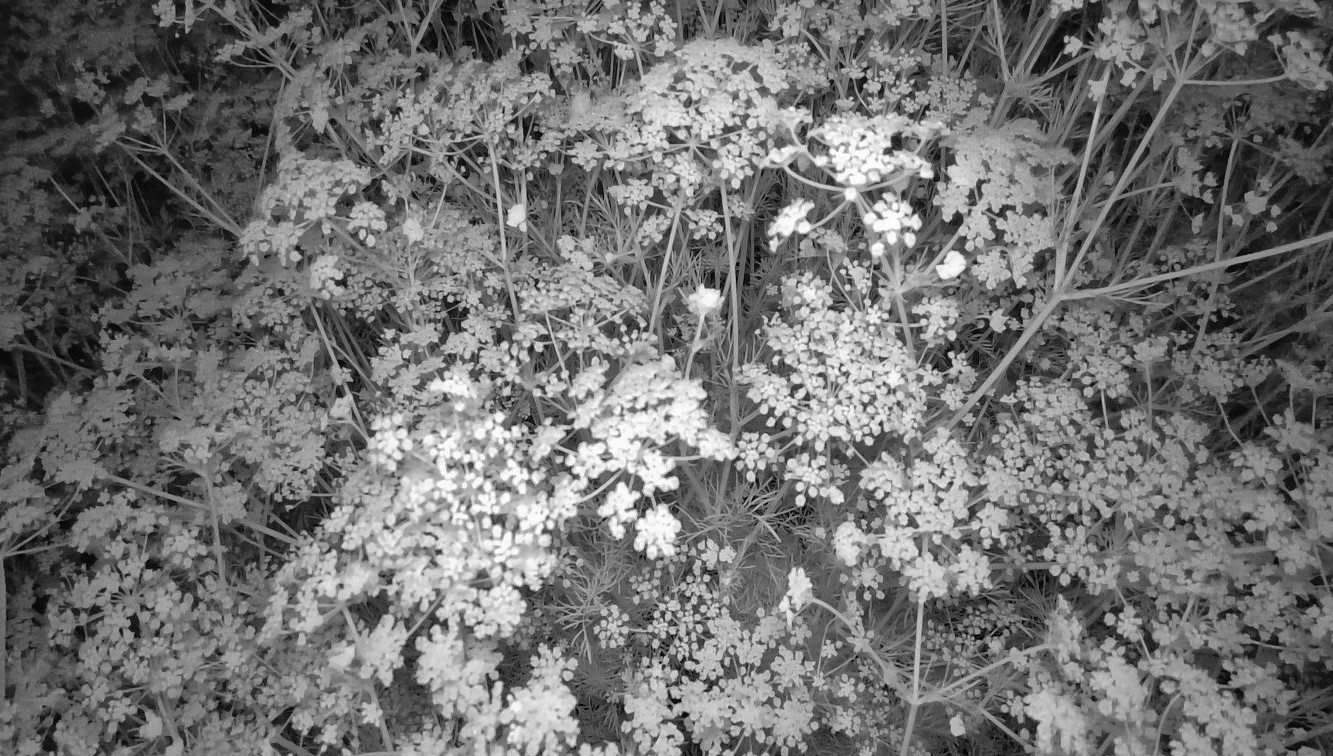
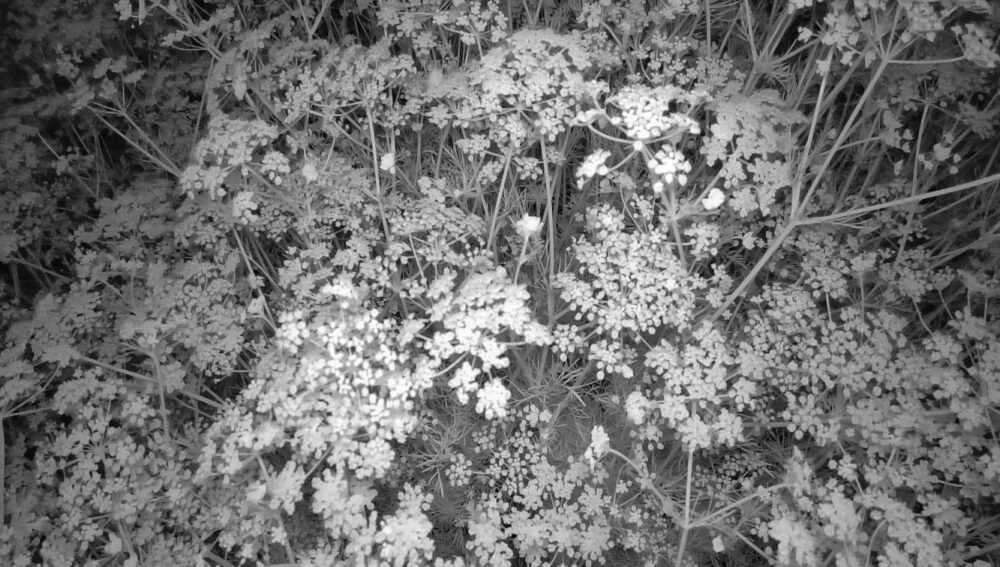
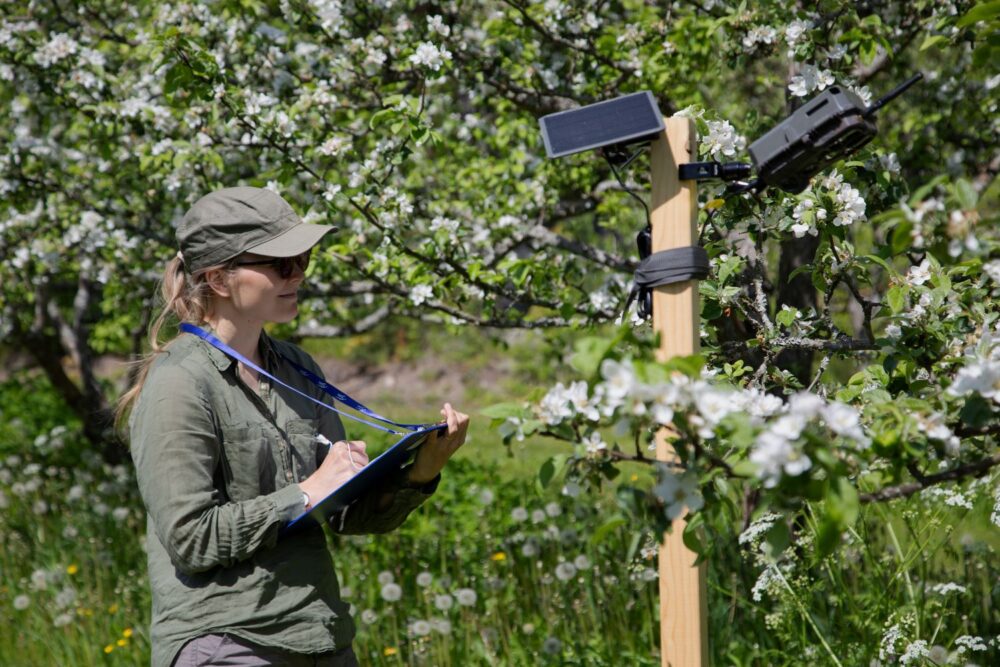
To avoid the logistical nightmare of manual night-time observation, I teamed up with researcher Paula Humberg. We opted for a technological solution: high-resolution trail cameras (riistakamerat). These devices were programmed to capture images of apple and caraway blossoms every ten seconds, 24 hours a day, throughout the entire flowering season.
The pilot phase served as a crucial test of our methodology. The cameras performed admirably, providing a continuous, unbiased record of floral visits. However, the results were sobering. The "night shift" was effectively absent. With the exception of a lone moth captured at 6:30 AM—barely qualifying as nocturnal—and a scattering of lacewings, the cameras recorded almost no activity during the dark hours.
Phase II: Expanding the Scope (Summer 2026)
Faced with the unexpected silence of the night, I realized a change in strategy was required. One cannot prove a negative based on two crops alone. This past summer, we scaled up the operation significantly. We expanded our surveillance to ten different crop types, including field beans (härkäpapu), selecting sites known for their high biodiversity, such as smaller, traditional farms where the presence of hedgerows and wildflower margins creates a more supportive environment for insects.
We are currently in the process of analyzing this extensive dataset, holding onto the hope that the diversity of crops will reveal the niche specialists we missed in the pilot study.
Supporting Data: The Power of Automated Monitoring
One of the most significant takeaways from this research so far is not just the lack of nocturnal activity, but the efficacy of the monitoring method itself. While traditional, human-led "flower-visit counts" are the gold standard in many textbooks, they are inherently limited by the researcher’s stamina and presence.
Our camera-based methodology revealed a much more complex and nuanced picture of pollinator communities than we had previously observed. The cameras captured data that human observers often miss:
- The "Shift Change": We discovered that the pollinator community at dawn and dusk is markedly different from the mid-day population.
- The Invisible Workers: Small, quiet, and inconspicuous pollinators that might be ignored by a human observer in the field were clearly documented by the camera frames.
- Continuous Monitoring: Unlike the "snapshot" approach of traditional field visits, the 24-hour cycle provided by the cameras allowed us to see the full temporal rhythm of the field.
These findings, published in related academic forums, underscore that even when a study yields "negative" results regarding nocturnal activity, it can still fundamentally improve our understanding of daytime pollinator dynamics.
Official Perspectives and Scientific Implications
The broader scientific community is watching this research closely. If our findings continue to show a lack of nocturnal pollinators in Finland, it could mean that the ecological services provided by night-active insects in warmer climates do not translate to our northern latitudes.
Why might the night be silent in Finland?
Several hypotheses are currently being evaluated:
- Temperature Constraints: Finnish summer nights can be significantly cooler than those in central Europe. Many nocturnal pollinators require a certain ambient temperature to maintain the flight muscle activity necessary for foraging.
- Day-Length Dynamics: During the peak growing season, the "night" in Finland is often a period of twilight rather than true darkness. This might influence the evolutionary adaptations of local insect populations, causing them to remain diurnal or crepuscular (active at dawn/dusk) rather than strictly nocturnal.
- Crop Phenology: It is possible that our current major crops are not evolved to attract nocturnal insects, or that they do not produce the specific nectar cues required to draw them in after sunset.
Implications for Food Production
If we confirm that nocturnal pollinators are, in fact, negligible in the Finnish agricultural landscape, the implications for our food security are twofold:
1. Resilience of Current Practices:
It would suggest that Finnish agriculture is almost entirely dependent on diurnal pollinators. While this simplifies our understanding of pollination, it also highlights a potential vulnerability. If climate change alters the activity windows of our current pollinators, or if population declines occur, we lack a "backup" nocturnal workforce to ensure fruit and seed set.
2. Focus on Biodiversity:
Conversely, if the cameras eventually reveal hidden nocturnal populations in more diverse, mosaic-like farm environments, it will provide a massive, data-driven argument for the preservation of small-scale farming and wildflower margins. It would demonstrate that even if nocturnal pollinators are rare, their presence is linked to landscape complexity, which is essential for the overall health of the ecosystem.
Looking Ahead: The Curiosity of the Unknown
Science is rarely a straight line from hypothesis to conclusion. As I prepare for the final analysis of the 2026 data, I am reminded that the "failure" to find a bustling nocturnal community is, in itself, a significant scientific finding.
If we find that the night is indeed quiet, we have successfully defined the boundaries of our agricultural ecosystem. If we find that even a few species are working under the cover of darkness, we have uncovered a hidden service that has been ignored for decades.
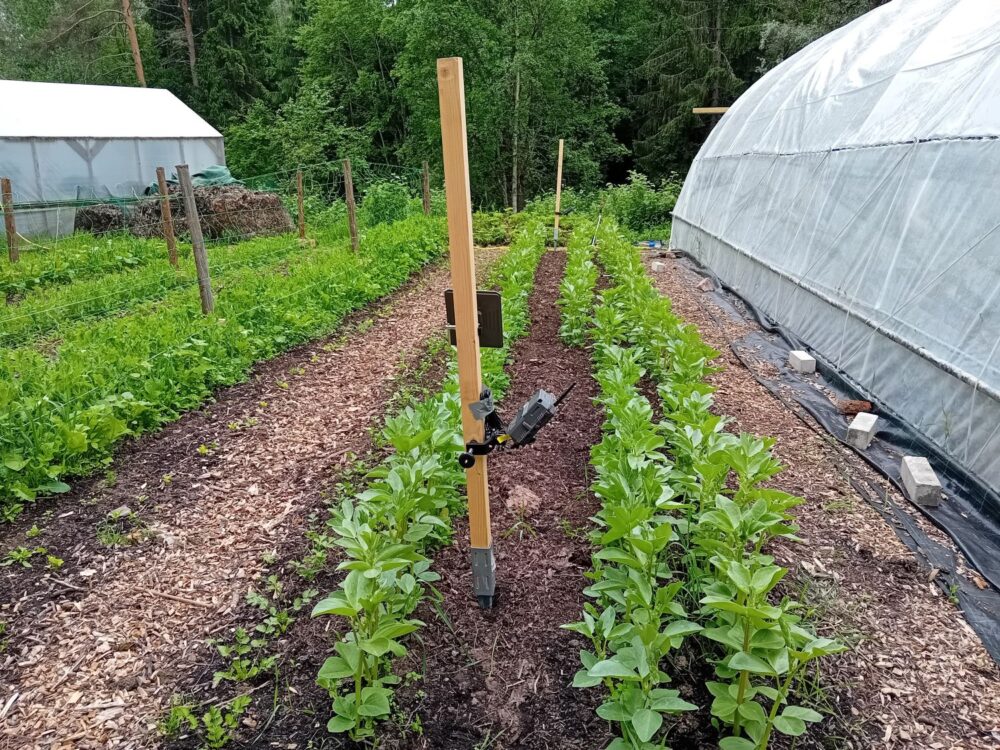
Whatever the result, the integration of technology—the modest trail camera—has provided a clearer window into the field than we have ever had before. I look forward to the coming weeks of analysis with great anticipation. The research continues, and as with all good science, even when the path doesn’t go where you planned, it invariably leads to a place of greater understanding.
Marjaana Toivonen is a researcher focused on the intersection of agricultural productivity and pollinator biodiversity. This project is part of a broader effort to secure the future of Finnish food production through evidence-based ecological management.