There is an unparalleled thrill to the strike—that sudden, violent tug on the line that signals a heavy hitter has taken the bait. For the kayak angler, this moment of contact is the culmination of hours of quiet paddling, strategic positioning, and anticipation. Yet, as any seasoned veteran of the sport will attest, not every fight is destined to culminate in a filet on the dinner plate.
The decision to keep or release a fish is a complex calculus of culinary quality, safety, and ethics. Some species are notorious for their poor flavor profiles, others present significant health risks due to bioaccumulation of toxins, and some are simply too laborious to process within the constraints of a small, unstable kayak cockpit. Understanding which fish to keep—and which to leave in the "drink"—is a fundamental skill that separates the casual hobbyist from the true steward of the water.
The Triad of "Avoidance": Why Some Fish End Up on the Do-Not-Keep List
Generally, the species that anglers frequently bypass fall into three distinct categories. The first are the "mudsuckers," typically found in stagnant or murky freshwater environments. These fish are bottom-feeders that ingest sediment and organic matter, leading to the infusion of geosmin—a natural compound produced by algae and bacteria that leaves the meat tasting like damp earth.
The second category comprises oily, predatory saltwater species. While prized for their fight, their high oil content makes them prone to rapid oxidation, which results in a metallic, sometimes "battery-like" flavor. Finally, there are the "trash fish," a colloquial term for species that are either biologically difficult to clean due to complex bone structures or possess textures that are unappealing to the average palate.
A Quick Reference: The Angler’s "Avoidance" Ranking
| Rank | Species | Primary Issue | Safety Concern | Recommended Action |
|---|---|---|---|---|
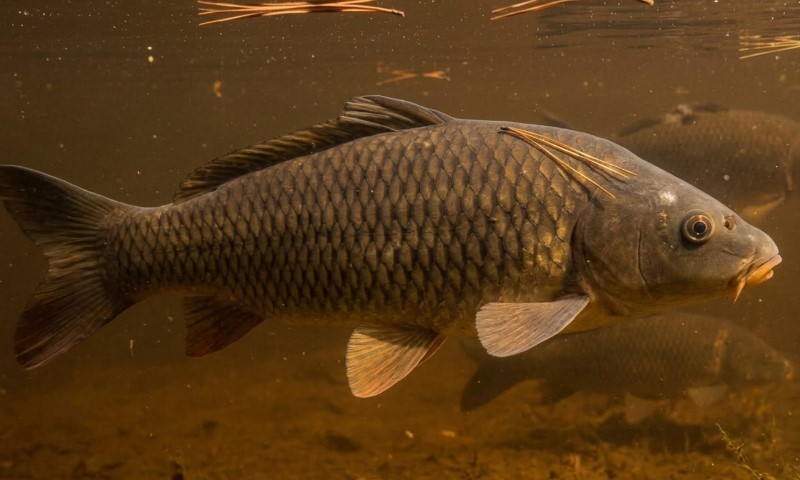
| 1 | Common Carp | Muddy flavor | Contaminants | Release; keep only from clear water |
| 2 | Bowfin | Mushy texture | Handling difficulty | Consume fresh; otherwise release |
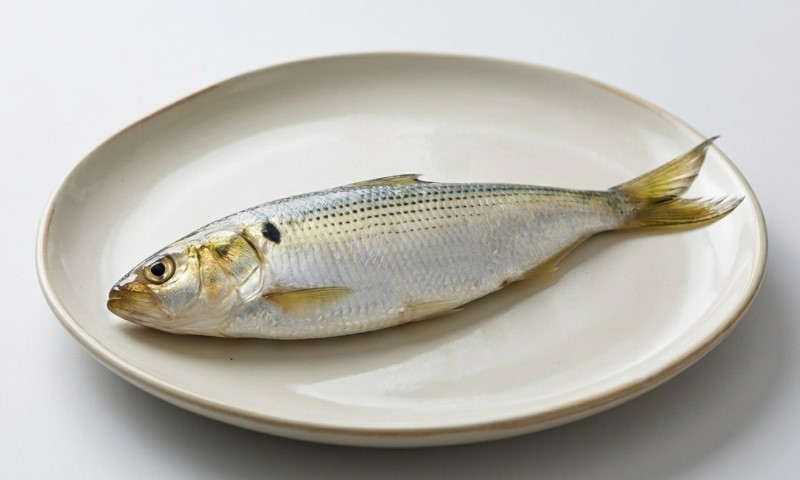
| 3 | Gizzard Shad | Oily/Bony | Rarely table-grade | Use as bait |
| 4 | Large Bluefish | Strong/Fishy | Mercury/PCBs | Bleed, ice, trim dark meat |
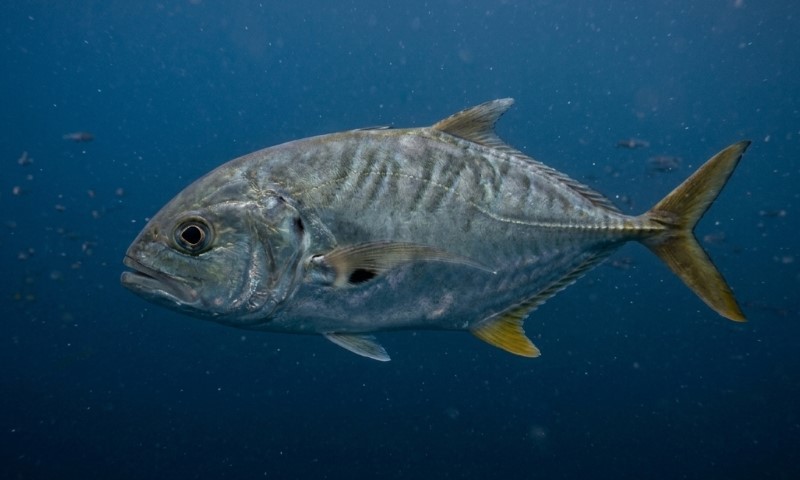
| 5 | Jack Crevalle | Metallic taste | Handling hazards | Keep only small specimens |
| 6 | Bigmouth Buffalo | Coarse/Muddy | Advisory waters | Smoke or grind |
| 7 | Freshwater Drum | Divisive flavor | Mercury advisories | Check local regulations |
| 8 | Large Black Drum | Wormy/Coarse | Parasites | Target "puppy drum" only |
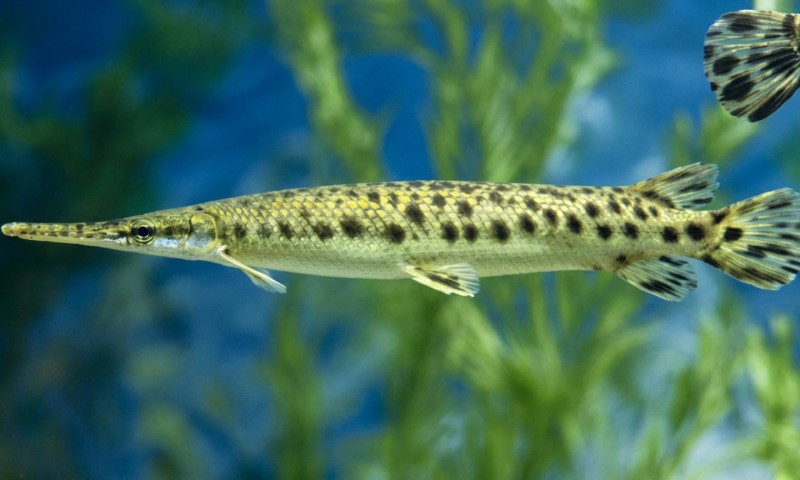
| 9 | Gar | Difficult to clean | Toxic roe | Never consume roe |
| 10 | Barracuda | Flavor variation | Ciguatera toxin | Avoid in reef zones |
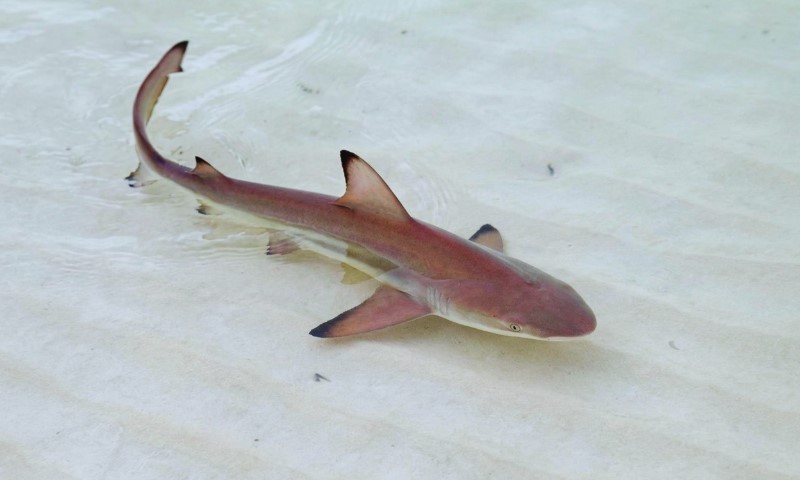
| 11 | Shark | Ammonia profile | Mercury/Spoilage | Generally release |
| 12 | King Mackerel | Strong flavor | High mercury | Avoid large specimens |
The Science of Safety: Official Perspectives
Flavor is subjective, but safety is an empirical matter. While the angler may judge a fish by the "sniff test," federal agencies like the U.S. Food and Drug Administration (FDA) and the Environmental Protection Agency (EPA) operate on a different scale, tracking the invisible, long-term risks of chemical runoff and heavy metals.
The EPA and FDA maintain a "Choice to Avoid" list, which includes apex predators such as swordfish, shark, and king mackerel. Because these species sit at the top of the marine food chain, they accumulate high levels of mercury—a neurotoxin that does not dissipate through cooking. The implication for the angler is clear: while the fight might be glorious, the biological cost of consumption is high.
Furthermore, environmental research from institutions like DTU Food highlights that even when a fish is non-toxic, its environment dictates its culinary viability. Geosmin, while harmless, renders a fish virtually inedible. Consequently, a fish that is a delicacy in a pristine mountain stream may be a culinary catastrophe if harvested from an urban drainage pond.
Species-Specific Breakdowns: Handling the Difficult Catch
1. Common Carp: The Environmental Filter
Carp are biological mirrors of their habitat. Because they sift through bottom sediment, their flesh is often tainted by the surrounding environment. Beyond the flavor profile, the carp is infamous for its "Y-bone" structure, which makes filleting a technical challenge. For the kayak angler, the "slime factor" is a practical deterrent; the thick mucus coating of a carp can easily contaminate a kayak’s pedals and electronics. If you must harvest, smoking is the preferred method to mask the earthy notes.
2. Bowfin: The Prehistoric Paradox
The bowfin is a survivor, but its meat is fragile. Enzymes in the muscle fibers begin to degrade immediately upon death, leading to a "mushy" texture if not stored on ice within minutes. In a kayak, where space for coolers is limited, the bowfin often becomes a liability. Furthermore, their razor-sharp teeth and aggressive, snake-like thrashing make them a genuine hazard to the angler’s hands and gear.
3. Large Bluefish: The Oily Adversary
Bluefish are prized by sport fishers for their aggressive, sustained fights. However, their high oil content means they spoil rapidly. To make bluefish palatable, an angler must perform an immediate "field bleed" to remove the dark, oily lateral line. In a small kayak, this creates a "crime scene" of blood and oils that is difficult to sanitize, making it a logistical nightmare for a simple day trip.
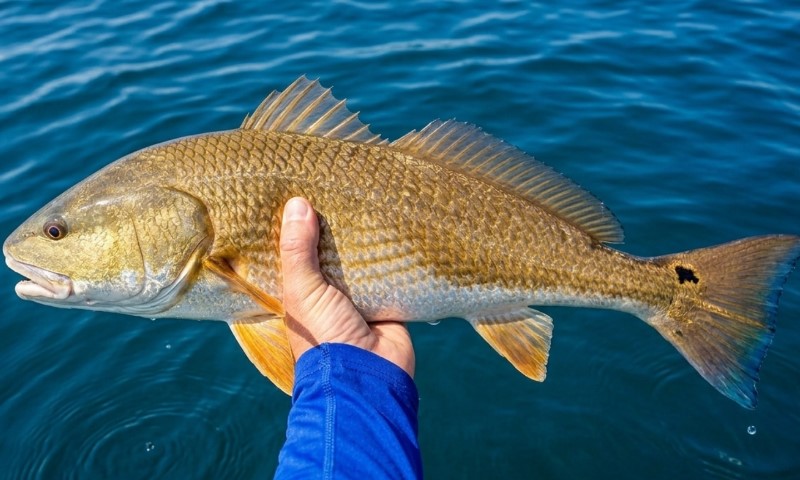
4. Jack Crevalle: The Pound-for-Pound King
The Jack is arguably the toughest fighter in the inshore world. However, its dark, bloody, and metallic-tasting flesh is rarely considered a gourmet treat. The consensus among experts is the "under 5-pound rule." Smaller jacks are manageable, but the large bulls are better left to fight another day.
5. The "Big" Pelagics: Mackerel, Marlin, and Swordfish
Large pelagic fish represent a significant health risk due to scombroid poisoning. This occurs when bacteria in the meat produce histamines during the spoilage process, leading to severe allergic reactions. For the kayak angler, the logistical challenge of icing a 50-pound fish to the required temperature makes these species ill-suited for the kayak harvest.
Implications for the Modern Kayak Angler
The evolution of modern kayak fishing has provided us with better tools—GPS, high-end electronics, and refined gear—but it has also placed a greater burden of responsibility on the angler. We are no longer just catching fish; we are managing the health of the ecosystems we traverse.
Ethical Stewardship
Ethical angling extends beyond simply following local fishing regulations. It is about understanding the impact of one’s presence. When an angler chooses to release a fish they are not equipped to process, they are contributing to the longevity of the local population. A "catch-and-release" day is not a failure; it is a conscious decision to respect the resource.
The "Trash Fish" Evolution
There is a growing movement in the angling community, often called the "Rough Fish Revolution," which encourages anglers to reconsider species like the Bigmouth Buffalo or the common carp. When prepared correctly—scored to handle the bones, and smoked or pressure-cooked to break down the texture—many of these "trash fish" are proving to be sustainable, underrated sources of protein. However, this requires a level of culinary preparation that goes beyond the standard fillet-and-fry.
Conclusion: A Call for Mindful Harvesting
The transition from a casual paddler to a responsible, expert angler is defined by the ability to distinguish between a "catchable" fish and a "harvestable" one. The water is a shared resource, and the intimacy that kayak fishing provides allows us a unique vantage point into the health of our lakes and oceans.
Before your next outing, take the time to cross-reference your target species with local consumption advisories. Ensure you have the equipment—proper ice, sharp knives, and, most importantly, the knowledge—to process your catch ethically. If you find yourself unable to properly handle a fish or if you are unsure of the safety of the waters, let it go. There is no shame in returning a fish to the water, but there is significant risk in harvesting a fish that doesn’t belong on your dinner table.
Respect the fight, value the resource, and paddle with purpose. Whether you bring home a prize or simply the memory of a hard-fought battle, you are playing a vital role in the future of the sport. Happy paddling, and keep your lines tight.