As the snowpack in the high country continues its final retreat, the Clark Fork River has settled into its most inviting phase of the year. For the team at Montana River Guides, the transition marks the end of a rigorous spring training cycle and the official kickoff to a season of recreational whitewater excellence. With the Alberton Gorge currently flowing at an ideal 4,000 cubic feet per second (CFS), the river has transformed into a playground for both adrenaline-seekers and families alike, signaling a robust summer tourism season for the Missoula region.
Main Facts: The State of the Alberton Gorge
The Alberton Gorge is widely considered the crown jewel of Western Montana’s whitewater scene. Located just a short drive from Missoula, this stretch of the Clark Fork River offers a unique combination of accessibility and intensity. Currently, the river is operating at 4,000 CFS, a flow rate that hydrologists and river guides agree is the “sweet spot” for summer rafting.
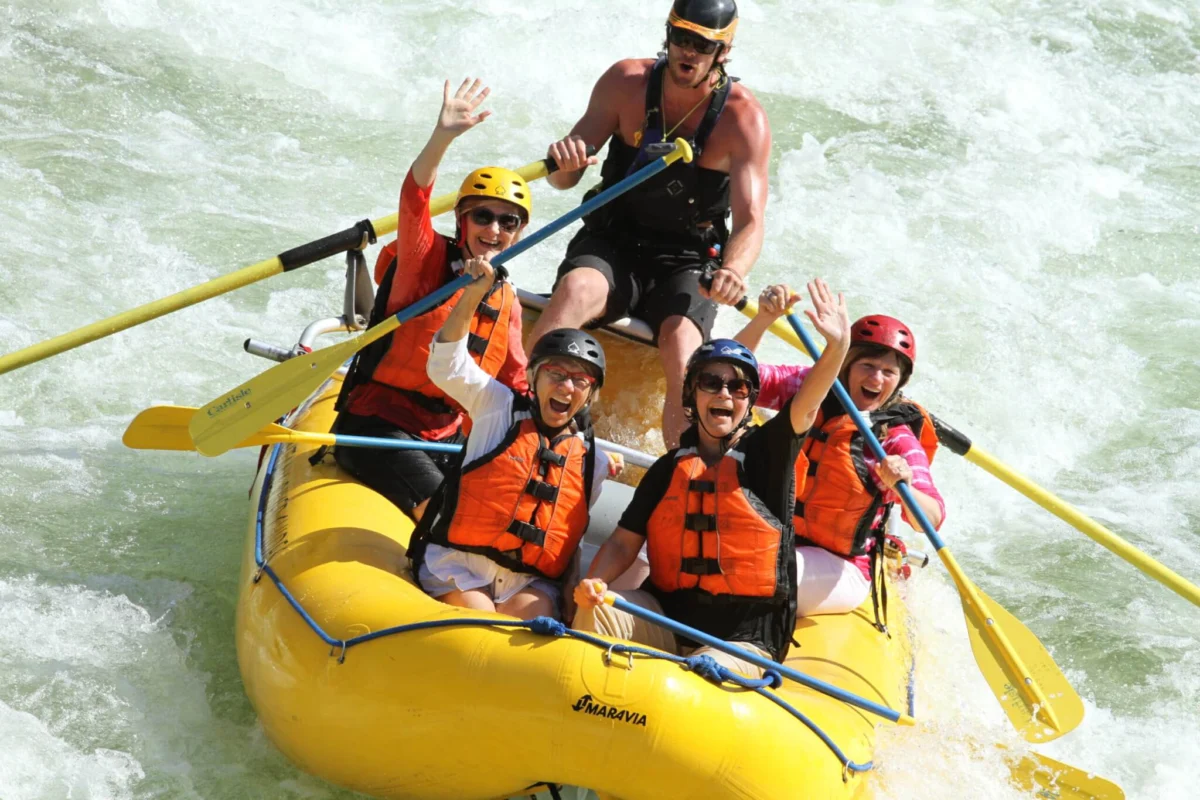
At this volume, the river is manageable for families while remaining punchy enough to provide the thrills that define the region’s reputation. Iconic rapids such as Tumbleweed and Fang are currently providing consistent excitement, frequently testing the balance of paddlers and occasionally sending a few overboard—an expected and welcomed part of the whitewater experience. Meanwhile, as water levels stabilize, the upper reaches of the gorge are revealing more technical rock features, adding a layer of complexity that keeps the experience fresh for even the most seasoned local kayakers.
A Chronology of the 2024 Season
The progression of the current season follows a well-defined arc that mirrors the natural hydrology of the Clark Fork.
- Early Spring (March–May): Montana River Guides focused primarily on technical education. This period was dedicated to Swiftwater Rescue classes, where professional guides and emergency responders honed their skills in high-water conditions. These courses are essential for maintaining the safety standards that allow for professional commercial operations later in the year.
- Late Spring/Early Summer (June): As runoff began to taper, the river transitioned from “high-water” status to the current, more predictable summer flow. This shift allowed for the opening of the full commercial rafting schedule, transitioning the focus from technical rescue training to guest-oriented tourism.
- Mid-to-Late Summer (July–August): The current phase represents the peak of the recreational season. Daily guided rafting trips and scenic kayaking tours are now the primary operations.
- Late Summer (August/September): The season will conclude with a pivot back toward specialized education, specifically the Swiftwater Spill Response classes, which prepare environmental professionals for hazardous material scenarios in aquatic environments.
Supporting Data: Understanding the Flow
To the uninitiated, 4,000 CFS might sound like an abstract metric, but in the context of the Clark Fork, it is the key indicator of a successful season. Water flow is measured by the U.S. Geological Survey (USGS) gauges, and these metrics serve as the primary decision-making tool for the guides.
"The volume of water dictates the strategy," says a representative from Montana River Guides. "At 4,000 CFS, the hydraulic features are well-defined. The eddies are large enough to be safe, yet the current is fast enough to ensure that the trip remains engaging."
Furthermore, the emergence of rocks in the upper gorge is a natural consequence of the falling water levels. As the volume decreases, the riverbed morphology changes, forcing rafts and kayaks to navigate narrower channels. This requires a higher degree of technical precision from the guides, ensuring that guests are kept safe while still experiencing the thrill of a technical river line.
Professional Insights: Safety and Stewardship
A hallmark of Montana River Guides is their unwavering commitment to safety. Even as the river becomes "friendlier," the guiding team maintains strict protocols. Every commercial trip begins with a comprehensive safety briefing, covering everything from the correct way to hold a paddle to the physics of self-rescue in the event of a swim.
"We tell our guests that the river is a living entity," notes the operations team. "We encourage everyone to wear the right gear—PFDs, helmets, and appropriate footwear—but more importantly, we cultivate a culture of looking out for one another. Whitewater rafting is a team sport."
This culture of safety extends beyond the commercial guests to the broader paddling community in Missoula. By maintaining a constant presence on the river and sharing real-time data regarding water conditions, Montana River Guides acts as a hub for river intelligence in the region, helping independent paddlers stay informed about hazards and flow changes.
Implications for the Future: Swiftwater Spill Response
While the summer is defined by tourism, the impact of Montana River Guides extends into the realm of public safety and environmental protection. Later this summer, the company will leverage their expertise to host specialized Swiftwater Spill Response classes.
This training is not for the casual vacationer; it is a critical certification for those involved in industrial and environmental safety. The curriculum is divided into two distinct phases:
- Day One: The Foundation. Students review the basics of swiftwater rescue, including knot-tying, mechanical advantage systems, and victim retrieval techniques. This day ensures that every participant is comfortable in moving water before the complexity of hazardous material management is introduced.
- Day Two: Deployment in Wastewater. The second phase involves the practical application of spill response equipment. Students learn how to deploy containment booms, skimmers, and absorbent materials in a river environment. This is a vital skill for responders tasked with protecting aquatic ecosystems in the event of a commercial or industrial accident.
The implication here is clear: by educating professionals on how to navigate the river safely, Montana River Guides is contributing to the overall resilience of the Clark Fork watershed.
The Economic and Social Impact on Missoula
The presence of a professional guiding service like Montana River Guides has a ripple effect on the local Missoula economy. By providing high-quality outdoor experiences, the company attracts tourists from across the country, many of whom contribute to the local hospitality, dining, and retail sectors.
Moreover, the emphasis on "scenic kayaking" alongside high-octane rafting ensures that the river is accessible to a wider demographic. Scenic tours allow for a more contemplative experience, ideal for families with young children or those looking to photograph the stunning geography of the Alberton Gorge without the intensity of Class III rapids.
As the season progresses, the synergy between the professional guiding community and the river itself continues to flourish. Whether it is through the adrenaline-fueled joy of navigating a rapid or the quiet reflection of a scenic paddle, the Clark Fork remains a vital component of the Montana identity.
Conclusion: Planning Your Adventure
For those looking to experience the Clark Fork, the current conditions are as good as they get. The water is warm, the rapids are active, and the professional guidance provided by the team at Montana River Guides ensures a safe and memorable experience.
Those interested in booking a trip—whether it be a full-day rafting adventure or a peaceful scenic kayak tour—are encouraged to reach out to the team early to secure their spots. As the heat of the summer peaks, the river is undoubtedly the best place to be in Montana.
For the professional responder or environmentalist, the upcoming Swiftwater Spill Response classes offer a unique opportunity to gain elite-level training in a world-class environment. By bridging the gap between recreational fun and technical expertise, Montana River Guides continues to be a leader in the outdoor industry, fostering a deep respect for the water that sustains the Missoula community.
The river is calling, and with the Alberton Gorge at its summer peak, there has never been a better time to answer. For more information on upcoming classes, daily tours, and current flow reports, visit the official Montana River Guides website and prepare for your next great Montana adventure.