For years, the modern traveler’s status symbol was unmistakable: the sleek, minimalist hard-shell suitcase with the subtle, debossed logo of a premium travel brand. For many, that brand was Away. Its meteoric rise turned luggage from a utilitarian necessity into a lifestyle accessory. However, a new challenger has emerged, forcing even the most loyal brand evangelists to reconsider their allegiance.
Quince, the direct-to-consumer retailer known for its "luxury for less" business model, has launched an expandable luggage line that is sparking a fierce debate among frequent flyers. Is it possible to get the same durability, aesthetic, and functionality of a high-end suitcase for nearly half the price? After months of testing, the answer is leaning toward a resounding yes.
The Core Comparison: Why the Market is Shifting
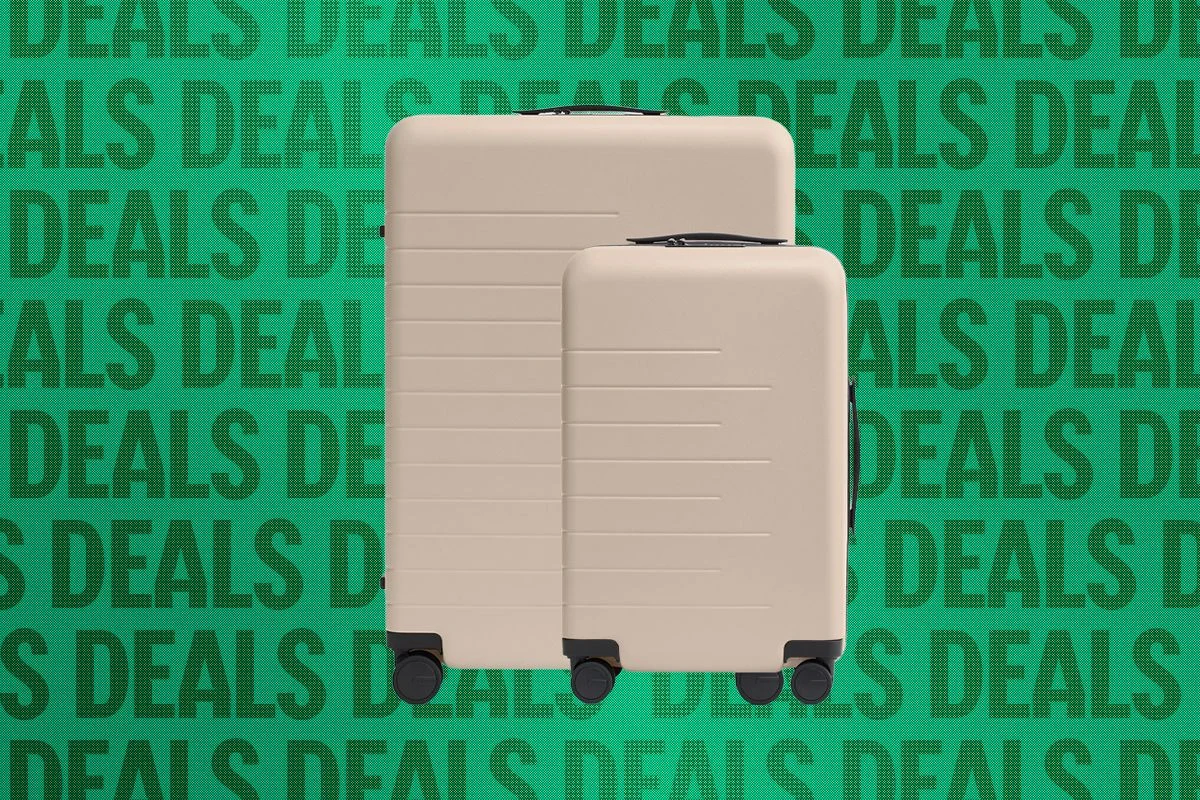
The primary draw of Quince’s travel collection is its aggressive pricing strategy. A bundle featuring an expandable carry-on and a large check-in suitcase currently retails for $270. To put that in perspective, purchasing comparable "Flex" models from a market leader like Away would require a financial commitment of over $750.
This discrepancy isn’t just a matter of marketing; it represents a fundamental shift in how consumers perceive value in the luggage category. For the average traveler, the core requirements are simple: the bag must survive the rigors of baggage handling, it must be easy to maneuver, and it must offer enough internal organization to make packing efficient. Quince’s design team has clearly prioritized these features, mirroring the industry standards set by premium incumbents while stripping away the "brand tax."
A Chronology of the "Dupe" Revolution
The journey toward this shift didn’t happen overnight. It began with the democratization of manufacturing.
- 2015–2018: The "Away Era" begins. The company successfully identifies a gap in the market for premium, tech-integrated, and aesthetically pleasing luggage. It sets the blueprint for the direct-to-consumer (DTC) travel space.
- 2019–2021: Consumers become more discerning. As the market saturates, shoppers start looking for ways to achieve the same look—the "minimalist aesthetic"—without the $300+ price tag for a single carry-on.
- 2022: Quince expands its portfolio beyond Mongolian cashmere and silk. Having mastered the art of supply chain transparency, the brand enters the travel category, starting with soft goods like neoprene duffles and toiletry kits.
- 2023–2024: The launch of the hard-shell expandable line. The company applies its model to the hardshell suitcase market, utilizing high-quality polycarbonate and reputable manufacturing processes to challenge the status quo.
The "stress test" for this gear occurred in real-world environments. For instance, testing these bags during intensive wellness retreats—where gear is handled, packed, unpacked, and hauled through various transport hubs—revealed that the structural integrity of the Quince luggage is functionally indistinguishable from its more expensive counterparts.
Supporting Data: The Anatomy of the Suitcase
When placed side-by-side, the similarities are striking. Both Quince and its premium competitors utilize high-grade polycarbonate shells, 360-degree silent-run spinner wheels, and TSA-approved combination locks.
| Feature | Quince Expandable Set | Premium Industry Average |
|---|---|---|
| Material | Polycarbonate | Polycarbonate |
| Wheels | 360° Spinner | 360° Spinner |
| Lock | TSA-approved | TSA-approved |
| Warranty | Lifetime | Lifetime |
| Bundle Price | $270 | ~$750 |
The weight metrics are particularly compelling. Quince’s luggage is often marginally lighter than the industry standard, a critical factor for travelers looking to avoid overweight baggage fees at the airport. Furthermore, the internal capacity—especially when the expansion zipper is engaged—provides travelers with a measurable advantage. In comparative packing tests, the Quince Large Check-In offered slightly more usable volume, allowing for extra gear without compromising the bag’s structural balance.
The Design Philosophy: Minimalist vs. Anonymity
There is a distinct design language common to modern travel gear: rounded corners, a matte finish, and a lack of exterior pockets. Both Quince and its rivals adhere to this. However, Quince takes the minimalist approach a step further by opting for virtually no branding.
For the aesthetic purist, this is a win. For the harried traveler standing at a baggage carousel, however, it presents a unique challenge: the "black bag" syndrome. While the lack of a flashy logo is elegant, it makes identifying your bag amidst a sea of similar-looking luggage difficult. Both brands mitigate this by offering a wide spectrum of colors, but the choice becomes more about personal style than brand identification.
Market Implications: The End of the Brand Premium?
The entry of Quince into the luggage market signals a broader trend: the "premiumization" of the middle market. Retailers are increasingly leveraging data and direct-to-factory relationships to provide high-end goods at accessible price points.
This creates a significant problem for legacy premium brands. If a consumer can get a lifetime-warrantied, durable, and stylish suitcase for $140, what is the justification for charging $325 for a product that performs the same function? The answer for legacy brands has traditionally been "brand equity" and "community." However, as Quince’s 365-day return policy demonstrates, the service gap is also closing. A 365-day return window is unheard of in the traditional luggage industry, where 30 to 100 days is the norm. This shift forces competitors to either innovate on features or lower prices—both of which ultimately benefit the consumer.
The Future of Travel Gear
As we look toward the future of travel, the emphasis is moving toward modularity and sustainability. Quince has already begun to signal its next moves, with the introduction of recycled nylon compression packing cubes and Italian leather travel pouches. By creating a cohesive ecosystem of travel accessories that integrate perfectly with their luggage, they are building a brand experience that extends beyond the suitcase itself.
The "suspicious amount of trust" that loyalists are now placing in these newer brands is a testament to the fact that consumers are no longer interested in paying for the story behind the product if the product itself doesn’t offer a functional advantage.
Final Verdict: Is It Time to Switch?
If you are currently in the market for a new set of luggage, the math is difficult to ignore. Quince provides a high-quality, durable, and aesthetically pleasing alternative to the established giants of the industry. The cost-to-performance ratio is, quite simply, superior.
While brand loyalty can be a source of comfort—especially for anxious travelers who find solace in the familiar sight of a specific logo at baggage claim—the reality of the market is that the "Away" experience is no longer unique. It is a design standard. And now, that standard is available at a price point that leaves more room in the budget for the actual trip.
Whether you are a frequent business traveler or a casual vacationer, the message is clear: do your research, ignore the brand hype, and look for the manufacturer that provides the best warranty, the most durable materials, and the most flexible return policy. As it stands, that criteria leads directly to the doors of newer, more agile retailers. The era of the $400 carry-on may not be over, but its dominance is certainly being challenged.