By Elina Juva
September 10, 2026
The crisp, invigorating air of early September served as the perfect backdrop for a milestone in the history of Suomen Luonto. On the first Saturday of the month, fifteen eager subscribers gathered at the Bakunkärri nature trail parking lot in Sipoonkorpi National Park. This assembly marked the launch of the inaugural "Suomen Luonto Club" excursion—a new initiative designed to bridge the gap between magazine journalism and practical, hands-on outdoor engagement.
Foraging, once a survival necessity, has evolved into a meditative, educational, and deeply rewarding hobby for modern Finns. Led by expert biologist and keruutuoteneuvoja (wild food consultant) Anna Nyman, the group embarked on a journey to demystify the complex fungal landscape of the Finnish forest.
The Fundamentals: Bridging Theory and Practice
Setting the Scene
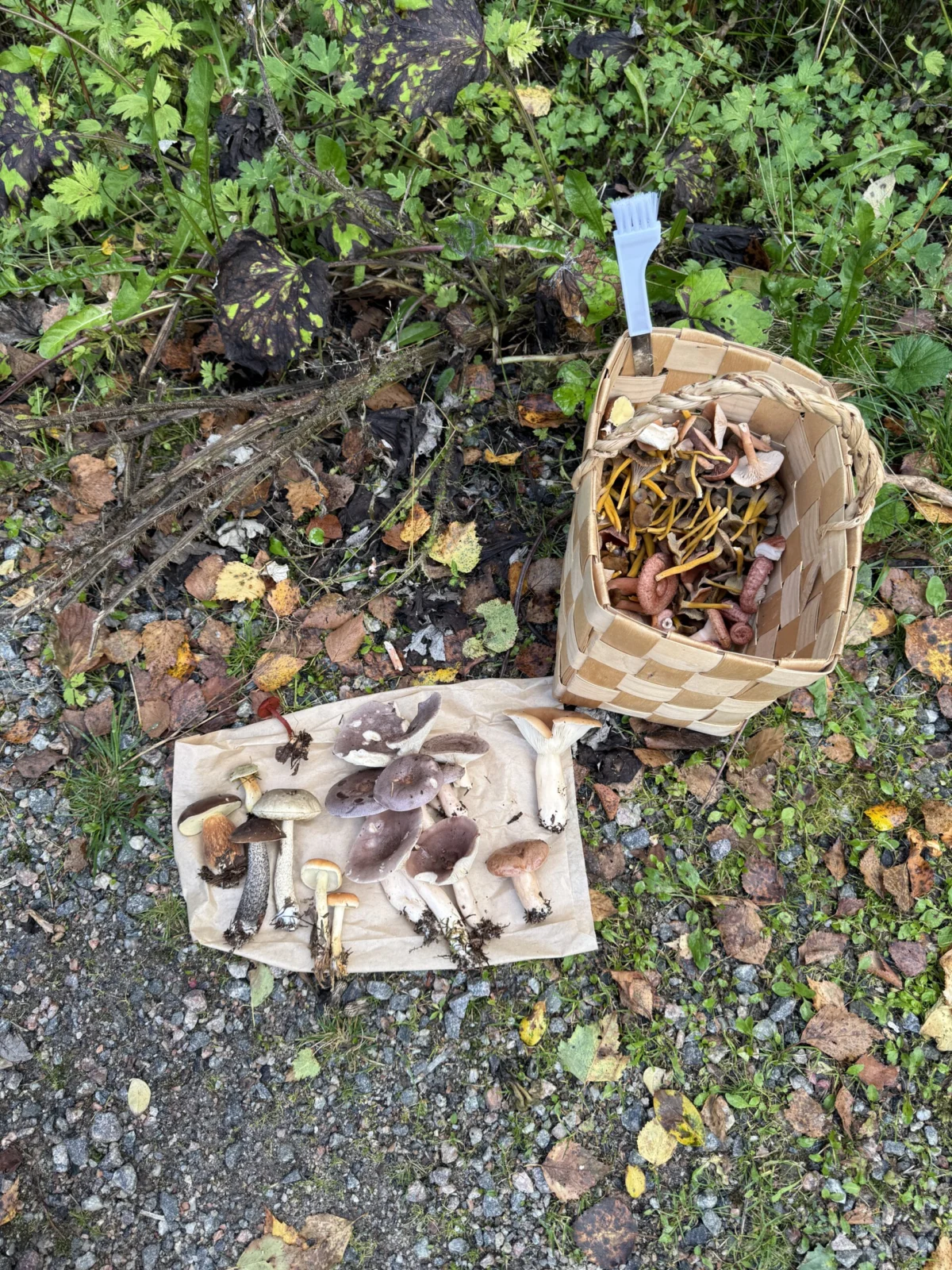
Before stepping into the dense undergrowth, Nyman established a crucial foundation. Recognizing that the group’s expertise ranged from absolute novices to seasoned enthusiasts, she curated a pop-up mushroom exhibition along the trail. This "classroom in the woods" featured a diverse array of specimens, from the delicate Hapero (Russula) to the robust Rousku (Lactarius).
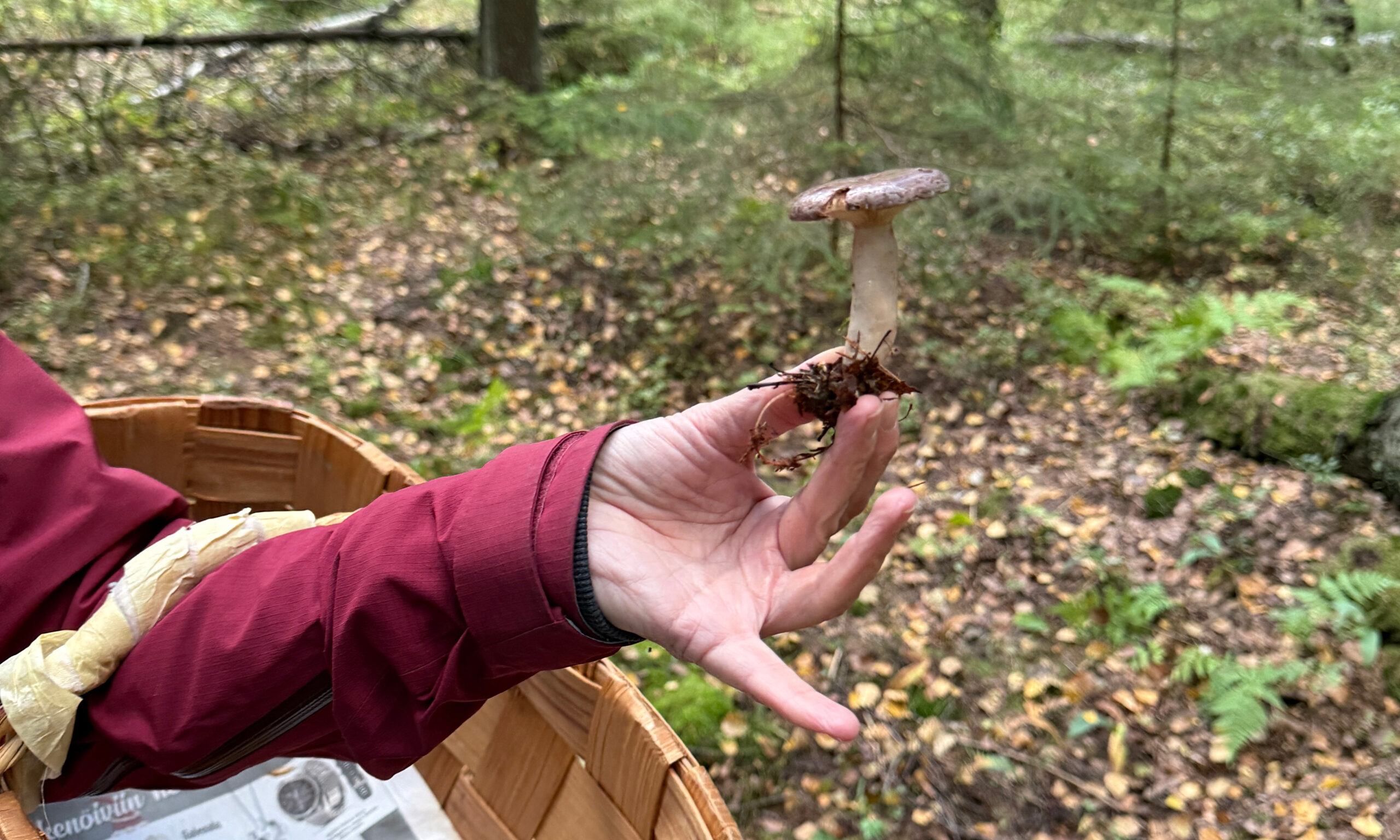
The objective was simple but essential: sensory immersion. Participants were encouraged to handle, smell, and observe the specific identifying features of various species. By placing the mushrooms side-by-side with clear labels, Nyman provided a controlled environment for learning before the "treasure hunt" began.
The Golden Rule of Foraging
Throughout the session, the most critical mantra of mycological study was reiterated: If you cannot identify a mushroom with 100% certainty, do not consume it.
Nyman emphasized that while the forest is a bountiful larder, it is also a place of hidden dangers. She pointed out specific, potentially lethal species—such as the deadly white amanita (valkokärpässieni)—and highlighted common "lookalikes" that can trap the unwary. This pedagogical approach ensured that the excitement of finding a mushroom was always tempered by the discipline of identification.
A Chronology of the Expedition
The three-hour event was structured to move from observational learning to active, guided application.

- 13:00 – 14:00: The Exhibition Phase. The group convened at the trailhead. Nyman guided participants through the morphology of gilled mushrooms, explaining the significance of cap shape, stem structure, and spore color.
- 14:00 – 15:30: The Field Search. Participants fanned out along the designated trail corridor. The atmosphere was electric; every discovery prompted a chorus of "Is this edible?" or "Come look at this!"
- 15:30 – 16:00: The Final Review. The group reconvened at the parking lot. In a process known as the "culling of the harvest," Nyman reviewed every single basket. Specimens that were non-edible or unrecognizable were returned to the forest floor, ensuring that only identified, safe, and high-quality edibles made it into the participants’ bags.
Supporting Data: Understanding the Forest’s Yield
While the specific harvest varies by season and region, the Sipoonkorpi excursion yielded a fascinating cross-section of autumn fungi. Understanding these species is vital for any prospective forager.
Commonly Encountered Edibles
The participants found a variety of sought-after mushrooms, including:
- Suppilovahvero (Cantharellus tubaeformis): A late-season favorite, prized for its nutty flavor and ease of drying.
- Sikurirousku (Lactarius camphoratus): Known for its distinct maple-syrup aroma once dried.
- Rusko-orakas (Hydnum rufescens): A firm, meaty mushroom that holds up well in sautés.
- Haaparousku (Lactarius trivialis): A staple in Finnish cuisine, provided it is properly parboiled to remove bitterness.
The "Do Not Touch" List
Nyman highlighted several species during the trip that represent common hazards for beginners:
- Pulkko-sieni (Paxillus involutus): Once thought edible, this is now known to be dangerous if consumed repeatedly. Nyman pointed out that its gills turn dark when pressed, a key diagnostic feature.
- Rustonupikas (Leotia lubrica): Often confused with edible chanterelles, it lacks the true gill structure of the latter.
- Valkokärpässieni (Amanita virosa): The "Destroying Angel," which Nyman used to demonstrate the importance of caution, particularly with young, button-stage mushrooms.
Expert Perspectives: The Role of Technology and Tradition
During the excursion, a discussion arose regarding the use of digital tools versus traditional field guides. Nyman encouraged a "blended approach." While mobile applications can assist in narrowing down a candidate species, they are not infallible.

"Technology is a wonderful assistant," Nyman noted, "but it cannot replace the human eye and the tactile experience of identifying the unique characteristics of a fruiting body."
The group tested this theory by using an app to identify a particularly striking, smooth-surfaced specimen, which was eventually confirmed to be a kangaskääpä. This integration of modern tech with traditional naturalist observation highlights the shifting nature of foraging in the 21st century.
Broader Implications: The Future of Foraging
The success of this inaugural club excursion underscores a growing trend in Finland: the desire for experiential, nature-based education. As urbanization continues, the traditional knowledge of forest resources risks being lost. Events like these serve as a vital link, ensuring that future generations remain connected to the land.
The Social and Environmental Impact
Foraging is not merely about food; it is about stewardship. By teaching participants to leave non-edible fungi intact and to harvest sustainably, the Suomen Luonto Club promotes a respectful interaction with the ecosystem.

Furthermore, the social aspect of the club cannot be overstated. Bringing together fifteen strangers with a shared curiosity creates a community of practice. Participants left not only with a haul of mushrooms but with a renewed sense of belonging to a larger, environmentally conscious movement.
Looking Ahead
The response to the first outing has been overwhelmingly positive. The Suomen Luonto editorial team plans to expand these events, offering more specialized workshops—ranging from berry picking and plant identification to winter tracking.
For those who were unable to attend, the magazine’s digital resources remain an invaluable asset. The "Sienet-digiekstra" (Mushroom Digital Extra) provides comprehensive, high-resolution guides that serve as a perfect companion for those looking to practice their skills independently before the next group event.
Conclusion: A New Tradition
As the sun began to dip behind the pines of Sipoonkorpi, the participants dispersed, many already planning their next weekend outing. For one attendee, the highlight was learning to process haaparousku for a dip—a practical application of nature’s bounty that transforms a walk in the woods into a culinary experience.
The inaugural excursion was more than a workshop; it was a testament to the enduring appeal of the Finnish wilderness. By prioritizing safety, scientific accuracy, and the simple joy of discovery, the Suomen Luonto Club has set a high bar for future endeavors. Whether you are a seasoned mycologist or a curious beginner, the message is clear: the forest is waiting, and there is always more to learn beneath the canopy.
Are you ready to deepen your connection to nature?
As a subscriber to Suomen Luonto, you receive full access to our digital archives and priority booking for upcoming Suomen Luonto Club events. Join our community of nature lovers today and help support expert, independent environmental journalism.
[Join the Suomen Luonto Club Here]