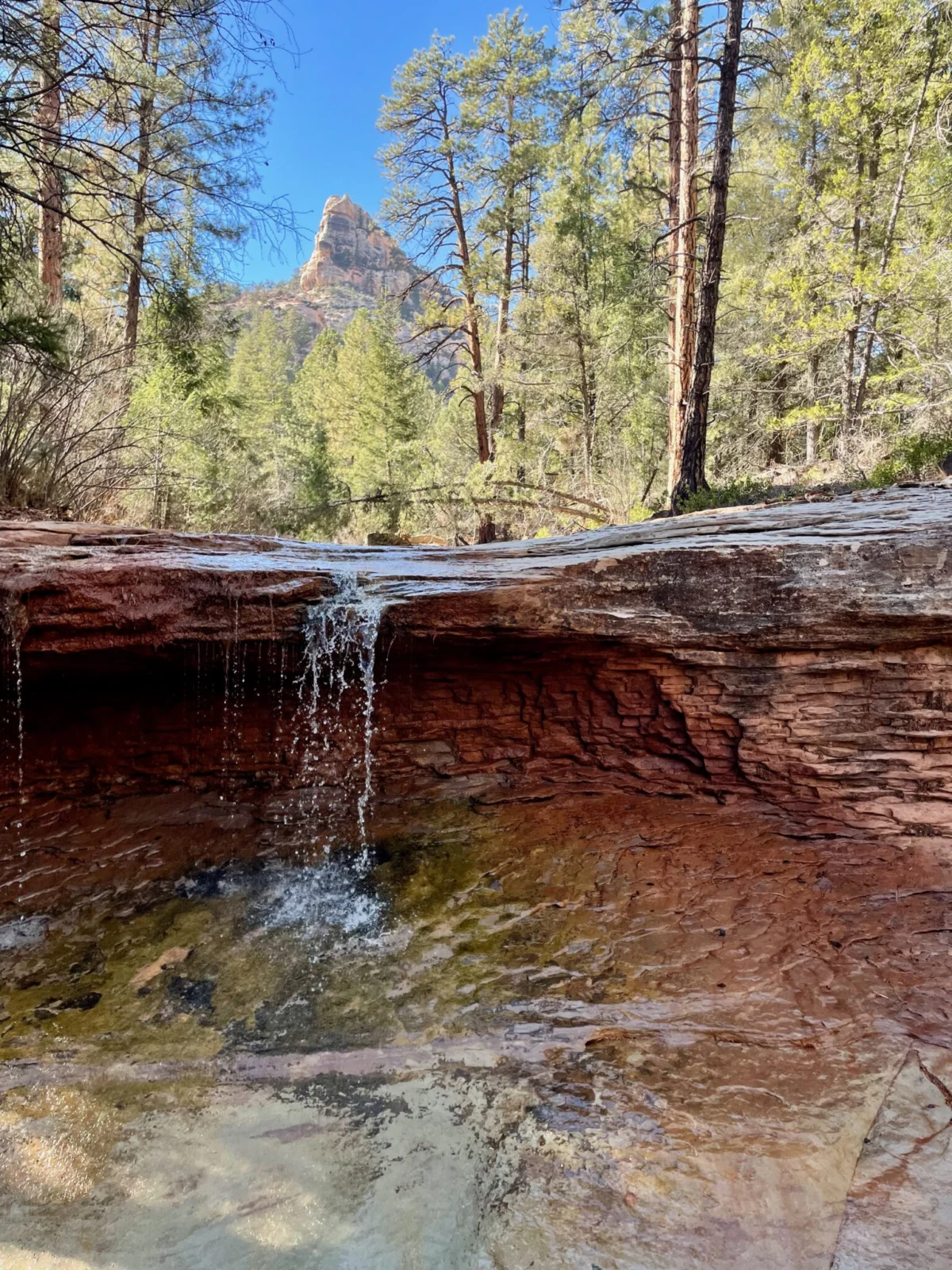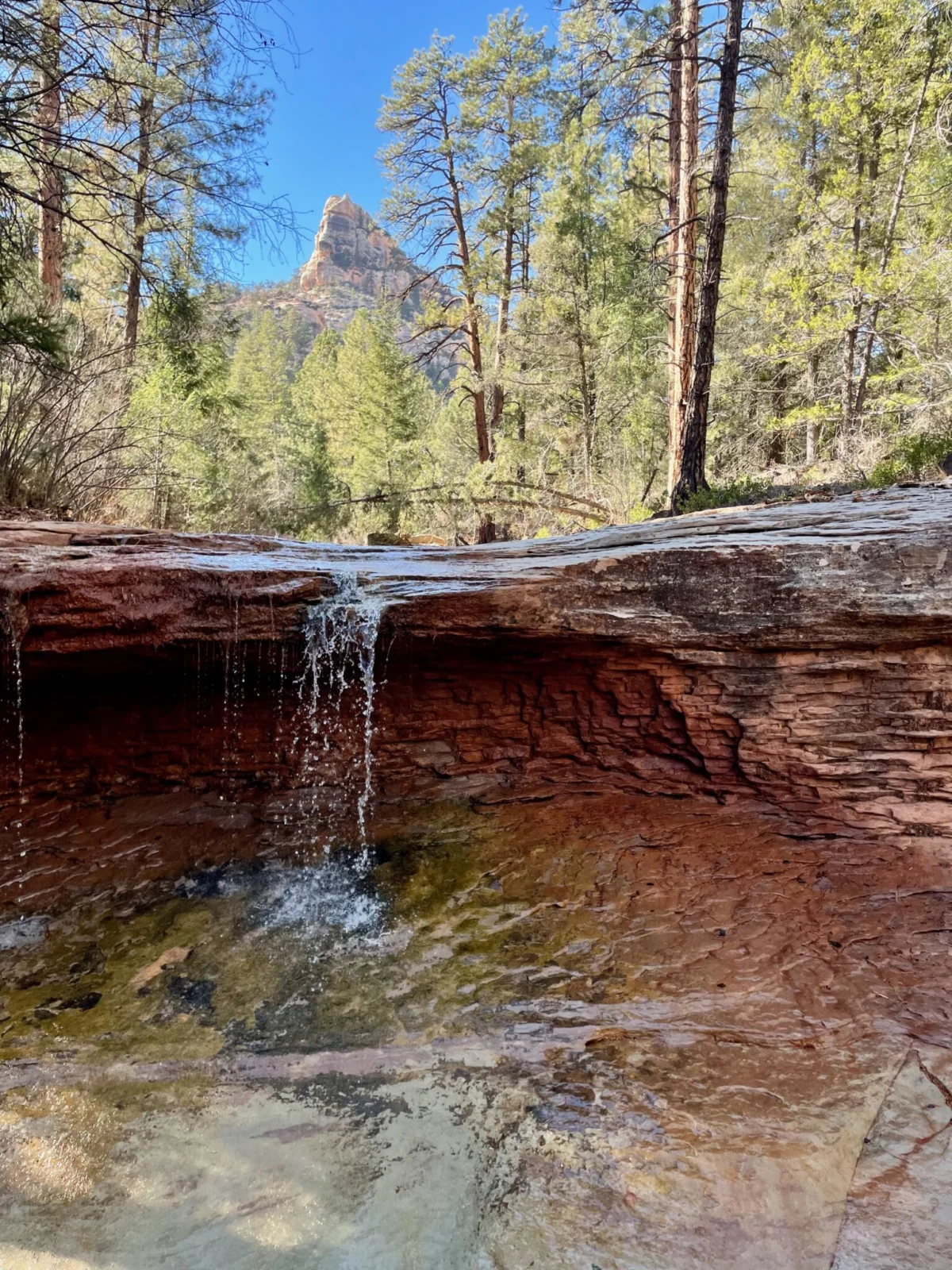
For over half a century, the Endangered Species Act (ESA) has stood as the bedrock of American conservation. Signed into law in 1973 with overwhelming bipartisan support, it was designed to be the ultimate safety net, preventing the permanent loss of the nation’s biological heritage. However, a recent and controversial administrative shift has sent shockwaves through the scientific and conservation communities. By redefining the legal definition of "harm" to exclude the degradation of habitat, the government has inadvertently pulled the rug out from under the very protections that have brought iconic species back from the brink.
The Evolution of "Harm" and the Erosion of Protection
At the heart of this controversy lies a semantic shift with profound ecological consequences. Historically, the ESA’s prohibition against "harming" a protected species has been interpreted by the U.S. Fish and Wildlife Service (USFWS) to include significant habitat modification. This was a common-sense legal interpretation: you cannot realistically protect an animal if you allow its home—the source of its food, shelter, and breeding grounds—to be destroyed.
The Supreme Court has previously affirmed this interpretation, recognizing that habitat is the fundamental prerequisite for survival. By narrowing the definition of "harm" to exclude habitat destruction, the current administration has created a regulatory vacuum. This change effectively grants a "green light" to extractive industries—such as mining, logging, and large-scale infrastructure development—to operate in sensitive areas that were previously off-limits.
A Chronology of Conservation and Conflict
To understand the severity of this policy reversal, one must look at the timeline of the ESA’s implementation and its recent trajectory:
- 1973: The Endangered Species Act is signed into law, establishing a legal framework to protect species and their critical habitats.
- 1980s–2000s: The Fish and Wildlife Service consistently applies the "harm" standard to include habitat destruction, leading to the recovery of species like the Bald Eagle and the Peregrine Falcon.
- 2020–2025: A series of regulatory reviews begins, with various interest groups lobbying to reduce the oversight of private land use and resource extraction.
- August 2026: The administration officially issues new guidance narrowing the definition of "harm," stripping habitat protection from the core enforcement of the ESA.
- Present Day: Conservation organizations, led by groups like American Rivers, mobilize to challenge the ruling, citing the immediate risk to freshwater ecosystems.
The Crisis in Our Rivers: Why Freshwater Species Are Most Vulnerable
While habitat loss is the primary driver of extinction globally, the impact is disproportionately severe for freshwater species. According to data from the World Wildlife Fund (WWF), freshwater biodiversity is declining at a rate significantly higher than that of terrestrial or marine ecosystems.
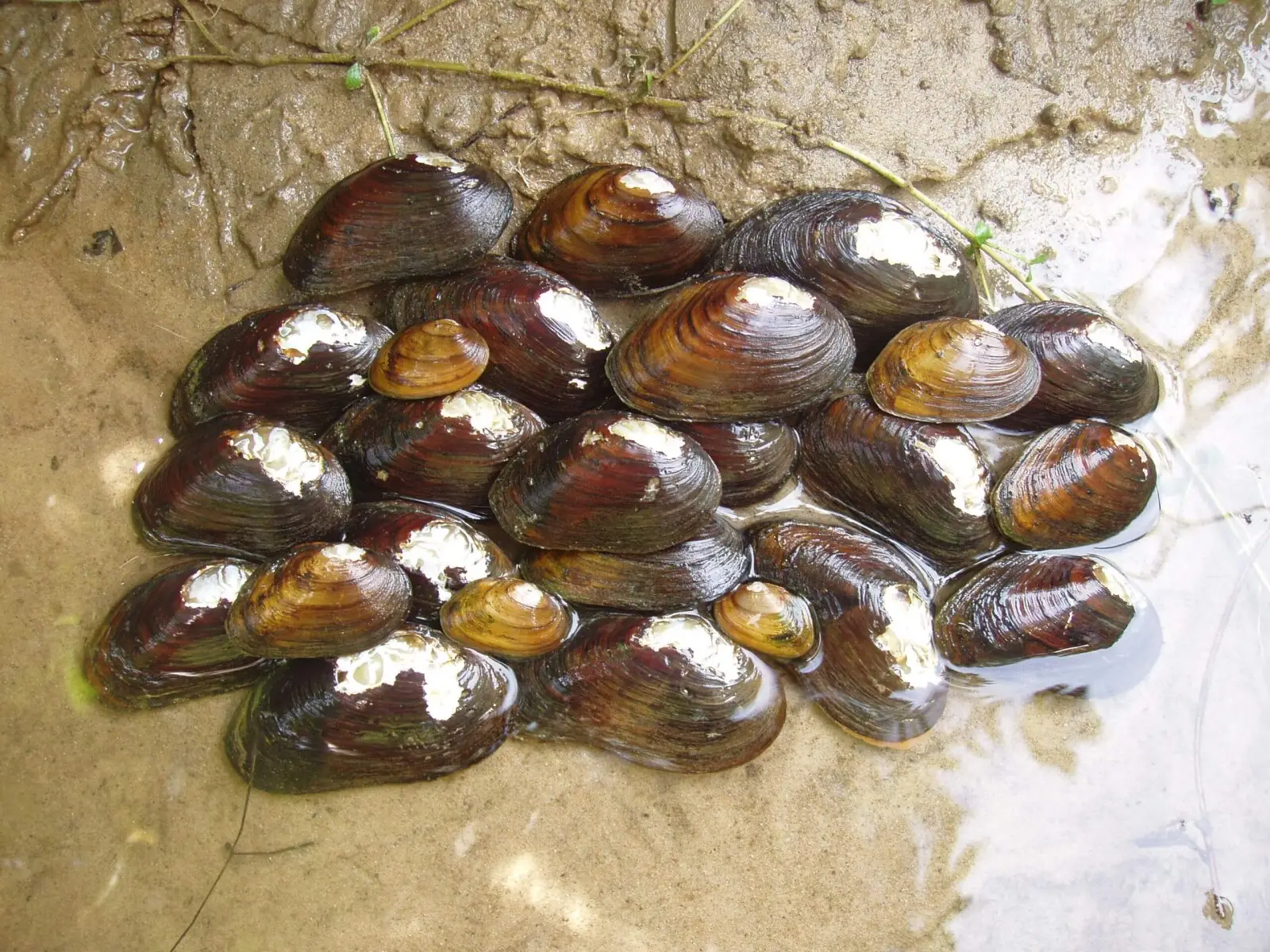
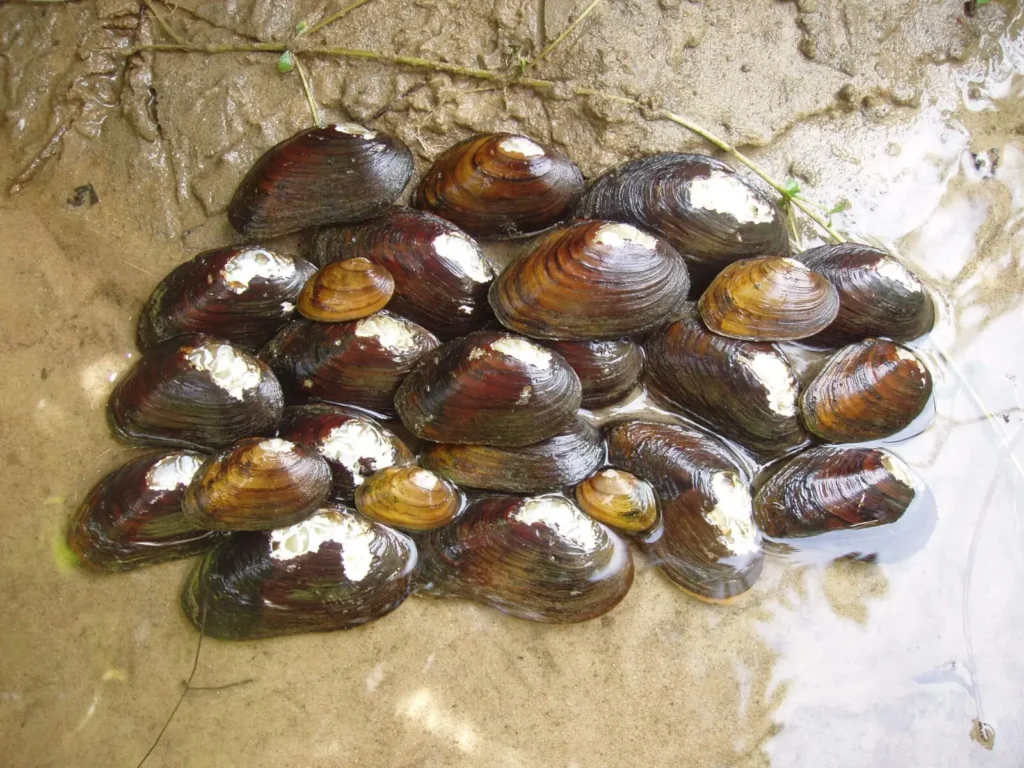
Freshwater mussels are the "canaries in the coal mine" of our river systems. These fascinating, often overlooked creatures are essential to aquatic health. As prolific filter-feeders, a single mussel can process up to 30 gallons of water per day, effectively removing harmful pathogens like E. coli and regulating nutrient levels. Their complex life cycles, which often involve hitching rides on fish hosts to migrate upstream, make them hypersensitive to water quality and flow changes. When a river is dammed, polluted, or silted due to unchecked habitat degradation, the mussels are the first to vanish.
The loss of these species is not just a tragedy for biodiversity; it is a direct threat to human water security. When we destroy the habitats that sustain these natural water-filtration systems, we lose the ecosystem services that provide clean, drinkable water to millions of Americans.
Supporting Data: The Case for Habitat Restoration
The debate over the ESA is often framed as a conflict between economic progress and environmental preservation. However, success stories like the Roanoke logperch suggest that these two goals are not mutually exclusive.
The Roanoke logperch was officially delisted in 2025 after a 36-year recovery effort. This success was not achieved by ignoring habitat, but by prioritizing it. The project involved the locally supported removal of four obsolete dams, which reconnected hundreds of miles of river habitat across Virginia and North Carolina. The restoration was a collaborative effort involving federal, state, and local agencies, all of whom recognized that habitat connectivity was the key to population recovery.
The data is clear: when we protect habitat, species recover. When we allow habitat to be degraded, extinction is the inevitable outcome. With approximately one-quarter of the world’s freshwater wildlife currently at risk of extinction, the timing of this policy shift could not be worse.
Official Responses and the Legal Battleground
The administration’s decision has met with fierce resistance. Representatives from the Department of the Interior have argued that the change is intended to provide "regulatory certainty" and reduce the burden on private landowners. They suggest that the previous definition of "harm" was too broad, creating legal hurdles for legitimate economic development.
Conversely, conservationists and environmental lawyers are preparing for a protracted legal battle. Organizations argue that the new definition violates the original congressional intent of the ESA. They point out that by ignoring the scientific consensus on the importance of habitat, the government is violating its duty to utilize the "best available science" in its decision-making processes.
"This is a fundamental dismantling of the Act’s protective power," says a spokesperson for a leading conservation NGO. "You cannot save the inhabitant while bulldozing the house. It is legally, scientifically, and ethically indefensible."
Implications: The Road Ahead for Biodiversity
The implications of this policy shift are far-reaching. If habitat is no longer protected under the "harm" provision, the USFWS will find it exponentially more difficult to block projects that threaten the survival of species in the wild.
- Increased Extinction Rates: Without habitat safeguards, species with limited ranges—such as those endemic to specific river basins—face a high risk of localized, and eventually global, extinction.
- Ecosystem Instability: The loss of keystone species like freshwater mussels will lead to a cascade of negative effects, including increased water pollution and the loss of biodiversity that supports larger aquatic life.
- Economic Costs of Restoration: It is far more cost-effective to prevent habitat loss than to attempt to restore a degraded ecosystem after a species has already been declared endangered.
- Erosion of Public Trust: By ignoring decades of scientific precedent, the administration risks alienating the public and undermining the bipartisan consensus that has kept the ESA alive for 50 years.
A Call to Action
The fight to protect the Endangered Species Act is, at its core, a fight to preserve the natural systems that sustain us. The rivers that harbor the James River Spinymussel, the Brook Floater, and the Eastern Hellbender are the same rivers that provide our drinking water and support our local economies.

As the legal challenges proceed, the role of public awareness becomes critical. The recent delisting of the Roanoke logperch serves as a powerful reminder of what is possible when we work with nature rather than against it. We have the tools, the scientific knowledge, and the historical roadmap to prevent extinction. What is missing, as evidenced by this recent policy shift, is the political will to prioritize the integrity of the natural world.
Citizens are being urged to speak up for the species that have no voice in the halls of government. Whether through supporting local watershed protection, participating in dam removal initiatives, or advocating for the restoration of the ESA’s robust habitat protections, the actions taken today will determine which species survive into the next century.
The question remains: How will endangered wildlife be saved from extinction if the rivers they live in and depend on are being destroyed? The answer lies not in changing the definitions to suit industrial interests, but in adhering to the fundamental biological truth that a species is only as secure as its habitat. The time to reverse this policy and re-center habitat at the core of the Endangered Species Act is now, before the silent extinction becomes an irreversible reality.