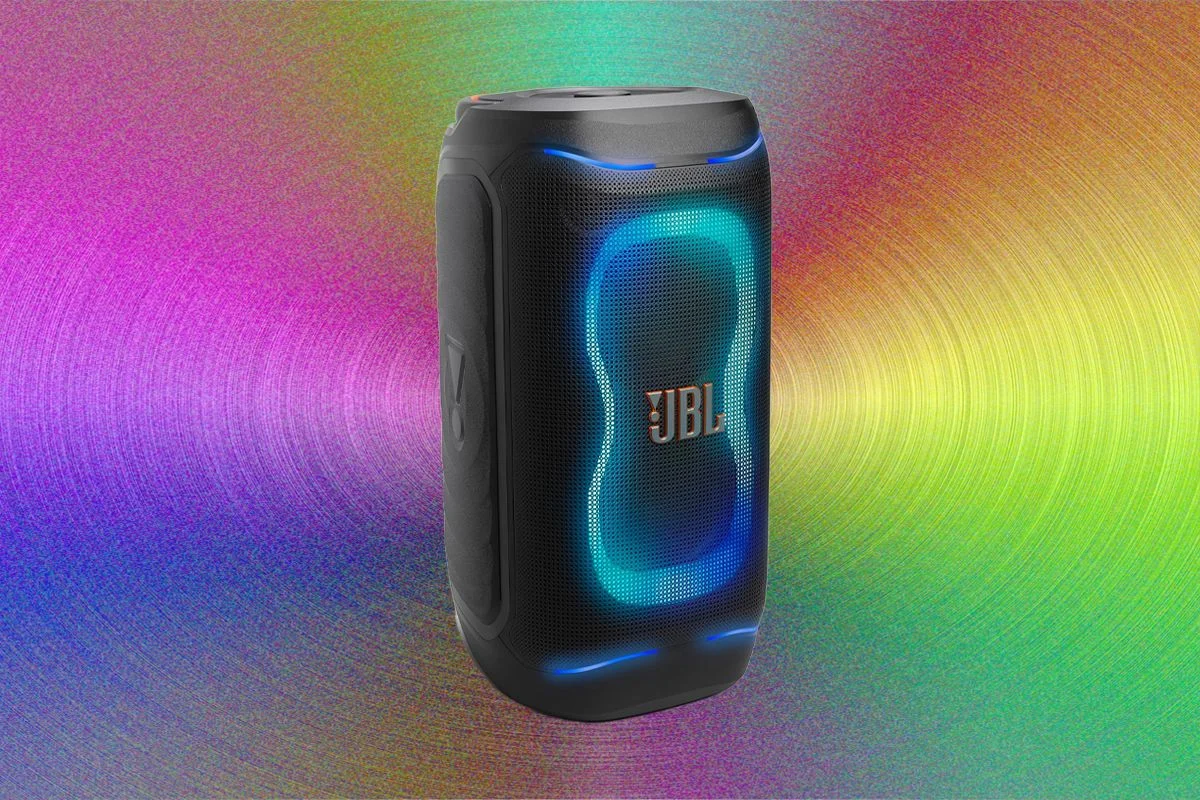
The landscape of social nightlife is undergoing a profound transformation. Where once the weekend ritual centered on crowded bars, sticky-floored nightclubs, and expensive cover charges, a new generation is increasingly choosing to "bring the rave home." This shift has catalyzed the rapid evolution of the "party speaker"—a category of audio equipment that bridges the gap between the high-fidelity home speaker and the rugged, high-output portable PA system.
These devices, defined by their bold aesthetics, aggressive bass profiles, and club-level volume, are reviving the spirit of the 1980s block-party boombox for a digital-native audience. Whether it is an intimate backyard gathering or an impromptu living room dance-off, the modern party speaker is designed to act as the pulsating heart of any social environment.
The Shift Toward Domestic Socializing: Data and Trends
The rising dominance of party speakers is not merely a hardware trend; it is a direct response to changing sociological patterns among younger consumers. According to a July 2026 report by The Harris Poll, the economic barrier to traditional nightlife has become insurmountable for many. The study found that 68 percent of US Gen Z adults view going out as prohibitively expensive.
This economic reality is mirrored by a change in consumption habits. Data from Attest indicates that 64 percent of Gen Z now prefers to drink and socialize primarily at home, a dramatic increase from 42 percent just one year prior. As these younger consumers pivot away from commercial venues, they are investing in "atmosphere-as-a-service." They require audio equipment that is not only loud but versatile enough to handle everything from background dinner music to high-energy, beat-heavy playlists that mimic a professional DJ set.
Anatomy of a Party Speaker: Power, Portability, and Tech
Modern party speakers are high-output Bluetooth devices that occupy a unique space in the consumer electronics market. Unlike conventional wireless speakers, which are designed for personal or desktop listening, party speakers are engineered for "room-filling" and "area-filling" performance.
Key Specifications and Hardware
- Power and Output: Current battery-powered models span a massive range, from 100 to over 800 watts. While raw wattage is a primary indicator of volume, modern manufacturers like JBL and Sony are increasingly using sophisticated Digital Signal Processing (DSP) to achieve higher sound pressure levels (SPL) with lower power consumption.
- Battery Life: Longevity is paramount. Most high-end units provide between 12 and 25 hours of playback. However, consumers must note that features like high-intensity LED light shows and "Bass Boost" modes can significantly deplete battery life. Some professional-grade models, such as those from Soundboks, offer user-replaceable batteries to facilitate multi-day usage.
- Connectivity and Versatility: While Bluetooth remains the standard, the most capable units feature 3.5mm, RCA, or even XLR inputs. This allows for the integration of DJ controllers, mixers, and instruments, transforming the speaker into a legitimate portable PA system. Many models now incorporate "Auracast" technology, allowing users to link dozens of speakers together for massive, synchronized soundscapes.
The Testing Methodology: Rigor Behind the Rave
Evaluating a party speaker requires a shift in traditional audio testing. While vocal clarity and frequency response remain vital, the primary metric for a party speaker is its ability to project sound across diverse environments.
In testing these units, we analyze performance across three distinct tiers: background listening, social party volume, and "ear-bleeding" maximum output. A high-quality party speaker must maintain minimal distortion at peak volumes. We also conduct extensive "karaoke stress tests," utilizing a mix of amateur and semi-professional vocalists to determine how the speakers handle microphone latency, echo/reverb effects, and vocal removal algorithms.

Furthermore, we evaluate the companion applications provided by manufacturers. These apps are no longer optional add-ons; they are essential for controlling EQ, managing light sequences, and performing firmware updates that often refine the speaker’s sound signature long after purchase.
Comparative Review: The Top Contenders
The market is currently flooded with options, but a few models have emerged as leaders by striking the perfect balance between performance, durability, and features.
Best Overall: LG Xboom Stage 501
Collaboratively designed with producer will.i.am, the LG Xboom Stage 501 is a triumph of balance. With 160 watts on battery and 220 watts when plugged into an AC outlet, it offers profound, clean bass that doesn’t muddy the mids. Its ability to perform well at low, conversational volumes makes it superior to its competitors, which often sound thin or hollow when not pushed to the limit.
Best for Deejaying: Sony ULT Tower 7
For those who prioritize mixing and input flexibility, the Sony ULT Tower 7 is the industry standard. It features 420 watts of power and a dedicated 11-inch woofer. Its inclusion of balanced XLR inputs makes it the only viable choice for serious mobile DJs who require low-latency, high-fidelity sound. While its size (50.3 pounds) makes it a challenge to move, its audio scale is arguably the best in its class.
Best Rugged Option: Soundboks Rider
For those who want to take the party to the wilderness, the Soundboks Rider is unmatched. It foregoes flashy LEDs in favor of a steel-reinforced chassis and IP66 dust and water resistance. It produces 118 dB of sound from a relatively compact 14.3-pound frame. It is the choice for the traveler who prioritizes durability and volume above all else.
Best Value: Soundcore Rave 3S
The Rave 3S is a marvel of "bang-for-your-buck" engineering. At $350, it includes dual wireless microphones and a surprisingly effective AI-driven vocal removal tool. While it lacks the raw power of the larger Sony or LG towers, it provides a feature set that makes it the premier choice for home karaoke and casual get-togethers.
The Future of Social Audio: Implications and Trends
The proliferation of party speakers signals a long-term shift in the "social contract" of music consumption. We are moving toward a decentralized model of entertainment, where the user is not just the listener, but the producer of the atmosphere.

The Rise of Collaborative Curation
Connectivity features like Spotify Jam and Apple Music SharePlay have changed how we interact with speakers during gatherings. The ability for multiple users to contribute to a real-time queue ensures that music remains a communal experience rather than a top-down curation. This collaborative element is becoming a standard expectation for any speaker marketed toward a group audience.
The "Pro-sumer" Divide
There is a growing divide between "party gimmicks" and "pro-sumer" features. While many manufacturers continue to lean into flashy light shows and DJ sound effects, the most successful brands are those that prioritize input flexibility and sound quality. As consumers become more sophisticated, they are demanding devices that can grow with their needs—from a backyard Bluetooth speaker today to the centerpiece of a professional home-mixing setup tomorrow.
Environmental and Ethical Considerations
With the increase in demand for powerful, battery-operated electronics, the industry faces pressure to improve repairability. The move toward replaceable batteries—pioneered by brands like Soundboks and JBL—is a critical development. It not only extends the lifecycle of the product but also addresses the sustainability concerns of a generation increasingly wary of "planned obsolescence" in tech.
Conclusion: Turning Up the Volume
The modern party speaker has evolved from a simple noise-maker into a complex piece of audio technology that serves as the cornerstone of domestic life. By offering a synthesis of portability, high-output power, and professional-grade connectivity, these devices have effectively captured the energy of the nightclub and distilled it for the home.
Whether you are looking for the absolute precision of the Sony ULT Tower 7 for professional mixing, the rugged durability of the Soundboks Rider for outdoor adventures, or the user-friendly versatility of the LG Xboom Stage 501, the market has never been more vibrant. As the cost of going out continues to rise, the "home rave" is not just a trend—it is the future of how we experience music together. The era of the portable, high-powered, and infinitely social speaker is here, and it is louder than ever.