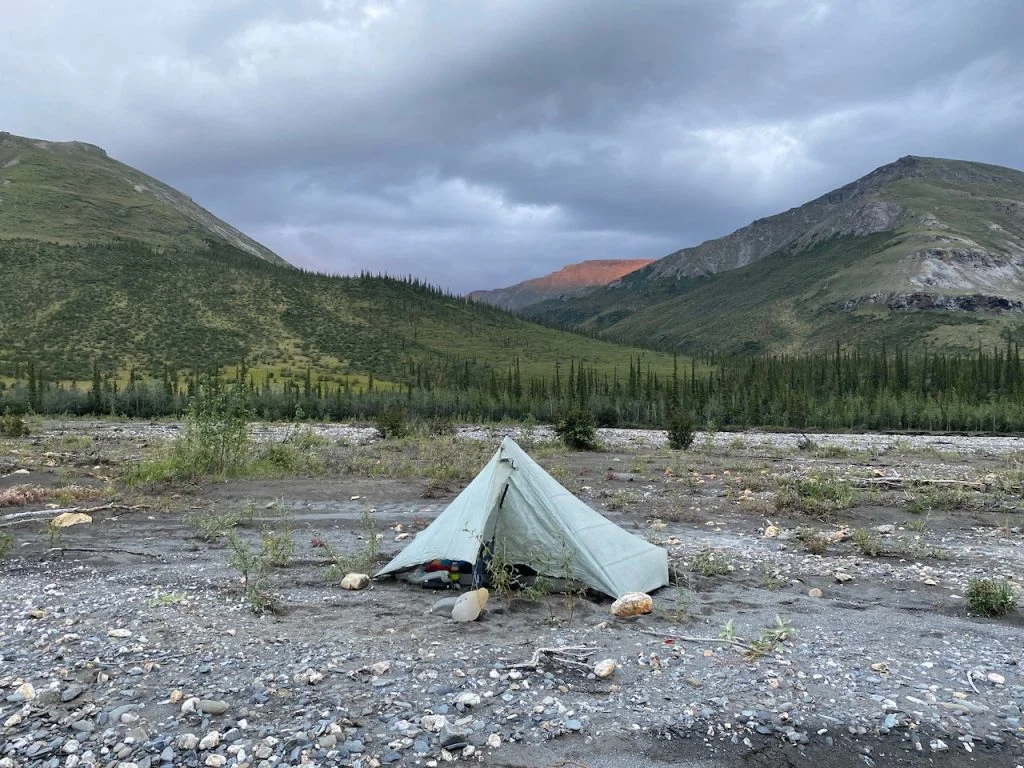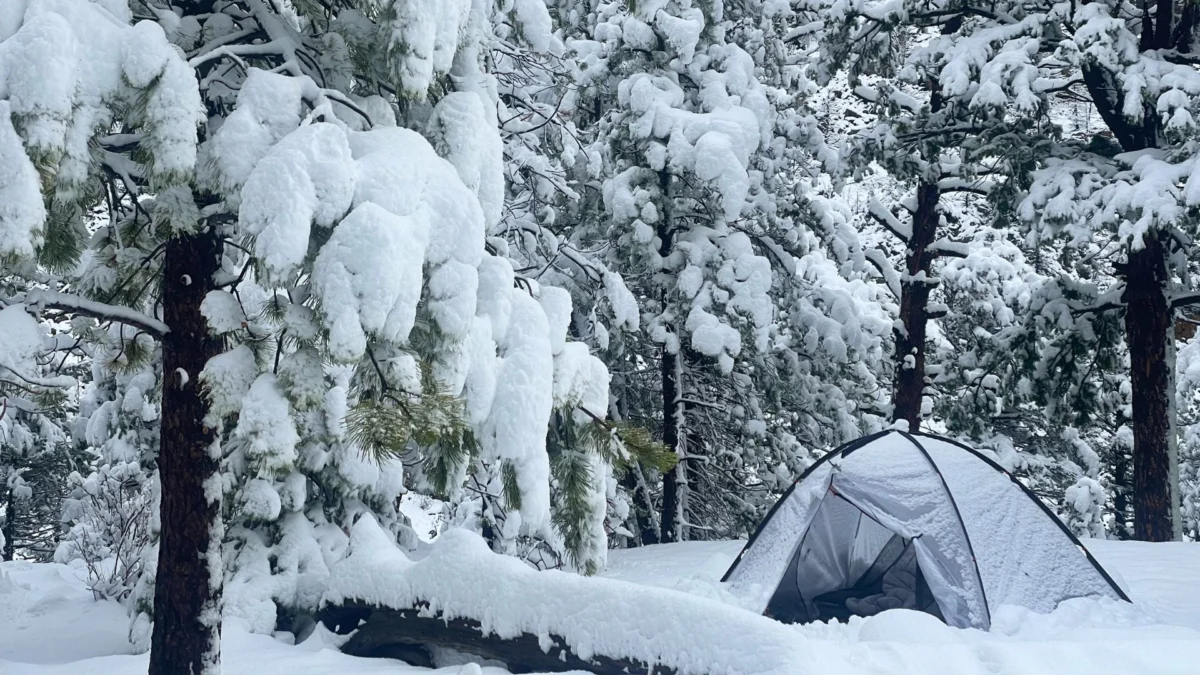
In the quiet solitude of the wilderness, few sounds are as ominous as the sharp, splintering crack of timber under pressure. For the average hiker, the forest is a place of sanctuary—a cathedral of pine and cedar. However, for those who have stood in the path of a collapsing giant, the woods can transform into a zone of unpredictable, high-consequence risk in an instant.
The Anatomy of a Near Miss
The year was 1996. While traversing a remote, unmaintained route north of Yellowstone National Park, the author found themselves caught in a sudden summer thunderstorm. The wind, whipping through a section of forest decimated by the 1988 wildfires, created a cacophony of groaning wood. As the hikers pressed forward, a deafening crack shattered the air. A massive, fire-scarred lodgepole pine—the skeletal remains of a forest long since dead—slammed into the earth less than 20 feet behind the lead hiker and 20 feet ahead of their partner.
It was a jarring reminder that in the backcountry, the environment does not always remain static. The 1988 Yellowstone fires, which scorched nearly 1.4 million acres, created a legacy of "matchstick forests." Decades later, these stands of dead timber continue to lose their structural integrity, serving as a silent, shifting hazard for anyone venturing into the mountain west.
Chronology of a Growing Concern
While fatalities caused by falling trees—often referred to as "widowmakers" in forestry—are statistically infrequent compared to risks like hypothermia or dehydration, their occurrence is consistent and tragic. A review of recent years reveals a sobering pattern of incidents:
- August 2019: A thru-hiker on the Pacific Crest Trail (PCT) was struck and killed by a falling tree while actively hiking, highlighting that the danger is not limited to stationary campers.
- August 2019: A backpacker on the Colorado Trail lost their life when a tree collapsed onto their tent, emphasizing the vulnerability of those resting in high-risk zones.
- May 2021: In the White Mountain National Forest, a tragedy occurred involving a hammock camper. The tree to which the hammock was anchored failed, striking the occupant and resulting in a fatality.
- August 2022: A visitor at a remote Elk Lake wilderness campsite in Olympic National Park was killed when a tree fell directly onto their occupied tent.
These incidents are not anomalies; they are indicators of a persistent, low-frequency, high-consequence hazard that transcends specific regions, affecting everything from maintained national park trails to dispersed backcountry camping areas.
The Psychology of Complacency
Why do we, as outdoor enthusiasts, tend to overlook this risk? The answer lies in the human brain’s propensity for normalization. We sleep under trees hundreds of times without incident. We admire the canopy, use trees for shade, and rely on them for hammock anchors. This familiarity breeds a subtle, dangerous form of complacency.
Unlike an avalanche or a lightning strike, which are often signaled by dramatic atmospheric changes, a tree can fail due to invisible internal decay—root rot, fungal infections, or structural fatigue—even on a calm, sunny day. Because these events are rare, they are easily dismissed as "bad luck." However, shifting our perspective from "Are trees dangerous?" to "Am I currently spending time near a tree that could fall?" is a critical step in cultivating true backcountry situational awareness.
Supporting Data: The Science of Failure
Understanding why trees fail is essential to risk mitigation. Foresters categorize "hazard trees" based on three primary factors: defect, target, and failure potential.
- Defect: This includes root decay, stem cracks, fungal conks (mushrooms growing on the bark), and broken tops. Trees that have been burned or are suffering from beetle kill are structurally compromised. Even if they appear standing, their root systems are often dead or decaying, making them prone to toppling in high winds.
- Target: This is the most controllable variable. If you pitch your tent or set up your hammock in a "target zone"—the area within a tree’s radius of collapse—you become the target.
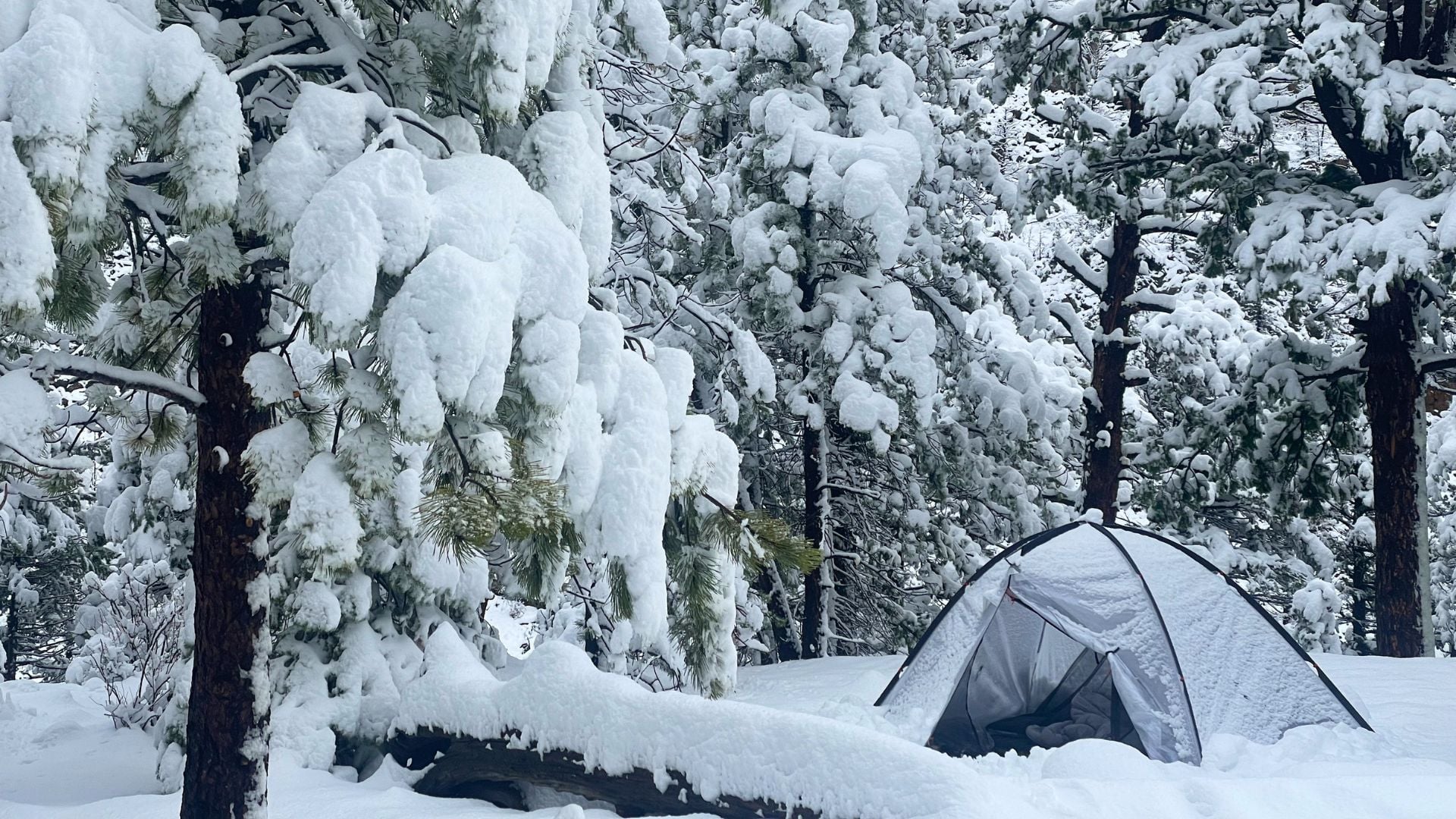
- Failure Potential: This refers to the likelihood of a tree or limb falling. Environmental stressors like high winds, saturated soil (which weakens root stability), and heavy snow loads increase the failure potential significantly.
In the mountain west, the combination of bark beetle outbreaks and climate-driven wildfire patterns has created vast tracts of standing deadwood. These forests are not merely scenic; they are active mechanical hazards.
Official Responses and Land Management
The National Park Service (NPS) and the U.S. Forest Service (USFS) have long grappled with the management of hazard trees in high-use areas. In developed campgrounds, maintenance crews regularly perform "tree thinning" to remove dead or dying specimens. However, in the vast wilderness and backcountry, such interventions are impossible and undesirable.
Official guidance from these agencies emphasizes "personal responsibility." When venturing into wilderness areas, hikers are expected to perform their own site assessments. The NPS frequently issues warnings after severe storms, advising visitors to avoid travel in heavily forested areas until debris can be cleared. Yet, for the long-distance hiker, there is no one to clear the path. The responsibility rests entirely on the individual to recognize the "red flags" of a hazardous site.
Implications: How to Manage the Risk
Mitigating the risk of falling timber requires a shift in how we approach site selection and trail movement.
1. The "Dead Zone" Assessment:
When choosing a campsite, look up. Avoid "widowmakers"—hanging limbs or dead tops that could detach. Look at the root base; if you see exposed, rotting, or lifting roots, the tree is a candidate for a fall. Avoid standing in the middle of a "snag patch," where the trees are already dead.
2. The Impact of Wind:
Wind is the primary catalyst for tree failure. If the wind speed is high enough to make trees sway or branches rub together, the risk of failure increases exponentially. During high-wind events, the safest practice is to move into a meadow or an area of younger, healthier, shorter trees, avoiding the "tall, thin, dead" specimens common in post-fire environments.
3. Rethink Hammock Anchors:
The 2021 tragedy in the White Mountain National Forest serves as a stark reminder that when you attach a hammock to a tree, you are putting your weight on that tree’s structural integrity. Always perform a "shake test" on a potential anchor tree. If it feels unstable or has visible signs of rot, find another anchor.
4. Situational Awareness:
When hiking, keep your ears open. The "crack" of a failing tree is often the only warning you will get. If you hear a loud, sharp snap, do not look up to investigate; move immediately in a direction perpendicular to the sound.
Conclusion: A New Mindset
We cannot eliminate the risk of the forest, nor would we want to. The inherent wildness of the backcountry is why we go there. However, by acknowledging that trees—like cliffs or rivers—possess the potential to cause harm, we can become more informed participants in our own safety.
The next time you pull your sleeping bag out or pause for a snack, take a moment to scan the canopy. Observe the health of the trees, the direction of the wind, and the potential for a catastrophic failure. It is a simple habit, one that takes only seconds, but it is the difference between a peaceful night under the stars and an avoidable, life-altering tragedy. Respect the forest, but never underestimate the potential danger of the silent sentinels that surround us.