There is an unparalleled rush that comes with the rod tip dipping sharply toward the water while seated in a kayak. Whether you are navigating a quiet freshwater creek or tracking a predator in the coastal surf, the physical battle between an angler and a "heavy hitter" is the heartbeat of the sport. However, as any veteran of the water will tell you, the fight is only half the battle. The true test of a sportsman lies in the decision-making process that follows the net: is this catch a centerpiece for the dinner table, or is it a species that should be returned to the drink?
Over years of logging miles on the water, many anglers learn the hard way that not all fish are created equal. Some species, due to their diet, biological makeup, or environmental exposure, are better left unharvested. Knowing the difference between a prime fillet and a culinary disappointment—or worse, a health risk—is essential for any kayak angler.
The Three Pillars of Unpalatable Fish
Generally, the species that seasoned anglers avoid fall into three distinct categories. First, the "mudsuckers"—freshwater bottom-dwellers that absorb the flavor of their environment. Second, the "oily predators" of the saltwater world, which can carry aggressive metallic notes or high levels of bioaccumulated toxins. Finally, the "labor-intensive" species—fish with complex bone structures or skin defenses that make the preparation process disproportionately difficult for the limited space of a kayak.
Quick Ranking: The Most Polarizing Catches
| Rank | Species | Primary Issue | Safety Concern | Recommended Action |
|---|---|---|---|---|
| 1 | Common Carp | Muddy, bony | Local pollutants | Harvest only from clean water |
| 2 | Bowfin | Mushy texture | Handling risk | Eat fresh or release |
| 3 | Gizzard Shad | Oily, bony | Generally unpalatable | Use as bait |
| 4 | Large Bluefish | Strong/fishy | Mercury/PCBs | Bleed, ice, trim dark meat |
| 5 | Jack Crevalle | Metallic/bloody | Difficult handling | Keep only small specimens |
| 6 | Bigmouth Buffalo | Coarse texture | Contaminant risk | Smoke or grind |
| 7 | Freshwater Drum | Rubbery/divisive | Mercury advisories | Check local guidelines |
| 8 | Large Black Drum | Wormy/tough | Parasites | Keep "puppy" drum only |
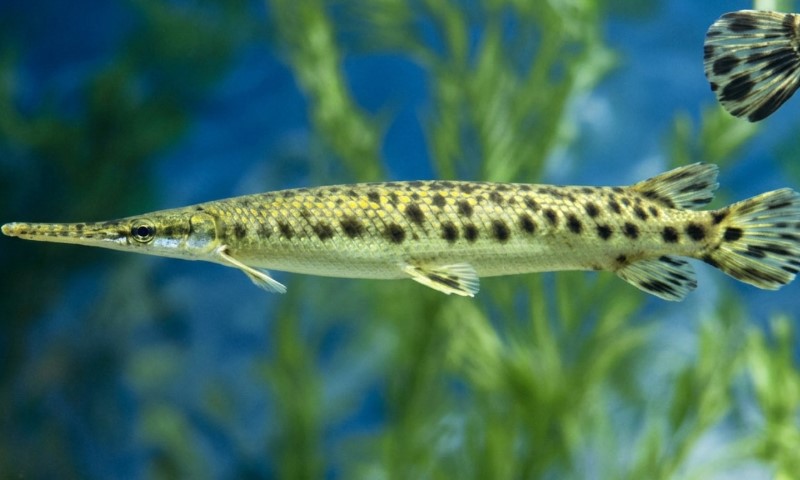
| 9 | Gar | Difficult prep | Toxic roe | Never consume the eggs |
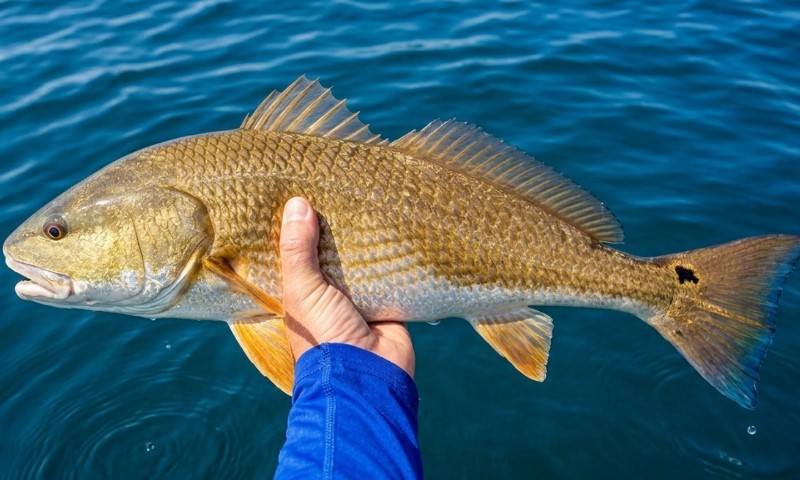
| 10 | Barracuda | Flavor/toxins | Ciguatera | Avoid in reef zones |
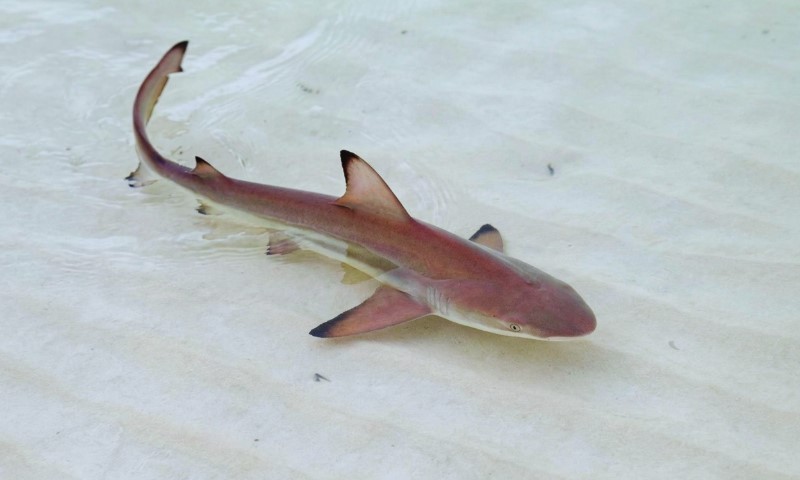
| 11 | Shark | Ammonia profile | Mercury/spoilage | Practice catch-and-release |
| 12 | King Mackerel | Strong flavor | High mercury | Avoid large specimens |
The Science of "Off" Flavors
When a fish tastes subpar, it is rarely a mystery. It is almost always a result of its diet, its environment, or the way it was handled post-catch. The "muddy" flavor frequently reported in freshwater species is caused by geosmin, a natural organic compound produced by certain species of blue-green algae and bacteria. While research from the Technical University of Denmark (DTU) confirms that geosmin is not harmful to human health, it is a potent compound that can easily ruin an entire meal.
Furthermore, water quality is not universal. The EPA emphasizes that fish safety varies wildly by location; a species that is perfectly safe to consume in one reservoir may be subject to a strict consumption advisory in a neighboring county due to industrial runoff or sediment contaminants.
Detailed Breakdown of Challenging Species
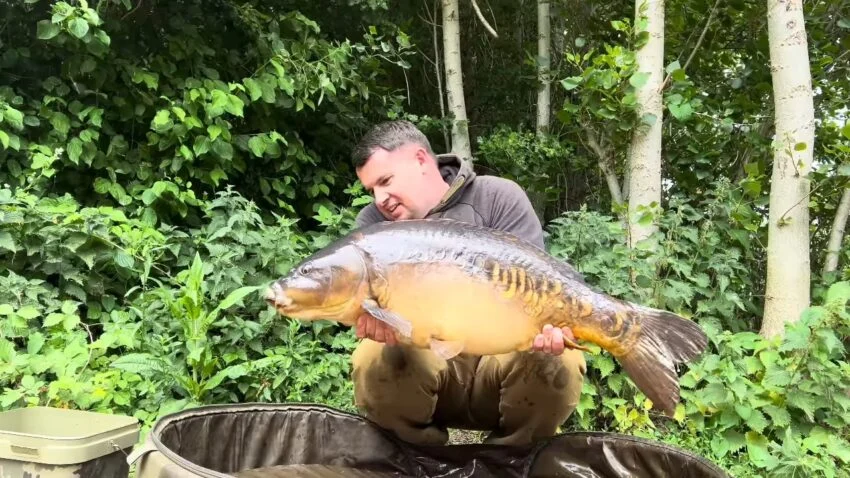
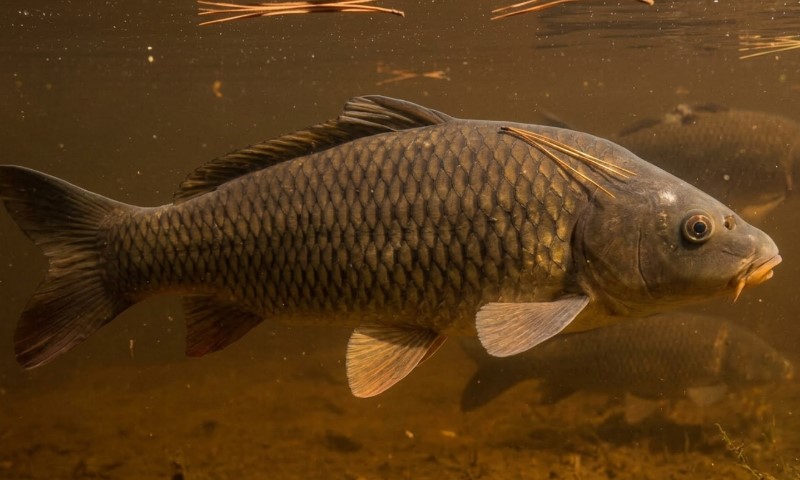
1. Common Carp: The Environmental Sponge
Carp are the ultimate environmental indicators. As bottom-feeders, they consume whatever the ecosystem offers, leading to a flavor profile that ranges from earthy to intensely muddy. Beyond the taste, they possess a complex "Y-bone" structure that frustrates even the most skilled home chefs. For the kayak angler, carp present a physical nuisance: their heavy slime coat can turn a cockpit into a slippery, difficult-to-clean mess.
2. Bowfin: The Prehistoric Paradox
Bowfin possess unique enzymes that cause their muscle fibers to break down rapidly after death. If the fish is not immediately placed on ice, the flesh transforms into a mushy, unappealing texture. Furthermore, they are notoriously difficult to handle, with teeth capable of inflicting significant injury in the cramped quarters of a kayak.
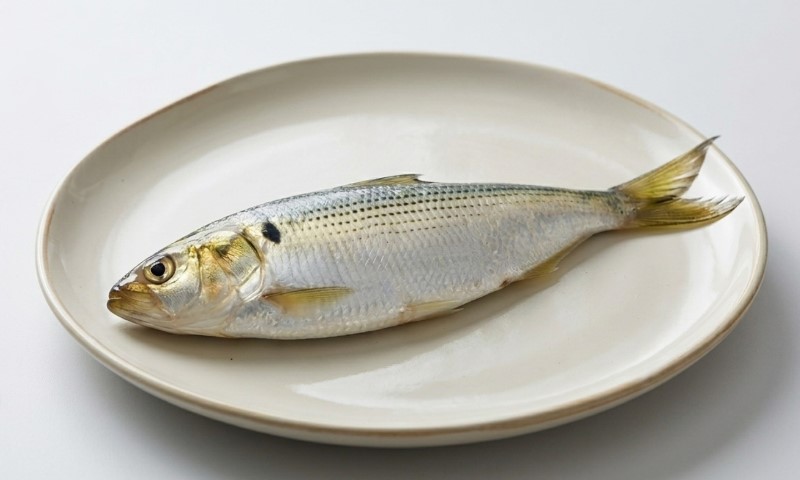
3. Gizzard Shad: Better as Bait
Viewed by many as the "fast food" of the aquatic ecosystem, gizzard shad are vital for the food chain but poor for the table. They are riddled with tiny intramuscular bones and possess an oil content that turns rancid at a rapid pace. Their primary utility is as high-quality cut bait for catfish.
4. Large Bluefish: A Culinary Challenge
Bluefish are legendary fighters, but their culinary reputation is polarizing. Because they are apex predators, their meat is rich in oils that require immediate attention. To ensure they are edible, an angler must bleed the fish instantly and meticulously trim the dark "blood line" from the fillets. On a kayak, this "crime scene" preparation is often impractical and messy.
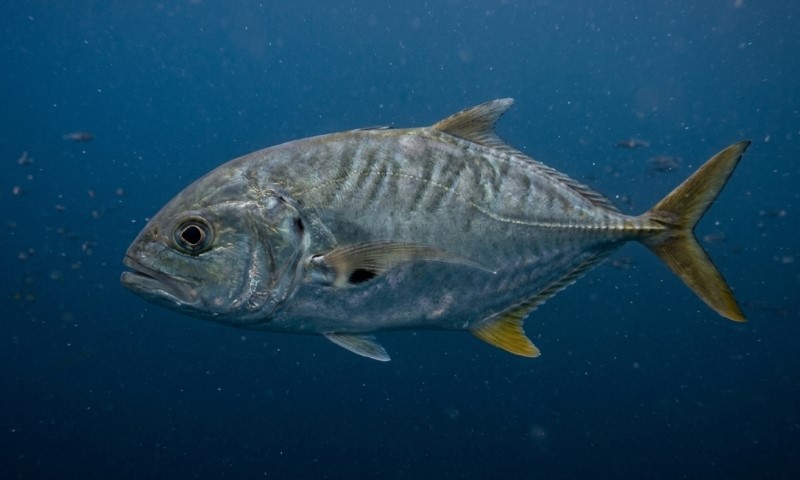
5. Jack Crevalle: The Metallic Struggle
While they are pound-for-pound some of the strongest fighters in the sea, Jack Crevalle are often avoided for the table. The meat is dark, bloody, and carries a metallic tang that many find off-putting. The effort required to land and process a large Jack on a kayak often results in a poor culinary reward.
Official Health Advisories and Safety Data
Flavor is a matter of preference, but safety is an objective reality. Federal agencies, including the FDA and the EPA, maintain a "Choice to Avoid" list that should be the gold standard for every angler. This list focuses on large, predatory fish—such as king mackerel, marlin, shark, and swordfish—that occupy the top of the food chain. Because these fish live long lives and consume smaller prey, they bioaccumulate significant levels of methylmercury.
Scombroid poisoning is another major concern. The FDA notes that fish like tuna, mackerel, and mahi-mahi can develop high levels of histamines if not properly chilled immediately after being caught. This spoilage is not always detectable by smell or appearance, making rigorous temperature control a non-negotiable requirement for the kayak angler.
The Implications of Ethical Stewardship
The decision to keep or release a fish is the cornerstone of ethical angling. When we choose to harvest a species we are not prepared to handle properly, we do a disservice to the resource.
Handling and Logistics
Kayak anglers are limited by the physical constraints of their craft. Bringing a 40-pound black drum or a large shark onto a deck not only poses a safety risk to the angler but also puts the fish at risk of improper storage. If you do not have the equipment—such as a large, insulated cooler bag and sufficient ice—to maintain the cold chain, the most ethical choice is to release the fish unharmed.
The "Rough Fish" Revolution
It is worth noting that some species, such as the Bigmouth Buffalo, are undergoing a rebranding. Often misidentified as carp, these native fish are being celebrated by a growing segment of the angling community as excellent, sustainable sources of protein when prepared correctly. This shift highlights that "trash fish" labels are often cultural rather than culinary. With the right technique—such as pressure cooking or smoking—many of these "challenging" fish can be transformed into delicacies.
Conclusion: The Path Forward
For the modern kayak angler, success is no longer measured solely by the weight of the stringer. True success is found in the stewardship of our waterways and the respect we show the fish we pursue. By understanding which species are best left to swim, keeping informed on the latest FDA and EPA advisories, and acknowledging our own logistical limitations on the water, we ensure that our sport remains sustainable for future generations.
If you are unsure of your ability to process a "difficult" catch, or if the fish falls into a high-mercury risk category, remember that a photograph and a safe release are the marks of a true expert. There is no shame in a day of catch-and-release; it is the ultimate testament to an angler who values the longevity of the ecosystem as much as the thrill of the fight.
About the Author:
Adelaide Gentry is a seasoned kayaking enthusiast and a leading voice in the angling community. With over a decade of experience navigating diverse waterways, Gentry advocates for sustainable fishing practices, ethical harvesting, and the continuous education of anglers on the complex relationships between our environment and the table.