By Ben Emanuel | July 31, 2026
While the blistering heat waves of summer 2026 have dominated national headlines, a more insidious and long-lasting climate phenomenon is quietly reshaping the landscape of the American Southeast. Across the region, a severe and persistent drought is draining river basins, testing the resilience of local water infrastructure, and placing unprecedented stress on the delicate ecosystems that rely on steady, clean flows.
As of late July 2026, the situation remains dire. In states like North Carolina, the U.S. Drought Monitor reports that large swaths of the state have been locked in severe or extreme drought conditions for months. River and stream flows—the lifeblood of the region’s environment and economy—have plummeted to near record-low levels. While drought is a natural occurrence, the current crisis is being exacerbated by human activity, climate change, and an increasingly precarious water management landscape.
The Anatomy of the 2026 Drought
To understand why this summer feels particularly punishing, one must look back to the winter of 2025–2026. In the Southeast, drought is not merely a summer phenomenon; it is often the result of a "precipitation debt" accumulated during the cooler months.
Typically, winter rainfall serves as the crucial recharge period for groundwater and stream baseflow. This past winter, however, the region experienced an anomalously dry season, leaving reservoirs and aquifers significantly under-prepared for the inevitable heat of summer. Compounding this, the drought intensified during the spring—a time when the Southeast usually receives its most reliable rainfall. This shift in the seasonal moisture cycle has disrupted the hydrological rhythm that the region’s flora and fauna depend on.
Chronology of the Crisis
- Winter 2025–2026: A lack of seasonal precipitation leads to low groundwater recharge across the Piedmont and Appalachian regions.
- Spring 2026: Instead of the typical "wet season" relief, the Southeast experiences dry conditions, causing the drought to harden and expand across North Carolina and parts of Georgia.
- June 2026: The U.S. Drought Monitor upgrades significant portions of the Southeast to "extreme" drought status.
- July 2026: Heat waves exacerbate soil moisture loss. High-profile environmental incidents, such as massive fish kills on the Chattahoochee River, signal a tipping point for regional aquatic life.
Human Impacts and Environmental Fragility
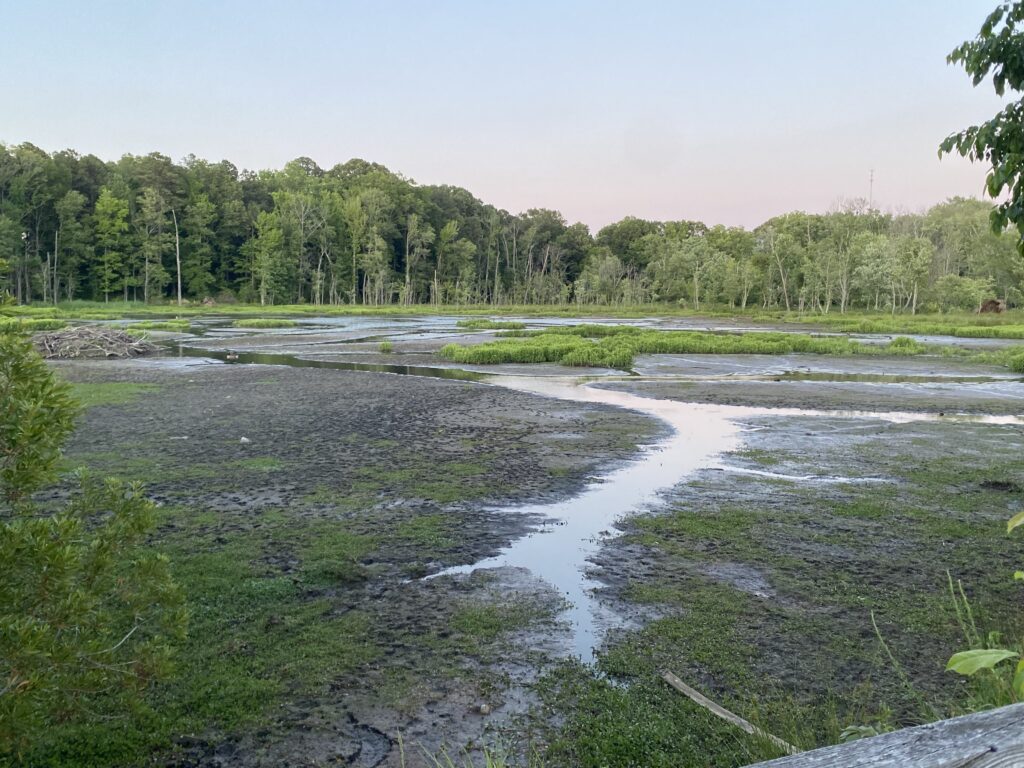
The current drought is not occurring in a vacuum. It is meeting a landscape that has been heavily altered by urbanization and industrial demand. When we pave over watersheds, we prevent rainfall from infiltrating the soil, which in turn reduces the amount of water available to replenish streams during dry spells. Furthermore, as water levels drop, the concentration of pollutants increases, and water temperatures rise, creating a toxic cocktail for aquatic species.
When river flows remain low for extended periods, the consequences are multifaceted:
- Ecological Collapse: Fish populations struggle as their habitats shrink and water temperatures become lethal. The recent fish kill on the Chattahoochee River serves as a stark warning of what happens when climate stress meets environmental neglect.
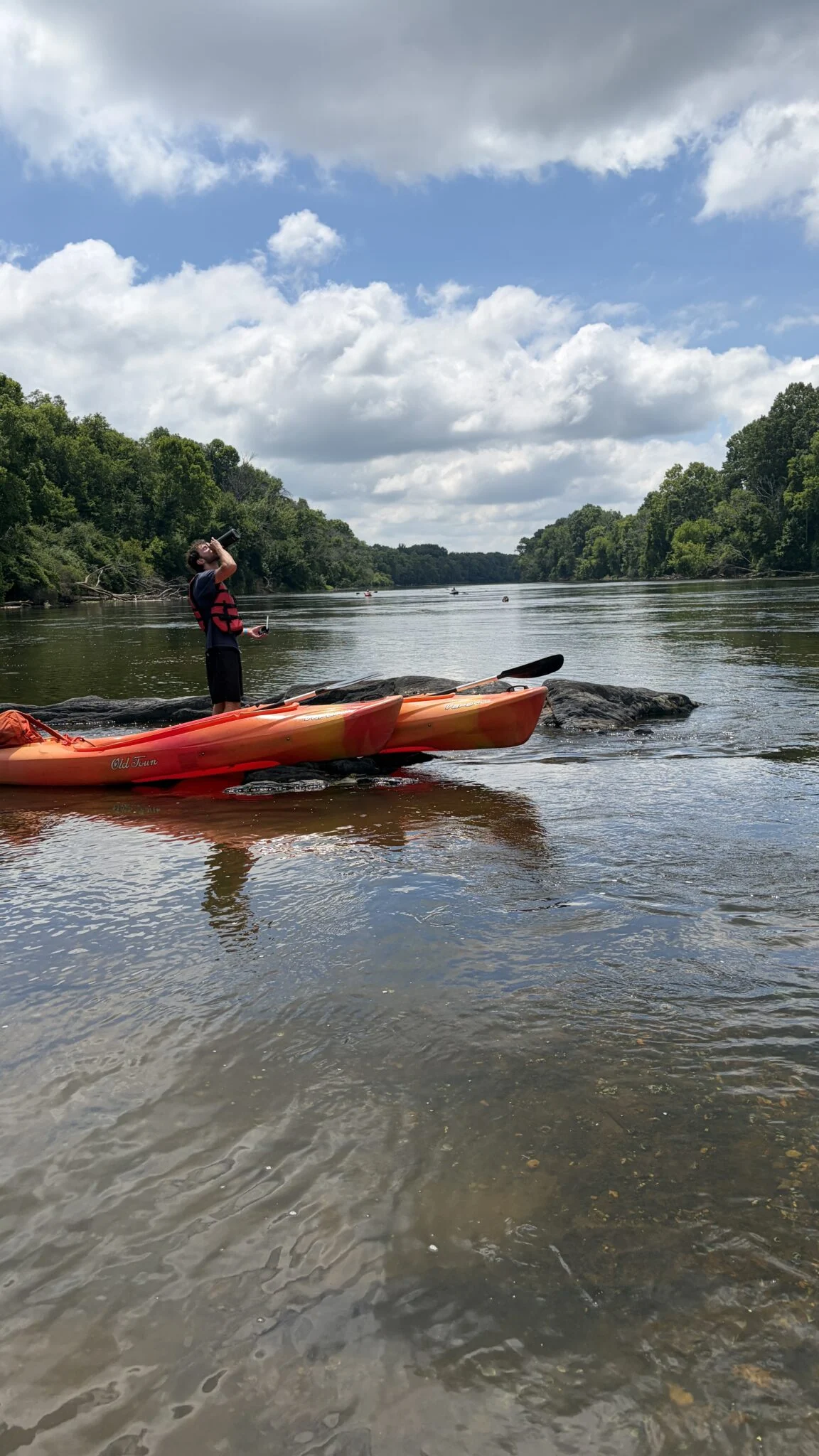
- Recreational Losses: Many river-based activities, from kayaking to fishing, have been canceled across the region, impacting local tourism-based economies.
- Water Security: Communities that rely on rivers for municipal water supplies are facing rising costs and the specter of mandatory usage restrictions as intakes become exposed and water quality degrades.
The "Efficiency First" Imperative
American Rivers has long advocated for a paradigm shift in how we manage our most precious resource. The current crisis highlights the failure of "reactive" water management. Instead of waiting for a crisis to implement conservation measures, municipal utilities must transition to an "efficiency first" approach.
Smart Infrastructure and Planning
"Efficiency first" means prioritizing the reduction of water waste—fixing leaky distribution pipes, upgrading to low-flow fixtures, and incentivizing xeriscaping—before pursuing costly, environmentally damaging new supply projects like reservoirs or massive water transfers.
Furthermore, "smart water infrastructure" must become the standard. This involves planning for drought when we are not in a drought. By maintaining healthy, forested watersheds, we can ensure that when it does rain, the water is captured and filtered naturally rather than rushing off into storm drains.
The Growing Pressure of Development
The challenge of managing water in the Southeast is being compounded by rapid regional growth. Population booms, suburban sprawl, and the expansion of energy-intensive sectors—such as massive data centers—are creating a surge in demand for freshwater.
Data centers, in particular, require significant amounts of water for cooling systems. When these industrial demands are layered on top of a climate that is becoming more prone to extreme "weather whiplash"—swinging between drought and flash flood conditions—the margin for error in our water policy effectively vanishes.
Official Responses and Future Outlook
While some states, like Georgia, have seen localized rainfall provide temporary relief, experts warn that we are far from "out of the woods." Drought recovery is a slow process; it takes months of consistent, soaking rainfall to reverse the deep-seated soil moisture deficits that have developed.
The path forward requires a unified approach:
- Utility Leadership: Water utilities must modernize their management practices, prioritizing ecological health alongside human consumption.
- Policy Reform: Legislators must integrate climate resilience into zoning and urban development policies to prevent further degradation of natural water-absorbing landscapes.
- Individual Action: While systemic change is vital, individual conservation remains a key pillar of drought mitigation. Reducing outdoor water use and addressing household leaks remain the most immediate ways for citizens to contribute to regional water security.
Conclusion: A Call to Resilience
The drought of 2026 is a clarion call. It exposes the vulnerability of our current systems and the urgency of our changing climate. We can no longer afford to treat water as an infinite resource that will always be there when we turn on the tap.
As we look toward the remainder of the summer and the years ahead, the lesson is clear: we must treat our rivers as the essential infrastructure they are. By protecting the natural flows that sustain our ecosystems and by embracing a culture of conservation and smart planning, we can build a future where both our communities and our rivers can thrive, even in the face of a hotter, drier world.
The water we save today is the insurance policy for the droughts of tomorrow. It is time to act with the foresight that our environment—and our future—demands.