Date: September 15, 2026
Author: Samuli Haapasalo
Field Report: The Estonian Coastline
As the calendar turns toward the middle of September, the natural world undergoes one of its most dramatic transformations. Across the Baltic region, the air grows heavy with the sound of wings as millions of migratory birds navigate their ancient routes. For birdwatchers and ecologists, this period marks the peak of the autumn migration—a time when the marshes, fields, and coastal wetlands of Estonia become a bustling crossroads for avian travelers.
Main Facts: The Pulse of Migration
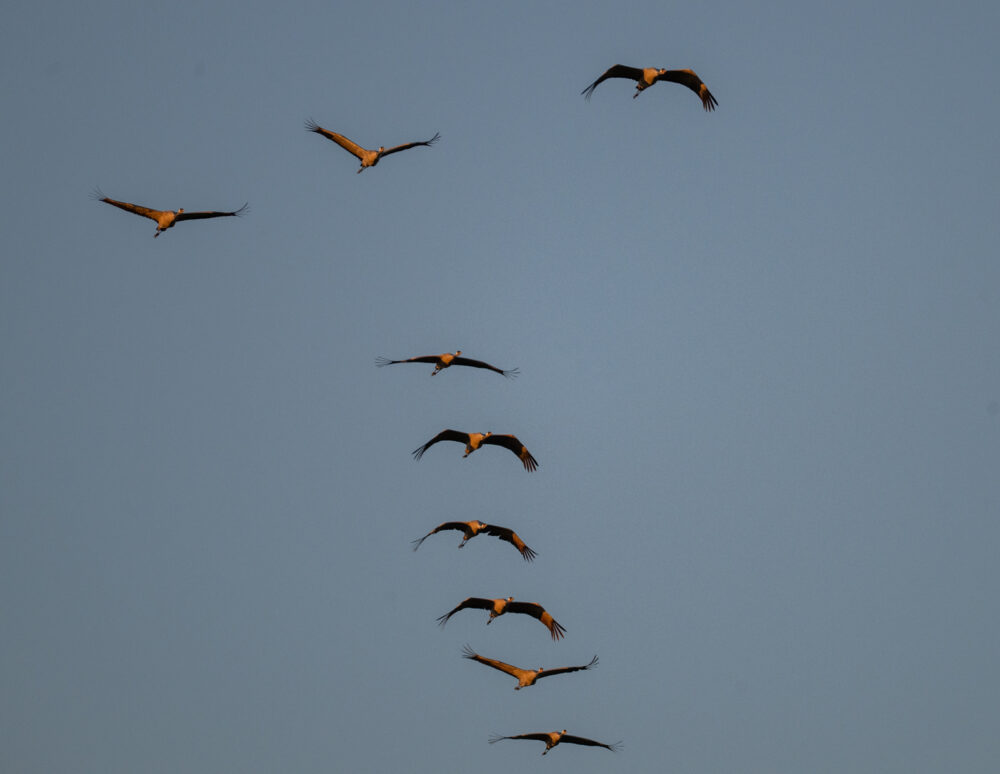
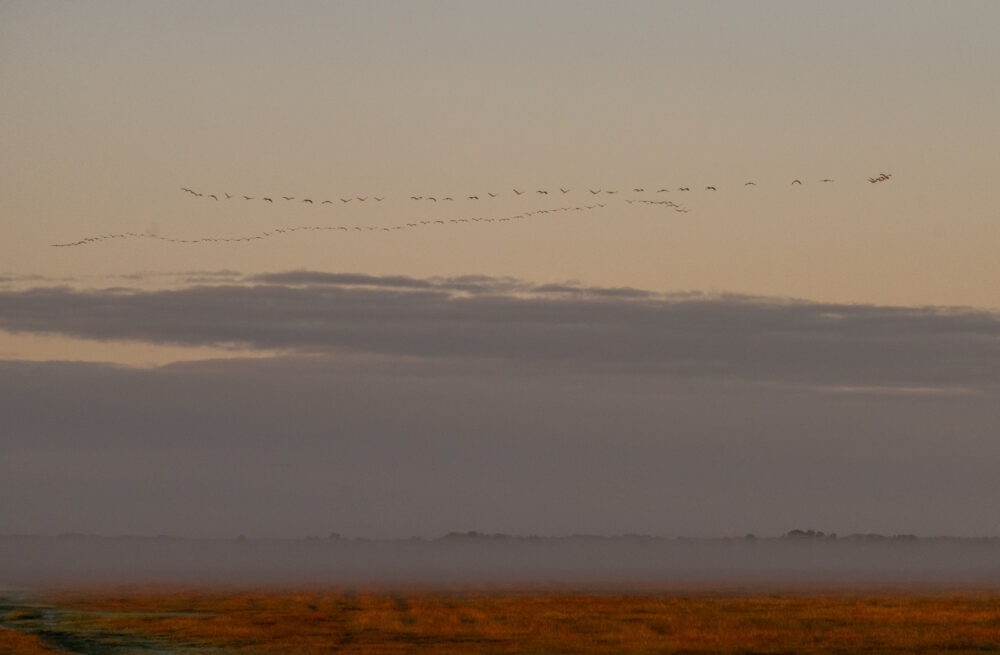
The migration of the common crane (Grus grus) is perhaps the most iconic feature of this season. By mid-September, Estonia serves as a vital refueling station for these majestic birds. Vast numbers of cranes congregate in the coastal regions surrounding Haapsalu, utilizing the sheltered Matsalu and Pögarin bays as primary roosting sites.
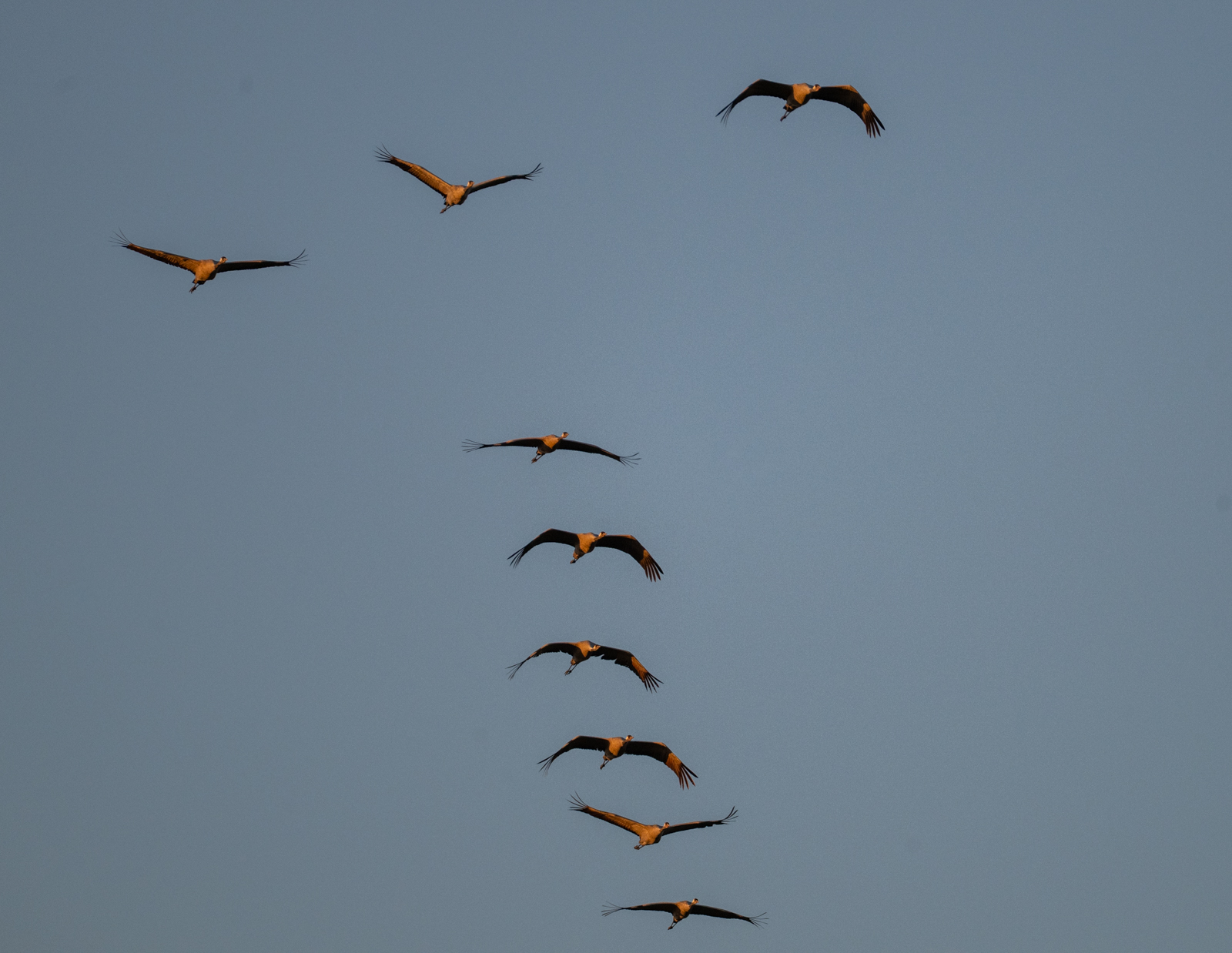
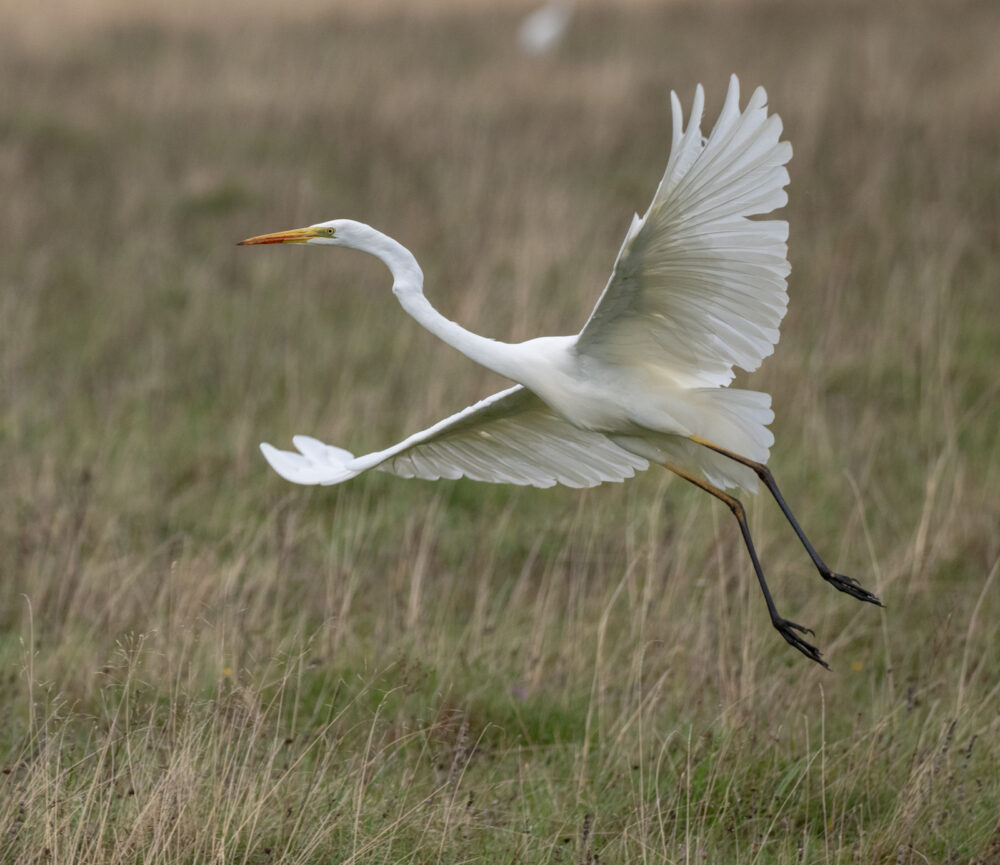
While the cranes dominate the landscape, they are not alone. The wetlands are currently teeming with a diverse array of species, including various species of ducks, waders, and the increasingly prominent great white egret (Ardea alba). This year’s observation confirms that the migration is unfolding on schedule, with the peak intensity occurring in the days immediately following the mid-point of the month.
Chronology: A Weekend of Observations (Week 37/2026)
My recent field observations in the Haapsalu region provided a snapshot of the migration’s rhythm. The pattern is consistent: birds utilize the northern reaches of Matsalu and Pögarin bays as secure, nocturnal safe havens. At the first light of dawn, the landscape erupts into sound as thousands of cranes take flight, moving eastward toward agricultural feeding grounds.
- Early Morning: The "dawn chorus" of thousands of cranes rising from the reed beds to forage is a visceral experience, marking the transition from night to day.
- Mid-Day: As the cranes disperse, the focus shifts to the coastal meadows. Here, the great white egret has become a common sight, with dozens gathering in prime feeding areas. Their numbers have seen a significant, sustained increase over recent years.
- Late Afternoon: As evening approaches, the activity shifts again. Smaller passerines, including swifts, continue their push south. Meanwhile, starlings perform their intricate, synchronized flights, eventually descending into the protection of the reed beds as dusk settles over the Estonian marshes.
Supporting Data: Shifts in Ecology and Behavior
The dynamics of this migration are not static; they are influenced by evolving agricultural practices and environmental shifts.
Agricultural Impact on Foraging
Observations suggest that changes in local farming techniques and the specific crop varieties planted in the region have slightly altered the behavior of the stopping cranes. While the thousands that gather each morning remain a breathtaking spectacle, the total number of birds remaining for extended periods appears to have fluctuated compared to previous decades. This shift likely reflects the availability of food sources in the surrounding fields, forcing the birds to adapt their staging strategies.
The Rise of the Great White Egret
Perhaps the most notable trend in recent years is the surge in the great white egret population. Previously a rare visitor, the species is now a staple of the Estonian coast. Their diet is primarily comprised of small fish, though field observations indicate they are opportunistic hunters, often taking small mammals from the tall grasses of the meadows.
Comparative Migration Timetables
The migration calendar is a precise, albeit complex, instrument:
- White Storks: Having mostly concluded their southward journey by the beginning of September, they are largely absent from the region.
- Grey Herons: In contrast to the white storks, the grey heron exhibits a more relaxed pace. Many remain active in the region, and a small, resilient population has even begun to overwinter in the Baltics, a testament to changing climate patterns.
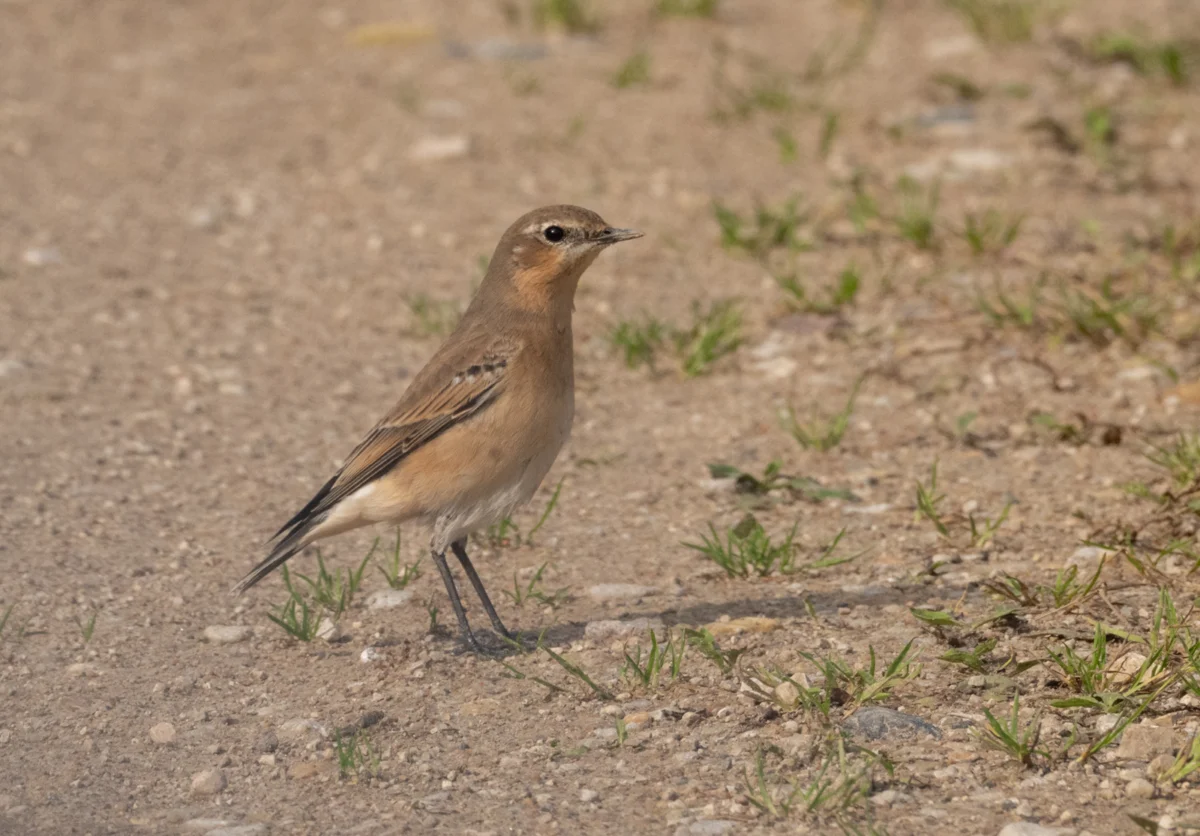
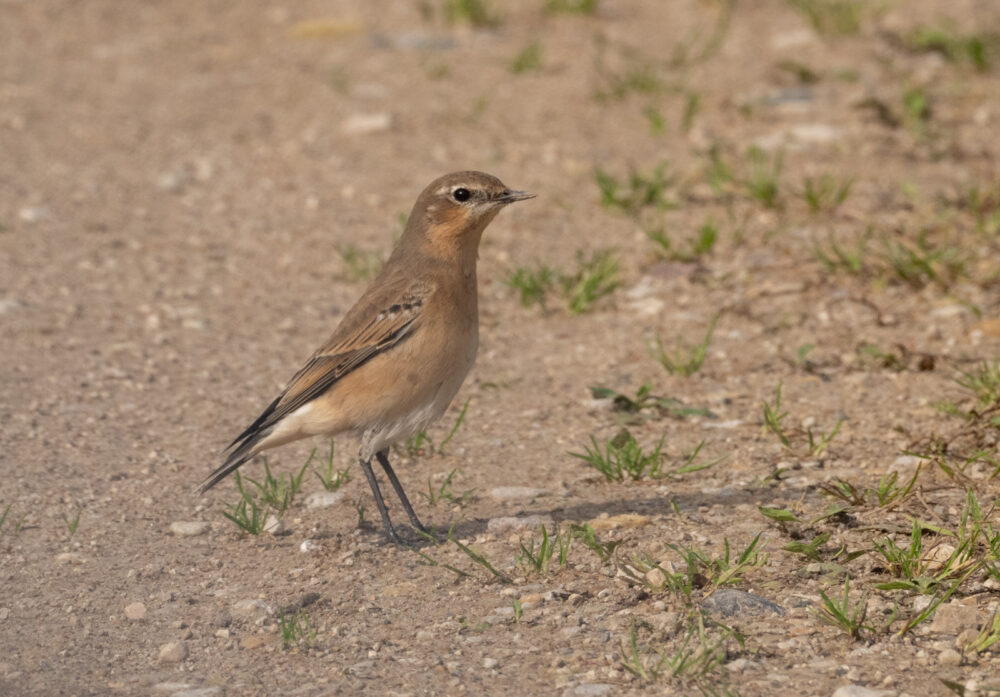
- Passerines and Waders: Swifts are currently in the midst of their migration, with large numbers observed on utility lines and hovering over coastal meadows. The northern wheatear remains abundant along ditch banks, while the European goldfinch has been seen in large, energetic flocks.
Official Perspectives and Infrastructure
The observation of these phenomena is supported by a robust network of infrastructure. Estonia’s birdwatching facilities are among the best in Northern Europe, providing researchers and the public with unparalleled access to migratory corridors.
The Haeska bird tower remains the gold standard, offering a panoramic view of the Matsalu landscape. Furthermore, local conservation efforts continue to expand these capabilities. Construction has officially commenced on the new Rannajõe tower on the eastern edge of the Matsalu meadows, a project designed to improve monitoring capabilities and promote sustainable ecotourism.
Implications: The Future of Baltic Migratory Hubs
The concentration of species such as the northern lapwing, various waders, and the impending arrival of Bewick’s swans and tundra geese in October signals that the migratory season is far from over. However, the presence of these birds brings into focus the necessity of habitat preservation.
Environmental Stewardship
The shifting behavior of the cranes and the success of the great white egret serve as indicators of broader environmental trends. As migratory routes become more sensitive to agricultural changes and land-use policies, the role of designated wetland preserves becomes critical. The "tide" of the migration is not merely a seasonal occurrence; it is a vital ecological event that requires consistent, transboundary protection.
The Role of Public Engagement
Projects like Vuosi luonnossa (A Year in Nature) emphasize the importance of documenting these shifts. By maintaining a continuous record of bird activity, researchers can better understand how species are adapting to a changing climate and human-altered landscapes. The public’s interest in these events is not merely passive; it drives the demand for continued conservation funding and environmental journalism.
As we look toward the remainder of the autumn, the focus will shift from the large-scale movements of the cranes to the arrival of the hardy winter visitors. The cycle of the seasons continues to pull the avian world through the Baltic corridor, a reminder of the resilience of nature and the ongoing importance of our role as observers and protectors of these natural wonders.
For those looking to witness the spectacle firsthand, the coastal meadows of Haapsalu offer a masterclass in ornithology—a place where, for a few short weeks, the earth belongs to the wings.